Hunting the November Firearms Opener
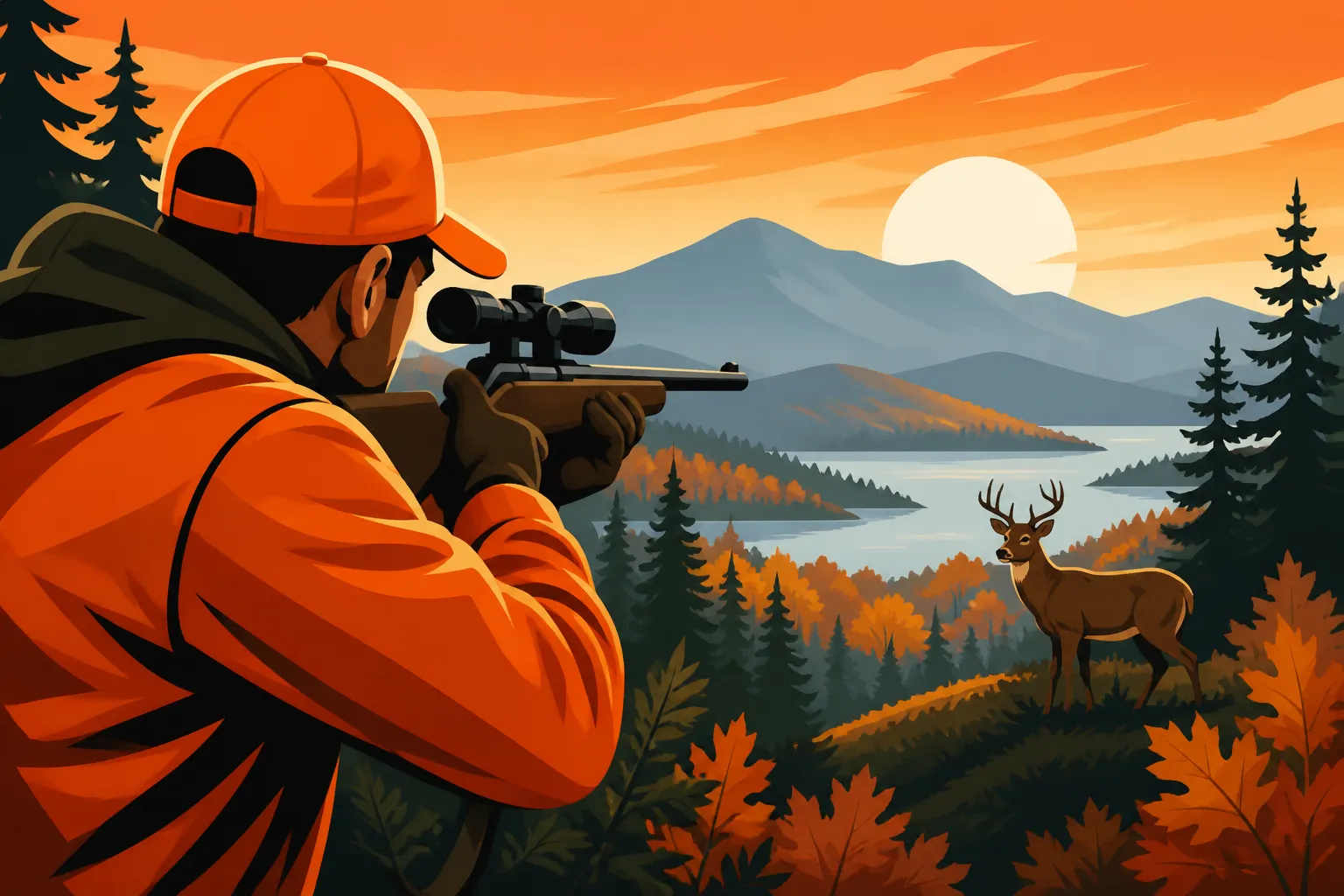
The crisp air of early November in New Hampshire often signals the start of what many hunters eagerly anticipate: the firearms deer season opener. But let's be honest, that initial rush can feel less like a joyful celebration and more like a chaotic scramble, with hunters seemingly everywhere and deer acting like phantoms. This guide aims to cut through that noise, offering seasoned advice and practical strategies to help you confidently navigate the New Hampshire firearms opener and increase your chances of tagging a Granite State buck or doe.
Understanding the New Hampshire Firearms Season
The firearms season in New Hampshire is a relatively short, intense window of opportunity, and understanding its nuances is critical for success. It’s not just about knowing the general start date; it’s about grasping the regional variations, legal weapon requirements, and the distinct challenges this condensed season presents.
Key Dates and WMU Variations
Unlike some states with sprawling, month-long firearms seasons, New Hampshire’s approach is a bit more compact, designed to manage deer populations effectively while still providing ample hunting opportunities. Generally, the season kicks off in early November and runs for a few weeks, but this isn't a blanket rule across the entire state. Specific start and end dates can actually vary quite a bit depending on which Wildlife Management Unit (WMU) you plan to hunt. For instance, some of the northern WMUs, like A and B, might have slightly different schedules or earlier closures than the more southerly units.
This WMU-specific structuring means that a hunter really needs to do their homework. Just assuming the statewide opener applies to your favorite hunting spot could lead to a disappointing, or worse, illegal hunt. It’s imperative to consult the New Hampshire Fish and Game Department’s official digest every year, as dates can shift slightly. You can find detailed information on these specific timelines under resources like New Hampshire Firearms Season Dates, which breaks down the calendar unit by unit. This variability impacts everything from scouting plans to vacation requests from work, so getting it right from the start is non-negotiable. It also plays a role in how deer respond; a WMU with an earlier closure might see different hunting pressure dynamics than one that runs longer into the month.
Legal Weapons and Equipment Considerations
The firearms season, as the name suggests, primarily allows for rifles, shotguns, and muzzleloaders, provided they meet specific criteria. However, even within these categories, there are regulations to consider. For rifles, there are minimum caliber requirements, and certain types of ammunition might be restricted. Shotguns are typically limited to slugs, and again, there might be gauge restrictions or requirements for minimum energy at the muzzle. And if you're thinking about a muzzleloader during this period, ensure it adheres to the specific legal definitions, particularly regarding bore size and loading methods. These details are clearly outlined in the official digest, and understanding them is part of being a responsible hunter. For a deeper dive into what's permissible, check out topics like Legal Weapons During New Hampshire Firearms Season.
Beyond the firearm itself, consider the ancillary equipment that makes a difference. Optics are huge in New Hampshire's varied terrain, from dense timber to more open hardwood ridges. A good quality scope that performs well in low light, especially at dawn and dusk, can be invaluable. Rangefinders have also become standard gear, helping hunters make ethical shots by confirming distances, especially in the undulating landscapes of the White Mountains or the more subtle elevation changes of the Monadnock region. Remember to carry appropriate ammunition, a sturdy knife for field dressing, and always, always, your valid New Hampshire Hunting Licenses and What They Cost, along with any necessary deer permits.
Navigating Opening Day Pressure and Hunter Density
The first few days of the New Hampshire firearms season are often met with a significant influx of hunters. This surge in activity can make it feel like the woods are crawling, scattering deer and creating challenging conditions. Understanding how to navigate this pressure, whether on public or private land, is key to finding success when others might be struggling.
Strategies for Public Land
Public land in New Hampshire, especially easily accessible tracts and Wildlife Management Areas, can feel like Grand Central Station on opening morning. It’s easy to feel overwhelmed by the sheer number of vehicles parked along dirt roads and the sound of distant shots. The deer, naturally, are highly sensitive to this sudden increase in human activity. Your best bet is to avoid the obvious spots that every other hunter is eyeing. Instead, think about where deer will retreat to escape pressure. This often means delving deeper into the woods, focusing on areas that require more effort to reach, or looking for overlooked pockets of cover adjacent to high-traffic zones. Areas with thick, nasty cover – impenetrable swamps, steep ravines, or dense softwood stands – are often natural sanctuaries where deer will hole up.
Mapping tools can be incredibly useful here. Many hunters swear by mapping apps like GoHunt, which can help identify remote access points, challenging terrain, and potential escape routes. Look for pinch points, saddles, or creek bottoms that might funnel deer moving away from pressure. Consider areas that don't have well-worn trails or easily visible access. Even on heavily hunted public land, there are always pockets that few people are willing to walk to. Remember that deer move predictably when pressured; they often travel along the path of least resistance through the thickest cover. If you can anticipate these movements, you can intercept them. Another effective strategy is to hunt mid-day when many other hunters have returned to their trucks for lunch or given up. Deer often resume moving during these quieter hours. For more on finding those overlooked spots, consider researching Hunting Pressure on New Hampshire Public Land.
Finding Unpressured Pockets on Private Land
Hunting private land offers a different dynamic, often with less pressure, but securing access can be a challenge in itself. If you've been fortunate enough to gain permission on private property, your focus shifts to understanding how that specific parcel interacts with the surrounding landscape and hunting pressure. Even on private land, if it's bordered by public land or other heavily hunted private parcels, the deer will still be on high alert. Identify thick cover, dense swamps, or unharvested crop fields that serve as natural sanctuaries. These are the places deer will likely funnel into when the hunting season opens on adjacent properties.
Talk to the landowner if possible; they often have invaluable insights into deer movement patterns on their property. They know where deer bed, where they cross, and which areas are rarely disturbed. Utilize satellite imagery and topographic maps, perhaps through a platform like GoHunt, to identify natural funnels, unpressured bedding areas, and overlooked food sources. Focus on connecting these pieces of the puzzle. If the property is mostly open, look for small, isolated thickets or brushy fence lines that offer concealment. Deer will often hold tight in these spots, only moving when absolutely necessary. The key is to be discreet, ethical, and maintain a good relationship with the landowner, which can provide hunting opportunities for years to come. Remember, even private land isn't immune to deer moving in response to widespread pressure, so understanding how the local landscape fits into the larger hunting picture is crucial.
Deer Behavior During the Early November Rut
November is a magical time for deer hunters in New Hampshire, largely because it coincides with the peak of the whitetail rut. This period of heightened breeding activity dramatically alters deer behavior, making them more visible and, at times, less cautious. Understanding these behaviors is crucial for capitalizing on the firearms opener.
Interpreting Rutting Sign and Activity
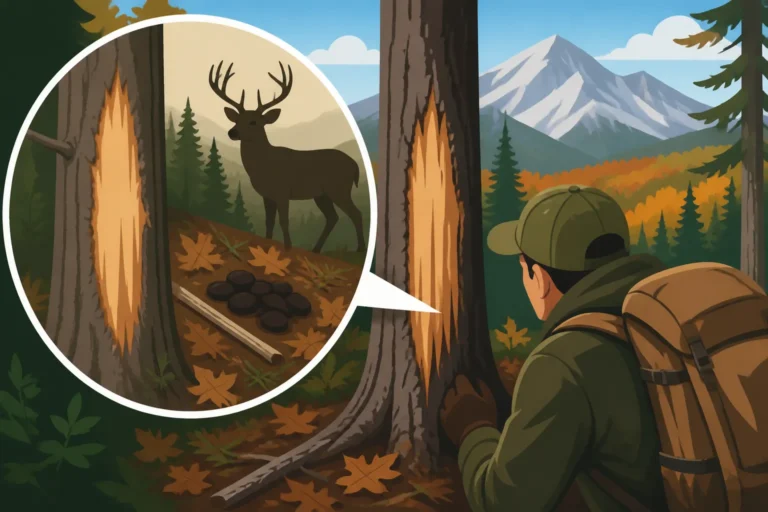
During the early November rut, the woods become a canvas of buck activity. Scrapes and rubs, which might have been sparse or barely noticeable earlier in the fall, become much more pronounced and numerous. Scrapes are essentially "calling cards" left by bucks – bare patches of earth scraped clean with their hooves, often with an overhanging branch that they will rub their pre-orbital gland on and sometimes urinate in. These serve as communication hubs, indicating a buck's presence and readiness to breed. Look for these along traditional travel corridors, logging roads, or the edges of dense cover. Active scrapes, those freshly worked with moist earth and strong scent, are prime indicators that a buck is frequently visiting the area.
Rubs are another key sign; these are trees, usually saplings, that bucks have rubbed with their antlers, leaving behind shredded bark and scent. Rubs often serve as signposts, marking a buck's territory or travel path. A "rub line" – a series of rubs leading in a consistent direction – can tell you a lot about a buck's preferred travel route. The size of the rubs can also give you an indication of the size of the buck. Bigger rubs on larger trees typically indicate a more mature animal. Beyond these physical signs, listen for grunts and rattles, which bucks use to communicate during the rut. While these calls are often associated with other hunting methods, they can still give away a buck's presence even during firearms season. Paying close attention to these details can help you pinpoint where bucks are actively seeking does. This is precisely the kind of detailed observation that informs tactics for Hunting the Rut in Early-to-Mid November.
Prime Time for Buck Movement
The rut dictates a significant shift in buck movement patterns. Gone are the days when bucks primarily move during the low light of dawn and dusk, largely sticking to dense cover. During the peak of the early November rut, mature bucks can be seen moving at all hours of the day, driven by the intense desire to find receptive does. They will follow doe trails, check bedding areas, and even cross open fields in broad daylight. This makes midday hunting incredibly effective during the firearms opener, a time when many other hunters might be back at camp or taking a break.
Focus your efforts on areas where does are likely to be bedding or feeding. Bucks will cruise through these zones, checking for estrous does. Funnels – natural corridors that constrict deer movement, such as narrow strips of timber between open fields, saddles on ridges, or creek crossings – become high-traffic areas for rutting bucks. These are natural places to intercept a cruising buck. Additionally, don't overlook thick cover adjacent to doe bedding areas. Bucks will often stage in these areas, waiting for the opportune moment to move in. Understanding this relentless, all-day pursuit is paramount. A buck that would normally stay hidden might throw caution to the wind in search of a mate. This makes for exciting, if sometimes unpredictable, hunting.
Effective Hunting Tactics for the Opener
With the firearms season in full swing and the rut intensifying, employing effective tactics is paramount. While still-hunting and stand placement are perennial favorites, deer drives, when executed safely and legally, can also be highly productive, especially when dealing with pressured deer.
Stand Placement and Still-Hunting Techniques
Whether you prefer sitting in a treestand or slowly stalking through the woods, strategic planning is key. For stand placement, the cardinal rule is to hunt where the deer are, or more importantly, where they will be. During the firearms opener, with increased pressure, deer often adjust their routes, favoring thicker cover. Look for pinch points, saddles, and funnels that connect bedding areas to feeding zones or doe congregating spots. Consider prevailing wind direction – always hunt with the wind in your favor to avoid having your scent carried to approaching deer. Also, plan your entry and exit routes carefully to minimize disturbance; you don't want to spook deer on your way in or out. A well-placed stand in a strategic location can intercept a buck cruising for does or moving to escape pressure. For detailed insights, consider topics like Hunting a Funnel Between Two Woodlots or Where New Hampshire Bucks Bed in Thick Cover.
Still-hunting, the art of moving slowly and deliberately through the woods, can be incredibly effective, particularly when deer are on edge due to hunting pressure. Instead of sitting, you become the hunter, actively seeking out deer. The key is to move at a snail's pace, stopping often to scan with your binoculars, listening for the subtle sounds of deer movement – a rustle in the leaves, a snapped twig. Focus on transition areas, the edges of thickets, and along ridge lines. Move into the wind or crosswind, always paying attention to your scent cone. This method requires patience and a keen eye, but it allows you to cover more ground and adapt to changing deer patterns. It's especially useful in dense timber where long-range shots are rare, and encounters are often close-quarters.
Driving Deer Safely and Legally
Deer drives are a time-honored tradition for many New Hampshire hunters, particularly during the firearms season opener when deer might be holed up in thick cover. When executed correctly, a drive can effectively push deer towards waiting "posters" positioned along escape routes. However, safety is paramount, and these are not tactics to be undertaken lightly or without proper planning. First and foremost, everyone involved needs to be aware of safety zones around residences and property lines. Clear communication is vital; drivers and posters must know each other's positions, the direction of the drive, and the designated shooting lanes. Blaze orange is not optional – it's a legal requirement and a life-saving measure.
The mechanics of a drive involve "drivers" walking through a specific block of cover, making noise to encourage deer to move, while "posters" remain stationary at strategic positions where deer are likely to exit. It's not about running deer aimlessly; it's about gently nudging them into predictable travel paths. Choosing the right piece of cover – a cedar swamp, a thick clear-cut, or a dense hardwood stand – is crucial. Posters should position themselves with good visibility and clear shooting lanes, always aware of the drivers' positions and any homes or roads beyond the target area. Before initiating a drive, ensure all participants understand the specific rules of engagement, including target identification and shot selection. For groups looking to try this method, resources like Deer Drives With Three or Four Hunters offer excellent guidance on best practices and safety protocols.
Post-Shot Protocol and Game Recovery
The moment of truth arrives when you make a shot. However, the hunt isn't truly over until your game is safely recovered and legally registered. This final phase requires discipline, patience, and adherence to New Hampshire's regulations.
Tracking and Blood Trailing Best Practices
After the shot, the immediate instinct might be to rush to where the deer was standing, but often, the best course of action is to give the animal some time. The exact waiting period depends on the shot placement: a clean lung shot might allow for a shorter wait (30 minutes to an hour), while a gut shot could require several hours, or even an overnight wait, to allow the deer to bed down and expire. Rushing a gut-shot deer can push it further, making recovery much harder. Always mark the spot where the deer was standing and the last place you saw it.
When you begin tracking, move slowly and methodically. Look for blood, hair, bone fragments, and disturbed ground. Pay attention to the quantity and color of the blood; bright red, frothy blood indicates a lung hit, while dark, thick blood might suggest a liver or muscle hit. Green or brown matter in the blood signifies a gut shot. If the blood trail becomes sparse, expand your search in circles or grids. Remember that deer often seek dense cover or water when wounded, so check thickets, swamps, and creek beds. If tracking extends into darkness, a powerful headlamp is essential, but be aware that regulations regarding night tracking can vary. For those challenging recoveries, detailed advice on Blood Trailing After Dark in New Hampshire can be invaluable. If you lose the trail completely, consider calling on an experienced tracking dog handler, which is legally permitted in New Hampshire under specific conditions.
Registering Your Harvest
Once your deer is recovered, the next critical step is legal registration. In New Hampshire, it is mandatory to register your deer within 24 hours of harvest. This process ensures accurate harvest data, which is vital for wildlife management. While historically this often meant visiting a physical check station, modern technology has provided more convenient options. Hunters can now often register their deer online through the New Hampshire Fish and Game Department's website or via their official mobile app. This digital convenience is a game-changer, especially for hunters in remote areas or those who might struggle to reach a physical station during specific hours.
However, it's crucial to be aware of any "blackout days" when online registration might not be available, typically around the busiest periods of the season, requiring in-person registration. Always check the current year's regulations for these specific details. When registering, you'll need information such as the date and time of harvest, the WMU, the sex of the deer, and sometimes specifics about its antlers. Make sure you have your license and deer tag readily accessible. A successful hunt isn't complete until your harvest is properly reported, ensuring you adhere to all state regulations and contribute to responsible wildlife management. For further details on the process, consult topics like Registering a New Hampshire Deer Online.
Essential Gear and Preparation for the November Opener
The November firearms opener in New Hampshire demands specific gear and meticulous preparation. The weather can be notoriously fickle, swinging from crisp autumn days to biting cold, rain, or even early snow. Being properly equipped is not just about comfort; it's about safety and effectiveness.
Layering for Unpredictable New Hampshire Weather
The key to staying comfortable and focused during the November opener is a strategic layering system. Forget bulky, single-layer coats that quickly become too hot or not warm enough. Start with a moisture-wicking base layer – synthetic or merino wool is excellent – to pull sweat away from your body, preventing that clammy, cold feeling. Next, add a mid-layer for insulation, such as fleece or a puffy jacket. This layer traps warm air and can be easily removed or added depending on activity level and temperature. For the outer layer, you'll need something that offers protection from wind, rain, and snow, while still being breathable. A waterproof and windproof shell, often in blaze orange (which is legally required during firearms season), is essential.
Don't forget extremities: warm, waterproof boots are non-negotiable for navigating damp woods, muddy trails, or potential snow. Insulated gloves or mittens, and a warm hat, are critical, as a significant amount of body heat is lost through the head and hands. Remember, you might be sitting still for long periods, so factor in extra insulation for those motionless moments. It's always better to overdress and shed layers than to be caught shivering in the cold. When you're spending hours in the woods, especially in the variable conditions of New Hampshire, having the right clothes can make or break your hunt. For a deeper dive into staying warm, check out Layering for New Hampshire's Cold Hunting Season.
Utilizing Scouting Information and Mapping Tools
Even if you've scouted extensively before the season, the dynamics of the woods change dramatically once hunting pressure begins. Fresh sign, deer movement patterns, and even food sources can shift quickly. This is where scouting intelligence, both pre-season and real-time, becomes invaluable. Revisit areas you've scouted to look for new rubs, scrapes, and fresh tracks, which indicate recent buck activity. Pay attention to how deer are using cover in response to increased human presence. They will often utilize the thickest, nastiest spots they previously might have avoided.
Mapping tools and apps, such as GoHunt, are essential resources for synthesizing all this information. These platforms allow you to mark specific locations of rubs, scrapes, bedding areas, and travel corridors. You can also overlay aerial imagery with topographic maps to identify hidden access points, natural funnels, and dense cover that might serve as escape routes or sanctuary zones for deer. Some apps even allow for real-time tracking of weather patterns, wind direction, and thermals, which are critical for stand placement. Beyond pre-season planning, these tools are excellent for in-field navigation and making on-the-fly adjustments. By leveraging detailed mapping data and recent observations, you can make more informed decisions about where to hunt and how to approach your target area, increasing your odds in a crowded woods. Learning to interpret the land from a bird's eye view can give you a significant advantage, as explored in Reading Aerial Photos for North Country Deer.
Disclaimer
Hunting is an inherently dangerous activity. This guide provides general information for educational purposes only and is not a substitute for official regulations. Always consult the current New Hampshire Fish and Game Department's hunting digest for precise dates, rules, and safety guidelines. Local conditions and laws can change, and it is every hunter's responsibility to be informed and to hunt safely and ethically.