Hunting the Shotgun-Only Fall Turkey Week
The crisp air of a New Hampshire fall brings a unique set of challenges and triumphs for turkey hunters. Many folks get excited for bow season or the rifle opener, but often overlook the quiet intensity of the shotgun-only fall turkey week. It's a short, focused window, and it can feel daunting to figure out the best approach, especially when turkeys are in their large, often wary fall flocks. This guide will walk you through exactly how to tackle this specific hunting period, from understanding the regulations to mastering the tactics that put a bird in your freezer.
Understanding New Hampshire's Shotgun-Only Fall Turkey Week
This particular week can sometimes feel like a hidden gem, or maybe just an overlooked footnote, in the grand scheme of New Hampshire's diverse hunting seasons. But for those of us who love chasing gobblers and hens through the autumn woods, it presents a fantastic opportunity. It’s distinct from the earlier archery segment and sometimes falls right before or during other deer seasons, adding another layer of consideration to your planning.
The Specific Dates and Why They Matter
New Hampshire's fall turkey season is structured with different legal implements allowed at different times. The shotgun-only week typically comes into play after a period where archery equipment might also be legal, and before the season might close entirely for some WMUs. It's crucial to consult the official New Hampshire Fish and Game digest every year, as dates can shift slightly. This period often falls in mid-to-late October, and it's specifically designed to give hunters a chance with traditional scatterguns, allowing for different strategies than archery. For exact details, always double-check the current New Hampshire Fall Turkey Season Dates in the official regulations. Knowing these precise dates, down to the opening and closing times, is the first step to successful planning.
The reason for a shotgun-only window often boils down to balancing hunter opportunity with wildlife management goals. Shotguns offer a different effective range and shooting dynamic compared to archery equipment, and by segmenting the season, Fish and Game can monitor harvest rates more closely and ensure a sustained, healthy turkey population. It also helps manage hunter density and pressure, giving different types of hunters their dedicated time in the field.
Legal Requirements for the Fall Season
Beyond just having your basic hunting license, chasing fall turkeys in New Hampshire requires a specific turkey permit. It's not just a general small game tag; you need to purchase the designated fall turkey permit. This is critical, and many new hunters, or even seasoned ones returning to turkey hunting after a break, can easily overlook this. Make sure you understand all the New Hampshire Fall Turkey Permit Rules before heading afield. These permits are typically inexpensive but absolutely mandatory.
Furthermore, New Hampshire operates under a Wildlife Management Unit (WMU) system, and not all WMUs are open for fall turkey hunting, or they may have different season lengths or bag limits. It’s imperative to identify which WMU you plan to hunt in and verify its specific regulations. If you're unsure which units allow fall turkey hunting, a quick check of Which WMUs Allow Fall Turkey Hunting in the current digest will clear things up. Generally, WMUs in the southern and central parts of the state tend to have more robust fall turkey opportunities, but always confirm your specific area. Ignoring these details could lead to violations, which no hunter ever wants.
Mastering Fall Turkey Behavior During Shotgun Week
Unlike spring turkeys, which are driven by breeding instincts and gobbling, fall turkeys are all about survival. Their behavior is significantly different, and understanding these shifts is paramount to success during the shotgun-only week. They've spent the summer growing, and by fall, they've consolidated into larger family groups or bachelor flocks, focusing almost entirely on food and safety.
The Dynamic of Fall Turkey Flocks
In the fall, turkeys transition from their smaller, dispersed spring patterns into larger, often multi-generational flocks. You might encounter an "all hen" flock with their poults from the spring, or a "bachelor" flock of jakes and adult gobblers. These groups can range from a dozen birds to sometimes fifty or more, especially in areas with abundant food. Their large numbers are a defensive mechanism; more eyes and ears mean greater protection from predators like coyotes or even eagles.
These flocks have a distinct hierarchy and communication system. They're constantly chattering, purring, clucking, and yelping amongst themselves, maintaining cohesion. This constant vocalization is both a challenge and an opportunity for hunters. Their collective wariness means they're harder to sneak up on, but their strong desire to regroup if separated can be exploited. They tend to travel together, feed together, and roost together, making their daily patterns more predictable if you can locate their preferred areas.
Food Sources and Roosting Habits
Fall turkeys are voracious eaters, constantly foraging to build up fat reserves for the coming winter. Their diet in New Hampshire's autumn woods is largely dictated by what's available. Acorns, beechnuts, and other hard mast are absolute magnets for them. If it's been a good mast year, turkeys will concentrate in oak or beech stands, sometimes traveling considerable distances to get to these prime feeding areas. Don't overlook soft mast either – wild grapes, dogwood berries, and even apples from old orchards can be significant draws. Agricultural fields, particularly cornfields after harvest, are also high-value targets. Turkeys will spend hours scratching and picking through these fields.
Identifying these key food sources is crucial for scouting. Look for scratched-up leaves, droppings, and tracks around oak flats, along field edges, and near old apple trees. Their roosting habits are also distinct. Larger flocks prefer to roost together in tall, mature trees, often pines or hardwoods, overlooking sheltered areas like valleys or creek bottoms. They'll fly up to roost an hour or so before dark and fly down around dawn. Finding a roost is like hitting the jackpot – it gives you a starting point for your morning hunt and helps you understand their travel routes. Using a mapping application like GoHunt can be incredibly useful for marking potential food sources, roosting locations, and travel corridors observed during scouting.
Effective Hunting Strategies for the Shotgun-Only Period
The shotgun-only week necessitates specific tactics that leverage the strengths of a scattergun and the unique behavior of fall turkeys. This isn't your spring "call and wait" game; it often requires a more aggressive, mobile approach.
Breaking Up the Flock
The most classic and often most effective fall turkey strategy is "breaking up the flock." The idea is to intentionally scatter a group of turkeys, then wait for them to start calling to reassemble. Turkeys have an incredibly strong desire to regroup, especially young birds and hens, and this instinct can be your undoing or your greatest advantage.
Here's how it usually works:
- Locate a flock: This can be done by scouting, listening for their chatter, or even driving quiet backroads at dawn or dusk, observing where they fly up or down from roosts.
- Rush them: Once you've found a flock, get as close as you can, then charge them, yelling and making as much noise as possible. The goal is to send birds flying in every direction, ideally with no two birds going the same way. This is where the term "scatter" truly comes into play. The more dispersed they are, the better.
- Set up immediately: As soon as the birds are scattered, quickly find a spot with good cover, clear shooting lanes, and a good view. Sit down, get comfortable, and be absolutely still. It's often best to set up near where the birds were initially scattered, as this is where they'll naturally try to return.
- Wait and call: Turkeys will usually remain silent for 30 minutes to an hour after being scattered, trying to get their bearings. After this initial quiet period, they'll start making soft "kee-kee" runs or "assembly yelps" to find each other. This is your cue to respond with similar soft yelps or lost calls. Don't overcall; mimic their frequency and intensity. This tactic is so effective it has its own dedicated strategy: Breaking Up a Fall Turkey Flock.
- Be ready: When a bird starts calling back, it's often moving quickly. Fall birds are notorious for coming in silent or very quietly, so stay alert. Your shotgun provides the quick-shooting capability needed for these fast-moving, often erratic birds.
Run-and-Gun Tactics
Sometimes, breaking up a flock isn't feasible, or you might be hunting more sparse areas where large flocks are rare. This is where Run-and-Gun Turkey Tactics on Public Land truly shine. This method involves covering a lot of ground, stopping frequently to call, and moving to a new location if you don't get a response. It's an active, high-energy approach that suits the shotgun's versatility.
To execute this, you'll be walking through different types of habitat – oak ridges, pine thickets, creek bottoms, and field edges. Every few hundred yards, or when you encounter a promising piece of terrain, stop and make a series of calls: yelps, clucks, purrs. Listen intently for a response. Fall turkeys are less vocal than spring birds, so a response might be a very soft cluck, a distant yelp, or even just the rustle of leaves as a bird approaches cautiously. Don't expect booming gobblers.
This strategy requires mobility and the ability to quickly set up for a shot. A comfortable sling for your shotgun, a light vest with your calls and shells, and rugged boots are essential. Mapping apps like GoHunt can be invaluable here, helping you navigate public land, mark potential sign, and keep track of the ground you've covered. If you hear a distant call, assess the terrain, make a move to get closer, and try calling again. The goal is to intercept a traveling flock or a lone bird searching for others.
Ambush and Decoying
While decoying is more common in the spring, it can still be effective during the fall shotgun week, especially in conjunction with other tactics or in specific scenarios. If you've identified a consistent travel route, a feeding area, or a roost site, setting up an ambush with decoys can be very productive.
A simple setup of one or two hen decoys can be enough to draw in a curious flock or a lone bird that's been separated. Place them in an open area within shotgun range, ensuring they're visible from typical turkey travel paths. Position yourself carefully, ideally in a ground blind or with natural cover, ensuring your background breaks up your silhouette. Make soft, contented purrs and clucks to suggest a flock feeding peacefully. If you've just scattered a flock, setting up decoys near the scatter point can sometimes hasten their reassembly and draw them closer to your position.
However, be mindful that fall turkeys are less visually driven by decoys than spring gobblers. Their primary drive is to regroup, so your calling is often more critical than your decoy spread. Decoys serve more as a confidence booster and a focal point for approaching birds. Always be aware of your surroundings and any other hunters, especially when using decoys, to ensure safety.
Gear and Setup for Shotgun Fall Turkey Hunting
Having the right gear tailored to the shotgun-only week can make a significant difference in your success and comfort. This isn't just about having a shotgun; it's about having the right setup for the task.
Shotgun and Ammunition Selection
For fall turkeys, a 12-gauge or 20-gauge shotgun is typically ideal. Pump-action or semi-automatic models are popular for their reliability and quick follow-up shot capability, though over/under or side-by-side shotguns are certainly legal and effective. What's most important is that you are familiar and proficient with your chosen firearm. A tight choke, usually a full or extra-full, is highly recommended to keep your pattern dense for vital head and neck shots on turkeys.
When it comes to ammunition, modern turkey loads are incredibly effective. Look for high-density pellets like Tungsten Super Shot (TSS), Hevi-Shot, or other heavy-lead variants in shot sizes like #4, #5, or #6. TSS is particularly devastating, offering incredible range and energy retention, but it comes at a higher price point. Practice with your chosen ammunition and choke combination at various distances to understand your effective range. Patterning your shotgun is non-negotiable; you need to know exactly how your gun shoots at 20, 30, and 40 yards. A pattern board will reveal any gaps or inconsistencies in your shot spread, helping you fine-tune your setup.
A quality red dot sight or a low-power scope can also be a game-changer for precise aiming, especially during low-light conditions or when a bird presents at an awkward angle. Brands like Vortex Optics or Trijicon offer excellent options that can withstand the rigors of hunting.
Calls, Blinds, and Other Essential Gear
Your calling strategy for fall turkeys will differ from spring. While spring is dominated by gobbler-specific calls, fall focuses on assembly yelps, clucks, purrs, and the distinctive "kee-kee" run of young birds trying to find their flock. A good slate call or pot call, a box call, and a few mouth calls (diaphragms) will cover most scenarios. The mouth call is especially useful for hands-free calling when a bird is approaching. Learning how to make a convincing fall flock sound, particularly the kee-kee run, is a powerful asset. You might even find specific calls, like the Best Call for a New Hampshire Fall Flock, that resonate particularly well with local birds.
While you can certainly hunt fall turkeys without a blind, a portable ground blind can be incredibly beneficial, especially for ambushing travel routes or if you anticipate long waits after scattering a flock. It provides concealment and allows for more movement without spooking wary birds. A comfortable hunting chair or cushion is also a godsend for those extended sits.
Beyond the essentials, consider:
- Layered clothing: New Hampshire fall weather can be unpredictable. Layers allow you to adapt to temperature swings, especially during early morning or late evening sits.
- Blaze orange: Even though you're turkey hunting, if other big game seasons overlap (like archery deer in some WMUs), or if you're just walking to and from your spot, wearing blaze orange is a critical safety measure, especially during the firearms deer season. Check if blaze orange is required in your specific area and time frame. If it is, consider Blaze Orange Layering Options to stay safe and comfortable.
- GPS or mapping app: A reliable navigation tool like GoHunt or OnX Hunt is crucial for public land, helping you stay oriented, mark spots, and avoid trespassing.
- Field dressing kit: A sharp knife, gloves, and game bags are essential for processing your bird in the field.
- Water and snacks: Staying hydrated and fueled is important for long days in the woods.
Scouting and Locating Birds Before and During the Week
Successful turkey hunting in the fall, perhaps even more than in spring, hinges on thorough scouting. Turkeys are creatures of habit, driven by food, and if you can pinpoint their preferred areas, your chances skyrocket.
Pre-Season Scouting Techniques
Don't wait until the shotgun-only week to start your scouting. Begin weeks or even months in advance. The goal of pre-season scouting is to identify key habitat features and potential turkey hotspots before hunting pressure begins.
Focus on:
- Food sources: Identify oak and beech ridges, old orchards, and agricultural fields. Look for signs of mast production. A good year for acorns means turkeys will be concentrated there.
- Water sources: While less critical than in spring, turkeys need water. Creek bottoms and wet areas can be travel corridors.
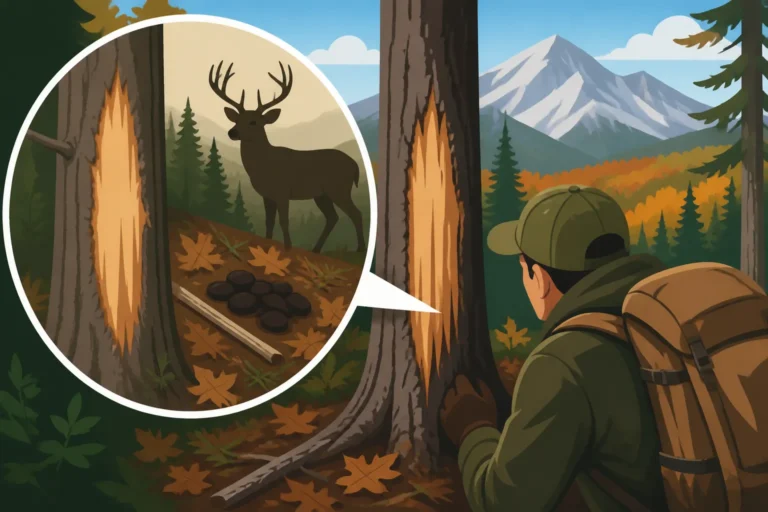
- Roosting areas: Look for tall pines or mature hardwoods on ridges or overlooking valleys. Droppings, feathers, and bark rub marks on trees can indicate a heavily used roost.
- Travel corridors: Turkeys will use benches, saddles, old logging roads, and field edges to move between feeding and roosting areas. Look for tracks and droppings along these paths.
- Sign: Keep an eye out for tracks, droppings (larger and more abundant in the fall), scratched leaves in feeding areas, and dusting bowls.
- Talking to landowners: If you have access to private land, talk to the landowner. They often see turkeys regularly and can provide invaluable information on their movements.
Using mapping tools like GoHunt during your pre-season scouting can help you log potential turkey locations, tracks, and droppings. You can mark specific oak stands, potential roost trees, and travel routes, creating a detailed plan for when the season opens. This is similar to how you might approach Scouting New Hampshire Public Land Before Season for deer, just tailored to turkey behavior.
Locating Birds During the Hunt
Even with excellent pre-season scouting, turkeys can move. During the actual shotgun-only week, you'll need active strategies to locate birds.
- Listen at dawn: Get to your hunting area well before first light and simply listen. While fall turkeys don't gobble, they will often tree-yelp, cluck, or purr on the roost. This can give away their position before they fly down.
- Owl or crow calls: While less effective than in spring, a sharp owl hoot or crow caw can sometimes elicit a shock gobble or a responsive cluck from a turkey.
- Glassing: If hunting open country or field edges, use binoculars to glass distant areas, looking for feeding flocks. Turkeys are large birds, and their movement can be spotted from afar.
- Walking and calling: As discussed with run-and-gun tactics, actively moving through prime habitat and periodically calling is a great way to strike up a conversation with a flock or isolated bird.
- Fresh sign: Always be on the lookout for fresh tracks, droppings, and scratching. This tells you birds have been in the area recently. A fresh dusting bowl is a particularly good sign.
Remember, patience is a virtue in fall turkey hunting. Sometimes the best strategy is to sit quietly in a known feeding area or travel corridor and let the birds come to you.
Safety and Ethics During the Shotgun-Only Season
Hunting is a privilege, and with it comes the profound responsibility to prioritize safety and ethical conduct. During the shotgun-only fall turkey week in New Hampshire, these considerations are no different.
Blaze Orange and Hunter Identification
New Hampshire has clear regulations regarding blaze orange. While turkey hunting generally doesn't require it during standalone seasons, you absolutely must check if any other big game firearms seasons (like deer) are open simultaneously in your WMU. For instance, if you are hunting turkeys in a WMU where the firearms deer season has begun, you would need to wear blaze orange. However, if it's strictly a turkey-only period, it may not be legally required, but it is always a good idea to consider wearing it when moving to and from your hunting location, especially on public land.
Even when not legally required, wearing a blaze orange hat or vest when walking in and out of your hunting spot, then stowing it once you're set up, is a smart practice. This helps other hunters identify you as a human, not a turkey or other game animal. Situational awareness is key; know what other seasons are open in your area and act accordingly.
Property Lines and Landowner Relations
New Hampshire is a state with a mix of public and private land, and respecting property boundaries is non-negotiable. Always know exactly where you are and whose land you're on. Using a reliable mapping app like GoHunt that shows property lines and public land boundaries is an absolute must. Nothing will end your hunting season faster, or damage the reputation of hunters more, than trespassing.
If you are hunting private land, ensure you have explicit permission from the landowner. Even if you've hunted it for years, a quick check-in before the season is always appreciated. Be a good ambassador for hunting: leave no trace, offer to share some of your harvest, and thank the landowner. Maintaining good landowner relations is vital for preserving hunting opportunities.
Ethical Shot Selection and Fair Chase
When hunting fall turkeys with a shotgun, ethical shot selection is paramount. Unlike deer hunting, where a body shot can be lethal, a turkey's vitals are small, and their feathers offer considerable protection. The goal is a clean head and neck shot, which ensures a quick, humane kill. This is why patterning your shotgun is so critical; you need a dense, consistent pattern in that head-neck region at your effective range.
Never shoot at a turkey beyond your proven ethical range. For most shotgun setups, this is typically 30-40 yards, though modern TSS loads can extend this a bit. If a bird is beyond that, let it walk. Waiting for a clear, close-range shot shows respect for the animal and minimizes the chance of wounding a bird. Always identify your target positively before shooting – ensure it is indeed a turkey, and that it is a legal bird (if any specific regulations apply to hens versus gobblers in the fall, though often both are legal). Fair chase principles dictate that we pursue game animals in a manner that gives them a reasonable chance of escape, and a well-placed, ethical shot is a key component of this.
| Fall Turkey Hunting Aspect | Spring Turkey Hunting Aspect |
|---|---|
| Primary Drive | Survival, food, regrouping |
| Flock Structure | Large family groups, bachelor flocks |
| Primary Calls Used | Kee-kee run, assembly yelps, soft clucks/purrs |
| Typical Tactics | Breaking up flocks, run-and-gun, ambushing food sources |
| Vocalizations | Less vocal, subtle responses |
| Bag Limit | Often one bird (check WMU) |
| Legal Weapons | Shotgun-only in this window, potentially archery earlier |
Disclaimer
Hunting is an inherently dangerous activity. This guide provides general information and recommendations. It is crucial to always consult the most current New Hampshire Fish and Game Department regulations, laws, and safety guidelines before engaging in any hunting activities. Stay safe, hunt ethically, and respect the land and wildlife.