Hunting Into the December Muzzleloader Close
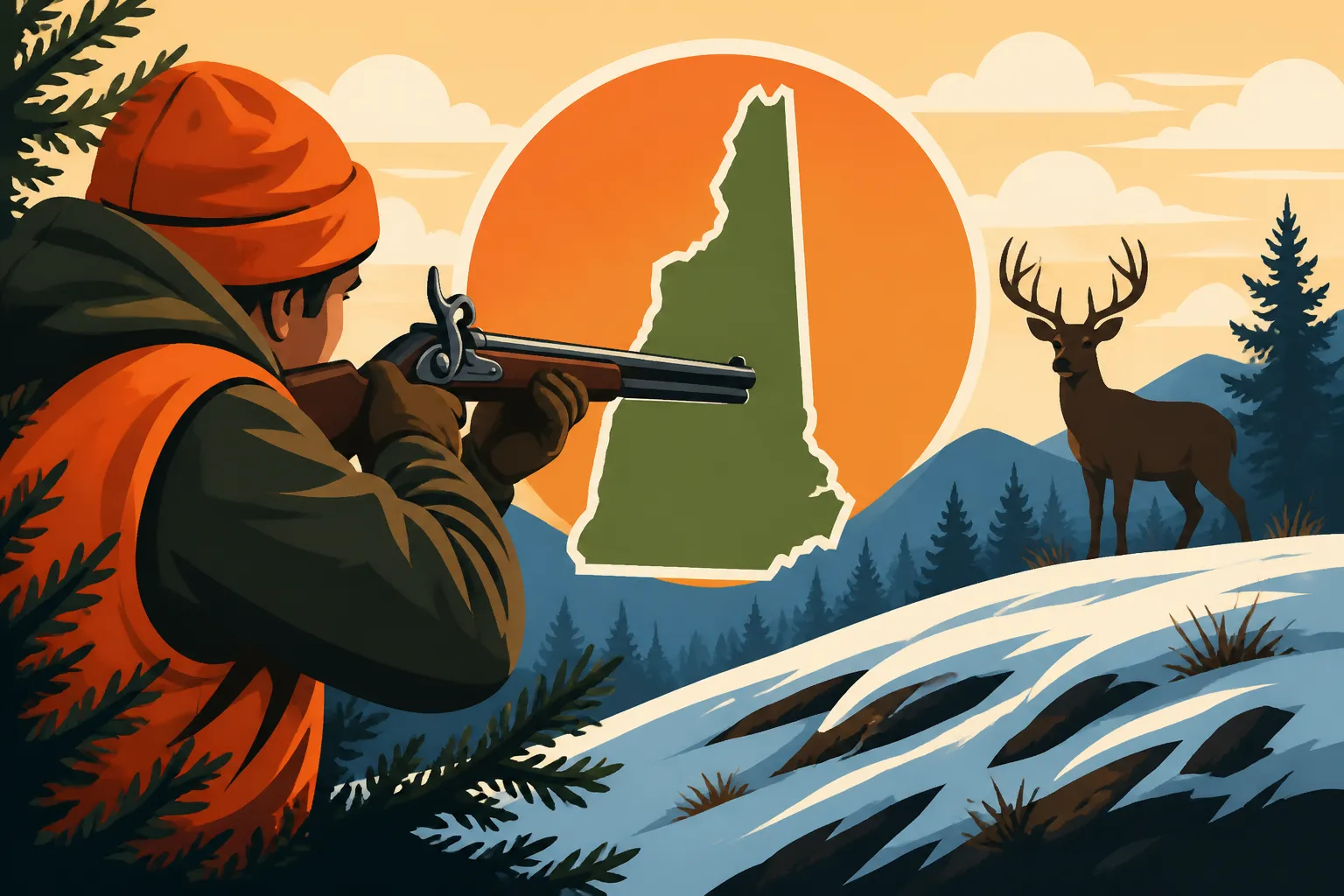
The end of the year in New Hampshire can feel like a deep freeze, and for many hunters, the deer season might seem long gone. But for those dedicated few, the December muzzleloader close offers a unique, challenging, and incredibly rewarding opportunity. If you’ve ever felt the sting of winter winds while wondering if there are any deer still moving, or if your traditional spots are now barren, this guide is for you. We're diving deep into how to navigate the cold, find late-season whitetails, and ultimately succeed during this often-overlooked period.
The Unique Landscape of December Muzzleloader Season
Hunting into December in New Hampshire isn't just about colder temperatures; it's about a completely different deer behavior pattern, a transformed landscape, and a test of your mental and physical fortitude. The deer have seen months of pressure, the landscape has shed its camouflage, and the elements demand respect.
Deer Behavior in Deep Winter
By the time December rolls around, deer in New Hampshire have been pushed, prodded, and pressured since early fall. Their survival instincts are at an all-time high, and their priorities have shifted dramatically. Forget the pre-rut cruising or rut-fueled daylight antics; December deer are focused almost entirely on two things: food and thermal cover.
As temperatures plummet and snow begins to accumulate, deer consolidate their ranges, often moving from scattered feeding areas into more concentrated wintering yards. These yards are typically found in dense stands of conifers like hemlock, spruce, or pine, which offer crucial thermal protection from biting winds and heavy snow. Understanding how to identify and hunt these areas is paramount. Deer will often bed down in these thickets during daylight hours, only venturing out during low light to browse. Their movements become highly predictable, often following established trails from bedding to feeding areas. If you've been focused on hardwood ridges and field edges all season, it's time to shift your perspective dramatically and start thinking about where deer would want to be when the mercury drops. Knowing how to read a White Mountain deer yard can give you a significant advantage.
Weathering the Late-Season Elements
December weather in New Hampshire is no joke. We're talking about single-digit temperatures, sub-zero wind chills, heavy snowfall, and often freezing rain. These conditions not only make hunting uncomfortable but can be genuinely dangerous if you're not prepared. Fingers and toes become numb quickly, exposed skin is vulnerable to frostbite, and visibility can drop to mere yards in a whiteout.
The challenges extend beyond personal discomfort. Snow can silence your footsteps, which is a blessing, but it can also make finding blood trails incredibly difficult. Ice on branches makes for noisy movements, and frozen ground can echo every step. Your gear, especially your muzzleloader, needs to be able to withstand these extremes without failing. The physical toll of slogging through deep snow is also considerable. It's not uncommon to walk a fraction of your usual distance and feel twice as tired. Hydration and nutrition become just as critical as your shot placement. This extreme environment requires a specialized approach to everything from your clothing system to your mental game.
Strategic Approaches for Late-Season Whitetails
Success in the December muzzleloader close isn't just about enduring the cold; it's about employing smart, tactical strategies tailored to the specific conditions and deer behavior of this unique window.
Locating Prime Winter Food Sources
With the majority of the mast crop either consumed or buried under snow, and most agricultural fields harvested, finding available food becomes the deer's primary driver. This scarcity makes remaining food sources absolute magnets for whitetails. Hardwood forests that still hold acorns or beechnuts, even if covered by a few inches of snow, can be goldmines. Deer will paw through snow to reach these valuable calories.
Beyond mast, deer shift heavily to browsing. Look for areas with young saplings, briar patches, and evergreen shrubs like hemlock or cedar. These provide vital nutrition that deer can access even with significant snow accumulation. Another key area to scout is any unharvested agricultural fields, particularly corn or brassicas, which are rare but incredibly productive if you find them. Even standing browse in clear-cuts or recent timber harvests can be a hotspot. Often, deer will feed heavily at first and last light, so concentrating your efforts during these periods in proximity to bedding areas is crucial. This is where understanding late-season food sources for New Hampshire whitetails really pays off.
| Food Source Type | Typical Location | Deer Behavior | Best Hunting Strategy |
|---|---|---|---|
| Remaining Mast | Hardwood ridges, oak/beech flats | Paw through snow | Morning/Evening sit near bedding |
| Young Browse | Clear-cuts, regenerating timber, briar thickets | Constant nibbling | Still-hunting, slow methodical pushes |
| Evergreen Browse | Hemlock/Cedar swamps, dense conifer stands | Thermal cover & emergency food | Still-hunting edges, tracking |
| Unharvested Ag Fields | Rare corn/brassica fields | Heavy feeding at low light | Stand hunting, ambush |
| Natural Springs/Seeps | Often snow-free patches | Source of water, sometimes green growth | Check regularly for fresh sign |
Targeting Deer Yards and Thermal Cover
As mentioned, deer yards are the lifeblood of whitetails in deep winter. These are areas of dense evergreen cover, often on south-facing slopes, that offer crucial protection from the elements. Deer will use these areas not just for bedding but also for travel corridors within the yard itself. The canopy prevents snow from accumulating too deeply, making movement easier, and the dense cover shields them from frigid winds.
Hunting these areas requires patience and stealth. Instead of charging in, identify the edges of these yards and look for entry and exit trails. Deer will often stage just inside the thermal cover before moving out to feed, or bed down quickly after returning from a feeding foray. A slow, methodical still-hunt along these edges, paying close attention to wind direction, can be incredibly effective. Consider how you might approach without spooking deer deeper into the thicket. Setting up a stand or ground blind on a well-used trail leading into or out of a yard, especially during low light, is another potent tactic. Understanding the nuances of Reading a White Mountain deer yard is key.
Still-Hunting and Tracking in Snow
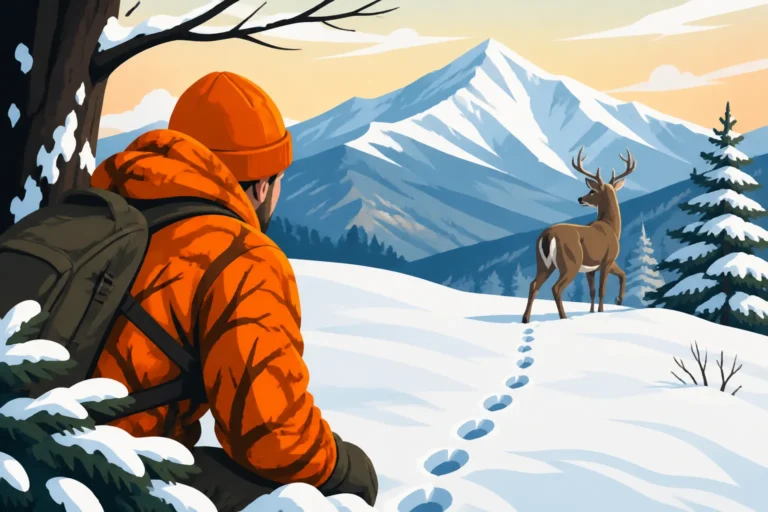
Fresh snow can be both a blessing and a curse. It silences your footsteps, allowing for incredibly quiet movement, but it also means every deer track you encounter could be just minutes old, raising your heart rate with every step. Still-hunting, a method of moving very slowly and pausing frequently to observe, truly shines in these conditions. Take a few steps, then stop and glass, scanning every shadow, every cluster of evergreens, for the tell-tale shape of a deer.
When tracking, focus on fresh sign. Look for clear, sharp tracks without snow accumulating in them, and pay attention to stride length, depth, and any accompanying droppings or rubs. If you jump a deer, often they won't run far in deep snow due to the energy expenditure. Follow cautiously, especially if it's a buck, as they might circle back or hold up in the first patch of thick cover. The ability to track a deer in fresh White Mountain snow can be a game-changer, turning a quiet walk into a high-stakes pursuit. Remember, slow and steady wins the race. Utilize your optics constantly; even a small flicker of an ear or the horizontal line of a deer's back against vertical trees can give them away.
Essential Gear and Preparedness
Hunting in December demands a higher level of preparation when it comes to your gear. The cold is unforgiving, and failure to prepare adequately can quickly turn a hunting trip into a survival situation.
Muzzleloader Maintenance for Cold Conditions
Your muzzleloader is your primary tool, and ensuring it functions flawlessly in freezing conditions is non-negotiable. Black powder and its substitutes can be sensitive to moisture and extreme cold. Before heading out, make sure your powder is kept in a dry, sealed container. Some hunters prefer to use pre-measured charges in speed loaders to minimize exposure to the elements in the field.
It's crucial to seal your percussion cap or primer area from moisture. Many hunters use a small piece of electrical tape or a balloon to cover the primer to prevent snow, ice, or freezing rain from disabling their firearm. Be mindful of lubricants; some oils can thicken and cause issues in extreme cold, so using a cold-weather specific lubricant is a smart move. Practice loading and shooting in the cold if possible, so you understand how your rifle performs. Familiarize yourself with the specifics of your firearm, and consider investing in the best muzzleloader for the ten-day season that can withstand the rigors of a New Hampshire winter. Always double-check New Hampshire Muzzleloader Equipment Requirements before heading afield.
Layering for Extreme Cold
This is perhaps the most critical aspect of late-season comfort and safety. You can't just throw on one big, thick coat and expect to stay warm and dry. A proper layering system allows you to regulate your body temperature as you exert yourself (walking through snow) and then sit still (on stand).
Start with a moisture-wicking base layer against your skin. This is paramount for pulling sweat away from your body, which can quickly lead to hypothermia if it freezes. Synthetic materials or merino wool are excellent choices. Next, add an insulating mid-layer, such as a fleece jacket or a puffy synthetic jacket. This layer traps warm air close to your body. Finally, your outer layer needs to be windproof and waterproof (or at least highly water-resistant) to protect you from the elements. Look for features like quiet fabrics, ample pockets, and a hood that can accommodate a hat. When you're packing, always bring an extra insulating layer in a dry bag. If you stop moving, your body temperature will drop rapidly, and having that extra warmth is a lifesaver. Brands like GoHunt often feature layering systems that are tried and true for brutal conditions, offering excellent guidance and products designed for hunters facing similar challenges. Remember, a good Layering for New Hampshire's Cold Hunting Season strategy is about adaptability.
| Layer Type | Material Examples | Function | Key Considerations |
|---|---|---|---|
| Base Layer | Merino wool, synthetic blends | Wicks moisture from skin | Avoid cotton; snug fit |
| Mid-Layer | Fleece, synthetic puffy | Insulation, traps heat | Multiple thinner layers better than one thick |
| Outer Layer | Windproof, waterproof shell | Protection from elements | Quiet fabric, durable, breathable |
| Headwear | Wool beanie, balaclava | Significant heat loss through head | Cover ears and neck |
| Gloves/Mittens | Insulated, waterproof | Dexterity vs. warmth | System for shooting vs. sitting |
| Socks | Merino wool, synthetic | Moisture wicking, cushioning | Layering socks, bring spares |
| Footwear | Insulated, waterproof boots | Warmth, dry feet | Sized for thick socks, good traction |
Navigation and Safety in Winter Woods
The serene beauty of a snow-covered New Hampshire forest can quickly become a disorienting maze, especially as daylight hours shrink. Reliable navigation tools are non-negotiable. A GPS unit or a robust mapping app on your phone (like the one from GoHunt, which often has excellent offline capabilities) is essential. Always carry a physical compass and a map as a backup, and know how to use them. Mark your truck, treestand, and any key landmarks. Snow can obscure trails and familiar features, making it easy to get turned around.
Beyond navigation, a comprehensive safety kit is crucial. This should include a first-aid kit with items for frostbite and hypothermia, a fire starter (waterproof matches, lighter, fire steel), a headlamp with extra batteries, an emergency shelter (space blanket or bivy sack), and high-calorie snacks. A satellite messenger or personal locator beacon can be a literal lifesaver in remote areas with no cell service. Let someone know exactly where you're going and when you expect to return. Hunting in these conditions is often a solo endeavor, so responsible self-reliance is paramount. Even if you're only planning a short hunt, the weather can change drastically in a few hours. A cold-weather sitting strategy in the North Country includes always being prepared for the unexpected.
Legalities and Post-Harvest Procedures
Even in the excitement of a successful late-season hunt, adhering to all regulations and proper post-harvest procedures is essential for a responsible hunter.
Understanding Season Dates and Reporting
New Hampshire's hunting seasons, especially for muzzleloader, can have very specific opening and closing dates, and these can sometimes vary by Wildlife Management Unit (WMU). It is your responsibility to consult the current New Hampshire Fish and Game digest or their official website to confirm the exact New Hampshire Muzzleloader Season Dates for your chosen WMU. Misinterpreting a date can lead to severe penalties.
Once you harvest a deer during the muzzleloader close, prompt and legal registration is required. New Hampshire has a system that allows hunters to register their deer online, which is a convenient option for many. However, be aware of any specific reporting deadlines or requirements, especially if you harvest a deer close to the season's final hours. Always ensure you are following the rules for Registering a New Hampshire deer online or at an authorized check station.
Ethical Tracking and Recovery
Tracking a deer in fresh snow can be a joy, making it easier to follow a blood trail. However, in freezing temperatures, a blood trail can quickly become obscured by fresh snowfall, or simply freeze and become less visible. This demands extreme patience and diligence. If you make a shot and aren't immediately confident in the deer's location, give the animal time. In cold weather, deer can expire more quickly, but they can also stiffen up and travel further than you might expect.
Mark your last blood, and if possible, bring a friend or two to help with the track. Grid searches in thick cover can be effective. If the blood trail peters out or it starts to snow heavily, don't give up. Return with a fresh mind and perhaps more daylight. Recovering a deer from a beaver flowage or a dense swamp in freezing temperatures presents its own set of challenges, requiring careful planning and sometimes specialized equipment to retrieve your game safely and ethically. Never assume a deer is simply gone; every effort should be made to recover any animal you shoot.
Disclaimer
Please note: Hunting regulations, season dates, and licensing requirements can change. Always consult the most current New Hampshire Fish and Game Department regulations before planning any hunting trip. This guide is for informational purposes only and does not supersede official state regulations.