Hunting a Beaver Flowage Edge at Dusk
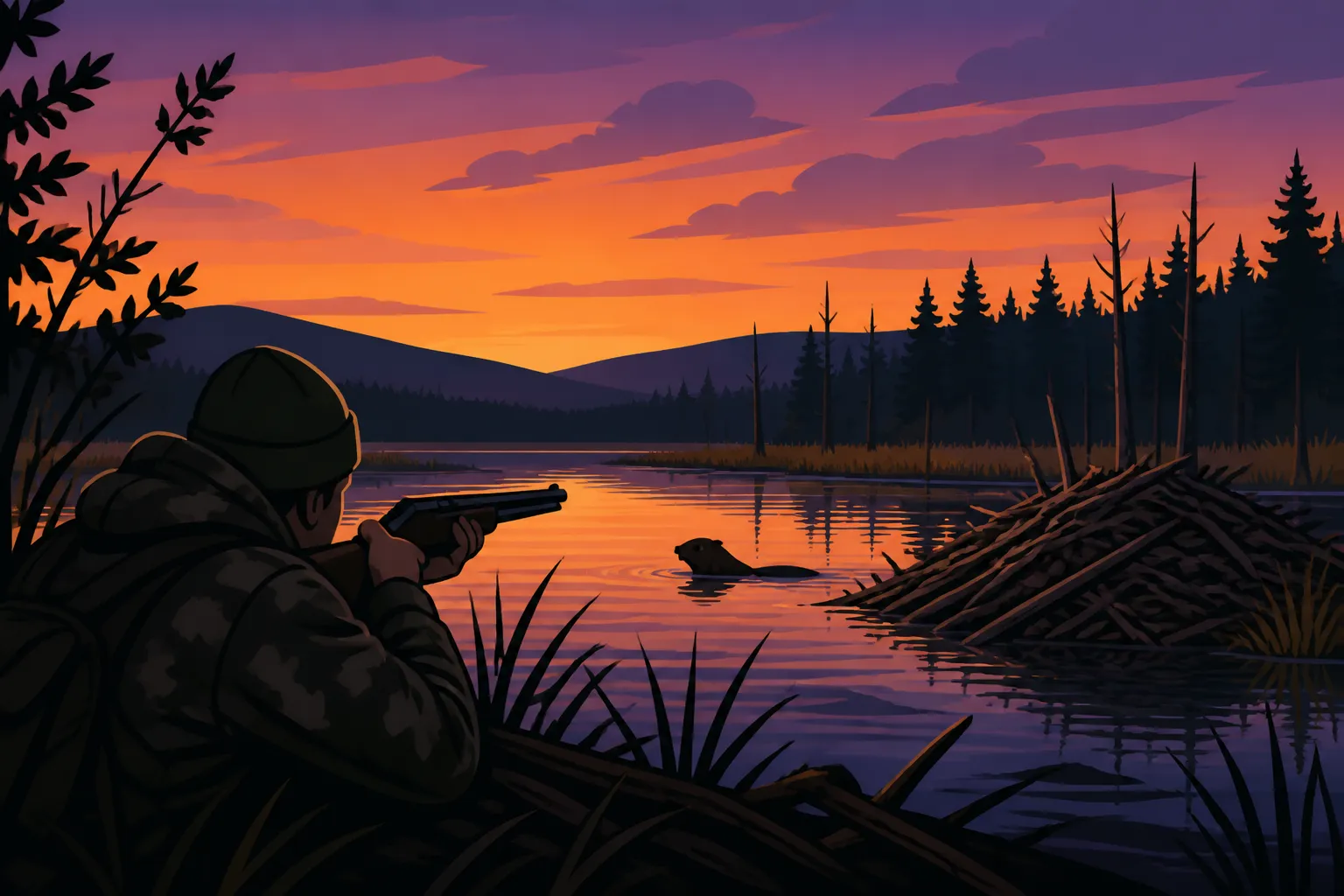
Hunting the edge of a beaver flowage at dusk in New Hampshire can be one of the most frustrating, yet incredibly rewarding, experiences for a deer hunter. Many hunters struggle with pinpointing deer movement in these unique, ever-changing wetland habitats, especially as legal shooting light fades. This comprehensive guide will walk you through the precise strategies for successfully targeting whitetails as they emerge into these prime feeding and staging areas just before dark.
Understanding Beaver Flowage Dynamics and Deer Movement
Beaver flowages are more than just flooded woods; they are dynamic ecosystems constantly reshaped by the industrious work of beavers. These areas create unique microclimates and habitat features that whitetail deer find incredibly attractive, especially during the fall hunting season. Understanding these dynamics is crucial for any hunter hoping to capitalize on the rich opportunities they present.
Why Deer are Drawn to Beaver Flowages
Deer are attracted to beaver flowages for a multitude of reasons, making them consistent hotspots if you know what to look for. Firstly, the flooding action kills off mature trees, leading to an explosion of young, succulent regrowth around the edges and within pockets of drier ground. Think of it as a natural clear-cut, providing a buffet of browse like red maple, willow, and aspen saplings—all high-energy food sources for whitetails bulking up for winter or recovering from the rut. Secondly, the dense, low-growing vegetation that thrives in these disturbed areas offers exceptional thermal cover and security. Deer often bed down in the thickets adjacent to flowages, feeling safe from predators and the elements. This thick cover means they don't have far to travel for a meal when dusk approaches. Lastly, the water itself can act as a barrier, funnelling deer movement along specific, drier edges or through narrow crossings. These pinch points are goldmines for setting up an ambush.
The Impact of Water Levels and Habitat Changes
The ever-fluctuating water levels in a beaver flowage dictate much of the deer's behavior and access to food and cover. A newly flooded area might create vast expanses of standing water, pushing deer to higher ground and concentrating them on specific, drier points or islands within the flowage. These newly formed "islands" or high spots can become temporary bedding areas or staging points where deer feel secure. Conversely, a drop in water levels, perhaps due to a broken dam or dry spell, can expose new pockets of browse and firm ground, instantly creating new travel corridors and feeding zones. It’s like a constantly shifting puzzle. What was a travel corridor last week might be underwater now, or vice versa. This means that a static scouting approach won't cut it; you need to be adaptive. The changes in habitat also impact other species, drawing in new food sources for deer or creating new escape routes. Pay attention to how the beavers themselves are working—new dams or breaches can drastically alter the landscape overnight.
Scouting and Setup for a Dusk Hunt
Effective scouting is the bedrock of success when hunting beaver flowages, especially for those critical dusk movements. These environments are dynamic, constantly changing, and what was a hot spot last week might be barren this week. You need a systematic approach to identify current deer activity and strategically place yourself for that prime low-light shot opportunity.
Pre-Season Reconnaissance and Sign Reading
Before you even think about setting up a stand, you need to put in serious legwork. Start your scouting long before the season opens, ideally in late summer or early fall. Utilize tools like mapping apps, such as those offered by GoHunt, to identify potential flowage areas on public land in New Hampshire. Look for the tell-tale signs: flooded timber, beaver dams, and intricate water patterns. Once on the ground, focus on the edges of these flowages. Deer will inevitably use the firmest, driest ground to skirt the water. Look for well-worn deer trails running parallel to the water's edge. These trails are your primary indicators of travel. Don't just look for tracks; search for droppings, rub lines on saplings, and fresh scrapes, especially as the rut approaches. A heavily used trail with fresh droppings is a strong indicator of active movement. Pay particular attention to where these trails intersect with thicker cover or transition into known bedding areas. These transition zones are often where deer will stage before stepping out into more open areas to feed at dusk. If you notice an absence of fresh sign on a previously active trail, it’s a cue that water levels or food sources might have shifted, requiring you to adapt your strategy and search for new patterns. Knowing how to read New Hampshire mud for fresh deer movement can provide invaluable, real-time intelligence.
Optimizing Your Approach and Stand Placement
Your approach to the stand is just as critical as the stand's location, particularly for a dusk hunt when deer are most alert. Always plan your entry route to minimize disturbance and keep the wind in your favor. Approach from downwind, using natural cover like thick timber or elevated ridges to mask your movement. Avoid walking directly through potential bedding or staging areas. For stand placement, focus on those natural funnels created by the flowage. Look for narrow strips of high ground, slight rises, or timbered fingers that extend into the wetland. These are the natural highways deer will use. A common mistake is setting up too close to the water's edge if the wind swirls, which it often does over water. Instead, position your stand 20-40 yards back from the edge, within the timber, giving you a wider view of the travel corridor and the ability to catch deer as they move along the edge or just before they step out into any openings. Remember, deer are often using the thicker cover adjacent to the flowage for security before committing to more open areas. Consider setting up a ground blind on public land if tree stand options are limited or if the cover offers a perfect natural setup. For example, if you're hunting in a particularly rocky area of the White Mountains, finding a suitable tree might be difficult, and a well-brushed-in ground blind could be your best bet, especially if you've already found some consistent travel corridors. Mapping tools, especially those that offer topographical overlays like GoHunt, are invaluable here for identifying these subtle elevation changes and strategic pinch points. When scouting with your GoHunt app, mark potential stand sites and plan multiple entry/exit routes to accommodate different wind directions.
Mastering the Dusk Hunt Strategy
Dusk hunting along a beaver flowage edge demands patience, stealth, and a keen understanding of how the fading light influences deer behavior. It's a game of minimizing intrusion while maximizing your chances during a brief, intense window of opportunity.
Timing Your Arrival and Departure
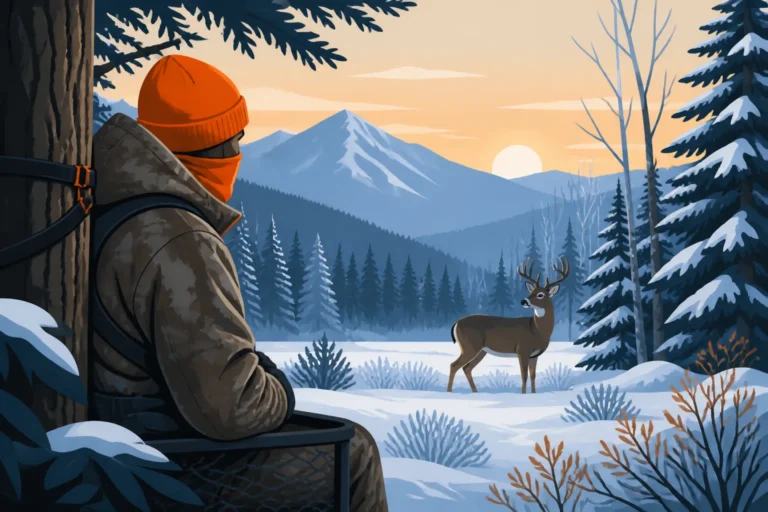
The "dusk" portion of a hunt isn't just the last 30 minutes; it encompasses the entire period leading up to and slightly past legal shooting light. For a beaver flowage, you want to be settled in your stand at least 2-3 hours before sunset. This early arrival allows the woods to settle down after your approach and gives deer time to begin their evening movements. They might already be moving from their daytime bedding areas towards these staging grounds along the flowage edge. Arriving early also gives you ample time to scan the area, identify any new sign, and mentally prepare for the hunt. As for departure, this is where many hunters make critical mistakes. Rushing out immediately after legal shooting light can spook deer that might still be moving or staging nearby, ruining future hunts. If you don't get a shot, wait at least 15-30 minutes after legal shooting light fades completely. Use a quality headlamp with a red-light option to navigate out quietly and safely. If you do make a shot, the departure strategy changes significantly, and you'll need to consider a potential blood trailing after dark in New Hampshire. Often, if the shot felt marginal, it's better to back out and return in the morning to allow the deer to expire and stiffen up.
Adapting to Wind and Thermals
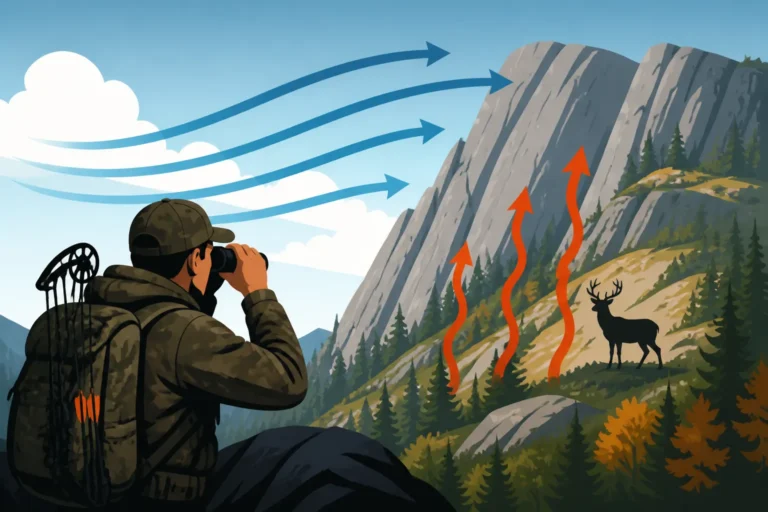
Wind and thermals are your biggest allies or worst enemies when hunting a beaver flowage, especially at dusk. Over water and in low-lying areas, winds can be notoriously fickle, swirling and changing direction unpredictably. As the sun sets, thermals typically begin to drop, pulling your scent downward into the flowage. However, if there's any remaining warmth from the day's sun on higher ground or specific structures, localized updrafts can still occur. Always play the wind, but be prepared for it to shift. Use a milkweed puff or a quality wind checker consistently throughout your sit. Your primary goal is to keep your scent from blowing across known deer travel corridors or bedding areas. If the wind is consistently wrong for your chosen setup, don't force it. Have alternative stand locations or be prepared to relocate. Sometimes, even moving 50 yards can make all the difference. Understanding wind and thermals in steep granite terrain, which is common in many parts of New Hampshire, further complicates things. A thermal that drops down a ravine can be deflected or funneled differently by a beaver flowage at the bottom. The key is constant vigilance and a willingness to adjust.
Post-Shot Strategy and Recovery
Making a successful shot at dusk on the edge of a beaver flowage presents unique challenges for recovery. Low light conditions, dense cover, and the presence of water demand a careful and methodical approach. After the shot, focus on marking the exact spot the deer was standing when hit, as well as its direction of travel. Use landmarks – a specific tree, a rock, or a bend in the flowage – to orient yourself. Listen for crashing, then silence, which often indicates the deer went down quickly. If the deer runs, resist the urge to immediately jump out of your stand. Give the animal time. For what you believe was a good shot, wait at least 30 minutes to an hour. For a questionable shot, it’s often best to wait several hours, or even until morning, especially if the temperature allows for it. Recovering a deer from a beaver flowage can be difficult and even dangerous. Water makes blood trailing challenging, as it washes away sign. If the deer enters the water, wading through cold, murky water, or even a deep bog, adds significant risk. Always inform someone of your hunting location and estimated return time. Consider bringing appropriate gear for recovery, such as waders or a small, inflatable sled for dragging, especially if you anticipate having to cross water or soft ground. Knowing where New Hampshire bucks bed in thick cover can also aid in predicting where they might try to escape or expire. If you anticipate a difficult recovery, having a plan in place, and even a friend on standby, can make all the difference.
Disclaimer
Please note: Hunting regulations and seasons can change. Always consult the most current New Hampshire Fish and Game Department regulations before planning any hunting trip. This guide is for informational purposes only and does not supersede state laws or official directives.