Hunting the Two-Bearded-Bird Spring Limit
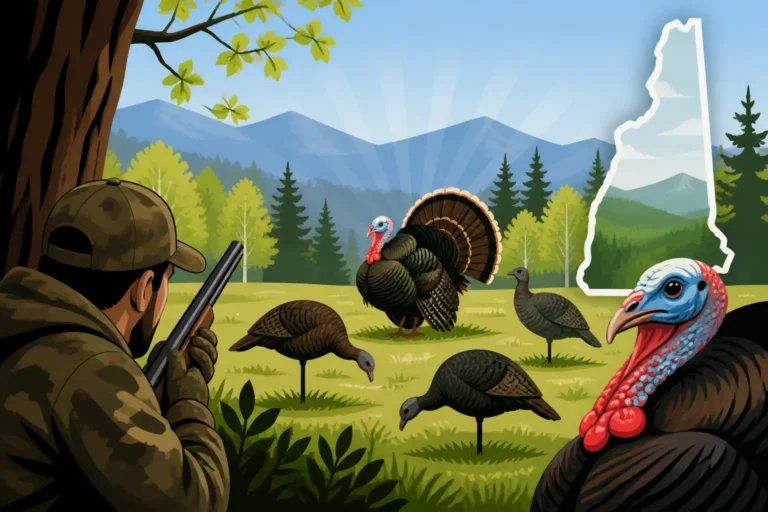
The pursuit of a second bearded bird during New Hampshire's spring turkey season is a goal many hunters strive for, yet it can often feel like an elusive prize. Between fickle weather, educated gobblers, and the sheer challenge of being in the right place at the right time, filling that second tag often requires a whole new level of strategy and perseverance. This guide is dedicated to breaking down the realities of hunting for the two-bearded-bird limit, offering practical, in-depth advice to help you maximize your opportunities and achieve success in the Granite State's challenging spring woods.
Understanding New Hampshire's Spring Turkey Regulations
Before you even think about calling in that first gobbler, much less your second, it's absolutely crucial to have a rock-solid understanding of New Hampshire's spring turkey hunting regulations. These rules are in place not just for safety, but to manage our wild turkey population effectively, ensuring future generations can enjoy the same opportunities we do. Misinterpretations can lead to citations, or worse, an unethical hunt.
The Two-Bearded-Bird Limit Explained
New Hampshire proudly offers hunters the chance to harvest two bearded turkeys during the spring season. This generous limit sets us apart from many other states and provides a fantastic opportunity for dedicated turkey hunters. It’s important to clarify that "bearded turkey" typically means a tom or a jake, though hens can sometimes grow beards. What matters is the beard itself, not the sex of the bird. This limit is statewide, meaning you can take two birds anywhere in the state, as long as the season is open in that specific Wildlife Management Unit (WMU) where you're hunting.
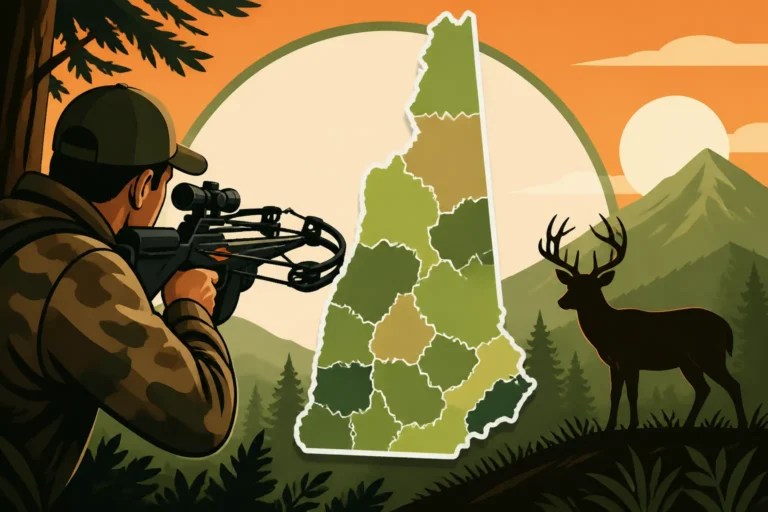
However, there's a critical nuance regarding season dates. While the statewide spring turkey season generally runs throughout May, certain WMUs have different closing dates. For example, WMU A, which covers a significant portion of the North Country, typically closes earlier in the month, often around mid-May. If you harvest a bird in WMU A during its open period, and then wish to pursue a second bird, you'd need to shift your hunting efforts to a WMU with a later closing date. This means carefully checking the New Hampshire Spring Turkey Season Dates each year. Understanding these specific dates and how they apply to different regions is paramount to effectively plan for Hunting New Hampshire's Two-Bird Spring Limit throughout the entire spring.
Essential Permits and Reporting Requirements
Beyond your general hunting license, you'll need a specific New Hampshire Spring Turkey Permit to hunt wild turkeys. This permit is an additional purchase, and it's your legal authority to pursue these magnificent birds. Remember, you can't just head out with your base license; the turkey permit is mandatory.
Once you’ve successfully harvested a bearded turkey, the job isn't quite done. New Hampshire has strict reporting requirements, and neglecting them can lead to serious consequences. You are required to register your bird within 24 hours of harvest. This can often be done online through the New Hampshire Fish and Game Department's website or app, or at a designated check station. The process is straightforward: you'll provide details about your harvest, including the date, time, WMU, and weapon used. This data is vital for wildlife biologists to monitor turkey populations and make informed management decisions. Don’t wait until the last minute, especially if you’re hunting remotely. Ensure you have cell service or a plan to get to a registration point promptly. For more details on this process, check out the information on New Hampshire Turkey Checking Requirements.
Here's a quick look at the typical spring turkey season dates and bag limits to help you plan your hunts:
| WMU Group | Spring Season Dates | Legal Birds | Statewide Bag Limit (Spring) | Key Considerations |
|---|---|---|---|---|
| WMU A | May 1 – May 15 | Bearded Turkey | 2 bearded birds (statewide maximum) | Shorter season; plan to hunt other WMUs for a second bird |
| WMUs B-M | May 1 – May 31 | Bearded Turkey | 2 bearded birds (statewide maximum) | Full month to pursue both birds across these zones |
Always consult the most current New Hampshire Hunting Digest for precise dates and regulations before heading afield.
Strategic Scouting and Calling for Your Double Opportunity
Filling one turkey tag is a fantastic achievement; filling two requires a methodical approach to scouting and a nuanced understanding of calling. You can't just stumble into a second bird. It demands proactive effort and the ability to adapt.
Pre-Season Reconnaissance: Setting the Stage
The work for your second bird often begins long before opening day. Effective pre-season scouting is about understanding turkey movement patterns, roosting habits, and food sources across a wider area. Think of it as building a robust database of potential turkey locations.
Start by poring over topo maps and aerial imagery. Look for features that turkeys favor: large stands of mature hardwoods for roosting, open fields or logging clearings for feeding and strutting, and natural pinch points or travel corridors between these areas. Platforms like GoHunt offer excellent mapping tools that can help you identify these key areas from your computer or phone. Pay attention to changes in elevation, water sources, and areas with diverse habitat. These are often indicators of where you'll find birds throughout the season.
Once you have some potential spots identified, hit the woods. This is where you confirm your theories. Look for tracks, droppings (larger and looser for gobblers), strut marks, and primary dusting bowls. Listen for gobbling at dawn and dusk. Drive rural roads just before light to hear birds sounding off from their roosts. Pinpoint specific roost trees if possible, as birds will often return to the same general area. By knowing where birds are, and where they aren't, you can save valuable hunting time once the season opens. If you're focusing on specific properties, understanding New Hampshire Turkey Roost Tree Preferences can give you a significant edge in planning your morning approach.
Adapting Your Calling Strategy for a Second Bird
Successfully calling in a second bird often requires a more refined and adaptable calling strategy than your first. The first bird might have come in hot to aggressive calling, but the second might be more wary, having heard hunters' calls for weeks.
For your initial bird, you might start strong, trying to locate a gobbler by using loud, attention-grabbing locator calls like an owl hoot or a crow call before dawn. Once a bird answers, you can move in, get set up, and begin a more conversational series of yelps, clucks, and purrs to entice him. However, as the season progresses and birds become more "educated," you might need to scale back. Often, less is more for that second bird. Try subtle clucks and purrs, mimicking a contented hen, especially if you're set up on a strut zone or feeding area. Sometimes, simply letting out a soft tree yelp from your roost setup and then going silent can pique a gobbler's curiosity enough to investigate.
If you're hunting later in the season, when many birds have been called to repeatedly, consider employing different tactics like "running and gunning" if public land allows, or more patient, ambush-style hunting. Learn when to be aggressive and when to be quiet. Understanding Calling a May Gobbler Off the Roost can give you an edge, as it focuses on those crucial early morning moments when birds are most vulnerable. For more on decoys, remember that Decoy Placement for Pressured Spring Birds is key – sometimes a single hen decoy or even no decoy is better than an elaborate spread for a wary tom.
Tactical Approaches: Public Land vs. Private Land
The landscape of New Hampshire offers both vast public tracts and numerous private holdings, each presenting unique challenges and opportunities for pursuing your two-bird limit. Your approach will need to be tailored to the specific type of land you're hunting.
Overcoming Public Land Pressures
Hunting public land in New Hampshire, such as sections of the White Mountain National Forest or state Wildlife Management Areas (WMAs), can be incredibly rewarding. However, it often comes with increased hunting pressure. Early in the season, popular areas might be crawling with other hunters, making your second bird even harder to come by.
The key to success on public land is often to go where others aren't willing to go. This means hiking farther, exploring steeper terrain, or finding those overlooked pockets of habitat. Don't be afraid to put in the miles. Utilize your GoHunt app or other mapping tools to identify remote ridges, deep ravines, or swamp edges that might deter less determined hunters. These hidden gems often hold unpressured birds. Learn how to read aerial photos for these subtle features, as covered in topics like Hunting a Granite Ridge Saddle or Reading Aerial Photos for North Country Deer.
Another strategy is to vary your hunting times. While most hunters are out at dawn, a mid-day or late-afternoon hunt can be surprisingly effective for your second bird. Many gobblers become receptive to calling again later in the day, especially if they've been bumped off their morning routine by other hunters. Patience and persistence are your best friends on public ground. Knowing how to Find Ground Others Walk Past is a skill honed over seasons, and it's essential for consistent public land success.
Maximizing Private Land Opportunities
If you're fortunate enough to have access to private land, either your own or through permission, you often have a distinct advantage in pursuing your second bird. Reduced pressure typically means birds are less wary and more responsive to calling. However, success on private land still requires thoughtful strategy.
First and foremost, always respect landowner wishes. Build a strong relationship, and communicate your hunting plans clearly. This ensures continued access and goodwill. On private tracts, you might have the luxury of setting up more permanent blinds or strategically placing trail cameras to monitor turkey movement without disturbing them. You can also implement habitat improvements that benefit turkeys, like planting food plots or maintaining strutting areas, increasing the likelihood of holding birds on your property.
For your second bird on private land, consider how your presence for the first bird might have affected other turkeys. Did you bump a satellite gobbler? Did a group of hens get pushed into a different woodlot? Use your knowledge of the property to anticipate their movements. You might find success by targeting a different section of the property or focusing on areas that see less activity. Often, private land allows for more flexible hunting hours and less competition, which can be critical when trying to fill that second tag. Remember to secure permission properly; topics like Do You Need Written Permission in New Hampshire? can provide good guidance.
Sealing the Deal: Ethical Harvest and Follow-Up
The moment of truth for your second bird requires composure, ethical shooting practices, and meticulous follow-up to ensure a successful and respectful harvest.
Ethical Shot Placement and Weapon Choices
When a gobbler comes into range, the excitement is palpable, but it's crucial to focus on ethical shot placement. For turkeys, the ideal shot is to the head and neck. This area, when hit squarely, results in an instant, humane kill. The vitals (lungs and heart) are relatively small and protected by wings, making them a less reliable target, especially with a shotgun. Aiming for the head minimizes suffering and ensures you don't wound a bird that then runs off, making recovery difficult.
Most New Hampshire turkey hunters use shotguns, typically 12-gauge or 20-gauge, loaded with heavy turkey loads and a tight choke. These setups deliver a dense pattern of pellets to the head/neck area. Practice shooting your turkey gun at a turkey target before the season to understand your pattern at various ranges. Know your effective range and stick to it. Don't push a shot if the bird is too far, or if its head is obscured. Patience is a virtue, especially when you're looking for that second bird. For those considering other options, it’s worth noting that New Hampshire Legal Firearms for Deer Hunting covers deer, but for turkeys, shotguns are overwhelmingly popular.
Crossbows and vertical bows are also legal during the spring archery season in New Hampshire. If using archery equipment, broadhead choice and shot placement become even more critical. Aim for the vitals, making sure to get a clear, unobstructed shot. This requires even closer ranges and greater precision.
Recovery and Field Care
Once you've taken your shot and the bird is down, don't rush in immediately. Watch the bird carefully. Turkeys can sometimes flop around for a bit, and a premature approach might scare a "dead" bird into running off. Wait a few moments, reload your gun, and then approach cautiously, keeping your gun ready.
Upon confirming the bird is expired, the first step is to tag your turkey immediately with your permit. Fill out all the required information, attach it to the bird, and ensure it's secure. This is a legal requirement in New Hampshire. Next, if temperatures are warm, it's wise to begin field dressing your bird to cool the meat quickly. Removing the entrails helps prevent spoilage, especially if you have a long walk out of the woods. You can also pluck the breast feathers and remove the breast meat in the field if you prefer, significantly reducing the weight you need to carry. Ensure you keep the beard and legs with spurs attached for identification during registration, if required by law.
After field dressing, protect the meat. Place the bird in a game bag or a cool, breathable container. Avoid plastic bags that trap heat. Get your bird home and into a cooler with ice, or refrigerated, as soon as possible. Proper field care is essential not just for ethics, but also to ensure you have delicious wild turkey to enjoy after all your hard work.
Final Thoughts
Achieving the two-bearded-bird spring limit in New Hampshire is a testament to a hunter's skill, patience, and dedication. It’s never easy, and there will be days when the turkeys win, despite your best efforts. But by understanding the regulations, putting in the pre-season work, refining your calling techniques, and adapting to different land types, you significantly increase your odds. Remember to hunt safely, ethically, and always respect the game and the land. The journey to filling that second tag is often as rewarding as the harvest itself.
Disclaimer
Please remember that hunting regulations are subject to change. Always consult the most current New Hampshire Fish and Game Department hunting digest or website for the official and most up-to-date rules and regulations before planning your hunt.