New Hampshire Snowshoe Hare Season Dates
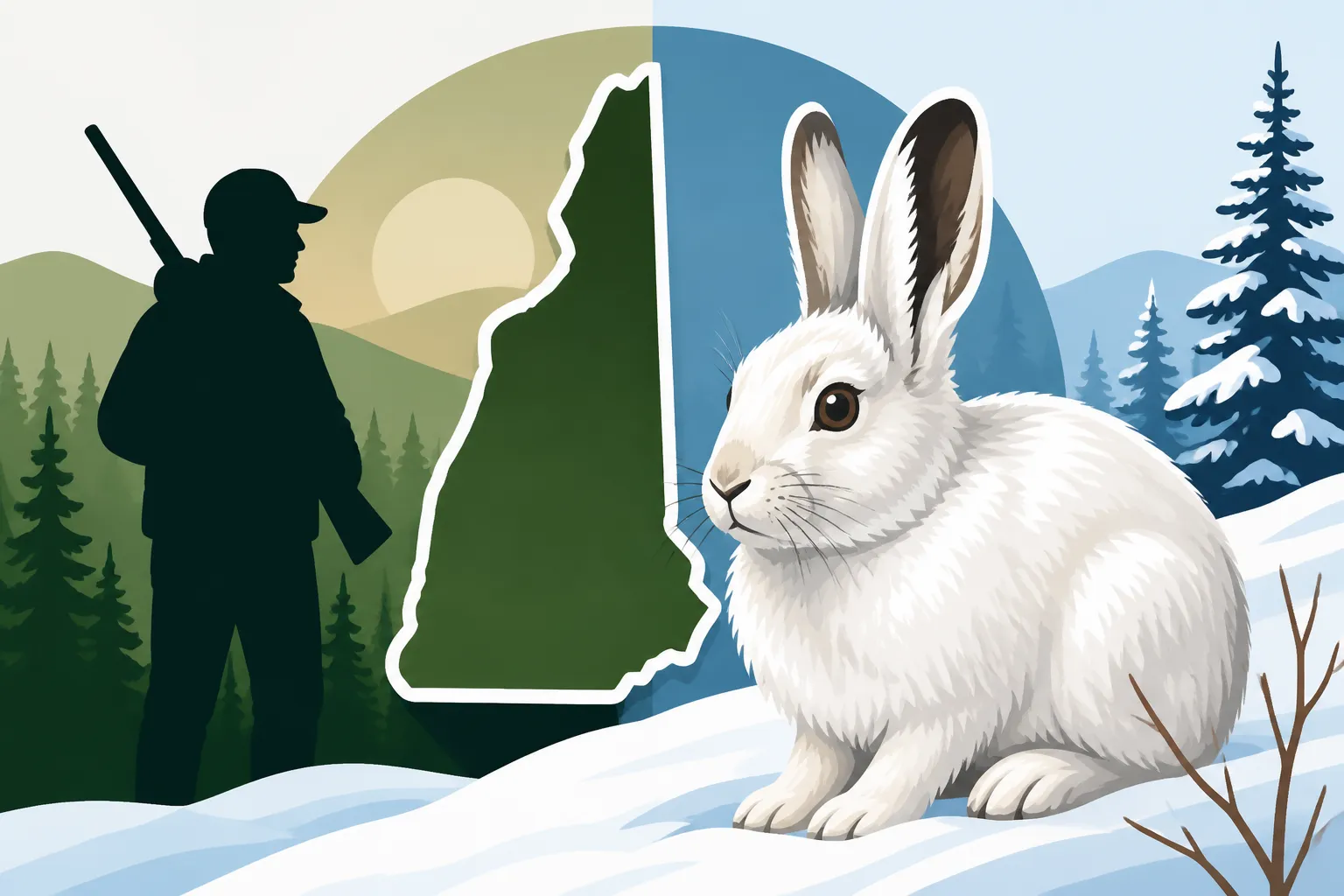
There’s nothing quite like a crisp winter day in the New Hampshire woods, the fresh snow crunching underfoot, the eager yelps of beagles echoing through the pines, or the sudden flush of a snowshoe hare as it breaks cover. But before you even think about loading your shotgun or unleashing your hounds, you absolutely need to nail down those season dates. It can be incredibly frustrating to gear up, only to find you've misread a regulation or missed a crucial detail. This comprehensive guide is here to clear up all the confusion, laying out the New Hampshire snowshoe hare season dates and providing all the critical information you need for a successful and compliant hunt.
Understanding New Hampshire's Snowshoe Hare Season
Hunting snowshoe hare in New Hampshire is a cherished tradition for many, offering a fantastic opportunity to get out in the woods during the colder months when other seasons might be closed. But like all hunting, it comes with specific rules and dates designed to manage the population and ensure a sustainable resource for future generations. Knowing these dates inside and out is your first and most important step.
Statewide Season Dates and Key Details
For snowshoe hare, New Hampshire Fish and Game typically sets a generous, statewide season. The season usually opens in October and runs all the way through March, often coinciding with the presence of significant snow cover, which is precisely when snowshoe hare are at their most iconic and challenging to hunt due to their white winter coats.
Generally, the season for snowshoe hare kicks off on October 1st and extends through March 31st of the following year. This long window offers ample opportunity for hunters, whether you prefer the early fall woods before the deep snows, or the crunch of late-winter ice underfoot. The daily bag limit for snowshoe hare in New Hampshire is usually 3 animals per hunter, and the possession limit is 6 animals. This means you can harvest up to three in a single day, and you can have up to six in your possession at any given time, including those at home in your freezer. It’s always critical to double-check the current year’s New Hampshire Hunting Digest for any specific changes, as regulations can occasionally be adjusted. These dates are consistent across all of New Hampshire, meaning you don't have to worry about different WMU (Wildlife Management Unit) dates like you might for deer or bear. You can truly explore the state’s diverse small game habitat from the Seacoast to the North Country with the same calendar in mind. For a broader look at what other small game opportunities exist, check out our guide on Small Game and Predator Hunting in New Hampshire.
Why These Dates Matter for Hare Hunters
The timing of the snowshoe hare season is no accident; it’s carefully planned to align with the species' natural biology and behavior, providing the best hunting opportunities while ensuring conservation. The season opening in October means you can hunt hares before their iconic coat change is complete. In early fall, hares are still largely brown, blending into the leaf litter and undergrowth. This can make them incredibly challenging to spot without a good dog.
As the season progresses into November and December, the hares begin to transition to their brilliant white winter coats. This camouflage is superb against deep snow, but if there's no snow on the ground, a white hare stands out like a beacon against brown leaves or dark timber. This "white hare on brown ground" scenario can offer unique hunting conditions. The long season, stretching into March, also means you can pursue hares throughout the peak of winter, often when the snow is deepest, and their white coats are most effective. This is typically when beagle enthusiasts hit the woods, as deep snow helps contain the hares' running circles and provides excellent tracking conditions. Being mindful of these natural cycles helps you plan your hunts for optimal success, whether you’re looking for a challenge without snow or an easy trail to follow after a fresh snowfall. When planning your trips, a mapping and information platform like GoHunt can be invaluable for cross-referencing season dates with local weather patterns and snow reports, helping you predict the best hunting days.
Important Regulations Beyond the Dates
Beyond just knowing when you can hunt, it's equally crucial to understand how and where you can hunt snowshoe hare legally in New Hampshire. First and foremost, you need a valid New Hampshire hunting license. This isn't just a suggestion; it's the law. Whether you're a resident or a non-resident, you'll need to purchase the appropriate license before heading afield. We have a detailed guide on New Hampshire Hunting Licenses and What They Cost that can walk you through the options.
For snowshoe hare, legal methods of take generally include firearms (like shotguns or small-caliber rifles such as a .22LR), archery equipment, and the use of trained hunting dogs, particularly beagles, which are synonymous with hare hunting. While dogs are a popular and effective method, ensure you understand the specific regulations regarding their use, especially on public lands or near populated areas. There are also specific blaze orange requirements in New Hampshire. During any open firearm deer season (which overlaps with much of the hare season), all hunters are required to wear blaze orange. Even outside of deer season, or when hunting with archery equipment, wearing blaze orange is a smart safety practice to ensure you are highly visible to other hunters, especially when moving through dense cover where hares live. Always err on the side of safety and visibility.
Tactics for Hunting Snowshoe Hare During the Season
Once you've got the dates and regulations down, it's time to think about putting some meat in the freezer, or at least enjoying the chase. Snowshoe hare hunting, whether with dogs or by still-hunting, requires specific tactics to increase your chances of success.
Reading the Snow and Hare Behavior
Snow is perhaps the snowshoe hare hunter's greatest ally. Fresh snow provides a canvas for tracks, telling you exactly where hares are moving, feeding, and bedding. When a fresh blanket of snow falls, it's the perfect time to hit the woods. Look for distinct hare tracks – larger than a rabbit's, with the hind feet often landing in front of the front feet as they bound. Following these tracks can lead you directly to where a hare is holed up, often under a downed log, in a thicket, or beneath the snow. Deeper snow tends to keep hares in more localized areas, as it's harder for them to move long distances.
The hare's unique adaptation of changing its coat from mottled brown in summer to pure white in winter is fascinating and directly impacts hunting strategy. Early in the season, when snow is scarce, hares in transition can be tricky; a partially white hare against a brown background is highly visible. As winter deepens and the landscape turns uniformly white, their camouflage becomes almost perfect. This is where still-hunting becomes a game of extreme patience and keen observation, or where the scent-tracking ability of a beagle truly shines. Hares are largely nocturnal, so while you can certainly find them during the day, early morning or late afternoon can often be productive as they move between bedding and feeding areas. Understanding these nuances can greatly improve your odds. Dive deeper into the species' characteristics with our Snowshoe Hare in New Hampshire article.
Popular Hunting Methods and Equipment
There are two primary methods for hunting snowshoe hare in New Hampshire: still-hunting and hunting with beagles. Both offer distinct experiences and require different approaches.
Still-Hunting: This method involves slowly and quietly walking through prime hare habitat, carefully scanning the ground ahead and around you for tracks, or spotting a hare hunkered down. It’s a solitary pursuit that demands patience and sharp eyes. You’re looking for any tell-tale sign – the black eye against the white fur, a twitch of an ear, or just a slight, unnatural bump in the snow. When still-hunting, move slowly, pausing frequently to observe. Often, a hare will freeze, relying on its camouflage, and you might walk right past it. By stopping and waiting, you might catch it moving or notice something you missed. A good pair of binoculars can be surprisingly useful even in thick cover to pick apart shadows and identify shapes.
Hunting with Beagles: This is the traditional and arguably most popular method. Beagles are bred for their exceptional scenting ability and their distinct baying bark, which lets you know they’re on a trail. When a beagle picks up a hare's scent, it will bay excitedly, chasing the hare in large circles. Hares, when pursued, typically don't run in a straight line for miles; instead, they circle back to their home territory. This allows hunters to position themselves along likely return routes, waiting for the hare to come back into range. It's a social and exciting hunt, with the sounds of the dogs filling the winter air. For those interested in this lively method, our guide on Running Beagles on a New Hampshire Snowshoe Hare offers even more specific advice.
As for equipment, a small-caliber rifle, like a .22LR, is ideal for still-hunting as it's quiet and precise. For hunting with dogs, a shotgun (20 gauge or 12 gauge with smaller shot sizes like 6 or 7.5) is usually preferred, as it allows for quick shots at moving targets. Warm, waterproof boots are essential for navigating snow and wet terrain, and layering your clothing is key to staying comfortable in New Hampshire's fluctuating winter temperatures. A good pair of gaiters can keep snow out of your boots. When scouting for areas that might hold hares, tools like the mapping features on GoHunt can show you dense cover, young growth, and swampy areas, allowing you to pinpoint potential hare habitat even before you hit the field.
Best Habitats and Times of Day
Snowshoe hares are creatures of dense cover. They thrive in areas with thick undergrowth, young conifer stands, alder swamps, and regenerating logging cuts. These environments provide both food and protection from predators like coyotes, bobcats, and raptors. When scouting, look for areas where timber has been recently harvested, leading to dense new growth that provides excellent browse and cover. Thick spruce and fir stands are also prime real estate for hares, offering shelter from harsh weather.
You'll often find them along the edges of these thickets, where they can quickly dart into safety. They prefer areas where they don't have to travel far for food, which consists of twigs, bark, and buds of various shrubs and young trees in winter. Early morning and late afternoon are generally the most productive times to hunt. Hares are crepuscular, meaning they are most active during dawn and dusk. This is when they move more freely to feed, leaving fresh tracks and making them more likely to be encountered by still-hunters or picked up by dogs. However, don't rule out midday hunts, especially on overcast days or in extremely dense cover, as hares can be active throughout the day. Understanding where and when to focus your efforts will drastically improve your chances. To understand how these populations are doing, take a look at our insights on New Hampshire Snowshoe Hare Population Trends. When you're Scouting New Hampshire Public Land Before Season, prioritize these dense, brushy areas that offer maximum protection.
Navigating Licenses, Permits, and the Hunting Digest
Hunting responsibly and legally means more than just knowing your season dates; it means understanding the entire framework of licensing and regulations. It can feel like a maze sometimes, but it's designed to protect both the hunter and the hunted.
Obtaining Your New Hampshire Hunting License
Before you even step foot in the woods, you absolutely need to secure a valid New Hampshire hunting license. This isn't just for big game; small game like snowshoe hare also falls under this requirement. For New Hampshire residents, the process is straightforward. You'll typically need to purchase a resident hunting license, which is the foundational permit for hunting most game species. Non-residents, on the other hand, will need to purchase a non-resident hunting license. The costs for these differ, and it’s important to select the correct one to avoid any issues.
You can usually purchase your license in several ways: online through the New Hampshire Fish and Game Department's website, at various license agents across the state (like sporting goods stores or town clerks), or sometimes even by mail. It's often easiest and most convenient to buy online, and you can usually print a temporary copy to carry with you immediately. Make sure to keep your license on your person at all times while hunting. It's your proof that you're legally allowed to pursue game. For a detailed breakdown of options and requirements, including how much you can expect to pay, refer to our guide on New Hampshire Resident License Options. While GoHunt itself isn't a license vendor, many hunters use its resources to research regulations and then navigate to the official NH Fish and Game site for their actual license purchase.
The Role of the New Hampshire Hunting Digest
Think of the New Hampshire Hunting Digest as your bible for legal hunting in the state. While articles like this one can provide valuable information, the official digest, published annually by the New Hampshire Fish and Game Department, is the ultimate and most current authority on all hunting laws, rules, and season dates. It details everything from specific season openings and closings, bag and possession limits, legal methods of take, blaze orange requirements, and even specific regulations for different WMUs (though for hare, as noted, it's generally statewide).
It's absolutely essential to consult the digest every single year, even if you’re an experienced hunter. Regulations can change, sometimes subtly, sometimes significantly, and relying on outdated information can lead to costly fines or even loss of hunting privileges. The digest is usually available for free online as a PDF download on the Fish and Game website, and hard copies can be picked up at license agents or Fish and Game offices. Make it a habit to review the small game section thoroughly before your hare season commences.
Common Misconceptions and Compliance Tips
Despite the clear rules, some common misunderstandings can trip up even seasoned hunters. One frequent misconception revolves around the use of electronic calls for small game; always check if they are legal for hare (typically not for migratory birds, but rules can vary by species). Another area of confusion can be hunting on specific types of public land. While much of New Hampshire's public land is open to hunting, some state parks or managed areas might have specific restrictions or designated hunting zones. Always verify the rules for the specific piece of land you plan to hunt. For instance, knowing New Hampshire Public Land Hunting Hours is important for any species.
To ensure compliance and ethical hunting, here are a few tips:
- Read the Digest Annually: This cannot be stressed enough.
- Carry Your License: Always have it on you, along with any necessary stamps or permits.
- Know Your Target: Be 100% certain it's a snowshoe hare and not a cottontail rabbit, which may have different season dates or regulations in some states (though NH's snowshoe hare season is distinct).
- Respect Private Land: If you're hunting on private land, ensure you have explicit permission.
- Hunter Education: If you’re a new hunter or mentoring one, make sure everyone has completed the required New Hampshire Hunter Education Requirements. It’s a foundational aspect of responsible hunting.
- Utilize Public Resources: Websites like GoHunt can offer great mapping tools for identifying public land, like New Hampshire State Forests and Reservations, and boundaries, helping you avoid accidental trespass.
By taking these steps, you not only protect yourself legally but also uphold the high standards of ethical hunting that New Hampshire proudly maintains.
| Season Dates | Bag Limit (Daily) | Possession Limit | Legal Hunting Hours | Primary Legal Methods |
|---|---|---|---|---|
| October 1st – March 31st | 3 Hares | 6 Hares | 1/2 hour before sunrise to 1/2 hour after sunset | Shotgun, .22LR Rifle, Archery, Hunting Dogs |
Disclaimer
Please remember that hunting regulations can change. While this guide provides comprehensive and up-to-date information at the time of writing, it is absolutely essential to consult the most current New Hampshire Fish and Game Hunting Digest or visit their official website before you head afield. The official digest is the final authority on all rules and regulations.