New Hampshire Deer Season Overlap With Small Game
It's a familiar scenario for many New Hampshire deer hunters: you're sitting patiently, eyes scanning the hardwoods for that tell-tale flick of an ear, when suddenly a plump gray squirrel starts chattering above you or a grouse explodes from a thicket. The immediate thought is often, "Can I even shoot that?" This guide is here to untangle the overlapping regulations and offer practical advice so you can make the most of your time in the woods, potentially filling both your deer tag and your small game pouch.
The Overlap: New Hampshire Deer and Small Game Seasons
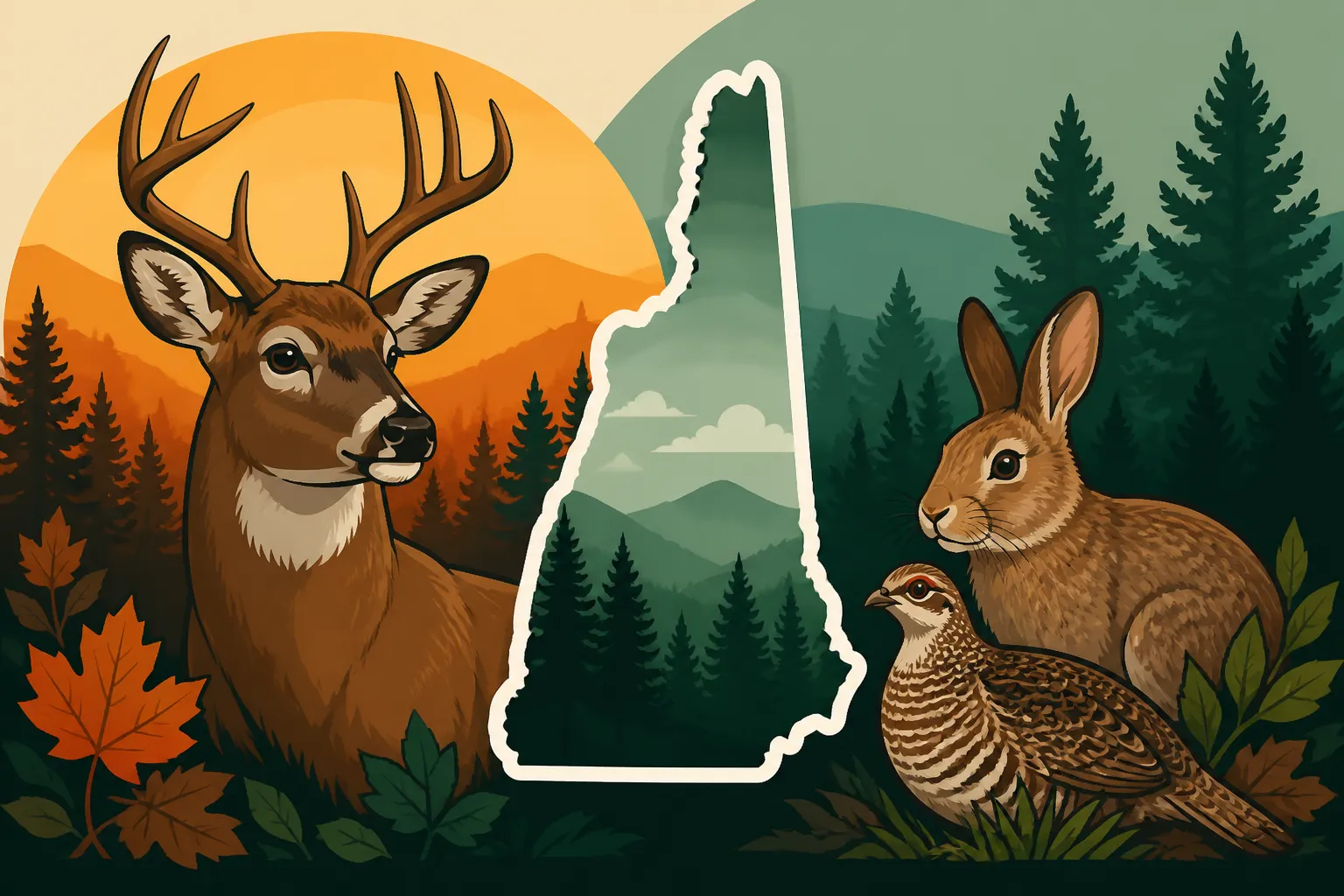
The beautiful thing about hunting in the Granite State is the sheer abundance of opportunities, but sometimes that abundance can lead to a bit of confusion. New Hampshire’s deer seasons—archery, muzzleloader, and firearms—often coincide with the open seasons for various small game species like squirrels, ruffed grouse, and snowshoe hare. This overlap presents a fantastic chance to enjoy a diversified hunt, but it’s absolutely critical to understand the specific rules and regulations that govern what you can legally pursue and with what equipment. Missing these details can quickly turn a great day afield into a regrettable one.
Key Overlapping Periods for Archery Hunters
For those of us who love the challenge of bowhunting, the early archery season for deer often starts when the leaves are still mostly green, usually in September, and stretches well into the fall, often extending into December in many WMUs. This lengthy season is prime time for a host of small game. Think about it: early fall means squirrels are incredibly active, stashing acorns and other mast crops for the winter. You'll hear them scampering, see them high in the oaks and beeches, and often they're oblivious to a treestand hunter focusing on deer.
During this period, ruffed grouse are also beginning to congregate in prime cover, and their drumming can be heard in the quiet mornings. Imagine the thrill of seeing a deer track, settling into a stand, and then having a legal opportunity to bag a squirrel or two for the pot while you wait for a buck. It’s entirely possible, assuming you’re legally equipped for both. The key here is checking your specific Wildlife Management Unit (WMU) dates, as some areas, like WMU A, might have earlier closing dates for archery. For detailed information on when you can start your archery hunt, be sure to check when New Hampshire's Archery Season Opens.
Muzzleloader and Firearms Season Overlaps
As the leaves fall and the air grows crisp, New Hampshire's muzzleloader deer season typically offers a valuable ten-day window before the main firearms season kicks in. This is a fantastic time to be in the woods. The deer are often moving more due to pre-rut activity, and the cooler weather means other game is also quite active. Small game like snowshoe hare become more visible as vegetation thins, and coyotes are often on the prowl, offering another opportunity for those interested in predator hunting.
Then comes the hustle and bustle of the New Hampshire Firearms Season Opening Day in November, which is, for many, the pinnacle of the deer hunting calendar. During these weeks, the small game seasons for species like squirrels and grouse are usually still wide open. You might be still-hunting a ridge for deer, cautiously moving through the timber, and flush a grouse or see a squirrel. For those equipped and prepared, these can be bonus opportunities. However, the presence of more hunters in the woods during firearms season means increased vigilance is necessary for safety, especially when considering taking a shot at smaller, lower-to-the-ground game. It's truly a time when the woods are alive, and knowing your regulations allows you to maximize your experience.
Navigating the Legalities and Ethical Considerations
Hunting multiple species simultaneously isn't just about having the right seasons overlap; it's about adhering to the strict legal framework and ethical responsibilities that come with it. New Hampshire Fish and Game regulations are designed to ensure safety, conservation, and fair chase. Understanding these rules is paramount to being a responsible hunter. It's not uncommon for hunters, especially those new to the state or new to multi-species hunting, to feel a bit overwhelmed by the complexity. But don't worry, with a bit of homework, it's very manageable.
Weapon and Ammunition Specifics
This is where things can get a bit tricky. While you can often carry a firearm legal for deer (like a centerfire rifle or shotgun with slugs) during the firearms season, using that same firearm to shoot a squirrel might not be legal, or at the very least, practical. New Hampshire law specifies legal methods and ammunition for different species. For instance, when hunting deer with a rifle, you're obviously using deer-appropriate ammunition. However, small game like squirrels and grouse typically require smaller calibers or shotguns with birdshot.
You generally cannot carry both a rifle loaded for deer and a shotgun loaded for grouse simultaneously for the purpose of hunting both at the exact same moment. The rule of thumb is usually that you must be equipped in a manner legal for the species you are actively pursuing. This means if you are primarily deer hunting with a rifle, and an opportunity for a squirrel arises, you cannot typically switch to a .22 rifle to harvest it unless you stop deer hunting and switch your primary intent. However, a common exception is using a shotgun that is legal for deer (with slugs) and also legal for small game (with shot). You would need to carry both types of ammunition and switch as appropriate for the species you are targeting. This is a critical point that requires careful reading of the official New Hampshire Hunting Digest, especially the sections on specific weapon types and legal ammunition for each game species. Always confirm that your chosen method is legal for both species you intend to harvest at that specific moment.
Blaze Orange Requirements and Safety
During the firearms deer season, New Hampshire mandates that hunters wear specific amounts of blaze orange. This is a non-negotiable safety requirement. If you are in the woods during a firearms deer season, even if you are primarily hunting squirrels, you must adhere to the blaze orange rules. This applies whether you're carrying a deer rifle or a small game shotgun. The exact requirements for visibility are detailed in the New Hampshire Blaze Orange Requirements guide.
Beyond the legal requirement, it's a matter of fundamental hunter safety. When small game hunting, you are often looking at smaller targets, sometimes closer to the ground, and in dense cover. The risk of accidental discharge or misidentification is higher if you're not absolutely sure of your target and what's beyond it. If you're hunting small game during deer season, always assume other hunters are nearby. Communicate with your hunting partners, use clear shooting lanes, and always identify your target absolutely. Never take a shot at small game if there's any doubt about what's behind it, especially during the crowded firearms season.
Gear and Tactics for a Mixed Bag Hunt
Successfully hunting both deer and small game during the same outing requires thoughtful planning when it comes to your gear and strategy. You can't just walk out the door with your deer rifle and expect to easily pick off squirrels. It's about being prepared and adaptable without overcomplicating your setup. The goal is efficiency and effectiveness.
Multi-Purpose Firearm Setups
For many hunters, a 12-gauge or 20-gauge shotgun offers the most versatility. During the deer firearms season, you can load it with slugs for deer. If a small game opportunity presents itself, and you've identified your target and have a safe shot, you can switch to birdshot or buckshot (depending on the small game and local regulations) after ensuring your deer intent is on hold. This is a common and legal approach, particularly in areas where rifle hunting might be restricted or less practical.
Another option for some could be a break-action firearm with interchangeable barrels—one for rifle cartridges and one for shotgun shells. However, switching barrels in the field can be time-consuming and disruptive. A more realistic scenario might be carrying a sidearm (if permitted and legal for small game in your area) for opportunistic small game encounters while deer hunting with your primary rifle, but again, check state-specific regulations thoroughly. Remember, the intent is key. You can’t be actively pursuing deer with a rifle and simultaneously trying to pop grouse out of trees with a pistol; you must switch gears. When Scouting New Hampshire Public Land Before Season, think about the terrain and vegetation to decide if a shotgun might be more versatile than a rifle.
Table: Multi-Species Hunting Considerations
| Aspect | Deer Hunting Focus | Small Game Hunting Focus | Considerations for Overlap |
|---|---|---|---|
| Primary Weapon | Rifle (centerfire), Muzzleloader, Bow, Crossbow, Shotgun (slugs) | Shotgun (bird/small shot), .22 rifle, Air rifle, Bow (small game heads) | Legality is paramount. Can you carry both? Can your primary deer weapon ethically and legally take small game (e.g., shotgun with interchangeable ammo)? Avoid using powerful deer calibers on small game due to meat destruction and safety. |
| Ammunition | Expanding bullets, broadheads | Shot (various sizes), small caliber bullets | Carry separate, clearly marked ammunition. Be absolutely sure you are loading the correct ammunition for the target species. Some WMUs may restrict shot sizes for small game, or outright ban rifles during portions of archery/muzzleloader seasons. |
| Blaze Orange | Required during firearms season and muzzleloader season | Required if any firearms deer season is open in the area | Always wear it when required, even if primarily pursuing small game. It’s for your safety. |
| Footwear | Durable, waterproof, good ankle support for varied terrain | Lighter, quieter for stealth and comfort | Invest in versatile boots like those described in Best Boots for White Mountain Granite Trails that can handle both long hikes and quiet stalking. |
| Stealth/Movement | Slow, deliberate, silent | Quick, opportunistic, sometimes flushing | Balance quiet deer stalking with readiness for quick small game shots. If moving for small game, remember you might blow out deer. |
| Game Retrieval | Prepare for large animal retrieval | Easy carry, small game bags | Carry game bags for small game to keep them clean. For deer, be prepared with ropes, knives, and the knowledge of Field Dressing a Deer in Cold Weather. |
Optics and Accessories
While a high-power scope is ideal for longer deer shots in open country, it can be a hindrance when trying to acquire a fast-moving squirrel in dense tree canopy. If you're hunting with a shotgun, an optic with a wider field of view, or even just good open sights, might be more practical. Many hunters opt for a red dot sight on their shotgun, as it offers quick target acquisition for both slugs and shot, making it a decent compromise.
Regardless of your primary weapon, a good pair of binoculars is invaluable. You can use them to scan distant ridges for deer, but also to identify small game in thick cover or high in trees without moving excessively and potentially spooking deer. A quality mapping app like GoHunt on your phone can also be incredibly useful for marking deer sign, small game hotspots, and your location in unfamiliar territory. Just remember to download your maps for offline use, as cell service can be spotty in many parts of New Hampshire.
Maximizing Your Time in the Field
The ultimate goal of hunting multiple species is to enhance your overall outdoor experience and increase your chances of bringing home some wild game. This isn't about haphazardly blasting away at anything that moves, but rather a strategic approach to capitalize on the rich biodiversity of New Hampshire's woods.
Strategic Location and Timing
When planning a mixed-bag hunt, look for areas that naturally attract both deer and small game. Hardwood ridges with a good mast crop (oaks, beeches) are classic examples. Deer will be browsing and feeding on fallen nuts, while squirrels will be frantically gathering them, and grouse might be feeding on buds or insects. Beaver flowages and the edges of dense cover can also be excellent. Deer will use these areas for bedding and travel, and the dense undergrowth provides ideal habitat for snowshoe hare and grouse. Consider Hunting a Beaver Flowage Edge for prime multi-species opportunities.
Timing is also crucial. Early mornings and late afternoons are prime times for deer movement. If you're primarily deer hunting, focus your efforts during these periods. However, midday can often be excellent for small game, especially squirrels. So, if deer activity slows down in the middle of the day, you might consider repositioning to a squirrel-heavy area or simply being more alert to small game opportunities in your current spot. This flexible approach allows you to shift your focus based on current conditions.
Balancing Focus and Opportunity
This is perhaps the most challenging aspect: balancing your primary intent. If you go into the woods determined to shoot a deer, but you're constantly distracted by every squirrel, you might miss your deer opportunity. Conversely, if you're so tunnel-visioned on deer that you ignore perfectly legal and ethical small game shots, you're missing out on part of the experience.
The key is to maintain your primary focus but be aware of secondary opportunities. While you're watching that deer run or scanning the woods, if a legal small game animal presents itself, assess the situation:
- Is it safe to shoot? Always the first question.
- Am I legally equipped? Do I have the correct weapon and ammunition for this shot?
- Will taking this shot blow my deer hunt? A loud shotgun blast at a squirrel might send every deer in a quarter-mile running for cover. Sometimes, letting the squirrel go is the better move for your primary goal.
For example, if you're Still-Hunting White Mountain National Forest Timber for deer, moving slowly and deliberately, and a grouse flushes, you might have a quick, safe shot. If you're in a treestand during New Hampshire's long archery season into December, patiently waiting for a deer, and a squirrel is presenting a stationary, ethical bow shot (with small game heads, of course, if permitted), that might be a quiet opportunity worth taking. It's about being prepared to seize the moment, but also knowing when to exercise restraint. Regularly checking the New Hampshire Deer Harvest Records can give you an idea of peak deer activity times, helping you plan your primary focus.
It's about having that informed choice. Having the knowledge, the legal equipment, and the presence of mind to take advantage of these overlapping seasons truly enriches your New Hampshire hunting experience.
Disclaimer
The information provided in this guide is for general informational purposes only and does not constitute legal advice. Hunting regulations in New Hampshire are subject to change. It is the responsibility of every hunter to consult the most current New Hampshire Fish and Game Department regulations and laws before engaging in any hunting activities. Always prioritize safety and ethical hunting practices.