Why Winter Ticks Threaten New Hampshire Moose
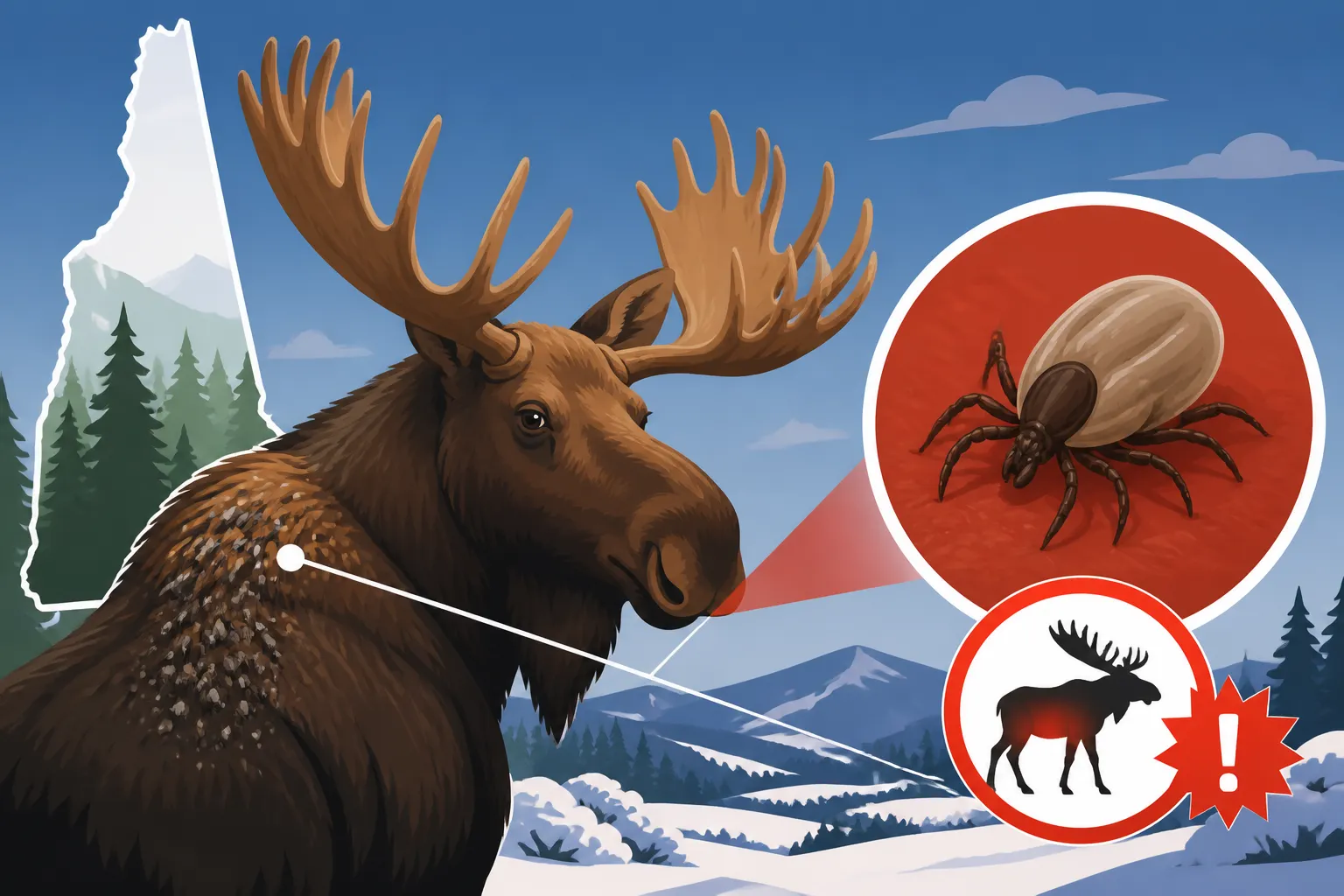
It's a heartbreaking sight for anyone who cherishes New Hampshire's majestic wildlife: a moose, its once-lustrous dark coat appearing mottled and bare, covered in legions of tiny, blood-sucking parasites. The increasing severity of winter tick infestations poses a grave and growing threat to our state's iconic moose population, leading to weakened animals, reduced reproduction, and, tragically, widespread calf mortality. This comprehensive guide will delve deep into the complex factors driving this crisis, explain the devastating impact these tiny creatures have, and explore the ongoing efforts to protect New Hampshire's moose for future generations.
Understanding the Silent Threat of Winter Ticks
For many years, the sight of a moose was a fairly common occurrence in the northern reaches of New Hampshire. These magnificent animals symbolized the wild, untamed beauty of the Granite State. However, a less visible, insidious threat has been quietly gaining ground, changing the very landscape of moose survival. Winter ticks, Dermacentor albipictus, aren't like the deer ticks we typically worry about transmitting Lyme disease; their life cycle and impact on moose are distinctly different and far more debilitating.
What Are Winter Ticks and Their Life Cycle?
Unlike the more familiar deer ticks or dog ticks that might latch on for a few days, winter ticks are unique because they spend almost their entire active life cycle on a single host. Imagine being a moose, just trying to survive the harsh New Hampshire winter, only to find yourself hosting tens of thousands of these parasites. Their life cycle is truly fascinating, in a terrifying kind of way. In the late summer and early fall, usually September and October, tiny larval ticks, often called "seed ticks," climb onto vegetation and wait. They aren't particular; they'll latch onto anything that brushes past, be it a deer, a bear, or, most unfortunately for the species, a moose. Once on a host, they don't drop off. They feed, molt into nymphs, feed again, and finally molt into adults, all on the same animal. This continuous feeding happens throughout the fall and winter, peaking in late winter and early spring. By March and April, engorged adult female ticks, swollen to the size of a grape, drop off the moose, lay thousands of eggs in the leaf litter, and then die. The eggs hatch in August, and the cycle begins anew. This single-host strategy means an individual moose can carry an astronomical number of ticks – often tens of thousands, sometimes even over a hundred thousand, a truly staggering burden for any animal. This continuous presence is what makes them so destructive, as the moose can never truly escape their tormentors once they've picked up a heavy load.
How Winter Ticks Impact Moose vs. Other Wildlife
You might wonder why moose seem to suffer so much more from winter ticks compared to other large mammals like white-tailed deer. The answer lies in a combination of biology and behavior. Deer, for example, are the primary host for deer ticks, but they have evolved a more robust defense mechanism against ticks in general. They're also much more effective at grooming themselves, often able to dislodge many ticks before they fully engorge. Moose, however, are simply not built for it. Their thick skin and shorter legs make it incredibly difficult for them to reach and scratch off the vast majority of ticks covering their bodies, particularly on their necks, shoulders, and hindquarters.
Beyond physical limitations, their seasonal behavior plays a huge role. Moose calves are born in late spring, and by the time the larval ticks are seeking hosts in the fall, these young moose are often still quite small, making them easy targets for a massive initial infestation. Furthermore, moose tend to congregate in certain areas in the fall, particularly when browsing, which increases the likelihood of picking up more ticks. Deer, while also picking up ticks, tend to move through the landscape differently and perhaps disperse more widely, reducing the collective burden. The result is a scenario where a moose can accumulate an overwhelmingly larger number of ticks, transforming from a temporary snack into a veritable mobile tick farm, leading to significant health consequences that deer rarely experience to the same deadly degree. This unique vulnerability of moose is precisely why winter ticks pose such a profound threat to their populations in New Hampshire.
The Devastating Effects on Moose Health
The sheer number of winter ticks that can infest a single moose is difficult to comprehend. Imagine thousands upon thousands of parasites, each one drawing blood, causing irritation, and draining the very life from an animal over several months. The cumulative effect of such an infestation is a cascade of health issues, often culminating in severe debilitation and death, especially for calves. This isn't just an annoyance for the moose; it's a slow, agonizing process that chips away at their survival instincts and physical resilience.
Hair Loss and Hypothermia: The Vicious Cycle
One of the most visually striking and heartbreaking symptoms of a severe winter tick infestation is the dramatic hair loss, often referred to as "ghost moose." As the ticks begin feeding in the fall and early winter, they cause intense itching. A moose’s natural response is to scratch, rub against trees, and gnaw at their coats, desperately trying to dislodge the irritating parasites. Unfortunately, instead of getting rid of the ticks, this vigorous scratching often breaks off large patches of their coarse guard hairs and the dense undercoat that provides essential insulation. By late winter and early spring, a heavily infested moose can appear almost white in patches, or completely bald across its back, shoulders, and sides.
This massive loss of hair, the very adaptation designed to keep them warm in freezing New Hampshire winters, leads directly to hypothermia. These animals are accustomed to enduring temperatures well below zero, but without their insulating coat, their bodies are constantly working overtime just to maintain core temperature. This expends critical energy reserves that should be used for growth, movement, and fighting off other stresses. It creates a vicious cycle: the more they scratch, the more hair they lose; the more hair they lose, the colder they get; the colder they get, the more energy they burn, leaving them weaker and less able to cope with the deep snow and scarcity of winter forage. This struggle against the cold adds immense physiological stress, further contributing to their decline.
Anemia and Malnutrition: Draining Lifeblood
Beyond the obvious hair loss and subsequent chilling, the most direct and insidious impact of a heavy winter tick burden is the sheer amount of blood loss. Each of the tens of thousands of ticks siphons a tiny amount of blood, but when multiplied by such vast numbers and sustained over several months, the cumulative effect is staggering. It's estimated that a severely infested moose can lose several liters of blood over the winter, leading to severe anemia. Anemia results in a lack of red blood cells, which are crucial for carrying oxygen throughout the body. This means a tick-laden moose is constantly in a state of oxygen deprivation, making even simple movements like browsing for food feel like an exhausting chore.
Compounding this is malnutrition. The constant itching, scratching, and shivering from hypothermia deplete their energy reserves at an alarming rate. Instead of quietly conserving energy, as a healthy moose would in winter, these animals are burning calories just to stay warm and deal with the incessant irritation. This energy deficit means they have less motivation and energy to seek out critical browse, further exacerbating their malnourished state. They become lethargic, weak, and thin, unable to put on the weight needed to survive the leanest months or to fuel new growth come spring. This double-whammy of anemia and malnutrition leaves them highly vulnerable to other diseases, predators, or simply the harsh realities of a New Hampshire winter.
Impact on Calf Survival Rates
While adult moose can suffer greatly from winter ticks, it's the calves that truly bear the brunt of this parasitic assault, leading to alarmingly high mortality rates. Many studies, including those conducted by New Hampshire Fish and Game, have shown a direct correlation between winter tick loads and the survival of young moose. Calves, due to their smaller body size and less developed immune systems, are particularly vulnerable. They also tend to acquire very high tick loads in the fall because they are often traveling closely with their mothers, brushing against vegetation where hundreds or thousands of larval ticks are waiting.
A calf that starts the winter with a heavy tick burden faces an uphill battle from day one. The blood loss is proportionally greater for their smaller bodies, leading to anemia much faster. The hair loss and subsequent hypothermia are also more critical for them, as they have less body mass to generate and retain heat. By late winter, these calves are often seen exhibiting "ghost moose" characteristics, appearing weak, disoriented, and dangerously thin. Many simply succumb to the combined effects of hypothermia, anemia, and starvation before spring arrives. Those that do survive are often severely stunted in growth, which can impact their future reproductive success. The devastating impact on New Hampshire's Moose Population Decline Since the 1990s is heavily linked to this high calf mortality, threatening the long-term health and growth of the herd. Understanding How Many Ticks Infest a New Hampshire Moose Calf underscores the severity of this problem.
Why New Hampshire's Moose Are Uniquely Vulnerable
The increasing threat from winter ticks isn't a simple, isolated phenomenon. It's a complex ecological challenge, intricately linked to environmental changes and the inherent biology of moose themselves. New Hampshire's unique landscape and climate contribute to creating a perfect storm for these parasites to thrive and wreak havoc on our moose population.
Climate Change and Shifting Habitats
Perhaps the most significant overarching factor driving the rise of winter tick infestations is climate change. New Hampshire's winters, like much of the Northeast, have been getting warmer and shorter, with less consistent snow cover. This seemingly subtle shift has profound implications for the winter tick's life cycle. Milder fall temperatures mean that the larval ticks have a longer window of opportunity to emerge, climb vegetation, and successfully attach to a host. Instead of being shut down by a quick, hard freeze, they can remain active for weeks longer, increasing the total number of ticks that successfully latch onto a moose.
Conversely, shorter winters and earlier spring thaws mean that the adult female ticks, once engorged, have more favorable conditions to drop off their hosts, survive, and lay their eggs in the leaf litter. Historically, prolonged deep snow cover and sustained cold would limit tick activity and survivability. Now, with less of that natural check, the tick population can flourish year after year. As the climate continues to shift, moose habitat is also affected. While not directly related to ticks, changes in vegetation and optimal range can also add stress to the population, making them less resilient to parasitic burdens. This changing climate essentially rolls out a welcome mat for winter ticks, creating conditions that amplify their numbers and extend their parasitic season, placing an even greater burden on moose that are already stressed.
Moose Biology: A Perfect Host
Beyond environmental factors, the inherent biology and behavior of moose unfortunately make them ideal hosts for winter ticks. First, their large body size and relatively dense fur offer an expansive surface area and ample cover for thousands of ticks to latch onto and hide. As mentioned earlier, their physical structure—short necks, thick skin, and limited flexibility—makes it incredibly difficult for them to effectively groom themselves and remove ticks, especially compared to a white-tailed deer. A moose simply cannot reach the vast majority of its back and sides, leaving vast swathes of its body unprotected from the relentless feeding.
Furthermore, the timing of the moose's annual hair cycle inadvertently plays into the tick's advantage. Moose grow their thick winter coats in the fall, precisely when larval ticks are seeking hosts. The new, soft hairs provide an excellent anchor for the tiny ticks to attach to. Their social behavior, particularly in the fall, also contributes. Moose, especially cows and calves, tend to be more aggregated in certain areas for browsing during the early tick season. This increases the chances of widespread transmission of larval ticks among individuals, ensuring that if one moose picks up ticks in an area, others in the vicinity likely will too. This combination of physical limitations, hair cycle timing, and social habits essentially makes a moose a walking, breathing, ideal environment for winter ticks to complete their full life cycle, contributing to the high tick loads that cause so much damage.
Historical Context of New Hampshire's Moose Population
To fully grasp the current threat, it helps to understand the historical context of New Hampshire's moose population. Once abundant, moose were nearly extirpated from the state by the late 1800s due to unregulated hunting and habitat loss from extensive logging and agricultural expansion. Through significant conservation efforts and habitat regeneration in the 20th century, the moose population made a remarkable comeback, peaking in the late 1990s and early 2000s with estimates suggesting upwards of 7,000 to 7,500 animals. It was a true success story of wildlife recovery.
However, since that peak, the population has been on a downward trend, particularly in the southern and central parts of the state. While habitat fragmentation and other factors contribute, the escalating problem of winter ticks has emerged as the single most significant driver of this decline in recent decades. The evidence is clear: as tick burdens have increased, so too has calf mortality, severely limiting the population's ability to replace itself. What we're witnessing now is not a return to historical low numbers due to hunting, but a new challenge from a parasitic threat amplified by environmental changes. The urgency to address this issue stems from the desire to maintain the healthy, resilient moose population that New Hampshire worked so hard to restore, a population now facing a threat it hasn't historically encountered with such intensity. For a deeper understanding, review the New Hampshire Moose Population Decline Since the 1990s article.
Management Strategies and Conservation Efforts
The challenges posed by winter ticks are complex, and there's no single easy solution. However, New Hampshire Fish and Game, alongside researchers and conservation partners, has been actively pursuing a range of management strategies and research initiatives to mitigate the impact and understand the dynamics of this critical issue. Their goal is not just to count moose but to ensure the long-term health and viability of the herd.
Reducing Moose Density: A Controversial Approach
One of the primary management strategies being explored and implemented, albeit sometimes controversially, is the reduction of moose density in certain areas. The rationale is quite straightforward: if there are fewer moose in a given area, there are fewer available hosts for winter ticks. This theoretically leads to a lower overall tick population and, consequently, lower tick burdens on the remaining moose. New Hampshire Fish and Game has increased moose permit numbers in specific Wildlife Management Units (WMUs) where tick infestations are most severe and population declines are steepest. This means more hunting opportunities in those zones, directly targeting moose numbers.
For hunters, this might mean more tags available, but it comes with a deeper conservation purpose. The hope is that by reducing the density, the remaining moose will be healthier, more resilient, and ultimately have higher calf survival rates. This strategy is part of New Hampshire's Moose Density Reduction Efforts. It's a delicate balance, as wildlife agencies want to maintain a huntable population while also ensuring the species' health. This is why tools and data are so important; organizations like GoHunt provide valuable insights into population data and draw odds, helping hunters and managers understand where these efforts are focused and why.
Research and Monitoring: Tracking the Threat
At the heart of any effective wildlife management plan is robust research and continuous monitoring. New Hampshire Fish and Game has been at the forefront of studying the winter tick issue for years, conducting extensive aerial surveys, ground-based research, and collaborating with university partners. One of the most critical aspects of their work is collaring moose calves and yearlings with GPS tracking devices. This allows researchers to track survival rates, monitor movements, and, crucially, retrieve carcasses of deceased animals to determine the cause of death. When a collared moose dies, researchers can often quickly reach the animal, perform a necropsy, and assess the winter tick load, directly linking tick burden to mortality.
This data is invaluable. It helps confirm that Why Moose Calves Die From Winter Ticks is overwhelmingly due to tick infestations and their compounding health effects. These studies provide concrete evidence that informs management decisions, such as where to adjust permit numbers or focus future research. Without this meticulous collection of data, often carried out by dedicated biologists braving harsh winter conditions, wildlife managers would be largely guessing at the scale and dynamics of the problem. This ongoing scientific effort is crucial for understanding the nuances of the tick-moose dynamic and for adapting management strategies as conditions change.
Public Involvement and Citizen Science
Conservation isn't just for wildlife biologists; it's a collective effort, and the public plays a vital role. In New Hampshire, citizen science initiatives and public involvement are increasingly important in monitoring the health of the moose population and tracking winter ticks. Hunters, landowners, and outdoor enthusiasts are often the first to observe changes in wildlife populations or spot animals showing signs of distress. Reporting sightings of "ghost moose" (moose with extensive hair loss), especially in late winter and early spring, provides valuable anecdotal data that can supplement formal surveys.
New Hampshire Fish and Game often encourages hunters who harvest moose to participate in voluntary check stations or provide biological samples. This allows biologists to collect data on the general health of the herd, age structure, and even information related to tick exposure. Additionally, understanding the reasoning behind initiatives like New Hampshire's Moose Permit Lottery and the subsequent hunting opportunities helps garner public support for management actions. Educational outreach programs also play a crucial role in informing the public about the challenges moose face, fostering a greater appreciation for conservation efforts, and encouraging responsible land stewardship. When the community is engaged, the impact on conservation can be significantly amplified.
The Hunter's Role in Moose Conservation
For many, hunting is more than just a pastime; it's a deep connection to the land and its wildlife. In New Hampshire, hunters have historically been, and continue to be, critical partners in wildlife conservation, including the ongoing efforts to manage and protect our moose population from the escalating winter tick threat. Their participation isn't just about harvesting an animal; it's about contributing to a larger ecological balance and providing vital data.
Ethical Hunting and Data Collection
Ethical, regulated hunting plays a paradoxical but essential role in moose conservation, especially concerning winter ticks. When New Hampshire Fish and Game decides to increase permit numbers in specific WMUs as part of New Hampshire's Moose Density Reduction Efforts, hunters are the mechanism through which this management strategy is implemented. By responsibly harvesting moose, hunters help to achieve the desired population density that may reduce tick burdens on the remaining herd. This is not about indiscriminately reducing numbers but about achieving a balance that allows the overall population to be healthier and more resilient to parasites.
Beyond the direct impact of harvest, hunters are often the eyes and ears of wildlife agencies in remote areas. Those fortunate enough to draw a coveted moose permit, like those participating in the New Hampshire Moose Permit Lottery, are also encouraged to provide valuable biological data. This might include reporting the health condition of the animal, collecting tissue samples, or allowing biologists to inspect for tick loads at mandatory check stations. This firsthand data from hunters in the field provides crucial real-time insights into the health of the herd, complementing the extensive research and aerial surveys conducted by wildlife agencies. Every bit of information helps GoHunt, and other platforms, compile better data for hunters and wildlife managers alike.
Supporting Research and Advocacy
Beyond direct participation in hunting and data collection, hunters and conservationists have a significant role to play in supporting ongoing research and advocating for sound wildlife management policies. Financial contributions, whether through license fees, excise taxes on hunting equipment (Pittman-Robertson Act funds), or direct donations to conservation organizations, directly fund the research and management programs that are tackling the winter tick crisis. Without these funds, critical studies like those tracking How Many Ticks Infest a New Hampshire Moose Calf or monitoring overall New Hampshire Moose Population Estimate would simply not be possible.
Furthermore, advocating for science-based wildlife management is vital. This means supporting the decisions made by New Hampshire Fish and Game, even if they are sometimes controversial, when those decisions are backed by sound scientific data aimed at the long-term health of the species. It means engaging in public discussions, educating others about the complexities of the winter tick problem, and ensuring that conservation remains a priority. By acting as informed stewards and active advocates, the hunting community can continue to be a powerful force for the health and future of Moose in New Hampshire's North Country and throughout the state.
Looking Ahead: A Future for New Hampshire's Moose
The challenges facing New Hampshire's moose are significant, but they are not insurmountable. The ongoing efforts in research, management, and public education offer hope for navigating these complex issues and securing a future for these iconic animals in the Granite State. It’s a long game, requiring patience, adaptability, and a deep commitment to ecosystem health.
Long-Term Outlook and Climate Adaptation
The long-term outlook for New Hampshire's moose population is intricately tied to how we, as a society, address climate change and how resilient moose can be in adapting to a warmer environment. While direct human intervention can help manage tick loads through population adjustments, the ultimate solution likely involves a stabilization of global temperatures that would naturally shorten the tick's active season and reduce its overall numbers. This is a monumental task, but it underscores the interconnectedness of all environmental issues.
In the meantime, researchers are also exploring potential genetic adaptations within moose populations that might offer increased resistance to ticks, although this is a slow natural process. Managing forest habitats to create more diverse and resilient ecosystems can also contribute, providing healthier browse and potentially disrupting tick life cycles. The focus remains on understanding the full scope of the problem and implementing adaptive management strategies that can respond to changing environmental conditions, always with the goal of fostering a robust and self-sustaining moose population. This might mean continued vigilance and proactive measures, ensuring that we give our moose the best possible chance to thrive.
Balancing Wildlife and Ecosystem Health
Ultimately, the winter tick crisis is a stark reminder that managing wildlife is about more than just a single species; it's about balancing the health of an entire ecosystem. Moose play a crucial role as large herbivores, shaping forest structure and influencing nutrient cycles. Their decline can have ripple effects throughout the environment. Therefore, conservation efforts extend beyond just counting moose and ticks. They involve understanding predator-prey dynamics, the health of forest habitats, and the impact of human activity.
This holistic approach means recognizing that the decisions we make regarding moose, such as those related to New Hampshire's Moose Hunt Success Rate or where to implement density reduction efforts, are part of a much larger picture. It requires continuous monitoring, a willingness to adapt strategies based on new scientific findings, and a commitment to public education. By fostering a deeper understanding of these intricate connections, we can work towards a future where New Hampshire's majestic moose can once again thrive, maintaining their vital place in the state’s wild landscapes for generations to come.
| Impact Category | Description of Effect on Moose | Severity |
|---|---|---|
| Hair Loss | Constant scratching to relieve intense itching caused by thousands of ticks leads to severe breakage and loss of insulating guard hairs and undercoat, especially on the back, neck, and shoulders. | High |
| Hypothermia | Without their crucial winter coat, moose struggle to maintain body temperature in cold New Hampshire winters, burning excessive energy reserves to stay warm. | High |
| Anemia | Thousands of ticks continuously feeding for months result in significant blood loss, causing severe anemia. This leads to oxygen deprivation, lethargy, and reduced physical capacity. | Very High |
| Malnutrition | Energy depletion from constant itching, shivering, and blood loss reduces motivation and capacity for foraging. This leads to weight loss and malnourishment, especially critical during winter's lean months. | High |
| Calf Mortality | Calves are disproportionately affected due to smaller body size and less resilience. High tick loads, severe anemia, and hypothermia lead to exceptionally high rates of calf death, severely impacting population recruitment. | Critically High |
| Reduced Reproduction | Stressed, anemic, and malnourished adult cows may have lower fertility rates or be unable to successfully carry pregnancies to term, further impacting overall population growth. | Moderate to High |
| Behavioral Changes | Moose may spend excessive time scratching, become lethargic, or alter foraging patterns due to discomfort and weakness, potentially making them more vulnerable to predators or vehicle collisions. | Moderate |
Disclaimer
The information provided in this guide is for general informational purposes only and does not constitute professional advice. Wildlife management practices and regulations can change frequently. Always consult the most current New Hampshire Fish and Game Department regulations and work with qualified professionals for specific guidance related to hunting, wildlife, and environmental conservation.