Why New Hampshire Is a Woodcock Migration Corridor
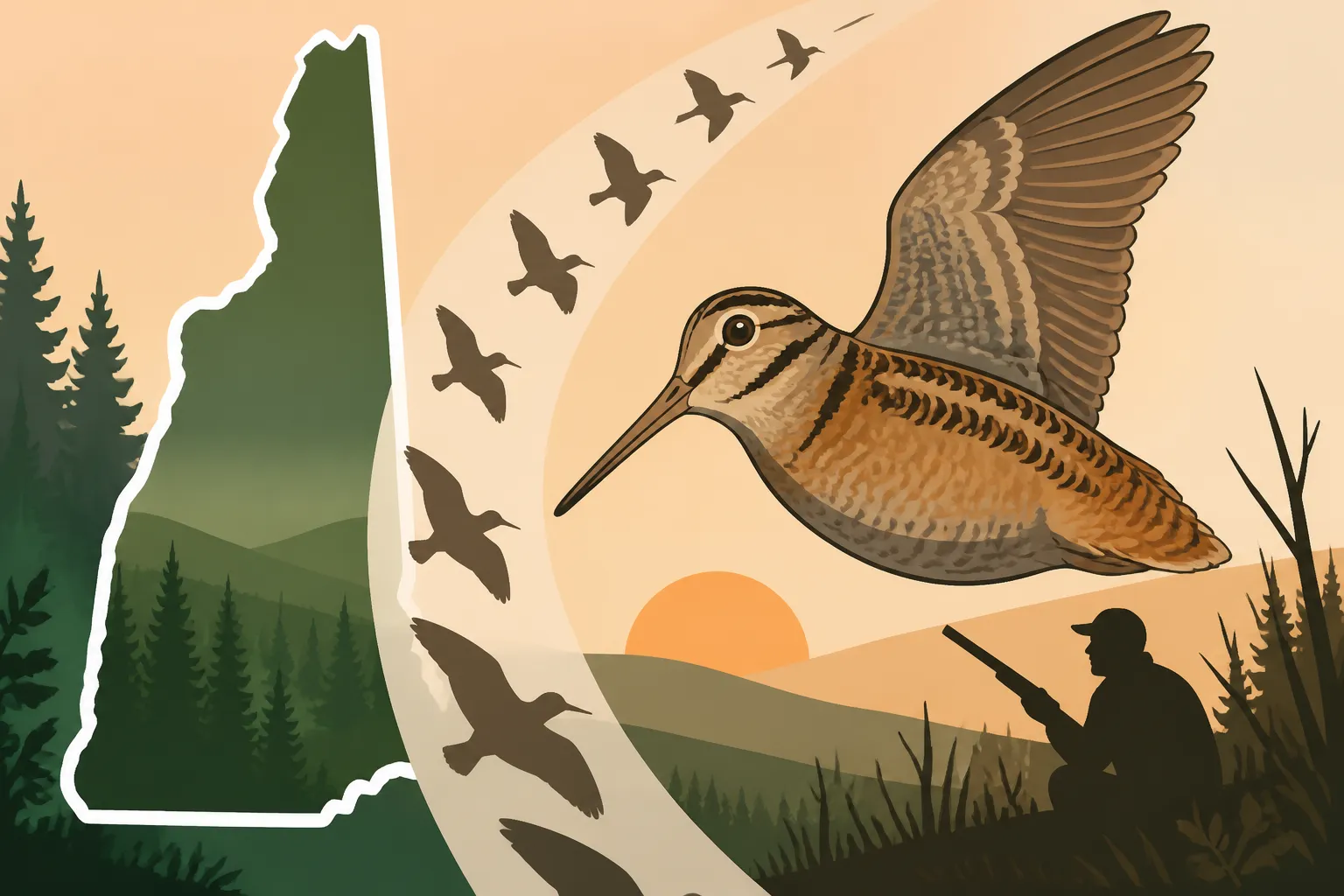
It can be incredibly frustrating to hear whispers of fantastic woodcock hunting in New Hampshire but not quite understand why the Granite State consistently holds so many of these elusive timberdoodles. You've heard the stories, maybe seen the pictures of pointing dogs in golden cover, but what makes this particular corner of New England such a hotspot for their annual journey? This guide will dive deep into the unique geographical, ecological, and climatic factors that firmly establish New Hampshire as a critical woodcock migration corridor, helping you understand where and when to find these incredible birds.
New Hampshire's Unique Geographical Position in the Atlantic Flyway
New Hampshire isn't just a pretty face with mountains and coastline; its very geography places it squarely in the path of millions of migratory birds each year, especially the American Woodcock. We're situated right within the larger Atlantic Flyway, a superhighway in the sky for birds traveling between their northern breeding grounds and southern wintering areas. For a bird like the woodcock, which prefers specific types of cover and feeding grounds, this location creates a funnel effect that concentrates their numbers.
Atlantic Flyway Connection and Its Significance
Think of the Atlantic Flyway as a massive, invisible interstate stretching from the Canadian Maritimes all the way down to the Caribbean and South America. New Hampshire sits right in the heart of the northern portion of this flyway, serving as both a breeding ground and a vital stopover for countless species, including woodcock. When these birds decide it's time to head south for warmer climates, they don't just randomly wander; they follow established routes, often dictated by major geographical features and, crucially, the availability of suitable habitat. Our state, with its varied terrain, from dense northern forests to river valleys, provides a mosaic of these necessary elements, making it an irresistible pit stop or even a temporary residence for these migrating birds. It's not just about getting from point A to point B; it's about the journey itself, and New Hampshire offers prime real estate for resting and refueling.
The "Bottleneck" Effect of Mountains and Coastline
One of the most defining aspects of New Hampshire's role as a migration corridor is its unique topography. We have the imposing White Mountains dominating the central and northern parts of the state, and then, to the east, the Atlantic Ocean. This combination creates a natural "bottleneck" effect, especially for birds that prefer to avoid large bodies of water or the highest mountain peaks during their travels. As birds move south from Canada and northern Maine, they encounter this geographical pinch point. Many will follow the river valleys, like the Connecticut River Valley, or skirt the eastern slopes of the White Mountains, pushing them through specific corridors of lower elevation and gentler terrain within New Hampshire. This concentration means that good habitat in these areas can become absolutely packed with migrating woodcock during peak times, offering incredible opportunities for those who know where to look.
Northern Forests as a Starting Point
Before they even think about heading south, many woodcock spend their summer breeding months farther north, often in the expansive forests of Canada, Maine, and even northern New Hampshire. As the days shorten and the first crisp nights arrive, these birds begin their journey. New Hampshire's proximity to these northern breeding grounds means we're among the first states to see the influx of birds moving down the flyway. The migration isn't a single wave; it's a continuous trickle that builds into a surge as more birds get the urge to travel. Our northern regions, particularly those bordering Quebec and Maine, act as an early entry point, often receiving birds that have only traveled a relatively short distance. This provides early-season opportunities before the main push from farther north truly arrives, making our state important for the start of their journey, not just a middle-ground stop.
Essential Habitat: Why New Hampshire Caters to Woodcock Needs
Woodcock are incredibly particular about their real estate. They aren't going to be found in open fields or dense, mature pine stands. Their survival hinges on a very specific blend of young forest, moist soil, and specific tree species. New Hampshire, with its active timber industry, diverse wetlands, and varied terrain, unwittingly creates and maintains much of this critical habitat.
Young Forest Dependence
The American Woodcock thrives in young, regenerating forests – the kind of places many other game birds and certainly deer avoid. These areas, often created by timber harvesting, old field succession, or natural disturbances like fires, provide the dense, shrubby cover that woodcock use for roosting, hiding from predators, and performing their spectacular sky dance rituals. Without these early successional habitats, woodcock populations would plummet. New Hampshire’s long history of logging, from the north country to the southern tiers, means there's a constant turnover of forestland, creating new pockets of prime woodcock cover. These areas are characterized by saplings, brush, and thick undergrowth that can be nearly impenetrable for humans but offer perfect refuge for woodcock. This kind of habitat is vital, and understanding it is key to finding the birds. When you're Scouting New Hampshire Public Land Before Season, you might prioritize seeking out these younger cuts.
Moist Soil and Earthworm Abundance
The woodcock's diet consists almost exclusively of earthworms. Their long, sensitive bills are perfectly adapted for probing soft, moist soil to extract these subterranean snacks. This means that areas with damp, loamy soils are absolutely essential. Think about river bottoms, low-lying areas near beaver flowages, and drainages that retain moisture even during drier periods. New Hampshire is crisscrossed by countless small streams, rivers, and wetlands, including numerous beaver impoundments. These areas consistently provide the rich, moist soil conditions necessary for abundant earthworm populations. A healthy worm population means a reliable food source for migrating woodcock, making these damp, brushy spots magnets for the birds. A great resource for understanding these wetlands is to explore Hunting a Beaver Flowage Edge as this habitat often holds woodcock.
Alders and Aspen: Key Tree Species
While young forest in general is important, two specific tree species stand out as quintessential woodcock cover: alders and aspen. Alders typically grow in wet, marshy areas, often forming dense thickets along stream banks, pond edges, and wet clearings. Aspen, on the other hand, is a pioneer species that quickly colonizes disturbed areas like old clear-cuts or burnt-over land, creating dense stands of saplings and young trees. Both provide the dense, overhead cover that woodcock prefer, along with the damp ground conditions for feeding. New Hampshire has an abundance of both, thanks to its hydrological features and forest management practices. These "alder runs" or "aspen pockets" are like five-star hotels for migrating woodcock, offering both shelter and a buffet. Learning to identify these specific cover types, especially during pre-season scouting, will drastically improve your success.
Woodcock Migration Patterns and Peak Timing in New Hampshire
Knowing why woodcock use New Hampshire as a migration corridor is one thing; knowing when they move through and how to intercept them is another. Their migration isn't a one-day event, but a fluid process influenced by weather, daylight, and food availability.
Early Fall Movements
The first woodcock typically start their southward journey in late September, sometimes even a bit earlier if a significant cold snap hits the northern breeding grounds. These early birds are often local New Hampshire-bred woodcock or those from nearby northern New England states. They are often less concentrated than the later flights, but they're definitely around. During this time, you might find them in smaller pockets, often still utilizing the same areas they bred in. It’s a great time for a more relaxed hunt, often with pleasant weather and fewer leaves on the trees, making shooting a little easier. However, these birds haven't been pushed by severe weather yet, so they might be spread out more. GoHunt, with its robust mapping features, can be a great tool for marking down early season spots that hold birds year after year, allowing you to track these initial movements effectively.
Peak Migration Window
The real action for woodcock hunters in New Hampshire typically kicks off in mid-October and can run strongly through the first week or two of November. This is when the main push of birds from Canada and northern Maine really hits our state. A strong cold front from the north, especially one bringing rain or snow, can trigger a mass exodus from points north, flooding New Hampshire's coverts with timberdoodles. During this peak window, it's not uncommon to find multiple birds in a single small covert, sometimes even dozens if conditions are just right. This is the time when seasoned hunters plan their trips, knowing that the odds of running into a significant flight are at their highest. The leaves are usually falling fast, which can make for challenging visibility but also opens up shooting lanes. Understanding When Woodcock Migrate Through New Hampshire is paramount to success.
Here's a quick look at general migration timing and what to expect:
| Migration Phase | Typical Timing | Weather Influence | Bird Concentration | Hunting Conditions |
|---|---|---|---|---|
| Early Fall | Late September – Early October | First cool nights, light frosts | Moderate | Leaves still on, pleasant weather, spread out |
| Peak Migration | Mid-October – Early November | Strong cold fronts, first snows, heavy frosts | High | Falling leaves, potentially wet/cold, concentrated |
| Late Season | Mid-November – Early December | Hard freezes, consistent snow cover in north | Low to Moderate | Sparse leaves, often colder, birds seeking warmest spots |
Late Season Stragglers
While the peak migration is undoubtedly the most productive time, woodcock can linger in New Hampshire well into November and sometimes even early December, especially in the southern parts of the state or during mild fall seasons. These are often birds that are taking their time, or perhaps found a particularly good food source and decided to stick around until absolutely necessary. As winter truly sets in, and the ground begins to freeze solid, these remaining birds will eventually be pushed further south. However, if you're willing to brave colder temperatures and potentially some early snow, these late-season hunts can be incredibly rewarding. The cover is usually thinner, making it easier for dogs to work and for hunters to get shots, but you'll need to focus on areas that remain unfrozen and offer residual cover, like dense conifer stands or south-facing slopes near unfrozen water. You might find some good overlap with the later portions of New Hampshire's November Firearms Deer Season too, if you're out chasing whitetails.
Conservation and Management: Protecting the Corridor
The fact that New Hampshire is a vital woodcock migration corridor isn't just good news for hunters; it's also a significant responsibility for conservationists and wildlife managers. Maintaining healthy populations requires ongoing effort, from habitat work to monitoring programs.
Cooperative Management Programs
Managing a migratory bird species like the woodcock requires a coordinated effort that spans state and international borders. New Hampshire's Fish and Game Department works closely with federal agencies like the U.S. Fish and Wildlife Service, as well as with other state wildlife agencies throughout the Atlantic Flyway. These cooperative programs are essential for setting harvest regulations, conducting research, and ensuring that conservation efforts are effective across the birds' entire range. It's not enough for New Hampshire to do its part if other states aren't also contributing. This collaborative approach ensures that populations remain stable and that the migration corridor remains viable for future generations of woodcock.
Habitat Restoration Initiatives
Because woodcock depend so heavily on young forest and early successional habitats, active management is crucial. Without natural disturbances or human intervention, much of New Hampshire's forest would mature beyond what woodcock prefer. Therefore, various habitat restoration initiatives are ongoing across the state. These might include strategic timber harvests designed to create diverse age classes of forest, prescribed burns, or efforts to control invasive species that can degrade native woodcock cover. Land trusts and conservation organizations also play a huge role, often acquiring and managing properties specifically with early successional wildlife in mind. These efforts ensure a continuous supply of prime habitat for both breeding and migrating woodcock, directly supporting our status as a migration corridor. You might find these efforts taking place on New Hampshire Wildlife Management Areas.
Monitoring and Surveys
How do we know how well woodcock are doing? Through dedicated monitoring and survey programs! The most well-known is the "Singing Ground Survey," which involves biologists listening for the distinctive peenting calls of male woodcock at dawn during the spring breeding season. This data provides valuable insights into population trends and distribution. Other methods include banding birds to track their movements and survival rates. New Hampshire actively participates in these nationwide efforts, contributing to a larger dataset that informs management decisions for the entire flyway. This scientific approach helps ensure that hunting seasons are sustainable and that conservation efforts are targeted where they'll do the most good. Tracking these trends helps us understand New Hampshire Woodcock Singing Ground Surveys and their importance.
Hunting Opportunities and Considerations in a Migration Corridor
For the upland hunter, New Hampshire's status as a woodcock migration corridor presents some fantastic opportunities, but it also means adapting your strategy to the birds' transient nature.
Abundant Opportunities for Upland Hunters
The sheer volume of woodcock that can pass through New Hampshire during the migration peak is what draws many upland hunters to the state. Unlike resident game birds, which might be limited by local breeding success, migrating woodcock represent a fresh influx of birds daily. This means that even if a covert was heavily hunted yesterday, it could be refilled with new birds overnight, especially after a cold front. This dynamic nature creates an exciting "feast or famine" scenario, where a slow day can be followed by an incredible one. For those who enjoy walking behind a pointing dog, working dense cover, and experiencing explosive flushes, New Hampshire during woodcock migration is hard to beat. It's an excellent addition to other New Hampshire Small Game and Furbearers pursuits.
Optimal Scouting for Cover
Given the transient nature of migrating woodcock, effective scouting isn't just about finding birds; it's about finding the right habitat that will consistently hold birds as they move through. This means looking for those specific combinations of young forest, moist soil, and alder/aspen stands. River bottoms, brushy edges of old fields, clear-cuts that are 3-10 years old, and areas around beaver ponds are all prime targets. Using tools like GoHunt or other mapping apps to study aerial photos for these habitat types can save you countless hours of walking. Look for subtle changes in vegetation, areas that show signs of past logging, or wet drainages. Sometimes, what looks like an impenetrable mess on a map is exactly what a woodcock is looking for. Paying attention to these subtle clues can greatly enhance your success, just as you would when Reading Aerial Photos for North Country Deer.
Planning Your Hunts Around Migration Events
The biggest factor influencing woodcock hunting success in New Hampshire is timing. You can have the best dog, the best shotgun, and be in the perfect cover, but if the birds aren't there, you won't find them. This means paying attention to weather forecasts, especially those for northern New England and Canada. A significant cold front from the north is your cue to hit the woods. Planning multiple short trips during the peak migration window, rather than one long one, can increase your chances of hitting a major flight. Being flexible and adaptable, ready to go when the conditions are right, is key to capitalizing on New Hampshire's status as a woodcock migration corridor. Remember, even if the primary woodcock hunting season is shorter than some others, the opportunity during those peak weeks is unparalleled.
Disclaimer
This article is for general informational purposes only and does not constitute professional advice. Laws, prices and regulations vary by location and change over time. Consult a qualified professional for guidance on your specific situation.