New Hampshire Deer Vehicle Collisions
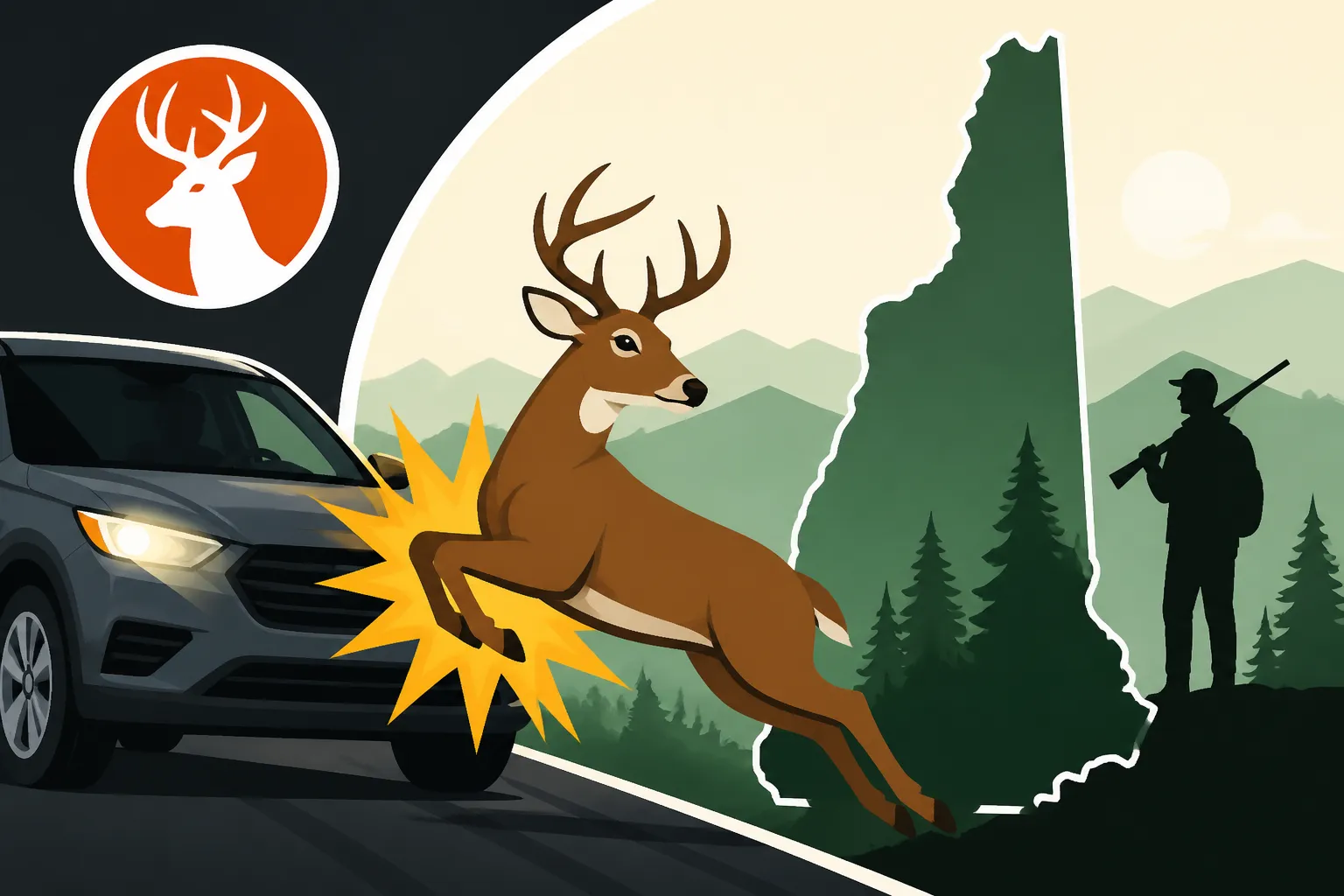
Hitting a deer with your vehicle is more than just a fender bender; it's a terrifying, often traumatic experience that can result in significant damage, serious injury, and even the heartbreaking loss of an animal. For those of us who live and drive in New Hampshire, it's a constant, lurking danger, especially during certain times of the year. This guide will help you understand why these unfortunate incidents happen, when and where you're most likely to encounter deer on the road, and what crucial steps you can take to prevent a collision and what to do if the worst occurs.
Why Deer End Up on Our Roads So Often
It often feels like deer have a death wish, darting out at the most inconvenient and dangerous moments. But from a deer's perspective, our roads are just another part of their habitat, often bisecting their travel corridors, food sources, and bedding areas. Understanding their natural instincts and patterns is key to understanding why they're so prone to crossing paths with our vehicles.
Deer are creatures of habit, often following the same trails and routes through their home range, sometimes for generations. These paths might lead them from a dense stand of pines where they bed during the day to a rich field or apple orchard where they feed at dusk and dawn. Our roads, unfortunately, are often built right through these established travel lanes. Think about those stretches of highway or country road where you always see deer crossing signs – those aren't arbitrary placements. They mark areas where wildlife biologists, or even just long-time residents, know deer activity is high. Deer are constantly moving, seeking food, water, and shelter, and their routes often intersect with human infrastructure. It's a natural conflict between their need to move and our need to drive.
Another significant factor is the deer's acute senses, particularly their hearing and smell, which are finely tuned for detecting predators in the woods. While their hearing is excellent, they aren't always great at discerning the direction or speed of an approaching vehicle until it's very close. And their eyes, while fantastic in low light, are designed for detecting movement in a dappled forest environment, not necessarily for the high-speed, direct light of oncoming headlights. A deer standing at the edge of the woods might see your car's light, but not fully comprehend the rapidly closing distance until it's too late. The bright lights can also temporarily blind or disorient them, causing them to freeze or bolt erratically. It's a primal reaction to a man-made threat they haven't fully evolved to handle.
When and Where New Hampshire Deer Vehicle Collisions Spike
If you live in New Hampshire, you know that deer aren't just a spring or fall phenomenon. However, there are definitely periods and locations where the risk of a deer-vehicle collision skyrockets. Being aware of these hotspots can help you adjust your driving habits and stay safer on the roads.
Seasonal Spikes: The Rut and Winter Yard-Up
There are two primary times of year when New Hampshire drivers need to be extra vigilant: fall and early winter. The most infamous period is undoubtedly the fall mating season, often referred to as "the rut." This is when bucks, fueled by hormones, throw caution to the wind and actively pursue does, often running significant distances and crossing roads they might otherwise avoid. Does, in turn, are also on the move, trying to evade the relentless bucks. This heightened activity, coupled with shorter daylight hours and often poor visibility due to falling leaves or early fog, creates a perfect storm for collisions. Many hunters know When the New Hampshire Rut Peaks – and this is exactly when drivers should be most cautious.
Beyond the rut, as winter sets in, deer often move to New Hampshire Deer Wintering Yards Explained – specific areas with dense conifer cover that offer protection from deep snow and cold winds. These wintering yards are crucial for their survival, but getting to and from them, or even just moving between small patches of cover, frequently involves crossing roads. When snow depths increase, deer are sometimes forced to use plowed roads as easier travel corridors, making them more visible but also more vulnerable. The combination of increased movement, less daylight, and potentially icy road conditions makes early winter another high-risk period.
Geographic Hotspots and Time of Day
While deer are found across much of New Hampshire, certain regions and specific stretches of road experience significantly more collisions. Generally, areas with high deer populations and a mix of developed and undeveloped land tend to be collision magnets. For instance, parts of the Southern New Hampshire region, with its blend of suburban development and remnant woodlots, often report higher numbers. Conversely, while the North Country might have vast tracts of forest, the lower traffic volume can sometimes offset the high deer density, though moose collisions become a greater concern there. Understanding Deer Density by New Hampshire Region can give you a better idea of local risks.
The time of day is another critical factor. Deer are crepuscular, meaning they are most active during dawn and dusk. This is when they move between bedding and feeding areas. Unfortunately, these are also peak commuting hours for many people, meaning the highest deer activity often coincides with the heaviest traffic. So, if you're driving to work before sunrise or heading home after sunset, your risk of a deer encounter is significantly elevated. This is also when light conditions are the most challenging for human drivers, with glare from the rising/setting sun or the darkness requiring full headlight use. A valuable resource like GoHunt's mapping tools can help visualize areas with dense cover adjacent to roads, giving you a better idea of potential crossing points before you even leave home. By looking at terrain features, you can almost predict Hunting a Funnel Between Two Woodlots – and deer are using those same funnels, too, often across roads.
| Factor | Peak Collision Risk | Mitigation Strategy |
|---|---|---|
| Season | Late Fall (October-December, especially rut) | Drive defensively, slow down, be extra alert during peak deer movement. |
| Time of Day | Dawn (30 mins before to 30 mins after sunrise) | Extend travel time, use high beams responsibly, watch road shoulders closely. |
| Dusk (30 mins before to 30 mins after sunset) | Reduce speed, scan for eyes, prepare for sudden stops. | |
| Location | Rural roads bordering dense woods, fields, or water | Pay attention to deer crossing signs; use mapping apps like GoHunt to identify habitat. |
| Weather | Fog, heavy rain, snow | Reduce speed drastically, increase following distance, use appropriate lights. |
Proactive Steps to Prevent New Hampshire Deer Vehicle Collisions
While we can't control wildlife, we can control our driving habits and awareness. Taking proactive steps can significantly reduce your chances of being involved in a deer-vehicle collision in New Hampshire. It's about being prepared and understanding the behaviors of these amazing animals.
Defensive Driving is Your Best Defense
The number one piece of advice is simple: slow down and be hyper-aware. When driving through known deer country, especially during those peak dawn and dusk hours or during the rut, shaving a few miles an hour off your speed gives you crucial extra seconds to react. Those few seconds can mean the difference between a close call and a totaled vehicle. Always assume that where there's one deer, there are often more. Deer rarely travel alone. If you see one cross, slow down even further and scan the edges of the road and the opposite side for companions who might be following.
Another tip is to use your high beams whenever safe and legal to do so. This expands your visible range, allowing you to spot deer eyes reflecting back from further away. Of course, dim them immediately for oncoming traffic. Also, resist the urge to swerve wildly if a deer suddenly appears. Swerving can put you into oncoming traffic, off the road into a tree, or cause you to lose control, often resulting in a far more severe accident than a direct deer impact. While instinctual, a controlled braking maneuver is usually the safer option. It’s a tough decision in a split second, but often hitting the deer is less dangerous than losing control of your vehicle.
Leveraging Technology and Understanding Deer Behavior
Modern technology can be a huge asset in preventing deer collisions. Many mapping applications, including GoHunt, now offer detailed satellite imagery and topographical maps. By reviewing your common routes before you drive, you can Reading Aerial Photos for North Country Deer or southern regions, identifying areas where dense cover meets the road or where natural corridors might push deer towards the pavement. This foresight allows you to anticipate potential crossing points and be extra cautious in those specific stretches. Knowledge of Where New Hampshire Bucks Bed in Thick Cover could also highlight areas where deer might emerge from dense woods onto roadways.
Furthermore, understanding deer behavior goes beyond just knowing about the rut. Deer are constantly on the lookout for food. If you're driving near agricultural fields, freshly cut hayfields, or even certain residential areas with abundant landscaping, deer might be drawn to those areas, increasing their presence near roads. Conversely, after a Hunting After a Poor Acorn Year, deer might have to travel further to find alternative food sources, increasing their overall movement across the landscape, and thus across roads. Paying attention to these subtle shifts in their environment can give you an edge in predicting their movements.
What to Do If You Hit a Deer in New Hampshire
Even with the most vigilant driving, sometimes an unfortunate collision with a deer is unavoidable. When it happens, it's a jarring, often disorienting experience. Knowing the proper steps to take immediately afterward can ensure your safety, address any potential injuries, and help with the administrative process.
Prioritize Safety and Assess the Situation
First and foremost, pull your vehicle safely to the side of the road, if possible, and turn on your hazard lights. Your immediate safety and that of other motorists is paramount. Do not approach an injured deer. A wounded animal, even a small one, can be dangerous and unpredictable, especially in pain. Stay in your vehicle if it's safe to do so. Look for any injuries to yourself or your passengers. Even if you feel fine, adrenaline can mask pain, so take a moment to assess.
Next, contact local law enforcement (State Police, local police, or the Sheriff's Department) immediately, especially if there's significant vehicle damage, personal injury, or if the deer is blocking the roadway. They can dispatch an officer to the scene, manage traffic, and assist with any necessary reports. While you might not need to report every minor deer strike, it's always advisable if you plan to file an insurance claim. Law enforcement will document the incident, which can be crucial for your insurance company. For very minor incidents with no damage or injury, and the deer is clearly deceased off the roadway, some choose not to report, but it's a judgment call.
Dealing with the Deer and Your Vehicle
In New Hampshire, if you want to keep the deer you've hit, you must contact New Hampshire Fish and Game. They have specific procedures for issuing a "permit to transport" that legalizes your possession of the animal. You cannot just load it up and go. This is an important rule to follow to avoid legal issues. Even if you don't want the deer, Fish and Game might still want to be notified for data collection, as understanding New Hampshire Deer Herd Size and mortality helps them manage the population.
Document everything. Take photos of the damage to your vehicle, the scene, and the deer (from a safe distance). Collect contact information from any witnesses. This evidence will be vital when dealing with your insurance company. Most comprehensive auto insurance policies cover damage from deer collisions, but review your specific policy or contact your agent to understand your coverage and deductible. Be prepared for your vehicle to be towed if it's not drivable. And remember, the emotional impact can be significant. It's okay to feel shaken up; it's a traumatic event.
Disclaimer
This article is for general informational purposes only and does not constitute professional advice. Laws, prices and regulations vary by location and change over time. Consult a qualified professional for guidance on your specific situation.