Average Weight of a New Hampshire Black Bear
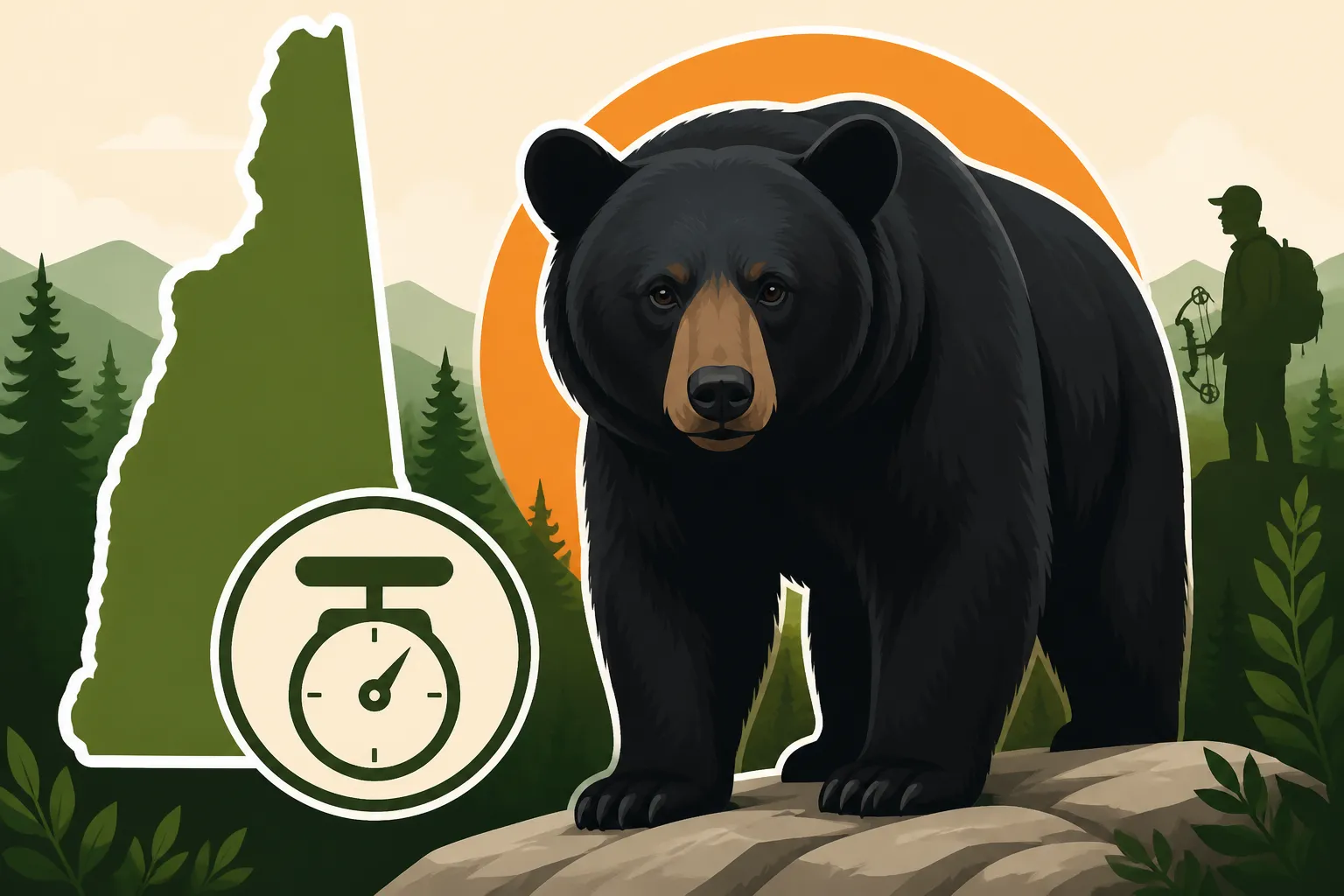
One of the most exciting, and sometimes frustrating, parts of hunting black bear in New Hampshire is trying to figure out just how big that bruin really is when you spot him in the woods. It's a question every bear hunter has asked themselves, and this guide is here to shed some light on the average weight of a New Hampshire black bear, helping you understand what to realistically expect and what factors contribute to a bear's size.
The Elusive "Average": What Bear Weight Really Means
When we talk about the "average weight" of a black bear, it's important to remember that it's a moving target, much like the bears themselves! There's no single, static number that applies to every bear you might encounter in New Hampshire's diverse landscapes. Bears are individuals, just like us, and their size can vary dramatically based on a whole host of factors. It’s not uncommon to hear tales of massive bears being harvested, which can sometimes skew expectations for newer hunters. But for most, understanding the general range is far more useful than chasing a mythical "average."
Think about it this way: a bear in the North Country that's constantly foraging through dense timber and bogs might have a different build and fat reserve than a bear in a more suburban area, known for raiding bird feeders or apple orchards. The "average" often reflects a blend of these different lifestyles and environments. Hunters often share stories, and while a large bear is certainly a trophy, it’s not the daily norm. Setting realistic expectations can make your hunt more enjoyable, focusing on the experience rather than just the number on the scale.
Wildlife biologists collect data from harvest reports each year, and these numbers provide the best insight into the population's overall health and average sizes. This data is critical for understanding the health of the species and making informed management decisions. But even with all that science, the bear you encounter in the field will always be unique.
Key Factors Influencing a Black Bear's Weight in the Granite State
The weight of a New Hampshire black bear isn't just a random number; it's a complex interplay of biology, environment, and seasonality. Understanding these influencing factors can give you a much better grasp of what to look for and where to focus your scouting efforts.
Sex and Age: The Primary Drivers of Size
Just like with most mammals, sex plays a huge role in a bear's overall size. Male black bears, often called boars, tend to be significantly larger and heavier than female black bears, or sows. A mature boar can easily outweigh a mature sow by a considerable margin. This isn't just about muscle; it's about skeletal structure and their natural growth patterns.
Beyond sex, age is perhaps the most critical factor. A yearling bear, still very much a juvenile, will be a fraction of the size of a fully mature adult. Black bears continue to grow, albeit at a slower rate, throughout their lives, often reaching their peak size and weight between 6 to 10 years of age, and sometimes even older. An older, more experienced bear has had more years to consume calories, avoid dangers, and put on the pounds. This is why when you hear about truly gigantic bears, they are almost invariably older animals. Hunters using trail cameras often observe bears over multiple seasons, recognizing growth patterns in known individuals. For those interested in tracking bear populations, understanding the age structure of the herd is paramount, a topic often explored when discussing the overall health of Black Bears in New Hampshire.
Seasonal Changes: The Annual Feast and Famine Cycle
Black bears are masters of energy storage, and their weight fluctuates dramatically throughout the year based on their natural cycle of feeding and denning. You'll rarely see a bear at its lightest during hunting season!
- Spring: When bears emerge from their dens in early spring, they are at their leanest. They've just spent months burning through fat reserves, and their immediate goal is to find food and replenish. They might look a bit "rangy" or gaunt at this time.
- Summer: As summer progresses, bears begin to put on weight steadily. They're feeding on green vegetation, berries, and insects. If you're out Baiting New Hampshire Bears Legally by WMU, you'll see how quickly they can bulk up on high-calorie foods.
- Fall (Pre-Denning): This is when bears hit their maximum weight. From late summer through fall, they enter a phase called hyperphagia, where they eat almost constantly to build up enormous fat reserves for winter denning. A bear that weighed 250 pounds in August might easily tip the scales at 350-400 pounds or more by late October, especially in a year with a good mast crop. This pre-denning weight gain is crucial for their survival. If you're Checking the Hunting Digest for Your WMU's Bear Dates, you'll notice seasons are often timed to coincide with this period.
- Winter (Denning): While in their dens, bears don't eat, relying entirely on their stored fat. They emerge much lighter the following spring, and the cycle begins anew. This cycle is a fundamental aspect of their survival, as documented in New Hampshire Bear Den Study Findings.
Habitat and Food Availability: A Bear's Larder
The specific habitat a bear lives in and the abundance of food sources directly influence its potential to grow large. New Hampshire offers a mix of dense forests, mountain ranges, and even areas with human proximity, all of which present different feeding opportunities.
In areas with rich mast crops like acorns, beechnuts, and apples, bears can pack on weight rapidly. Hardwood forests, especially those with mature oak and beech trees, are prime areas for bears to fatten up. The availability of these natural foods can vary year to year, creating boom-and-bust cycles that affect average bear weights. Conversely, bears in areas with less abundant natural food sources might rely more on opportunistic feeding, including human-related food sources like trash or agricultural crops. Access to these calorie-dense options, whether natural or anthropogenic, directly correlates to how much weight a bear can achieve. Scouting for these food sources is paramount for successful bear hunting, and tools like GoHunt or other mapping platforms can help identify potential feeding areas within various WMUs across the state.
Estimating Bear Weight in the Field: More Art Than Science
One of the biggest challenges for a bear hunter is accurately estimating a bear's weight in the field. It’s incredibly difficult to judge size and weight through dense cover, at varying distances, and often in low light. Many hunters have been surprised (both positively and negatively) when their harvested bear finally hits the scale.
Live Weight Versus Dressed Weight
It's crucial to understand the difference between a bear's live weight and its dressed weight. Live weight is the total weight of the animal as it stands. Dressed weight, or field-dressed weight, is what remains after the internal organs are removed. This can account for a significant reduction, typically 20-30% of the live weight. So, a bear that has a live weight of 300 pounds might have a dressed weight in the range of 210-240 pounds. When you see harvest reports or hear hunters talk about their bear's weight, always clarify whether they're referring to live or dressed weight. Most check stations will record dressed weight.
Visual Cues for Judging Size
While notoriously tricky, there are some visual cues hunters use to try and estimate a bear's size:
- Body Proportions: A truly large bear will often appear "blocky" or "barrel-chested." Its legs might look shorter relative to its body, and its head can appear proportionally smaller. Younger bears tend to look lankier, with longer-looking legs and a more proportionate head.
- Belly Sag: In the fall, a well-fed bear will have a noticeable sag in its belly, especially from the side view, indicating significant fat reserves.
- Neck and Shoulders: Large, mature boars often have thick, muscular necks and broad shoulders, which give them a powerful, commanding presence. Sows and younger bears will generally have thinner necks.
- Ear Size: Relative ear size can be a clue. On a truly big bear, the ears might seem small compared to the overall size of its head, whereas on a younger bear, the ears can appear quite prominent.
- Trail Camera Analysis: Many hunters utilize trail cameras to observe bears over time. By looking at multiple pictures or videos of the same bear, you can get a better sense of its size relative to its environment or other objects. Some hunters even place a stick of known length near their bait site to serve as a scale reference. If you're setting up a trail camera, consider its placement, as discussed in Trail Camera Placement on Public Land.
Here's a generalized table to give you a rough idea of what average weights might look like in New Hampshire, keeping in mind these are highly variable:
| Bear Category | Typical Live Weight Range (Lbs) | General Dressed Weight Range (Lbs) | Characteristics |
|---|---|---|---|
| Yearling (1.5 years) | 50 – 150 | 35 – 105 | Often accompanied by a sow, lanky appearance, ears appear large for head. |
| Young Adult (2-4 years) | 120 – 250 | 85 – 175 | More filled out, but still lacks the bulk of a mature bear. Often solitary. |
| Mature Sow (5+ years) | 150 – 350+ | 105 – 245+ | Solid build, may have cubs, can be quite large, especially in good mast years. |
| Mature Boar (5+ years) | 250 – 600+ | 175 – 420+ | Very blocky, thick neck, broad shoulders, smaller-looking ears. Can be truly massive. |
| Average NH Bear (Harvest) | 180 – 300 | 125 – 210 | This range encompasses the majority of harvested bears, but extremes are certainly possible in both directions. |
(Note: These are approximations. Individual bears can fall outside these ranges.)
The Big Picture: New Hampshire's Healthy Bear Population
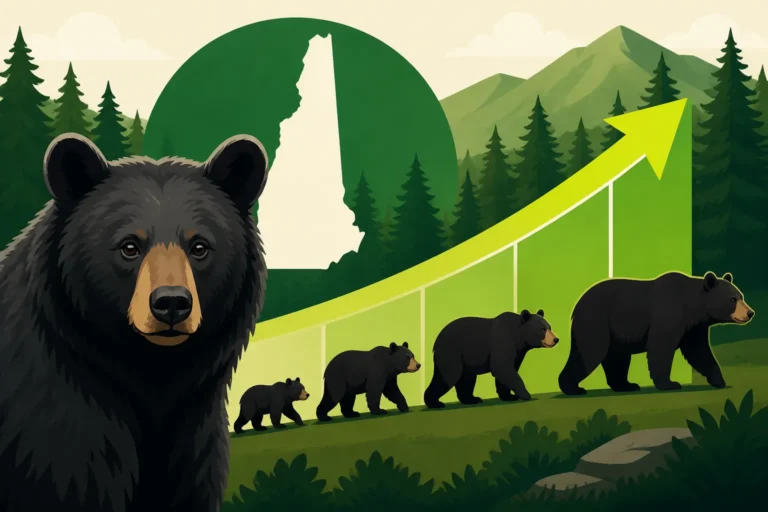
New Hampshire's black bear population has been thriving, expanding both in numbers and geographic range over recent decades. This is a testament to effective wildlife management strategies and the bears' adaptability. A healthy population means a good age structure, allowing bears to reach older ages and larger sizes, which in turn leads to impressive harvest weights each year.
The New Hampshire Fish and Game Department actively monitors the bear population, using harvest data, den studies, and other research to ensure sustainable management. This helps ensure that hunters will continue to have opportunities for exciting bear hunts, whether they are Running Hounds on a New Hampshire Bear or hunting over bait. The state's commitment to maintaining a robust bear population means that the potential for encountering and harvesting a truly impressive, heavy bear remains a real possibility for those who put in the effort and understand the nuances of bear behavior and habitat. Researching topics like New Hampshire Bear Population Estimate can give you further insight into this healthy population.
Ultimately, while the average weight provides a baseline, the true thrill of bear hunting lies in the pursuit, the challenge of the wild, and the respect we hold for these incredible animals that call the Granite State home. Understanding their biology and habits, rather than just chasing a number, makes for a more rewarding experience.
Disclaimer
This article is for general informational purposes only and does not constitute professional advice. Laws, prices and regulations vary by location and change over time. Consult a qualified professional for guidance on your specific situation.