Best Sabot for a Wet-Weather Muzzleloader Hunt
Choosing the best sabot for a muzzleloader prevents moisture damage and ensures reliable performance during rainy New Hampshire hunts.
See it before it sees you.
Binoculars, spotting scopes, and rangefinders, plus packs, boots, layering systems, blinds, and stands that earn their weight.
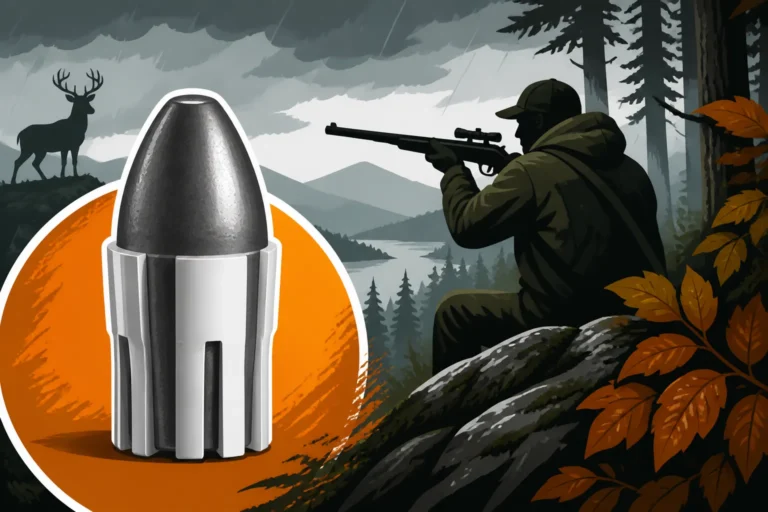
Choosing the best sabot for a muzzleloader prevents moisture damage and ensures reliable performance during rainy New Hampshire hunts.
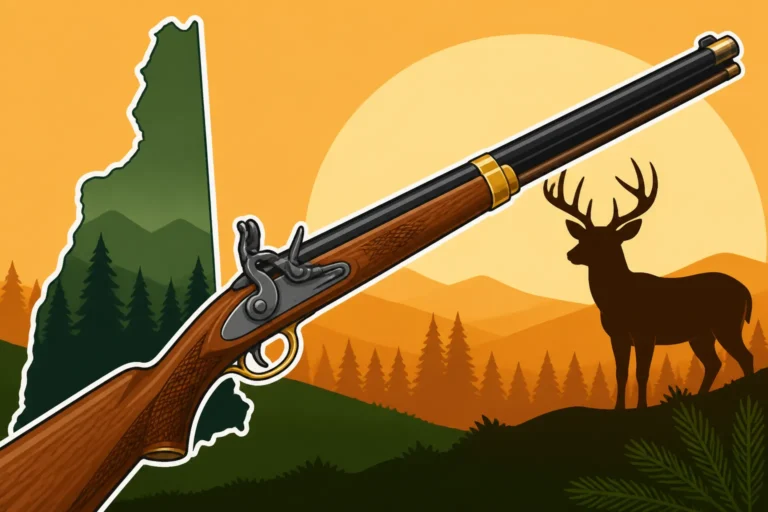
New Hampshire muzzleloader season regulations, in-line rifles, and preparation help hunters choose the best gear for ten days of deer hunting.
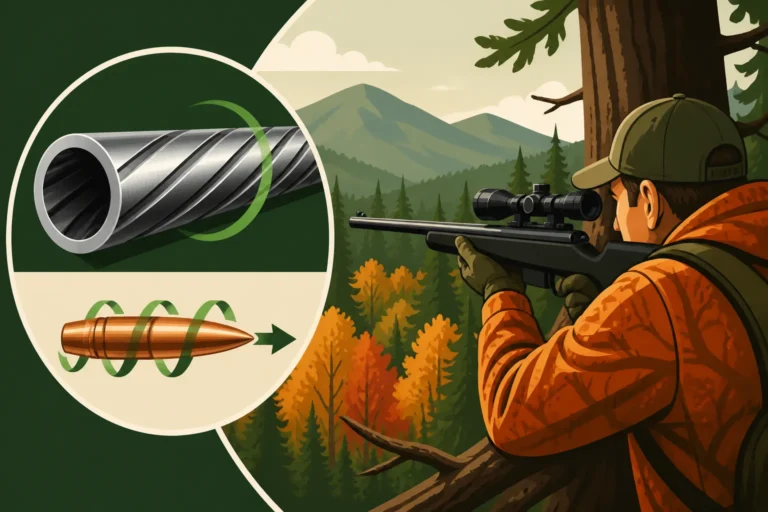
Rifle twist rate selection ratios like 1-10 or 1-12 determine bullet stability and accuracy for deer hunting in New Hampshire timber.
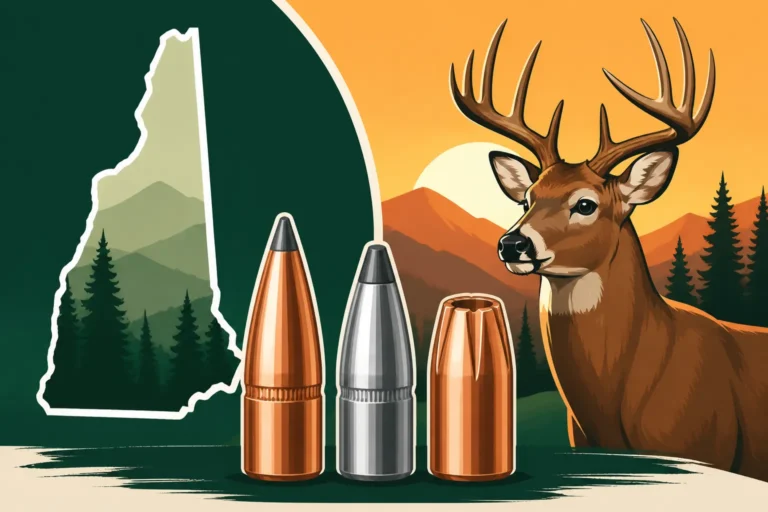
Bullet weight selection for New Hampshire whitetail deer hunting across varied terrain, balancing shot distances up to 250 yards.
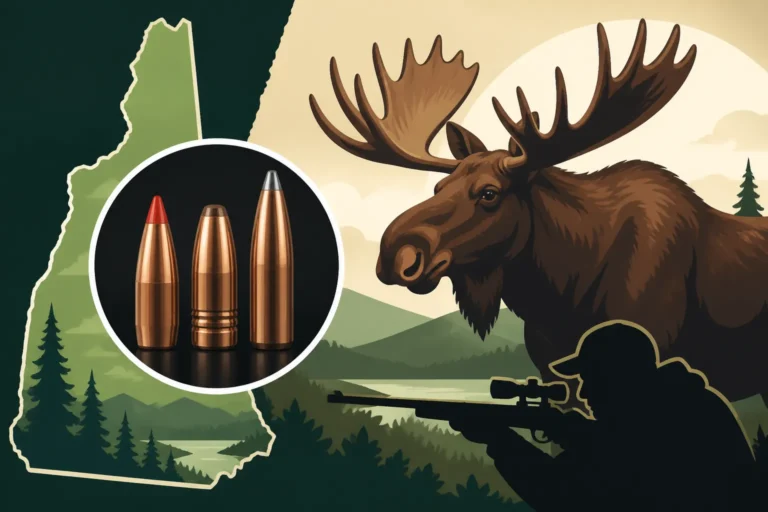
Selecting the optimal bullet weight for a New Hampshire moose hunt ensures deep penetration through dense tissue and bone.
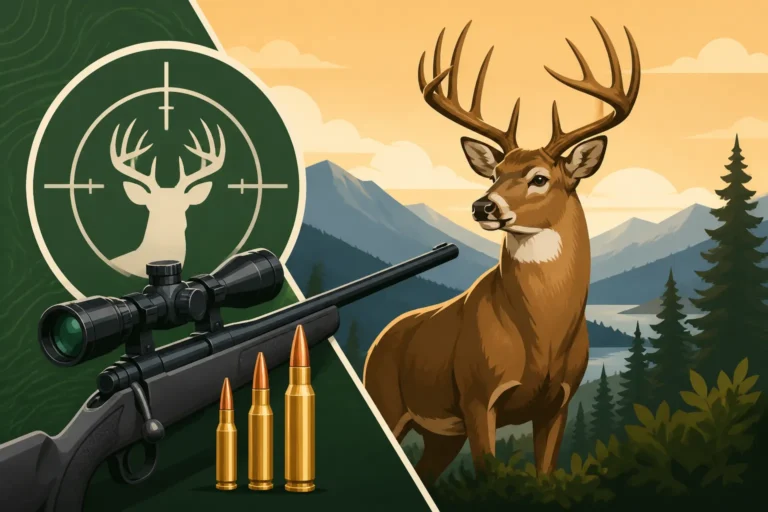
Choosing a rifle caliber for New Hampshire deer involves balancing timber distances and buck resilience for 75 yard shots.
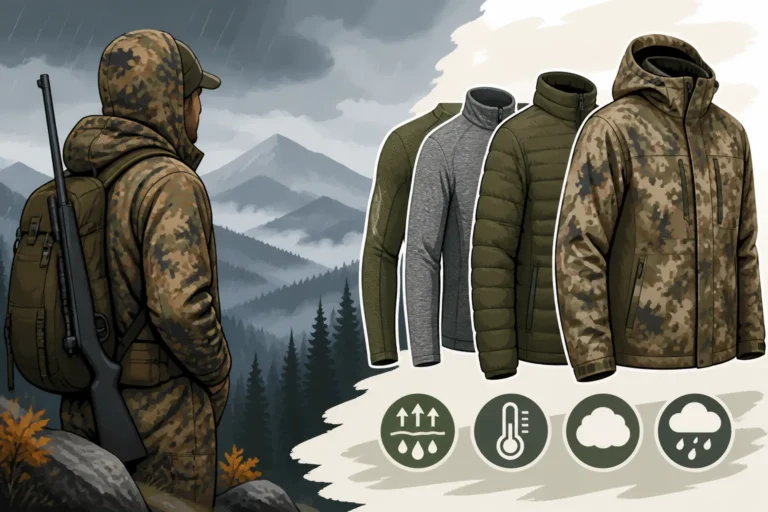
Effective clothing layers for New Hampshire White Mountain hunts prevent hypothermia during sudden rain and cold mountain weather changes.
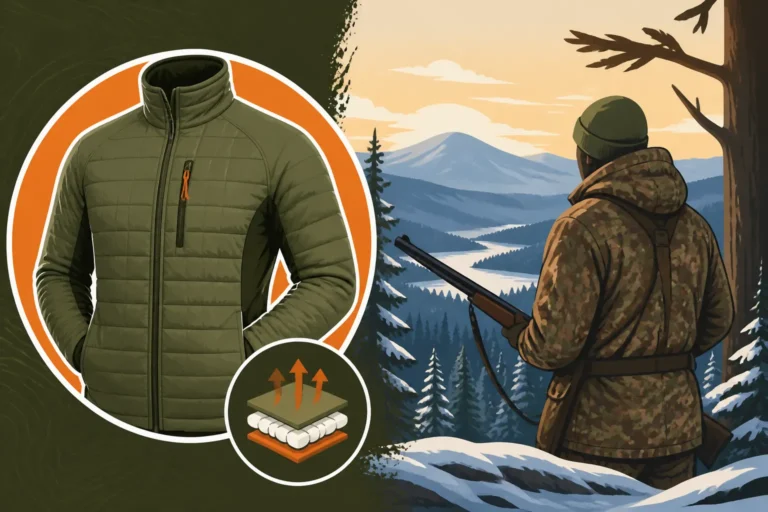
New Hampshire December muzzleloader hunters discover how to choose the right insulated layer for static sits in subzero weather.
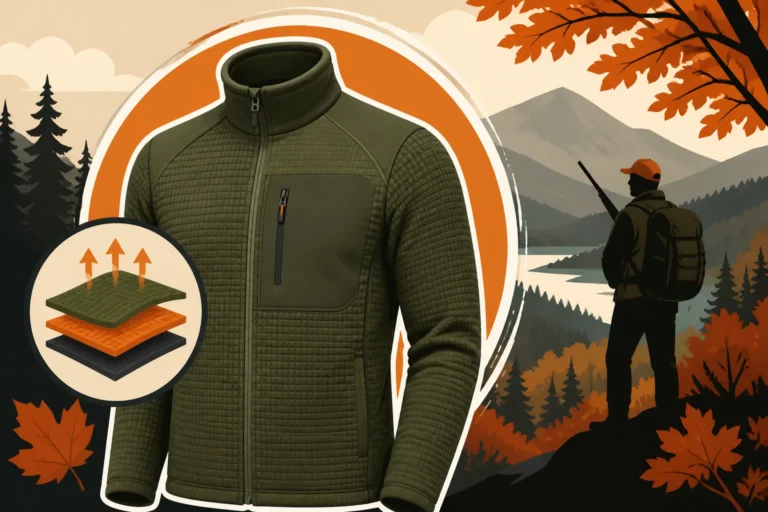
Choosing the best mid-layer for November firearms season in New Hampshire helps hunters balance warmth and breathability during changing weather.
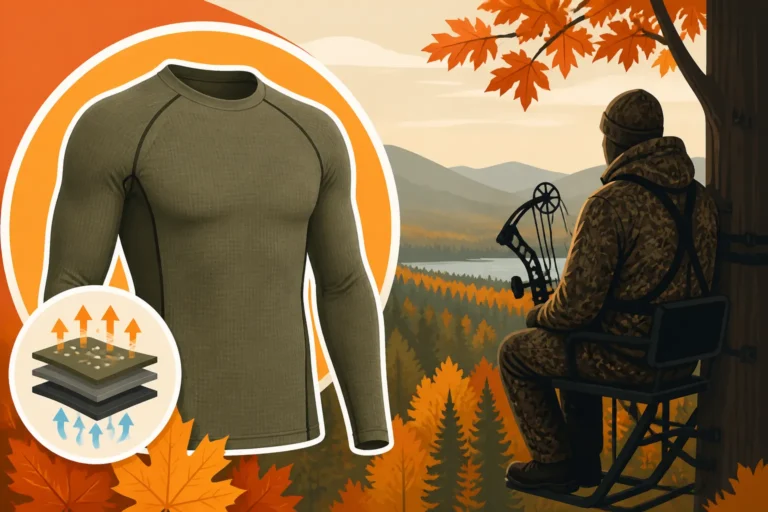
Selecting base layers for New Hampshire September archery hunts explains managing sweat, temperature swings, and whitetail scent control.