New Hampshire Wildlife Rehabilitation for Injured Game
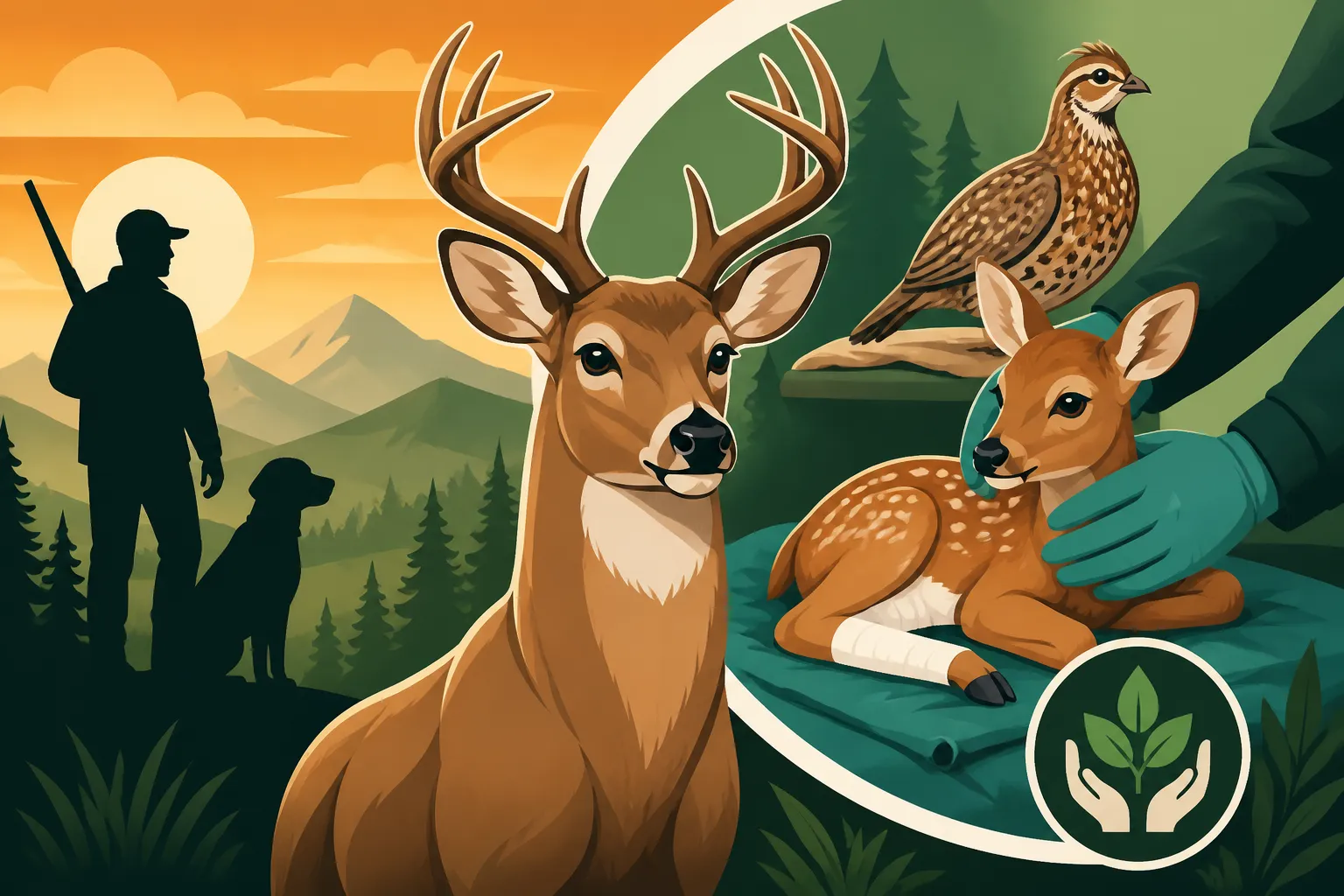
It’s a heart-wrenching moment, isn't it? You’re out enjoying the stunning New Hampshire landscape, maybe scouting for deer sign in the White Mountains or just taking a walk near a quiet river, and then you see it: an injured wild animal. Your gut reaction is to help, to scoop it up and bring it to safety, but a little voice in the back of your head immediately wonders, "Is that even legal? What if I make it worse?" This guide is here to walk you through exactly what to do – and what not to do – when you encounter injured wildlife in our beautiful Granite State.
Understanding the Initial Impulse to Help
That surge of compassion you feel when you see a struggling creature is perfectly natural. It's a primal instinct, really, to care for the vulnerable. Especially when it comes to animals that might appear helpless, like a tiny bird fallen from a nest or a fawn curled up alone in the tall grass. We want to be the hero, to alleviate suffering. But with wild animals, our well-intentioned actions can sometimes cause more harm than good, both to the animal and, potentially, to ourselves.
Think about it: these animals are wired to avoid humans. Even a severely injured animal, when approached, can see you as a predator. This fear can trigger a fight-or-flight response, leading to further injury, stress, or even defensive attacks. Plus, there are diseases that can be transmitted from wildlife to humans, and vice-versa, that we might not even be aware of. It's a tricky situation, and that's why New Hampshire has a system in place to handle these delicate encounters safely and legally. The first step is always to take a breath and understand the proper channels.
The Dangers of Uninformed Intervention
While your heart might be in the right place, directly handling injured wildlife without proper training or authorization can lead to several problems. For starters, you could inadvertently stress the animal further, potentially causing shock or worsening its injuries. A stressed animal might thrash, bite, or scratch, and even a small creature can inflict a nasty wound. These injuries often carry the risk of infection.
Beyond the immediate harm, there’s the legal side. In New Hampshire, it is generally illegal for private citizens to possess wild animals. This isn't because the state wants to be difficult, but because wild animals have complex needs that are almost impossible to meet in a residential setting. They require specialized diets, environments, and medical care that only licensed wildlife rehabilitators are equipped to provide. Trying to care for a wild animal yourself, even with the best intentions, can lead to charges and penalties, not to mention a poor outcome for the animal. New Hampshire Wildlife Violation Penalties are no joke, and ignorance of the law isn't usually an excuse.
What to Do When You Find an Injured Animal
So, you’ve found an animal that appears to be hurt. What’s the very first step? It’s critical to pause, assess the situation from a safe distance, and resist that urge to rush in. Your safety, and the long-term well-being of the animal, depends on a measured approach.
Observe from a Safe Distance
Before you do anything else, simply watch the animal. How is it behaving? Is it moving at all? Is there visible blood, a limp, or an unnatural angle to a limb? Is it a very young animal that might simply be waiting for its parent? Sometimes, what appears to be an abandoned or injured animal is actually just exhibiting natural wild behavior. A fawn, for example, is often left alone for long periods by its mother, who is nearby foraging. Interfering could actually separate them permanently.
Take note of its exact location, any visible injuries, and its general condition. Is it alert or lethargic? Is it trying to move away from you? All this information will be crucial when you eventually contact a professional. If the animal is clearly in a dangerous spot, like in the middle of a busy road, exercise extreme caution for your own safety. Your first priority must be to avoid becoming another victim.
Contact the Right Authorities
This is the most crucial step. Do not try to pick up the animal or transport it yourself. Instead, immediately contact the New Hampshire Fish and Game Department. They are the primary authority for wildlife matters in the state and can provide guidance, send an officer, or connect you with a licensed wildlife rehabilitator. You can usually find their contact information, including an emergency number, on their official website.
If it's after hours or you can't reach Fish and Game immediately, you can also look for a local, licensed wildlife rehabilitator in your area. New Hampshire has a network of dedicated individuals and organizations who hold permits to care for injured and orphaned wildlife. These rehabilitators are trained to provide the specific medical care, housing, and diet necessary to give these animals the best chance of recovery and eventual release back into the wild. Their contact information can often be found through a quick online search, usually on the NH Fish and Game website itself or through state-level wildlife rescue directories.
| Situation | Initial Action (from a safe distance) | Who to Call |
|---|---|---|
| Fawn alone in a field | Observe for several hours. Is the mother nearby? Is it moving normally? | Only call if fawn appears truly injured, crying incessantly, or obviously ill. |
| Bird hit by car, unable to fly | Note location, visible injuries. Use a cardboard box with air holes if advised. | Licensed wildlife rehabilitator specializing in birds or NH Fish and Game. |
| Squirrel with broken leg | Note location, severity of injury. Avoid direct contact. | Licensed wildlife rehabilitator specializing in mammals or NH Fish and Game. |
| Predator (coyote, fox) acting strangely/sick | Maintain significant distance. Do NOT approach. Note behavior (stumbling, circling). | NH Fish and Game immediately, especially if rabies vectors are suspected. |
| Moose/Deer hit by vehicle | Do NOT approach. Note location, any movement. Hazard to traffic? | NH Fish and Game, local police (if traffic hazard), or State Police. |
| Baby bird out of nest (fully feathered) | Observe. Parent might be watching. Place in nearby shrub if safe. | Only call if visibly injured or parent doesn't return after several hours. |
| Baby bird out of nest (no feathers) | Check for intact nest nearby. If safe, gently return to nest. | If nest can't be found/reached, or baby bird is injured, call rehabilitator. |
New Hampshire's Wildlife Rehabilitation Network
New Hampshire is fortunate to have a dedicated network of individuals and facilities committed to giving injured and orphaned wildlife a second chance. These aren't just folks who love animals; they are highly trained, permitted professionals who understand the intricate balance of wildlife health and public safety.
What is a Licensed Wildlife Rehabilitator?
A licensed wildlife rehabilitator in New Hampshire is an individual or organization that has met stringent state requirements, undergone training, and received a permit from the New Hampshire Fish and Game Department to temporarily care for sick, injured, or orphaned wildlife. This isn't a casual hobby; it's a serious commitment involving considerable expense, time, and specialized knowledge.
These rehabilitators are trained in animal husbandry, veterinary first aid, disease recognition, and species-specific care. They have facilities designed to minimize stress on wild animals, providing appropriate diets, housing, and veterinary care. Their ultimate goal is always to release the animal back into its natural habitat once it has fully recovered. They understand the nuances of things like New Hampshire's CWD Prevention Rules and other disease considerations, which is critical for the health of both the animal and the wider ecosystem.
Why You Can't Keep Wild Animals
This goes back to the legal and ethical reasons we touched on earlier. While the thought of nursing a cute baby squirrel back to health in your home might seem appealing, it's detrimental to the animal and illegal. Wild animals, even young ones, are not pets. They have instincts that drive them to avoid humans, forage for specific foods, and interact with their own kind.
When a wild animal is raised by humans, it can become "habituated" or "imprinted" on people. This means it loses its natural fear of humans and its wild instincts for survival. An animal that doesn't fear humans cannot be safely released back into the wild; it might approach people for food, potentially causing harm or becoming a nuisance, and it wouldn't know how to find its own food or avoid predators. Licensed rehabilitators work to minimize human contact and ensure the animal retains its wild nature, increasing its chances of survival once released.
Common Scenarios and How to Respond
Knowing general guidelines is good, but specific situations often leave us scratching our heads. Let's look at a few common scenarios you might encounter in the New Hampshire outdoors.
Injured Birds: From Fledglings to Raptors
Birds are a common sight, and unfortunately, common victims of accidents, whether it's flying into a window, being hit by a vehicle, or falling from a nest.
- Fledglings on the Ground: In spring and early summer, you'll often see young birds out of the nest, hopping around on the ground. These are fledglings, and it's perfectly normal. Their parents are usually nearby, watching and feeding them as they learn to fly. Unless the bird is clearly injured (broken wing, bleeding, cat attack) or in immediate danger (like in a busy road), it's best to leave it alone. New Hampshire Turkey Brood Survey Results show how important it is for these young birds to learn survival skills from their parents naturally.
- Nestlings (No Feathers) Out of Nest: If you find a very young bird with little to no feathers on the ground, and you can see the nest nearby, you can often gently place it back. Birds don't reject their young because of human scent. If the nest is destroyed or unreachable, contact a rehabilitator.
- Injured Adult Birds: For any adult bird that has a visible injury, is lethargic, or can't fly, contact a licensed rehabilitator. They have the expertise to handle everything from tiny songbirds to powerful raptors like hawks and owls. Be very cautious with larger birds, as their talons and beaks can cause serious injury.
Mammals in Distress: Deer, Moose, Bears, and Small Game
Encountering an injured mammal can be even more intimidating due to their size and potential for defensive behavior.
- Fawns and Baby Animals: Like fledglings, many baby mammals are intentionally left alone by their mothers. A fawn will lie motionless for hours, relying on its camouflage to avoid detection while its mother feeds. Don't assume it's abandoned. Observe from afar. If you notice signs of true injury, obvious sickness, or constant crying over many hours, then it's time to call Fish and Game or a rehabilitator. Interfering with a seemingly abandoned fawn could ironically lower New Hampshire Fawn Survival Rates if you mistakenly remove it from its mother's care.
- Deer, Moose, or Bear Hit by Vehicle: These are serious situations. Never approach a large, injured animal, especially a moose or bear. They are incredibly powerful and can be extremely dangerous when in pain or fear. If you find one on the side of the road, prioritize your safety and call the police (if it's a traffic hazard) and New Hampshire Fish and Game immediately. They have protocols for dealing with such incidents. New Hampshire Deer Vehicle Collisions are unfortunately common, especially during certain seasons.
- Small Mammals (Squirrels, Rabbits, Raccoons): For smaller mammals with visible injuries, the same rule applies: observe, then contact a rehabilitator. Even small animals can bite or scratch, and species like raccoons and foxes can carry rabies. It's best to let a professional handle them.
Recognizing Sickness and Disease
Sometimes, an animal isn't physically injured, but appears sick. This can be particularly concerning because of the risk of disease transmission.
- Signs of Sickness: Look for animals that are lethargic, stumbling, disoriented, drooling excessively, having seizures, or showing unusual aggression or lack of fear. These can be signs of neurological diseases, parasites, or other serious health issues.
- Rabies Concerns: New Hampshire, like many states, has rabies in its wildlife population, particularly among foxes, raccoons, skunks, and bats. If an animal is exhibiting signs consistent with rabies, or if it has approached you aggressively without provocation, do not engage. Contact NH Fish and Game immediately. This is a public health concern, and professionals need to handle these situations. Information on diseases, including topics like New Hampshire Deer and Moose Disease Monitoring, can help you understand the risks.
Supporting New Hampshire's Wildlife
While direct intervention is often best left to professionals, there are many ways you can help ensure the health and safety of New Hampshire's diverse wildlife populations.
Preventing Wildlife Injuries
An ounce of prevention is worth a pound of cure, especially when it comes to wildlife.
- Drive Carefully: This is huge. Deer, moose, and other animals are frequently on the move, especially at dawn and dusk. Be extra vigilant on rural roads.
- Secure Pet Food and Trash: Don't leave pet food outside, and secure trash cans. This prevents attracting wildlife into residential areas, reducing conflicts and the risk of animals being hit by cars or injured by domestic animals.
- Window Decals: If you have frequent bird strikes on your windows, consider applying decals or screens to make the glass more visible to birds.
- Keep Pets Contained: Keep cats indoors and dogs on leashes, especially during sensitive times like bird nesting season or when fawns are present. Domestic animals are a significant cause of injury and death for wildlife.
- Avoid Feeding Wildlife: While it may seem kind, feeding wildlife can do more harm than good. It habituates them to humans, makes them dependent, and can spread disease when animals congregate at feeding sites.
Educational Resources and Volunteering
Learning more about New Hampshire's wildlife and supporting rehabilitation efforts are excellent ways to contribute.
- NH Fish and Game Resources: The New Hampshire Fish and Game Department offers a wealth of information on their website, from species profiles to hunting regulations to wildlife viewing tips. Understanding the behavior and habitat needs of local species can help you better assess situations in the field. Reading articles like New Hampshire Hunter Education Requirements can also provide a deeper understanding of responsible interactions with wildlife.
- Support Local Rehabilitators: Wildlife rehabilitators operate on tight budgets and rely heavily on donations and volunteers. If you're passionate about helping, consider donating to a licensed facility in New Hampshire or inquire about volunteer opportunities. Volunteers can assist with tasks like fundraising, administrative work, or even direct animal care under strict supervision, if appropriately trained and permitted.
- Reporting and Monitoring: Be a good steward of the land. If you consistently notice sick animals in a particular area, or specific patterns of injury, report it to Fish and Game. Your observations can contribute to their ongoing monitoring efforts and help them understand population health, as detailed in reports like Reading a New Hampshire Harvest Report.
By taking a thoughtful, informed approach, we can all do our part to ensure that New Hampshire's incredible wildlife thrives, even when individuals encounter a moment of distress. Your compassion, combined with the right knowledge, can make a real difference.
Disclaimer
This article is for general informational purposes only and does not constitute professional advice. Laws, prices and regulations vary by location and change over time. Consult a qualified professional for guidance on your specific situation.