Why Firearms Discharge Is Restricted Near Campsites
It’s a common scenario: you’ve found the perfect spot to pitch your tent on public land in New Hampshire, you’re ready for a few days of hunting, and before the season even opens, you’re itching to sight in that new rifle or take a practice shot at a target. However, many hunters are surprised to learn that discharging a firearm near campsites, even on vast public acreage, is often strictly regulated, if not outright prohibited. This guide will meticulously break down why these rules exist, what specific regulations you need to be aware of, and how to ensure you’re always staying safe and legal when handling firearms near any designated camping area in the Granite State.
Understanding New Hampshire's Firearm Discharge Regulations Near Campsites
New Hampshire is known for its incredible public lands, from the vast expanses of the White Mountain National Forest to numerous state forests and wildlife management areas. With this abundant access comes a responsibility to understand and adhere to the regulations designed to ensure safety and preserve the experience for everyone. Discharging a firearm, especially in areas frequented by the public for camping, is one such activity that carries strict guidelines.
The Core Rule and Why It Exists
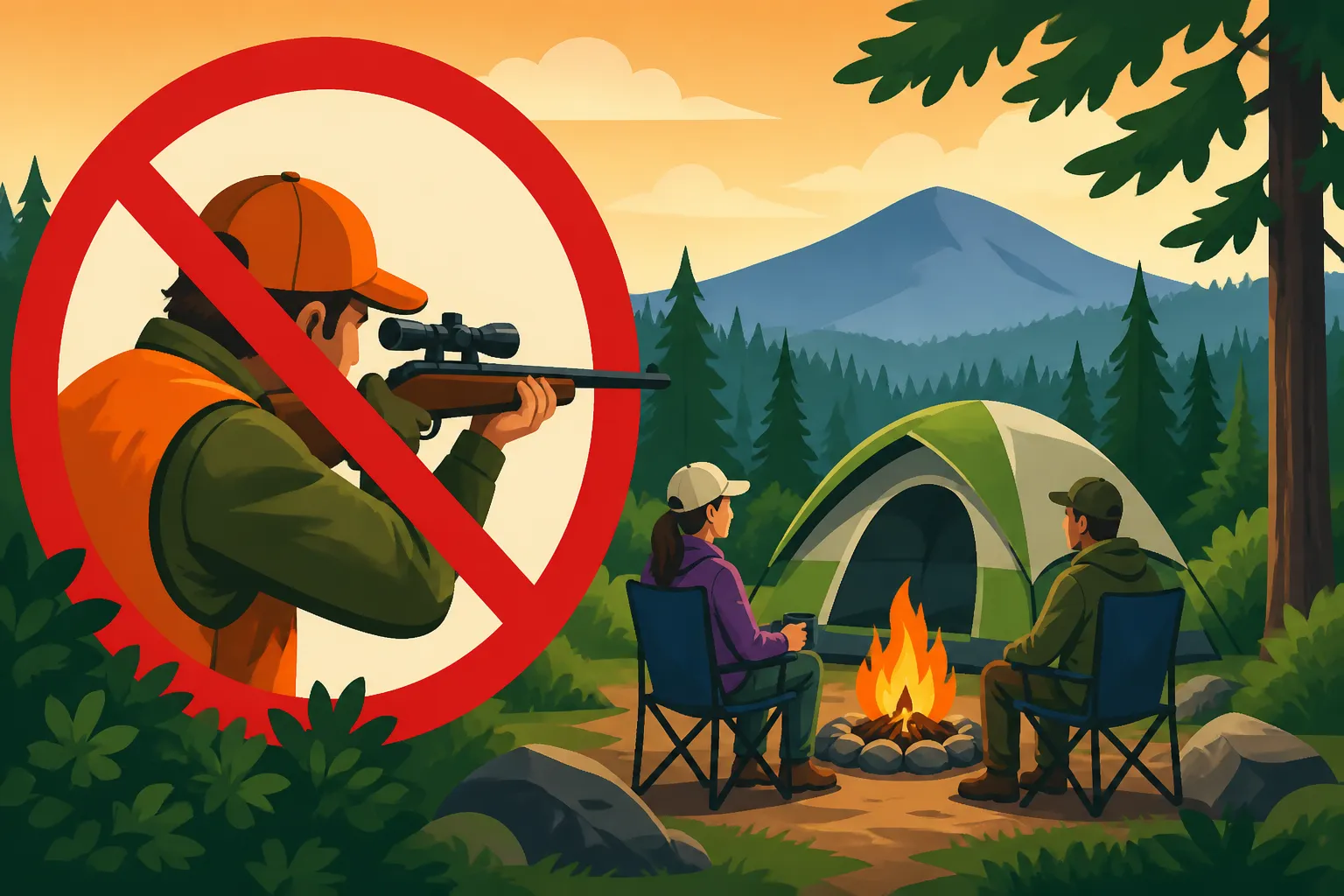
At its heart, the restriction on discharging firearms near campsites is about safety, public peace, and responsible land stewardship. Imagine arriving at a serene backcountry campsite, looking forward to a quiet evening under the stars, only to have gunshots ringing out just over the ridge. This isn't just an inconvenience; it can be genuinely alarming. Beyond the noise, there's the inherent danger of stray bullets, ricochets, and the general unpredictability of where a projectile might travel. The rules aim to create a clear separation between areas where firearms might be discharged (like designated hunting zones or approved shooting ranges) and areas where people are seeking peace, relaxation, and safety, such as campgrounds, hiking trails, or cabins.
These regulations aren't arbitrary; they’re the result of careful consideration for public safety and the shared use of our natural resources. New Hampshire prides itself on being an outdoor paradise for many different user groups – hunters, hikers, campers, bird watchers, and more. Protecting each group's ability to enjoy these lands without undue risk or disturbance is paramount. It's about fostering an environment of respect, not just among hunters, but for all who venture into the wild.
Defining "Campsite" and "Discharge"
To fully understand these restrictions, it’s crucial to know what constitutes a "campsite" and what "discharge" truly means in the eyes of the law. A "campsite" isn't just a formal campground with paved roads and amenities. It can include designated primitive campsites in state parks or national forests, established backcountry sites, lean-tos, and even areas where primitive camping is legally permitted and frequently occurs. If there's an established fire ring, a tent pad, or evidence of regular overnight human presence, it’s often going to be considered a campsite under these rules. The interpretation usually leans towards protecting areas where people reasonably expect to be safe and undisturbed. Camping Rules on White Mountain National Forest Land often detail specific prohibitions around established sites.
"Discharge" is also straightforward: it means firing a gun, whether it's a rifle, shotgun, pistol, or muzzleloader. Even if you're shooting into a backstop or at a target, if the firearm is loaded and a projectile is expelled, it's considered a discharge. The intent doesn't matter as much as the action itself. This rule typically covers not only intentional target practice but also casual shots taken for "testing" a firearm or just making noise. The spirit of the law is to prevent projectiles from leaving barrels in proximity to where people are living, even temporarily.
Specific Distances and Buffer Zones
While specific distances can sometimes vary slightly between different land management agencies (e.g., state park vs. national forest), there are general principles and often explicit distances that apply throughout New Hampshire. Typically, a firearm cannot be discharged within a certain distance of an occupied building, structure, or even a designated campsite. This distance is often set at a minimum of 300 feet (100 yards), but it's not uncommon to find areas with longer buffer zones or outright prohibitions depending on the density of use or the specific type of land.
The 300-foot rule is a common safety standard in many hunting regulations, often referring to a dwelling or occupied building. While a tent might not be a permanent dwelling, the spirit of protecting an occupied space extends to campsites. Always check the specific regulations for the particular public land you are hunting or camping on. National Forests, like the White Mountain National Forest, will have their own set of rules, as will individual State Parks or Wildlife Management Areas. These rules are put in place because a firearm's projectile can travel a significant distance, and a 300-foot buffer provides a reasonable margin of safety in many scenarios, helping to prevent unintended harm to people or property.
Here's a general guide to common discharge buffer zones in New Hampshire:
| Type of Structure/Area | Minimum Distance from Discharge (General Guidance) | Rationale |
|---|---|---|
| Occupied Dwelling/Building | 300 feet (100 yards) | Prevent injury to residents, property damage. |
| Campsite (Occupied) | 300 feet (100 yards) or outright prohibition | Ensure camper safety, preserve peace and quiet. |
| Public Road/Highway | Often restricted, check local bylaws | Prevent traffic accidents, protect passing vehicles. |
| Schools/Churches | Often 300 feet or more, check specific ordinances | Protect vulnerable populations. |
| State/National Park Facilities | Specific park rules often prohibit discharge | Preserve natural resources, public enjoyment, safety. |
Always consult the most current New Hampshire Fish and Game Department hunting digest and specific land management regulations for precise and up-to-date information.
Safety and Public Enjoyment: The Rationale Behind the Rules
These regulations aren’t designed to make hunting harder; they’re fundamentally about ensuring everyone can safely and respectfully enjoy New Hampshire’s incredible outdoor resources. The rationale behind restricting firearm discharge near campsites stems from critical considerations for both safety and the overall public experience. It’s a delicate balance that allows hunters to pursue their passion while acknowledging the diverse ways others engage with the wilderness.
Preventing Accidents and Ensuring Hunter Safety
The most obvious and paramount reason for these rules is preventing accidental injury or fatality. A bullet fired, even with the best intentions, can have an unpredictable path. Ricochets off rocks, trees, or even frozen ground are a very real danger, and the energy a modern hunting cartridge carries means a ricochet can still be lethal at surprising distances. When you combine this with the presence of other people – campers, hikers, families enjoying a picnic – the risk becomes unacceptable. Even if you're shooting into a seemingly safe backstop, you can't always account for every variable. New Hampshire Hunter Education Requirements stress safety above all else, and this includes spatial awareness and understanding projectile travel.
Furthermore, ensuring hunter safety extends to avoiding conflict. An unexpected gunshot near a group of campers can cause panic, leading to confrontations or calls to law enforcement. These situations are stressful for everyone involved and can paint the entire hunting community in a negative light. By clearly delineating "no-shoot" zones around campsites, the regulations aim to remove these potential flashpoints, allowing hunters to focus on their pursuit in appropriate areas and campers to relax without fear.
Respecting Non-Hunters and Other Outdoor Enthusiasts
New Hampshire's public lands are shared spaces. Alongside hunters, you’ll find families hiking the trails, birdwatchers seeking out rare species, rock climbers tackling granite faces, and individuals simply looking for a quiet escape from daily life. For many of these non-hunting users, the sound of gunfire is disturbing, frightening, or at the very least, disruptive to their desired experience. Loud, concussive blasts echoing through the woods can shatter the peace and quiet they’ve come to seek.
By restricting firearm discharge near campsites and other public gathering spots, the state is actively working to preserve the quality of the outdoor experience for all users. It's an act of courtesy and respect. Hunters, as good stewards of the land and ambassadors for their sport, understand the importance of this. We want to be welcomed on public lands, and that means being mindful of how our actions impact others. Nobody wants to be "that hunter" who ruined someone else's camping trip. It's about demonstrating that hunting can coexist harmoniously with other outdoor recreation.
Protecting Wildlife and Habitat
While less direct than safety concerns, restricting firearm discharge near established human activity centers like campsites can also contribute to protecting wildlife and their habitat. Constant noise and disturbance from shooting can stress local wildlife, particularly if it occurs frequently. While a single gunshot during hunting season is part of the natural rhythm of the woods, repeated target practice in a specific area can lead animals to avoid otherwise suitable habitat.
Furthermore, some campsites are intentionally located near water sources or specific habitat features that also attract wildlife. Unregulated shooting could disrupt feeding patterns, nesting, or bedding areas. By creating buffer zones, we indirectly help to maintain pockets of relative tranquility where wildlife can go about their lives undisturbed by the loud concussions of firearms. It's part of a broader conservation ethic, acknowledging that even our recreational activities have an impact on the natural world we cherish.
Legal Implications and Penalties for Non-Compliance
Ignoring or being unaware of firearm discharge regulations near campsites can lead to serious consequences. These aren't just suggestions; they are laws designed to protect public safety and maintain order on shared lands. Understanding the legal ramifications is just as important as knowing the ethical reasons behind the rules. New Hampshire takes these violations seriously, and ignorance of the law is never an acceptable defense.
What Happens if You Break the Rules
Violating firearm discharge restrictions can result in a range of penalties, from hefty fines to more severe legal action. Typically, discharging a firearm within a prohibited distance of a dwelling, occupied building, or even an occupied campsite can be classified as a misdemeanor offense. A conviction could mean significant monetary fines, potentially running into hundreds or even thousands of dollars. But it doesn't stop there.
Beyond financial penalties, you could face the suspension or revocation of your hunting license, losing your privilege to hunt in New Hampshire for a period of time, or even permanently. In some egregious cases, especially if property damage or injury occurs, charges could escalate to reckless endangerment or other serious criminal offenses, potentially leading to jail time. Imagine having your prized New Hampshire Hunting Licenses and What They Cost revoked simply because you didn't check the rules around your campsite. It's a risk no responsible hunter should ever take.
Reporting Violations and Enforcement
New Hampshire Fish and Game conservation officers, as well as local law enforcement, are responsible for enforcing these regulations. They patrol public lands, respond to complaints, and investigate incidents. If a camper or landowner reports gunshots too close to an occupied area, officers will investigate. This often involves interviewing witnesses, examining the scene, and potentially confiscating firearms involved in a violation.
It's important to remember that fellow outdoor enthusiasts also play a role in ensuring these rules are followed. If you witness someone discharging a firearm unsafely or in a prohibited area, especially near occupied campsites, you have a responsibility to report it to the authorities. Providing as much detail as possible – location, time, description of individuals or vehicles – can greatly assist law enforcement in their efforts to keep everyone safe. New Hampshire relies on a community effort to uphold these standards, and reporting violations helps protect the integrity of responsible hunting and public land use. Reporting a Poacher in New Hampshire extends to safety violations as well.
Avoiding Common Mistakes
The most common mistake hunters make is simply assuming that because they are on public land, they can shoot anywhere. This is a dangerous misconception. Public land is not an unregulated free-for-all. Another mistake is relying on outdated information or "what everyone else does." Regulations change, and what was allowed years ago might be prohibited today. Always consult the current New Hampshire Fish and Game digest and specific land management rules for the area you are in.
- Never assume: Always verify the rules for your specific camping and hunting location.
- Don't rely on hearsay: Get your information from official sources like the NH Fish and Game Department or the managing agency (e.g., US Forest Service).
- Use mapping tools: Apps like onX Hunt or GoHunt can show public land boundaries, but they are not a substitute for knowing specific local regulations regarding discharge distances. While they can help you understand ownership, specific discharge rules might not be overlaid.
- Plan ahead: If you need to sight in a firearm, do it at a designated range before you head to your campsite.
By being proactive and informed, you can easily avoid these common pitfalls and enjoy your hunting and camping experiences without legal worry.
Finding Safe and Legal Shooting Opportunities Away from Campsites
So, you understand the rules, and you're committed to being a responsible hunter. That still leaves the question: where can you safely and legally sight in your rifle or practice with your shotgun in New Hampshire? The good news is, there are plenty of options available, but it requires planning and being mindful of location.
Designated Shooting Ranges and Public Land Options
New Hampshire has a number of designated shooting ranges, both public and private, where you can safely and legally discharge firearms. These ranges are designed with proper backstops, safety protocols, and often range officers to ensure everyone adheres to safe practices. This is by far the best option for sighting in a rifle, practicing with a pistol, or patterning a shotgun before you head into the woods. Many towns have local sportsman's clubs that offer range access, and there are also commercial ranges. A quick search online for "New Hampshire shooting ranges" will give you a wealth of options.
Beyond formal ranges, some expansive public lands may permit target shooting in very specific, remote areas, far removed from any dwellings, roads, or campsites. However, finding such a spot usually means venturing deep into the backcountry, far beyond where most people camp or hike. These areas would typically require a very thorough understanding of the terrain, local ordinances, and safety considerations. Using mapping tools like onX Hunt can help identify vast tracts of public land, allowing you to gauge distances to roads, private property, and known campsites, but you still need to verify specific regulations for target shooting in those areas. Scouting New Hampshire Public Land Before Season is crucial for identifying these kinds of remote locations.
Planning Your Practice Sessions
The key to avoiding conflicts and legal issues is proper planning. Do not wait until you are at your campsite, perhaps just hours before opening day, to discover your scope is off or your shotgun pattern isn't what you expected.
- Pre-season prep: Make sighting-in and practice part of your regular pre-season routine. Visit a range weeks or months before the hunting season begins. This also gives you time to troubleshoot any issues with your firearm or optics.
- Designated spots: If you're on public land and away from campsites, ensure you are far more than the minimum legal distance from any road, trail, or potential camping spot. You need a safe and natural backstop, such as a large dirt bank or hillside, that will reliably contain your projectiles. Never shoot at water, as it can cause unpredictable ricochets.
- Communicate: If you are with a group, clearly communicate your intentions and ensure everyone understands safety protocols. If you see other people, stop shooting and ensure they are well out of harm's way before resuming.
Responsible planning ensures that your hunting experience is enjoyable and, most importantly, safe for everyone in the woods. Always be aware of your surroundings and consider where your projectile could end up, not just your immediate target.
Utilizing Mapping Tools for Compliance
Modern technology offers powerful tools to help hunters stay compliant and safe. Mobile mapping applications are invaluable for understanding land boundaries, identifying public versus private property, and locating potential areas of high public use.
onX Hunt and GoHunt are excellent examples of such apps. They allow you to:
- Identify Public Land: Clearly see the boundaries of state and national forests, WMAs, and other public lands.
- Locate Roads and Trails: Overlay maps with roads, hiking trails, and even primitive routes, helping you calculate distances from potential discharge points.
- Mark Waypoints: You can mark known campsites, your own hunting stands, or potential safe shooting zones to ensure you're maintaining proper buffer distances.
- Offline Maps: Crucially, in many remote parts of New Hampshire, cell service is nonexistent. These apps allow you to download maps for offline use, ensuring you always know where you are and what the surrounding features are, even deep in the woods. Using the Fish and Game App Without Cell Service highlights the importance of offline navigation.
While these tools are fantastic for situational awareness and compliance, remember they are guides, not legal texts. They can show you where the boundaries are, but you still need to be intimately familiar with the specific regulations for firearm discharge on that particular parcel of land. Think of them as an essential part of your planning and in-field navigation kit, helping you adhere to the rules that protect everyone enjoying New Hampshire's wilderness.
Disclaimer
This article is for general informational purposes only and does not constitute professional advice. Laws, prices and regulations vary by location and change over time. Consult a qualified professional for guidance on your specific situation.