Ground Blind Rules on New Hampshire WMAs
It can be incredibly frustrating to want to spend a crisp fall morning tucked away in a ground blind on your favorite public hunting spot, only to feel unsure about the labyrinth of rules. We've all been there, wondering if that pop-up blind is okay to leave overnight or if building a quick brush blind is going to land you in hot water. New Hampshire's Wildlife Management Areas are fantastic resources for hunters, but they come with their own specific set of regulations. This guide will help you understand the ground blind rules on New Hampshire WMAs so you can hunt with confidence and stay on the right side of the law.
Demystifying Ground Blind Regulations on New Hampshire WMAs
When you’re planning a hunt on public land in New Hampshire, it’s easy to lump all state-owned or managed properties into one big category. But that can be a real trap! Wildlife Management Areas (WMAs) are distinct from, say, state forests or federal lands like the White Mountain National Forest, and often come with their own unique set of regulations, particularly concerning structures like ground blinds. Many hunters, myself included, have felt that knot of anxiety wondering if a casual setup could inadvertently lead to a fine or worse.
What Makes WMAs Different?
Wildlife Management Areas in New Hampshire are parcels of land specifically acquired and managed by the New Hampshire Fish and Game Department. Their primary purpose is to conserve and enhance wildlife habitat and provide public recreation, which absolutely includes hunting. Because these lands are managed so intensely for wildlife, the rules for how you interact with the landscape can be stricter than on other public lands. The goal is to minimize human impact, preserve the natural integrity of the area, and ensure fair access for everyone. You can learn more about these special areas in our guide on New Hampshire Wildlife Management Areas and broadly about Public Hunting Land in New Hampshire.
Why So Many Rules? Understanding the Intent
It might seem like an overreach, but there are some very good reasons why New Hampshire Fish and Game has specific regulations for ground blinds on WMAs. First and foremost is the prevention of litter and abandoned property. If every hunter left a semi-permanent blind out all season, these areas would quickly become junkyards, detracting from the natural beauty and posing environmental hazards. Secondly, it's about fair access. Leaving a blind out indefinitely effectively "claims" a spot, which goes against the spirit of public land use where everyone should have an equal opportunity to hunt. Lastly, it protects habitat. Indiscriminate cutting of live vegetation to build blinds can damage critical wildlife cover and food sources. The rules are there to balance hunter opportunity with conservation responsibilities.
Temporary vs. Permanent: The Key Distinction for Ground Blinds
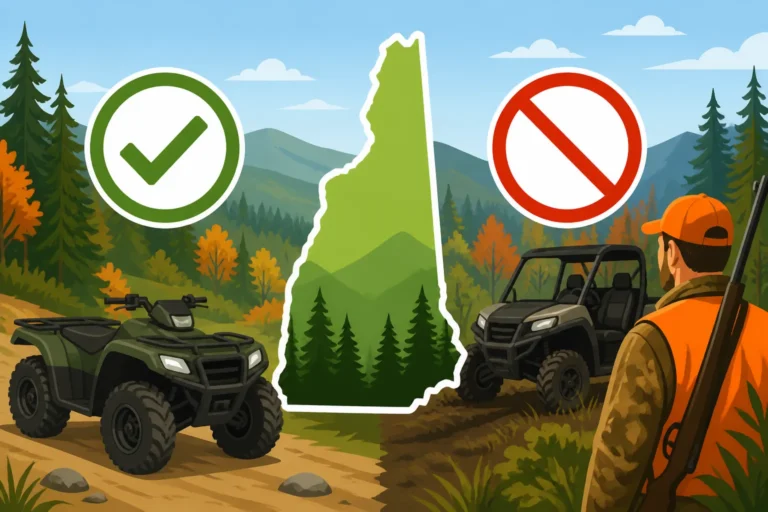
This distinction is perhaps the most critical one to grasp when considering ground blinds on New Hampshire WMAs. The New Hampshire Fish and Game Department generally takes a very clear stance: temporary, leave-no-trace setups are usually permissible, while anything resembling a permanent or semi-permanent structure is not. Ignoring this fundamental difference is one of the quickest ways to find yourself in trouble.
Understanding Temporary Blinds
When we talk about temporary blinds, we’re generally referring to manufactured, portable structures like pop-up blinds made of fabric or camouflage netting. These are designed to be set up, hunted from, and then taken down and removed from the WMA by the end of your hunting day. The key phrase here is "removed at the end of the day." You are expected to pack it in and pack it out. This same principle applies if you're using natural materials that are already dead and readily available on site. For example, piling up some fallen branches or deadfall around yourself for concealment is generally fine, as long as you don't cut down any live trees or branches, and you disperse the materials before you leave, returning the area to its natural state. Think minimal impact.
Imagine you're hunting a WMA near a field edge, and you want to use your pop-up blind. You arrive pre-dawn, set it up, hunt through the morning, and then pack it up completely when you head out, leaving no trace behind. This is typically well within the rules. The idea is that no one would know you were ever there, except for your footsteps.
The Problem with Permanent or Semi-Permanent Blinds
Here’s where most hunters inadvertently cross the line. Any structure that is built on site, involves cutting live vegetation, or is left in place for an extended period, even overnight, usually falls into the "permanent" or "semi-permanent" category and is generally prohibited on New Hampshire WMAs. This includes elaborate brush blinds that are continually added to, or even your pop-up blind if you leave it out for days or weeks, intending to return to it.
The reasons for this prohibition are practical and ecological. Building permanent structures can damage the habitat, as mentioned before. Leaving a blind out, even if it's a manufactured one, can quickly lead to it being classified as "abandoned property." Wildlife agencies often have regulations about abandoned property on public lands, and it can be seized or removed. Furthermore, leaving a blind unattended can invite vandalism or theft, creating more problems for everyone involved. For example, a hunter who builds a substantial hide out of logs and branches, perhaps adding a tarp for a roof, and then leaves their chair, heater, or other gear inside for the duration of the season, is almost certainly violating WMA rules. The intent is to prevent individual hunters from essentially claiming a piece of public land for their exclusive use.
Here’s a quick overview of the differences:
| Feature | Temporary Ground Blind (Generally Allowed) | Permanent/Semi-Permanent Ground Blind (Generally Prohibited) |
|---|---|---|
| Construction | Manufactured pop-up blinds, natural materials (deadfall) gathered on-site | Built structures, cutting live vegetation, structures affixed to trees/ground |
| Materials | Fabric, netting, dead branches/logs found on the ground | Lumber, metal, plastics, tarps left indefinitely, live vegetation from the area |
| Duration | Set up and removed within the same hunting day | Left out overnight, for multiple days, weeks, or permanently throughout a season |
| Impact | Minimal, leave-no-trace | Potential habitat damage, property abandonment, exclusive claiming of space |
| Regulations | Typically allowed under "temporary" use guidelines | Considered illegal structures or abandoned property, subject to fines/removal |
Practical Application and Ethical Considerations for WMA Blind Use
Knowing the rules is one thing, but applying them practically and ethically on the ground is where real experience comes in. It’s not just about what you can do, but what you should do to be a responsible hunter on shared public resources.
Smart Scouting and Placement
Before you even think about setting up a ground blind, thorough scouting is paramount. Tools like onX Hunt are incredibly valuable for clearly identifying WMA boundaries and understanding the terrain. You can pinpoint specific areas that might offer natural cover, negating the need for an artificial blind entirely. Sometimes, the best blind is no blind at all, simply using the natural contours and vegetation. Learning to effectively use the land, perhaps by Scouting New Hampshire Public Land Before Season or understanding how to move through terrain by Still-Hunting White Mountain National Forest Timber, can be more effective than any manufactured blind.
When you do choose a blind, think about its placement. Position it to maximize concealment while minimizing your impact. Can you tuck it into some existing brush without disturbing it? Is there a subtle rise in the terrain you can back it into? Also, consider visibility for safety. While blaze orange is required for the hunter, not the blind itself, many hunters will tie a piece of blaze orange fabric to the top of their blind or wear a blaze orange hat while inside, especially during firearms season. This alerts other hunters to your presence and reduces the chance of an accidental shooting. For details on what you need to wear, check out New Hampshire Blaze Orange Requirements.
Respecting the Environment and Other Hunters
The "leave no trace" principle extends beyond just removing your blind. If you use natural materials, ensure they are already dead and freely available. Do not cut live branches or damage standing trees. When you pack up, make sure everything you brought in comes out with you – this includes all trash, food wrappers, empty water bottles, and any parts of your blind. Even a small piece of fabric can become an eyesore or a hazard to wildlife.
Furthermore, public land is for everyone. This means respecting other hunters' space and efforts. Avoid setting up too close to another hunter's established spot, especially if they were there first. It’s always good practice to maintain a reasonable distance. Leaving items that "claim" a spot for an extended period, even a small piece of ribbon, can be seen as disrespectful and is often against the rules of fair access on public land. We all share this resource, and that shared experience is part of the beauty of hunting New Hampshire. Being aware of Hunting Pressure on New Hampshire Public Land can also inform your choices.
Staying Compliant and Avoiding Common Pitfalls
The rules can feel like they're always shifting, or at least hard to pin down definitively. But staying compliant is your responsibility as a hunter. The last thing you want is a run-in with a conservation officer or, worse, to inadvertently cause harm to the environment or other hunters.
Where to Find the Official Rules
Your absolute best resource for current regulations is always the New Hampshire Fish and Game Department. Don't rely solely on what you heard from a buddy or what was true five years ago.
- New Hampshire Hunting Digest: Get a physical copy or download the most recent year's digest. It's your bible for all hunting regulations, including specific WMA rules.
- NH Fish and Game Website: The official website is a treasure trove of information. Look for sections on specific WMAs or general hunting regulations.
- WMA-Specific Signage: Some WMAs might have additional rules posted at their access points. Always take a moment to read these signs.
Remember, laws and regulations can change, so always ensure you're referencing the current season's information. It's easy to get caught up in the excitement of the hunt, but a quick check can save you a lot of headache.
Consequences of Non-Compliance
Breaking WMA rules, even unintentionally, can lead to various penalties. These can include:
- Fines: Monetary penalties can range from minor to significant, depending on the severity of the violation.
- Property Seizure: Your ground blind, or any other illegally placed equipment, could be seized by conservation officers.
- Loss of Hunting Privileges: In serious cases, repeated violations could lead to the suspension or revocation of your hunting license.
It’s just not worth the risk. Understanding these rules is as important as your New Hampshire Hunter Education Requirements because it ensures the longevity of our hunting heritage.
Proactive Checks and Best Practices
Before heading out to a new WMA, or even a familiar one you haven't visited in a while, make it a habit to do a quick check of the regulations. You can use tools like GoHunt to stay abreast of broader game management plans and regional regulations, which can sometimes provide context for specific WMA rules. If you're ever truly unsure about a specific situation with your ground blind, the best course of action is to contact your local New Hampshire Fish and Game conservation officer. They are there to help and would much rather answer a question beforehand than deal with a violation after the fact.
In summary, the golden rule for ground blinds on New Hampshire WMAs is temporary, temporary, temporary. Pack it in, pack it out. Leave no trace. Adhering to this principle will keep you enjoying those prime WMA hunting spots for years to come.
Disclaimer
This article is for general informational purposes only and does not constitute professional advice. Laws, prices and regulations vary by location and change over time. Consult a qualified professional for guidance on your specific situation.