Rockingham County Public Hunting Access
Hunting in Rockingham County, New Hampshire, can feel like a puzzle with missing pieces. You know the deer are there, the turkeys are strutting, but actually finding a place to pursue them without stepping on private land or crossing into someone's backyard can be incredibly frustrating. This guide is here to walk you through the unique challenges and opportunities for finding public hunting access in this often-developed corner of the Granite State, helping you uncover those overlooked gems and make the most of your time afield.
The Reality of Hunting in Rockingham County
Let's be honest, Rockingham County isn't the vast, wild North Country that comes to mind when most people think of New Hampshire hunting. It's a place of bustling towns, growing communities, and a lot more "No Trespassing" signs than expansive timberlands. This presents a very specific set of challenges, but also, if you're willing to adapt, some unique rewards.
Understanding the Landscape
Rockingham County is characterized by a mix of suburban sprawl, smaller agricultural parcels, and fragmented woodlots. Unlike the sprawling wilderness of the White Mountain National Forest or the deep timber of the Connecticut Lakes Region, large, unbroken tracts of public land are far scarcer here. Development pressures are constant, and what might have been a quiet woodlot just a few years ago could now be a new housing development. This reality means hunters in Rockingham often face a landscape where finding substantial, unpressured public ground requires a different kind of effort and strategy. You're not looking for miles of untouched forest; you're looking for pockets, corridors, and overlooked corners.
The sheer number of people living in Rockingham also means that any available public land often sees higher pressure from hikers, dog walkers, and other outdoor enthusiasts, even outside of hunting season. This isn't necessarily a bad thing, but it means a hunter needs to be acutely aware of their surroundings and respectful of all users, as well as the proximity to residences. Understanding this fragmented and human-influenced landscape is the first step to successful hunting here.
Common Frustrations for Hunters
Many hunters moving into or living in Rockingham County express a similar feeling: "Where do I even go?" The frustration of driving past prime-looking habitat, only to see "Private Property" signs every hundred yards, is real. It's easy to feel like you're constantly encroaching or that all the good spots are taken. This can lead to less time spent scouting and more time feeling disheartened. The idea of "public land" in Rockingham might conjure images of small, heavily used parcels with limited game, leading some to believe their hunting dreams need to be put on hold or that they must seek private land permission, which itself is a challenging endeavor.
Another common frustration is the sheer legwork involved in identifying legal hunting areas. It's not always as simple as pulling up a single map. You might find a state park listed, only to discover hunting is highly restricted or only allowed in specific zones for specific periods. Town forests might allow hunting, but only with a special permit or under very strict conditions. This piecemeal approach can be exhausting, but it's crucial to overcoming the access puzzle in a densely populated county like Rockingham.
Navigating Public Access Options
Despite the challenges, public hunting access does exist in Rockingham County. It just requires a more diligent and often hyper-local approach to uncovering and utilizing it. Think of it as hunting for hunting spots itself.
State Forests and Wildlife Management Areas
New Hampshire Fish and Game manages several Wildlife Management Areas (WMAs) and other state lands throughout the state, and some exist, or are reasonably accessible, from Rockingham County. While WMAs in other regions might be expansive, those closer to population centers tend to be smaller, focused on specific habitat types like wetlands, or serve multiple recreational purposes. These areas are specifically acquired and managed for wildlife habitat and public recreation, including hunting. They are often excellent places for waterfowl, small game, and even deer, especially if they border larger, private tracts of undeveloped land.
It's vital to check the specific regulations for each WMA you consider, as rules can vary regarding parking, vehicle access, target shooting, and even the types of hunting allowed. Some might have special regulations to minimize conflicts with other users. State Forests, while also public, might have a broader recreational focus, so again, always consult the New Hampshire Fish and Game Department's digest or website for the most current rules. These state-owned parcels, even if small, can provide critical habitat and hunting opportunities, especially if you understand how to Hunt a Beaver Flowage Edge or target specific species.
Local Town Forests and Conservation Lands
This category is often the hidden gem for Rockingham County hunters. Many towns across New Hampshire own forest lands or have acquired conservation easements through land trusts. These parcels, while typically smaller, can offer significant hunting opportunities right in your backyard, often less pressured than larger state properties simply because they require local knowledge to find and understand. The catch? Rules vary wildly from town to town. Some town forests are open to hunting, others are not. Some require a specific local permit in addition to your state license.
Your first stop for these lands should be the town clerk's office or the local conservation commission. Their websites, or even a direct phone call, can often provide maps, rules, and contact information. Land trusts, like the Southeast Land Trust of New Hampshire (SELTNH), are also excellent resources. While their primary mission is conservation, many allow hunting by permission or under specific guidelines. These smaller, community-managed lands are where a hunter's initiative really pays off, offering a sense of local discovery that's hard to beat.
Utility Corridors and Rights-of-Way
Don't overlook the linear strips of public or semi-public land that crisscross the county. Think about powerline cuts, gas pipeline easements, and even some old rail trails (though many rail trails prohibit hunting, so always verify). These utility corridors, while not traditional "forest land," can act as vital travel routes for deer, turkeys, and other wildlife. They often cut through private parcels, creating accessible public pathways that animals readily use. Hunting along these corridors requires extreme caution and adherence to setback rules from roads and dwellings, but they can be incredibly productive, particularly for ambush hunting or still-hunting.
These linear features provide edges – and edges are magnets for wildlife. Deer often use them to move between larger woodlots, and turkeys might feed in the openings. The key is confirming legal access and understanding the specific rules for each corridor. A power company might own the land, but grant hunting access, or it might be an easement across private property where the easement holder allows certain activities. This is another area where tools like onX Hunt can be invaluable for identifying property lines and potential access points, helping you to differentiate a legal right-of-way from private land.
Tools and Strategies for Finding Access
The challenges of finding public hunting land in Rockingham County mean that hunters need to be resourceful and employ modern tools alongside good old-fashioned legwork.
Leveraging Mapping Applications
In a fragmented landscape like Rockingham County, mapping applications are your best friend. Services like onX Hunt or GoHunt have revolutionized how hunters find and navigate public land. They allow you to overlay property boundaries, identify landowners, and see public vs. private land at a glance, often with specific land manager information. You can use these apps to:
- Identify Small Public Parcels: What looks like continuous private land on a paper map might reveal small, overlooked town forests or conservation areas when viewed digitally.
- Locate Access Points: These apps often show trails, logging roads, and other potential entry points that might not be visible from a main road.
- Determine Setback Distances: You can measure distances to roads, buildings, and property lines, which is crucial for staying legal and safe in more populated areas.
- Scout from Home: By studying aerial imagery, you can identify potential pinch points, cover, and food sources before ever setting foot in the woods. This is especially helpful when dealing with smaller, potentially busy tracts. Reading Aerial Photos for North Country Deer tactics can be adapted to any landscape, even the more developed southern counties.
While these tools are fantastic, remember they are guides, not gospel. Always cross-reference with local regulations and signage. But for identifying that sliver of green that might hold deer, they are indispensable.
The Power of Local Research
Beyond apps, good old-fashioned local research is paramount. This means more than just a quick Google search. It means:
- Visiting Town Offices: The town clerk or conservation commission often maintains maps and records of town-owned lands, including any specific hunting regulations. Don't be shy about calling or stopping by during business hours.
- Checking Land Trust Websites: Many land trusts actively manage properties for conservation and public access. Their websites will detail which properties are open for hunting and what rules apply.
- Engaging with Local Sportsman's Clubs: These organizations are a wealth of local knowledge. Members often know about accessible spots, landowner relationships, and specific conditions that might not be advertised elsewhere. They can also connect you with opportunities like Joining a New Hampshire Hunting Club.
- Reading Meeting Minutes: Conservation commission or select board meeting minutes (often available online) can sometimes reveal discussions about new land acquisitions, management plans, or changes to recreational access rules.
This ground-level research helps you uncover those less-obvious hunting opportunities and ensures you're fully compliant with all local ordinances, building a good reputation for hunters in the process.
Networking with Fellow Hunters
Never underestimate the power of connection. Talking with other hunters, whether at a local sporting goods store, a gun club, or through online forums, can open doors you didn't even know existed. While no one is going to give away their secret spot, many experienced local hunters are willing to share general areas or types of properties that have historically offered good access. They can also provide invaluable insights into hunting pressure, game behavior in specific areas, and even tips for approaching landowners for private permission.
This kind of informal network can lead to invites to group hunts, tips on underutilized parcels, or simply a better understanding of the overall hunting landscape in Rockingham County. Building these relationships fosters a stronger hunting community and ensures that knowledge about public access continues to be shared responsibly among those who cherish it.
Maximizing Your Hunting Success on Public Land
Hunting in Rockingham County's public access areas requires more than just finding a spot; it demands a strategic approach to actually hunt that spot effectively.
Adapting Tactics to Pressure
Public lands, especially those close to population centers, often experience higher human pressure. This isn't just from other hunters, but also from hikers, mountain bikers, dog walkers, and other recreational users. Deer and turkeys in these areas are often more nocturnal, more wary, and more likely to use thick cover as sanctuary. Your tactics need to adapt.
- Hunt the Edges and Fringes: Animals will often stage in thick cover adjacent to public access areas, venturing out only when human activity lessens. Focus your efforts on these transitional zones.
- Early Morning and Late Evening: These are typically the times of least human activity, and when game is most likely to be moving.
- Hunt During Inclement Weather: Rainy or snowy days often deter other outdoor enthusiasts, leaving the woods quieter for hunters. Just make sure you're geared up for it!
- Seek Out Difficult Terrain: Areas with steep slopes, dense blowdowns, or swamps often see less human traffic. Learning how to Hunting a Ridge-Top Saddle for Rutting Bucks or working a Hunting a Beaver Flowage Edge at Dusk can pay off.
- Use Ground Blinds: For areas with limited tree stand options or high human traffic, a well-brushed-in ground blind can offer concealment and flexibility. Using a Ground Blind on Public Land is a great skill to develop.
The key is to understand that these animals are accustomed to human presence and have adapted their routines. By thinking like them and anticipating their movements, you can still find success.
Respecting Boundaries and Regulations
In Rockingham County, where private land and residences are never far, strict adherence to boundaries and regulations is not just about staying legal; it's about maintaining public goodwill and ensuring continued access for all hunters. A single incident of trespassing or unsafe shooting can jeopardize hunting access for an entire town forest or conservation area.
- Know Your Setbacks: Be intimately familiar with New Hampshire's legal setback distances for discharging firearms and archery equipment from dwellings, roads, and other specific areas. This information is critical, especially when Hunting Small Woodlots Near Manchester or any other suburban fringe area.
- Carry Maps and GPS: Even if you think you know the area, property lines can be subtle on the ground. Use your onX Hunt app or other GPS device to confirm your exact location at all times.
- Be Visible: Always wear the required blaze orange during firearms seasons. Even during archery season, consider some blaze orange on your walk in and out, especially if other users are present.
- Leave No Trace: Pack out everything you pack in, and perhaps even a little more. This shows respect for the land and other users.
- Follow All Specific Rules: If a town forest requires a specific permit, get it. If a WMA has a no-vehicle rule, respect it. These small acts of compliance make a big difference.
Adhering to these principles is essential. It's about being a responsible ambassador for hunting in New Hampshire.
Scouting Smart in Limited Areas
When you're dealing with smaller public parcels, your scouting efforts become even more critical. You can't just wander for miles hoping to cut a track; you need to be precise and efficient.
- Focus on Funnels and Pinch Points: Look for natural funnels where deer and other game are forced to travel through a narrower corridor. This could be a strip of woods between two fields, a brushy fence line, or a crossing point on a small stream. Working a Connecticut River Bottomland Funnel tactics apply to any river or stream system.
- Identify Bedding and Feeding Areas: Even in small woodlots, deer will have distinct bedding areas (often dense thickets or cover) and feeding areas (oaks, apple trees, agricultural edges). Look for fresh rubs, scrapes, tracks, and droppings to confirm activity. Understanding Where New Hampshire Bucks Bed in Thick Cover is key to targeting these animals.
- Observe Neighboring Private Land: While you can't hunt private land without permission, understanding how animals use adjacent private property (where they might feed or bed unpressured) can inform where they enter or exit public land. This helps you set up on the border to intercept them.
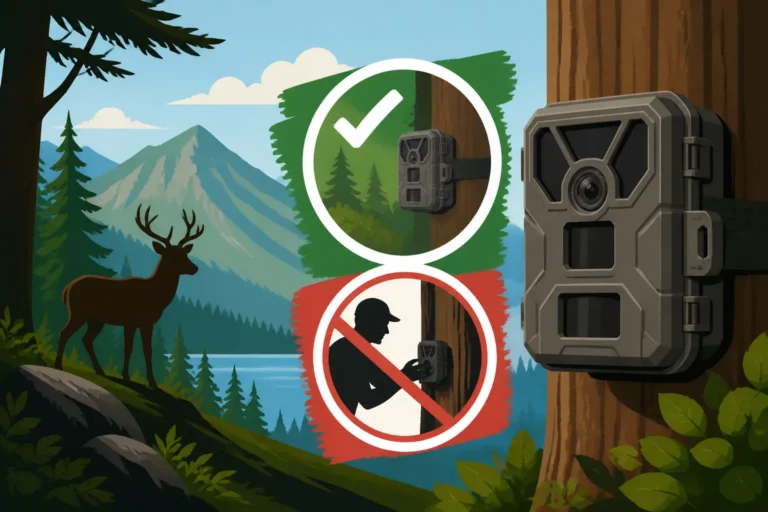
- Use Trail Cameras Judiciously: If allowed (always check public land rules), trail cameras can help you understand game movement patterns and timings without constantly being present and pressuring the area. Trail Camera Placement on Public Land needs to be done ethically and legally.
By concentrating your scouting efforts on these key areas, you increase your chances of finding a patternable animal in even the smallest public land parcels of Rockingham County.
Here's a quick overview of public land characteristics you might encounter in Rockingham County:
| Public Land Type | Typical Size | Primary Management Focus | Common Access Rules | What to Expect for Hunting |
|---|---|---|---|---|
| State Forest / WMA | Small to Medium | Wildlife habitat, public recreation | State Fish & Game rules; specific WMA regulations | Good for diverse game, potentially higher pressure |
| Town Forest | Small | Conservation, recreation, timber | Town-specific ordinances; may require local permit | Variable, can be overlooked, good local knowledge required |
| Conservation Easement | Small to Medium | Habitat protection, public access | Land trust rules; may require explicit permission | Often low pressure, good habitat, check specifics carefully |
| Utility Corridor | Linear (narrow, long) | Infrastructure maintenance | Company/easement holder rules; setback awareness | Good for travel corridors, ambush spots, check legality |
This article is for general informational purposes only and does not constitute professional advice. Laws, prices and regulations vary by location and change over time. Consult a qualified professional for guidance on your specific situation.