Hunting a Ridge Above a North Country Bog
Hunting the vast, wild stretches of New Hampshire’s North Country can feel like trying to find a needle in a haystack, especially when you’re facing dense, often impenetrable bogs. It’s easy to get discouraged by the sheer difficulty of navigating these swampy lowlands. But what if the key to unlocking the incredible potential of these areas isn't by slogging through the bog itself, but by strategically hunting the elevated terrain right above it? This guide will show you how to leverage those often-overlooked ridges to your advantage.
Understanding the North Country Bog Ecosystem and Its Ridges
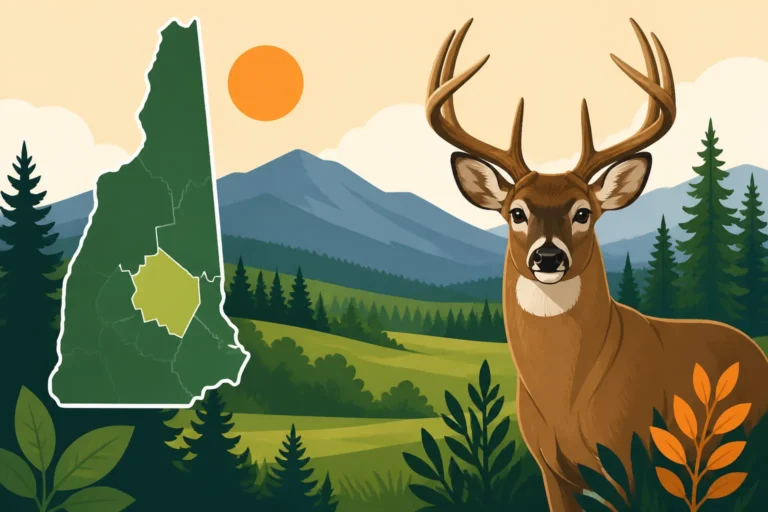
The North Country of New Hampshire is a wild, rugged landscape, and its bogs are a quintessential part of that character. These wetlands, often dotted with stunted black spruce, tamarack, and thick rhodora, are teeming with wildlife, yet present significant challenges for hunters. Understanding why game animals frequent these areas and how to approach them from the high ground is the first step to success.
Why Bogs Are Game Magnets (and Challenges)
Imagine a prime habitat for deer, moose, and bear: abundant food sources, thick cover for bedding and escape, and a constant water supply. That's exactly what a North Country bog offers. For white-tailed deer, the dense undergrowth and cedar swamps provide crucial thermal cover, especially as winter approaches. They can retreat into these tangled masses to escape hunting pressure, making them frustratingly difficult to pursue. Moose, being semi-aquatic browsers, thrive on the various aquatic vegetation and willow thickets found within and around bogs. They use the cool, wet environment to escape summer heat and insect pressure, and often bed down in the surrounding softwoods. Bears, ever the opportunists, will frequent bogs for berries, acorns, and to escape detection.
The challenge, of course, is getting to them. Bogs are notorious for being wet, muddy, and often choked with nearly impenetrable vegetation. Scent control becomes a nightmare, noise is hard to minimize, and movement is exhausting. It's easy to get turned around, and recovering an animal from deep within a bog can be a monumental task. Many hunters simply write off these areas as "too tough," but that's where the opportunity lies for those willing to look from a different perspective.
The Strategic Importance of Elevated Terrain
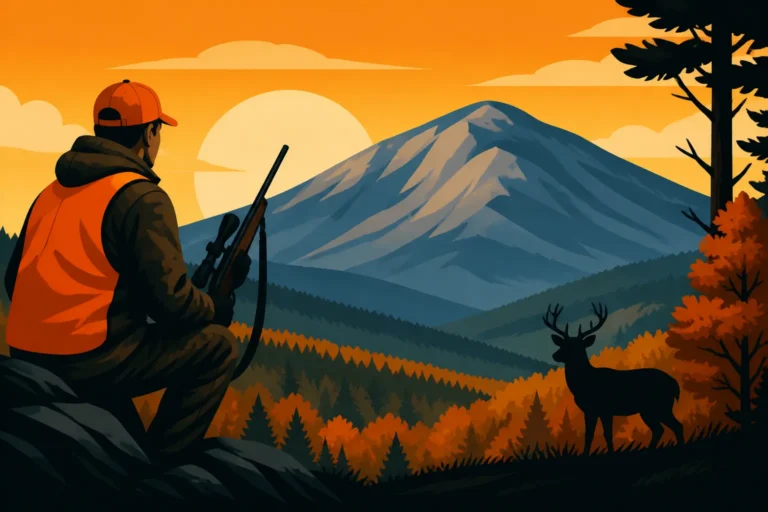
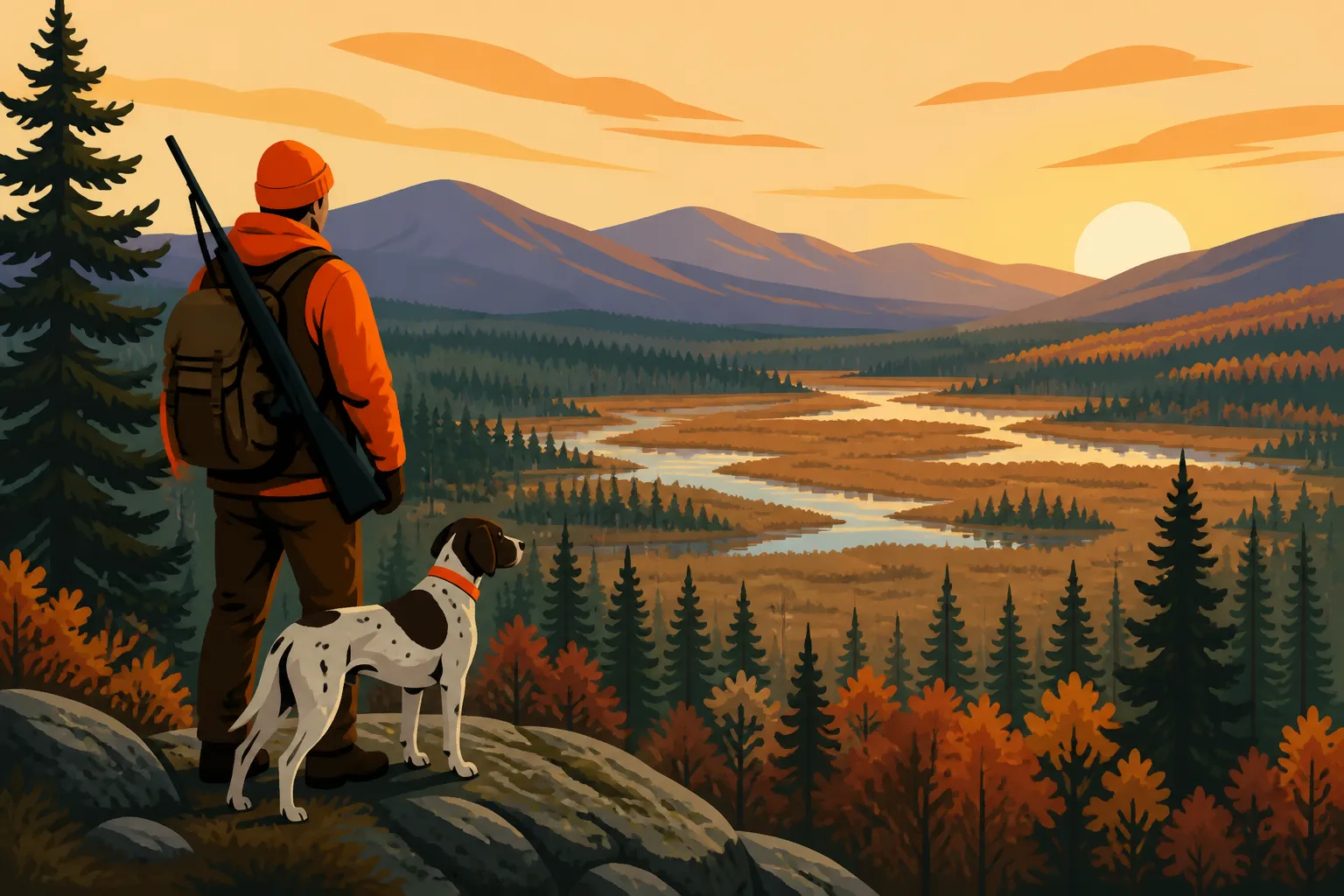
This is where the ridges overlooking these bogs become your secret weapon. Animals use bogs for sanctuary, but they often travel to and from them via the higher, drier ground. A ridge provides several critical advantages that you simply won't get down in the muck. First and foremost, elevation offers a superior vantage point. From a ridge, you can often see into the edges of the bog, observe travel corridors, and even spot animals moving through thinner sections that would be completely hidden at ground level.
Secondly, ridges interact favorably with thermals. In the morning, cool air from the high ground typically drains down into the low-lying bog. In the evening, the air warms and rises from the bog, pulling scent up with it. Understanding and predicting these thermal currents, as discussed in Wind and Thermals in Steep Granite Terrain, allows you to position yourself so your scent is carried away from the likely approach paths of game. This natural air movement is a huge asset in the notoriously shifty winds of varied terrain. Thirdly, ridges often act as natural travel corridors, funneling game along paths of least resistance. Deer will use benches and saddles along a ridge to travel between feeding and bedding areas, often without dropping all the way into the bog itself. Moose will follow ridge lines to move between different parts of their home range, and bears will use them for travel and to escape from the low country.
Identifying Productive Bog-Adjacent Ridges
Not all ridges are created equal when it comes to hunting over a bog. The most productive ones usually share a few key characteristics. Look for ridges that create a pinch point or funnel between two distinct boggy areas or between a bog and a larger block of upland cover. These are natural places for game to concentrate their movement. Pay attention to how the ridge slopes into the bog—gradual slopes might have more subtle travel paths, while steep drop-offs could create distinct game trails along the top edge or benches just below the crest.
Utilizing modern mapping tools like onX Hunt or GoHunt is absolutely essential here. These apps allow you to study contour lines, identify saddles, benches, and potential funnels without ever stepping foot in the woods. You can layer satellite imagery over topo maps to see the actual vegetation density and identify potential openings or transition zones. Look for finger ridges extending down into the bog, or areas where the bog narrows and the ridge comes closer. These are prime candidates for setting up. Also, consider the prevailing winds and how they interact with the ridge—you want a setup that consistently puts your scent away from where you expect game to appear.
Scouting and Planning Your Ridge Hunt
Successful hunting on a North Country ridge overlooking a bog doesn’t happen by accident. It’s the result of diligent pre-season scouting and meticulous planning. This isn't just about finding game; it's about understanding why they use certain areas and how you can intercept them.
Pre-Season Scouting for Sign
Even if you can't or don't want to venture deep into the bog, the edges and the connecting ridges will tell a story. Look for fresh deer sign: rubs, scrapes, and well-worn trails coming out of the bog or paralleling its edge along the ridge. These indicate active travel patterns. Keep an eye out for bedding areas on the ridge itself, often just a short distance from the safety of the bog, or thick cover within the bog where deer feel secure. You might find droppings that provide clues to their diet. Moose sign is usually distinct: large tracks, heavy browse lines on saplings, and beds that look like a small crater where they've flattened vegetation. Bear sign can include scat, overturned rocks or logs, and claw marks on trees. Look for these indicators not just on the ridge crest, but also on the benches and sidehills that lead down toward the bog.
Don't forget to look for historical sign too. Old rubs can indicate a buck's preferred travel routes year after year, even if he's not actively using them during your scouting trip. Pay close attention to any areas of soft ground or mud at the bog's edge or along a wet trail. This is where you can truly Reading New Hampshire Mud for Fresh Deer Movement to get a clear picture of what game is moving through and how recently.
Leveraging Topographic Maps and Aerial Imagery
Your scouting doesn't begin in the woods; it starts at home with detailed maps. Tools like onX Hunt and GoHunt are indispensable for hunting these complex landscapes. Start by identifying the bog itself, then look for prominent ridges or fingers of high ground that extend into or along its perimeter. Focus on areas where the contour lines are tight, indicating steep terrain, as well as areas where they spread out, forming benches or saddles. These are natural funnels where animals will often choose to travel.
Overlaying aerial imagery allows you to see the vegetation patterns. Can you spot any breaks in the thick cover within the bog that might offer a shooting lane or a glimpse of an animal? Are there any clearings or edges where different timber types meet? These transition zones are often hotspots. Look for logging roads or old skid trails that might provide easier access or funnel game. Pay particular attention to any features that could create a pinch point, such as a narrow neck of land between two boggy areas or a rock outcrop on the ridge that forces game to go around. Mark potential stand locations, escape routes, and alternative access points on your digital map.
Wind, Thermals, and Access Routes
Understanding how wind and thermals behave in steep, broken terrain is critical. Morning thermals typically pull air (and your scent) downhill into the bog. Evening thermals reverse, drawing air (and your scent) uphill. This dynamic means you need to plan your approach and stand placement carefully. For a morning hunt, you might want to set up on the lee side of the ridge, or on a bench below the crest, so that your scent blows over the bog as game moves up from bedding. In the evening, reversing that strategy might be best. Always check the forecasted wind direction, but be prepared for thermals to override or significantly alter local wind patterns, especially at dawn and dusk.
Planning quiet access routes is just as important. You want to approach your stand without alerting every animal in the bog. Use natural terrain features like ditches, creek beds, or dense thickets to mask your approach. Avoid skylining yourself on the ridge crest. Consider how your entry and exit routes will affect game movement—you don't want to blow deer out of the bog as you're walking in or out. Sometimes, a longer, more circuitous route is the quietest and most effective. For more on this, check out Scouting New Hampshire Public Land Before Season.
Hunting Strategies for Ridge-Bog Transitions
Once you’ve scouted, mapped, and planned, it’s time to put boots on the ground. The way you hunt a ridge above a North Country bog will depend on your target species and your chosen method. Whether you're bowhunting for a big buck or trying to fill a moose tag, strategy is key.
Stand Placement for Whitetails
For whitetails, setting up an elevated stand is often the most effective approach on a ridge overlooking a bog. A treestand gives you a better vantage point, allows your scent to dissipate higher, and provides a clear shot down into the bog edges or along the ridge itself. Look for trees that offer natural camouflage and are along a suspected travel corridor. Often, deer will skirt the very edge of the bog, using the drier ground of the ridge as their preferred path. A stand placed a bit back from the immediate edge, looking down into the transition zone, can be deadly.
Think about pinch points and funnels again. A saddle on the ridge, a narrow strip of hardwoods between the bog and an open area, or a natural bench where trails converge are all prime locations. If treestands aren't an option due to lack of suitable trees or personal preference, a ground blind can work, especially if you can brush it in effectively and the wind is consistently in your favor. Remember, the goal is to intercept deer moving between the security of the bog and their feeding or wider travel areas. Pay attention to how deer use the ridge during different parts of the season. Early season might see them closer to the bog's resources, while during the rut, they might be cruising the ridge tops more actively looking for does. For more on this, refer to Hanging a Stand on a Granite Ridge.
Still-Hunting and Drives for Moose and Bear
While stand hunting is effective for deer, moose and bear often require a more active approach, particularly in the vastness of the North Country. Still-hunting the ridge lines above a bog can be incredibly productive for both species. Move slowly, taking one or two steps, then pausing for several minutes to glass and listen. Use your optics to pick apart the dense vegetation within the bog, looking for a patch of dark hide or an antler tine. When still-hunting for moose, move into the wind or crosswind, paying attention to any fresh browse or tracks leading from the bog. For bears, look for overturned rocks or logs, or scat, indicating recent activity. Still-hunting allows you to cover ground while being stealthy enough to surprise an animal moving along the same ridge. You can find more insights on this in Still-Hunting White Mountain National Forest Timber.
Drives can also be effective, especially for flushing moose or bear from the impenetrable depths of a bog onto the higher, more open ground of a ridge. This often requires multiple hunters, with some acting as "drivers" pushing through the bog (or along its edge), and others as "posters" set up on key travel corridors on the ridge. Communication is paramount, and safety should always be the top priority. Understand New Hampshire Bear Season Dates by WMU and moose season specifics before planning any drives. The challenge of a bog drive is immense, but the payoff can be huge if you successfully push game out.
Calling Techniques from the Ridge
The elevation of a ridge allows your calls to carry further and potentially sound more natural to distant animals. For deer, subtle grunt calls and rattling can be very effective, especially during the rut. A buck cruising the ridge might respond to a grunt call that sounds like another buck. During the peak rut, aggressively rattling from a high point can sometimes draw in a curious buck from the bog below. Learn more about effective calling techniques in Rattling and Grunting New Hampshire Bucks.
For moose, the ridge offers an excellent platform for calling. Cow calls and bull grunts can travel long distances, echoing across the bog. Calling a bull moose, especially in late October, from an elevated position might pique his curiosity and draw him up onto the ridge to investigate. The key is to project your calls while minimizing your visible movement. For bear, a distress call can sometimes work, but is often less reliable than for moose or deer. If you've located a bear or suspect one is in the bog, subtle vocalizations can sometimes get a reaction. Always be prepared for a quick shot when calling, as animals can appear silently.
Gear and Safety Considerations for North Country Ridge Hunting
Hunting above a bog in the North Country isn't a walk in the park. It demands specific gear and a strong emphasis on safety to handle the remote, rugged conditions. Being prepared can make the difference between a successful, enjoyable hunt and a dangerous situation.
Essential Gear for Rough Terrain
Your footwear is paramount. You need boots that are waterproof, offer excellent ankle support, and have aggressive tread for navigating slippery rocks, muddy slopes, and possibly wet ground at the bog's edge. Many hunters opt for insulated rubber boots or high-quality leather boots treated for waterproofing. Layers are also critical. New Hampshire weather, particularly in the North Country, can change rapidly. Start with a good wicking base layer, add insulating layers, and top it with a waterproof/windproof outer shell. This allows you to adjust to changing temperatures and activity levels. For advice on appropriate footwear, consider Boots for North Country Bog Hunting.
Beyond clothing, a quality backpack is essential for carrying all your gear, food, water, and emergency supplies. Good optics—binoculars are a must, and a spotting scope can be incredibly helpful for picking apart distant bog edges or clear-cuts—will help you spot game before it spots you. A reliable GPS unit or a smartphone with a robust mapping app like onX Hunt, loaded with offline maps, is non-negotiable. Cell service is often nonexistent in these remote areas. Don't forget a headlamp, a knife, rope, and basic survival items.
Safety in Remote North Country
Hunting in New Hampshire's North Country, especially near bogs and on remote ridges, means you are often miles from help. Prioritize safety. Always tell someone exactly where you are going and when you expect to return. Share your map with them, marking your planned route and emergency rendezvous points. Consider carrying a satellite communicator (like a Garmin inReach or a Zoleo) that allows you to send and receive messages and, critically, send an SOS signal even without cell service. This is truly a life-saving piece of equipment for solo hunters or those venturing deep into the backcountry.
Pack a comprehensive first-aid kit that includes supplies for major trauma, not just minor scrapes. Be prepared for sudden weather changes—temperatures can drop dramatically, and rain or snow can move in quickly. Hypothermia is a real risk. Carry enough water and food for unexpected delays. Be aware of wildlife, particularly bears, and know how to react in an encounter. A personal locator beacon (PLB) is another excellent piece of gear for extreme remote hunting. For more information on what to pack, check out Best First Aid Kit for a Remote Hunt.
Field Dressing and Extraction Challenges
Even after a successful shot, the hard work is far from over. Field dressing an animal on a steep ridge, or even at the edge of a bog, presents unique challenges. For deer, you might be able to drag it to a more accessible area. For larger animals like moose, quartering the animal in the field is almost always necessary. This means having the right tools: a sharp knife, a bone saw, game bags, and perhaps a small tarp or plastic sheet to keep meat clean.
Extracting an animal from a remote ridge above a bog can be physically grueling. If you've quartered a moose, you'll need a robust pack frame to carry out the meat, often over rugged, uneven terrain. Consider the distance to the nearest accessible road and the steepness of the climb. If you have partners, sharing the load is crucial. A game cart might be an option if the terrain allows for it, but in truly rough North Country, they can be more of a hindrance than a help. Planning your extraction route in advance is just as important as planning your hunting route. Understanding Packing Meat Out of a North Country Bog is essential for preserving your harvest.
By carefully considering the unique dynamics of North Country bogs and their adjacent ridges, and by being thoroughly prepared, you can significantly increase your chances of a successful and safe hunting adventure in some of New Hampshire's wildest landscapes.
| Strategy Type | Target Species | Typical Location | Key Advantage | Challenges |
|---|---|---|---|---|
| Stand Hunting | Deer, Bear | Ridge edges, saddles, benches | Elevated vantage, scent control with thermals | Limited mobility, wind shifts, visibility in dense bog |
| Still-Hunting | Deer, Moose, Bear | Ridge lines, slopes | Covers ground, stealthy, adaptive | Requires immense patience, difficult in thick cover |
| Drives | Moose, Bear | Pushing from bog to ridge | Flushes game from dense cover | Requires multiple hunters, coordination, safety risks |
| Calling | Deer, Moose | Ridge vantage points | Sound travels far, can lure game from bog | Game may circle downwind, can alert other hunters |
Disclaimer
This article is for general informational purposes only and does not constitute professional advice. Laws, prices and regulations vary by location and change over time. Consult a qualified professional for guidance on your specific situation.