Muzzleloader Gear for New Hampshire’s Ten-Day Season
Stepping into New Hampshire's ten-day muzzleloader season often feels like stepping back in time, yet the modern challenges of our diverse terrain and unpredictable late-fall weather demand thoroughly modern preparation. Many hunters find themselves frustrated, trying to make do with suboptimal gear that just doesn't cut it when the temperature drops, the snow flies, or that critical shot needs to be placed just so. This comprehensive guide is here to cut through the confusion and equip you with the knowledge to select the right muzzleloader gear, ensuring you're comfortable, confident, and effective when you head into the New Hampshire woods for this unique and challenging hunt.
Understanding New Hampshire's Muzzleloader Season Challenges
New Hampshire's muzzleloader season is a distinct window, often falling right on the cusp of true winter, nestled between the archery and firearms seasons. This timing, combined with the Granite State's varied landscape, presents a specific set of challenges that directly influence your gear choices. Ignoring these unique hurdles can lead to a less-than-successful hunt, or worse, an uncomfortable and potentially unsafe experience.
Weather Extremes During the Ten-Day Window
You might start the muzzleloader season with crisp, cool mornings and comfortable daytime temperatures, perhaps even a touch of Indian summer lingering. However, in New Hampshire, that can change on a dime. By the end of the ten days, especially if you're hunting in the higher elevations or the North Country, you could be facing bitter cold, heavy snow, or freezing rain. This rapid shift in conditions is a major consideration for everything from your clothing layers to how well your muzzleloader performs. Imagine sitting on a ridge overlooking a beaver flowage, perfectly still, when a squall rolls in, dropping the temperature twenty degrees and turning a light drizzle into a driving sleet. Your gear needs to withstand that. You need to be prepared for everything from damp, chilly air to bone-numbing cold, and often within the same hunting trip.
A wet powder charge or a frozen primer can render your muzzleloader useless in a crucial moment. The cold will test your gloves, your boots, and your resolve. Staying warm and dry isn't just about comfort; it's about maintaining focus and dexterity for safe and ethical hunting. The very essence of muzzleloader hunting, with its single shot capability, amplifies the need for reliable equipment in these unpredictable conditions. You don't get a quick follow-up if your gun misfires due to moisture.
Navigating Diverse Terrain
From the sprawling hardwood ridges of the southern tier to the thick softwoods and rugged granite ascents of the White Mountains, New Hampshire offers a tremendous variety of hunting terrain. This means your gear can't be a one-size-fits-all solution; it needs to be adaptable. A hunt for deer along the agricultural fields of the Connecticut River Valley will demand different footwear and packing considerations than still-hunting for a buck in the steep, rocky ravines of the Monadnock region.
The challenge isn't just about walking; it's about navigating silently, often in low light, and being prepared for whatever the landscape throws at you. Steep climbs will demand good traction and ankle support. Wet, marshy areas, especially around prime late-season food sources like beaver flowages, will test the waterproofing of your boots and gaiters. Dense brush and thick evergreen stands require durable outer layers that won't snag or tear easily. Your ability to move stealthily and safely through these varied environments is directly tied to the quality and suitability of your gear. Planning for the specific WMU and type of land you'll be hunting is absolutely crucial.
Specific Muzzleloader Regulations
New Hampshire has specific regulations governing what constitutes a legal muzzleloader for deer hunting. This isn't a state where anything goes; you need to be aware of the rules to ensure you're compliant. Typically, this means an un-scoped firearm, often .40 caliber or larger, loaded with a single projectile, and using black powder or a legal substitute. The "un-scoped" rule is a major differentiator from the firearms season and significantly impacts how you select your sighting system.
While the rules can vary slightly by species or unit, for deer, it's generally open sights or peep sights. This means your accuracy relies heavily on your eyesight, the quality of your chosen sights, and your practice at reasonable distances. It's not like dialing in a modern rifle scope. Additionally, understanding the loading process — whether you're using loose powder and patched round balls, or more modern sabots and pelletized powder — is paramount. Legal sabots and bullets need to be chosen carefully to match your bore and the state's requirements. Always check the current New Hampshire Fish and Game digest for the most up-to-date and precise regulations, as they can sometimes be updated.
Choosing Your Muzzleloader: Type, Caliber, and Ignition
The heart of your muzzleloader hunt is, naturally, the muzzleloader itself. Making the right choice here isn't just about personal preference; it's about understanding how different designs perform in New Hampshire's hunting conditions and within its regulatory framework. This decision will influence your accuracy, reliability, and ultimately, your success in the field.
In-Line Muzzleloaders vs. Traditional Percussion
When most folks think about a muzzleloader today, they often picture an in-line design. These are typically more modern, featuring a straight-line ignition system where the primer sits directly behind the powder charge. This setup tends to offer more consistent and reliable ignition, especially in adverse weather, because the spark path is more direct and often better sealed from moisture. They are also generally easier to load, clean, and maintain, appealing to hunters who want modern performance from a "primitive" weapon. Many in-lines are designed for saboted bullets and pelletized powder, offering rifle-like accuracy out to respectable distances. For a hunter looking for maximum reliability and ease of use in the New Hampshire woods, an in-line muzzleloader is often the go-to choice.
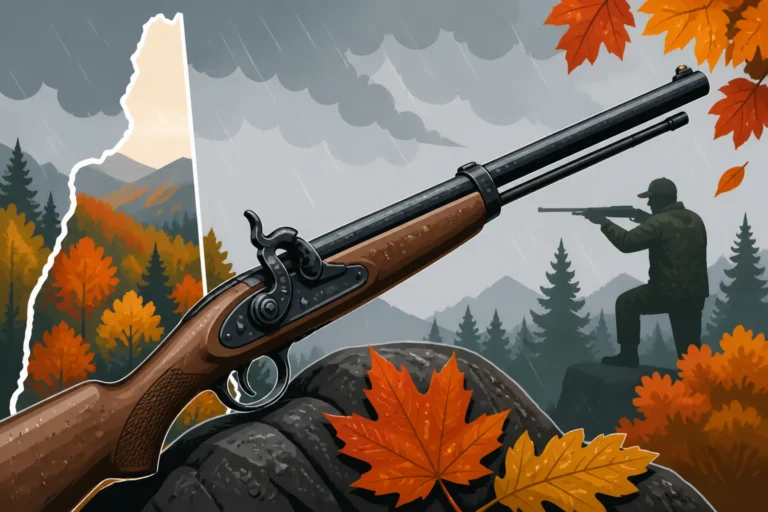
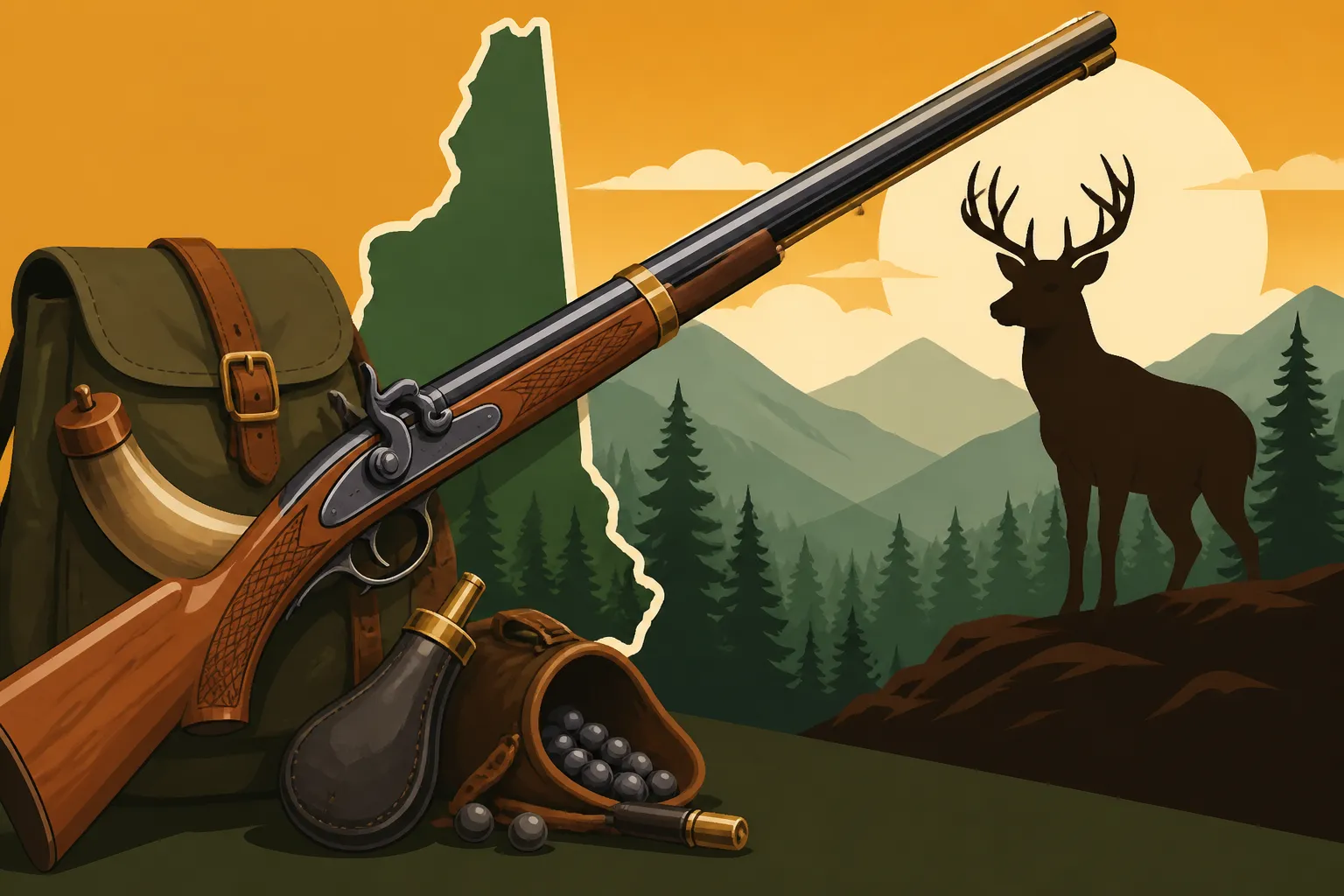
On the flip side, you have traditional percussion cap or flintlock muzzleloaders. These are often chosen for their historical appeal and the added challenge they present. A percussion cap gun uses a small cap placed on a nipple, which is then struck by the hammer, igniting the powder. Flintlocks use a piece of flint striking a steel frizzen to create a spark. While incredibly rewarding to hunt with, they require a bit more skill and attention, particularly in wet or cold weather. Ignition can be less reliable than with an in-line, and loading can be a slower, more deliberate process. For the dedicated traditionalist hunting the New Hampshire season, the challenge is part of the allure, but it demands meticulous preparation and practice. Regardless of type, the "no scope" rule during New Hampshire's specific muzzleloader season means you'll be relying on iron sights, so practice is essential.
Ideal Calibers for New Hampshire Big Game
For deer in New Hampshire, the legal minimum for muzzleloaders is typically .40 caliber, but most hunters opt for .50 caliber. Why .50 caliber? It strikes an excellent balance between stopping power, trajectory, and recoil. A .50 caliber projectile, especially when using modern sabot designs, delivers plenty of energy for a clean, ethical kill on a whitetail deer. It's a widely available caliber, meaning you'll have a good selection of bullets, sabots, and accessories to choose from. While a .45 caliber is also popular and legal, often chosen for its flatter trajectory with certain bullet designs, the .50 caliber remains a classic for good reason. For larger game like bear or even a once-in-a-lifetime moose tag (should regulations allow muzzleloaders for those species in the future, which isn't currently the norm for moose), the .50 caliber provides ample punch.
When selecting your caliber, consider not just the numbers, but the overall bullet weight and design. Heavy, conical bullets or modern sabot designs will perform differently than traditional patched round balls. The goal is to choose a caliber and projectile combination that you can shoot accurately and that delivers sufficient energy for humane kills within the effective range of your open sights. Don't go for the biggest caliber just because you think it's "better"; accuracy with a well-placed shot is always superior to a poorly placed shot from a larger, harder-recoiling weapon.
Ignition Systems and Reliability
The ignition system is the critical link between your trigger pull and the powder charge. For in-line muzzleloaders, the most common ignition is the 209 shotgun primer. These primers are designed to provide a hot, consistent spark, and many in-line designs incorporate features to protect them from moisture and fouling. Some modern in-lines even have fully enclosed or sealed breach plugs, further enhancing reliability in wet conditions. The ease of handling and robustness of 209 primers make them a favorite for hunters who prioritize consistent ignition.
Traditional percussion systems rely on smaller percussion caps (often #11 or musket caps) placed on an external nipple. While they work, they are more exposed to the elements. A tiny drop of rain or a speck of snow can find its way into the primer, leading to a misfire. Flintlocks, with their exposed pan and frizzen, are even more susceptible to moisture, requiring careful sealing with grease or a pan cover in wet weather. If you're using a traditional system, carrying extra caps or flints, and keeping them absolutely dry, is paramount. A small, waterproof container for your primers is not just a good idea, it's essential. No matter the system, clean nipples, breach plugs, and touchholes are key to reliable ignition. Proper maintenance after every shot, and especially after every hunt, will ensure your muzzleloader is ready when that New Hampshire buck steps out.
Ammunition Selection for Performance and Accuracy
Choosing the right ammunition for your muzzleloader is as critical as choosing the firearm itself. Unlike centerfire rifles where factory loads are precisely engineered, muzzleloader ammunition involves a combination of components: the projectile, the propellant, and the primer. Each element needs to work in harmony with your specific muzzleloader and the conditions you'll encounter during New Hampshire's Muzzleloader-Only Ten Days.
Bullet and Sabot Choices
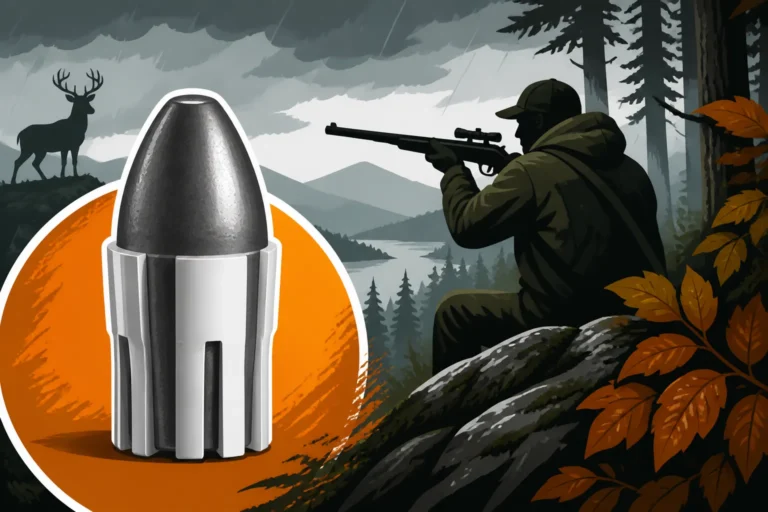
The projectile is what ultimately hits your target, and modern muzzleloader bullets have come a long way. For in-line muzzleloaders, saboted bullets are incredibly popular. A sabot is a plastic sleeve that allows a smaller-diameter bullet (like a .45 or .40 caliber) to be fired through a larger-bore muzzleloader (like a .50 caliber). Once the bullet leaves the barrel, the sabot peels away, leaving the bullet to fly on its own. These combinations often offer superior accuracy, higher velocities, and flatter trajectories compared to traditional projectiles. You'll find a wide array of sabot designs, from hollow points for rapid expansion to bonded core bullets for deep penetration, making it critical to choose one that performs well in your particular barrel and is suitable for deer. Many hunters swear by specific sabot brands like Hornady SST or Barnes Expander for their consistent performance.
For traditional muzzleloaders, or for hunters who prefer a simpler approach with in-lines, solid lead conical bullets or patched round balls are common. Conical bullets are heavier, typically made of lead, and engage the rifling directly. They hit hard but often have a more rainbow-like trajectory than saboted bullets. Patched round balls, while historically accurate and capable of surprising accuracy at close ranges, generally have lower velocities and much more pronounced trajectories, limiting their effective range significantly. When selecting, consider your typical shot distance and the game you're pursuing. Test different bullet weights and designs at the range to see what groups best out of your specific muzzleloader. This is where personal preference and extensive range time truly pay off.
Propellants and Charges
The propellant is the "engine" of your muzzleloader, generating the gas that pushes the bullet down the barrel. Historically, this was always black powder, and true black powder is still an option and legal in New Hampshire. Black powder comes in different granulations (Fg, FFg, FFFg), with FFFg typically used for pistols and smaller calibers, and FFg common for rifles. It burns consistently but is corrosive and leaves a heavy fouling, requiring diligent cleaning.
Most modern muzzleloader hunters, however, use black powder substitutes. Brands like Hodgdon Triple Seven and Pyrodex are popular choices. These substitutes offer similar ballistic performance to black powder but are generally less corrosive, easier to clean, and often produce less smoke. They come in both loose powder form and convenient pelletized charges. Pellets are pre-measured charges that simplify loading, making it quicker and less prone to error in the field. This can be a huge advantage when conditions are cold or wet. However, some muzzleloaders may prefer loose powder for the ability to fine-tune their charge for optimal accuracy. Always use the manufacturer's recommended charge weights for your specific bullet and powder combination, and never mix different types of propellants. Carrying a Best Sabot for a Wet-Weather Muzzleloader Hunt is a good idea as you consider your propellant.
Primers for Consistent Ignition
The primer provides the spark that ignites your propellant. As mentioned, 209 shotgun primers are the standard for most modern in-line muzzleloaders. They are powerful, reliable, and relatively resistant to moisture when protected by the muzzleloader's design. It's crucial to use good quality, fresh primers, as old or compromised primers can lead to misfires. When purchasing, look for brands known for consistency.
For traditional percussion caps, you'll typically use #11 caps or musket caps, depending on your rifle's nipple size. These are smaller and more exposed, demanding extra care to keep them dry. Some traditionalists will even seal the cap with a bit of beeswax or grease in foul weather to prevent moisture ingress. Flintlocks rely on a small pan of fine priming powder (often FFFFg black powder) ignited by the spark from the flint. Keeping this pan dry and clear of debris is critical. Regardless of your ignition system, always carry spare primers (or flint and pan powder) in a waterproof container. A small, sealed tin or plastic box is perfect for this, ensuring you have backup ignition should your primary fail. Consistent ignition is the cornerstone of reliability in the field, especially during New Hampshire's ten-day muzzleloader season where every shot counts.
| Muzzleloader Component | Common Choices | Key Considerations for NH Hunting |
|---|---|---|
| Muzzleloader Type | In-line, Traditional (Percussion/Flintlock) | In-lines offer reliability & ease; Traditional for challenge. No scopes allowed for deer. |
| Caliber | .50 cal, .45 cal (min .40 cal for deer) | .50 cal offers balance of power & recoil. Match to projectile. |
| Projectile | Saboted bullets (e.g., .45 cal in .50 sabot), Conical bullets, Patched round balls | Sabots for accuracy/range; Conicals for power; Round balls for tradition/close range. Match to twist rate. |
| Propellant | Black powder substitutes (e.g., Triple Seven, Pyrodex), True black powder | Substitutes are less corrosive, easier to clean, often more consistent. Pellets for convenience. |
| Primer | 209 shotgun primers (in-lines), #11/Musket caps (percussion), FFFFg priming powder (flintlocks) | 209s are robust. Keep all primers/powder dry in waterproof containers. |
Essential Optics for Muzzleloader Hunting
While the strict "no scope" rule for New Hampshire's muzzleloader deer season might simplify one aspect of optics, it actually elevates the importance of other viewing tools. You won't be relying on magnified glass on your muzzleloader, but you'll absolutely still need quality optics to locate game, assess your surroundings, and make ethical shot decisions. Good visibility is always paramount in the often-dense New Hampshire woods.
Sights for Muzzleloaders
Since optical scopes are generally prohibited for deer during the muzzleloader season, your sights will consist of open sights or peep sights. Open sights typically involve a rear notch or "V" and a front post. They are robust, simple, and quick to acquire targets at close range. However, they can be less precise at longer distances, and in low light, the front sight can become difficult to distinguish against a dark background. Practicing extensively with open sights is non-negotiable to understand your effective range and limitations.
Peep sights, on the other hand, offer a significant advantage in terms of accuracy and can be a game-changer for many muzzleloader hunters. A peep sight consists of a small aperture (the "peep") mounted closer to your eye on the receiver, with a front post sight. Your eye naturally centers the front sight in the peep, allowing for a clearer sight picture and often better precision than traditional open sights. They can also perform better in low light because your eye's pupil acts as an aperture, helping to focus. Many muzzleloaders come with adjustable open sights, or you can often install an aftermarket peep sight system. Ensure whatever system you use is rugged and can withstand the bumps and scrapes of a New Hampshire hunt. Regularly check that your sights are tight and haven't shifted from zero.
Binoculars and Rangefinders
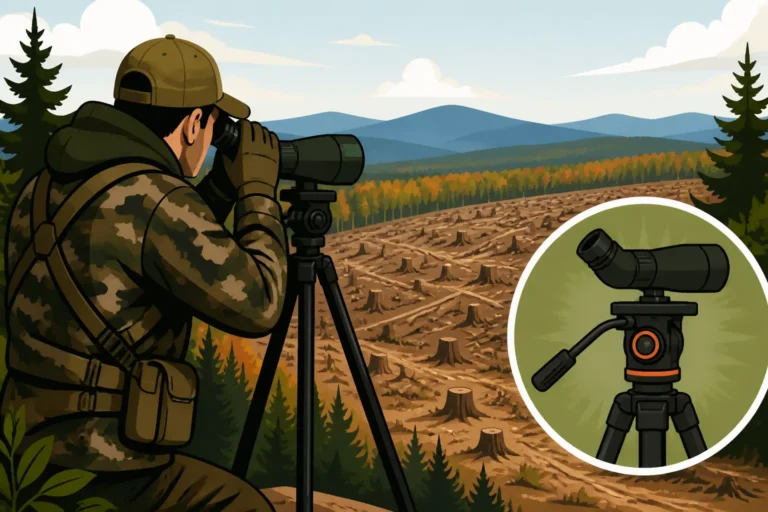
Even without a scope on your muzzleloader, high-quality binoculars are an absolute necessity for hunting in New Hampshire. Whether you're glassing a distant logging road, picking apart a thick cedar swamp, or trying to identify movement on a far ridge, binoculars extend your vision significantly. For the varied terrain of New Hampshire, a pair of 8×42 or 10×42 binoculars offers a good balance of magnification, field of view, and light-gathering capability. These will help you spot deer that might otherwise blend into the dense timber or catch subtle movements at dawn and dusk when deer are most active. Good glass allows you to thoroughly scrutinize an area before moving in, helping you to identify legal game and avoid disturbing other wildlife.
A rangefinder, while not always considered "essential" by traditionalists, is an invaluable tool for ethical muzzleloader hunting. Since your muzzleloader is likely to have a more pronounced bullet drop than a modern centerfire rifle, knowing the exact distance to your target is critical. With open or peep sights, judging distance accurately can be challenging, especially in uneven or broken terrain. A rangefinder removes the guesswork, allowing you to confidently estimate your shot placement and stay within your effective range. This is especially important when Hunting a Ridge-Top Saddle for Rutting Bucks or trying to make a clean shot across a field. Before heading out, practice with your rangefinder, get a feel for its capabilities, and know your muzzleloader's ballistics at various distances. Brands like Vortex, Leupold, and Sig Sauer offer excellent rangefinders that are both durable and easy to use in the field, crucial when your fingers are numb from the cold.
Field Gear and Accessories for the Muzzleloader Hunter
Beyond the firearm itself and the optics you carry, a whole host of other gear can make or break your New Hampshire muzzleloader hunt. These are the tools that ensure your weapon functions properly, allow you to manage your shot, and help you get your hard-earned game out of the woods. Neglecting these details can lead to frustrating delays or even lost game.
Cleaning and Maintenance Kits
Muzzleloaders, particularly those using black powder or its substitutes, are inherently "dirty" firearms. The combustion process leaves behind a significant amount of fouling in the barrel and breach area. This fouling can build up quickly, affecting accuracy, making subsequent loading difficult, and potentially leading to corrosion if not addressed promptly. A compact, portable cleaning kit is therefore essential for any muzzleloader hunter. This kit should include a cleaning rod (collapsible for portability), jags and patches for your caliber, a bore brush, a bore solvent specifically designed for black powder/substitutes (often water-based), and a good quality lubricant or rust preventative.
In the field, you might not perform a full deep clean, but you should be prepared to swab the bore between shots if you're practicing or if accuracy starts to degrade. A quick swab can remove enough fouling to ensure easy loading and consistent bullet seating. At the end of each hunting day, or certainly as soon as you return home, a thorough cleaning is mandatory to prevent rust and ensure your muzzleloader is ready for the next outing. Pay particular attention to the breach plug, nipple, and firing channel, as these areas collect the most corrosive residue. Don't forget small tools like a breach plug wrench and nipple pick, which are invaluable for disassembly and clearing stubborn fouling. Keeping a Muzzleloader Dry in Late-Fall Rain often starts with thorough cleaning and proper lubrication.
Loading and Reloading Essentials
Given the single-shot nature of muzzleloaders, having all your loading and reloading components easily accessible and organized is critical. There's no frantic fumbling for loose powder or spilled primers when a deer is in front of you. A dedicated loading block or speed loader is a highly recommended accessory. These devices allow you to pre-measure your powder charges, seat your sabots/bullets, and store your primers in a ready-to-use configuration. This means that after you take a shot, you can quickly and efficiently reload, minimizing movement and noise. Many hunters prepare several pre-loaded tubes or blocks before heading into the field.
Beyond the speed loaders, you'll need a reliable powder measure if you're using loose powder, and an extra supply of primers (stored in a waterproof container, of course). A bullet starter is another crucial piece of gear, helping you get your bullet properly seated into the muzzle without damaging the sabot or bullet itself. Don't forget a sturdy ramrod. While most muzzleloaders come with one, an aftermarket, sturdier, or longer ramrod can make loading easier and more consistent. Some hunters even carry a short, rigid cleaning rod in their pack for emergencies, ensuring they can always seat a bullet properly. Organization is key here; every component should have its place and be easy to access, even with gloved hands.
Hauling and Recovery Tools
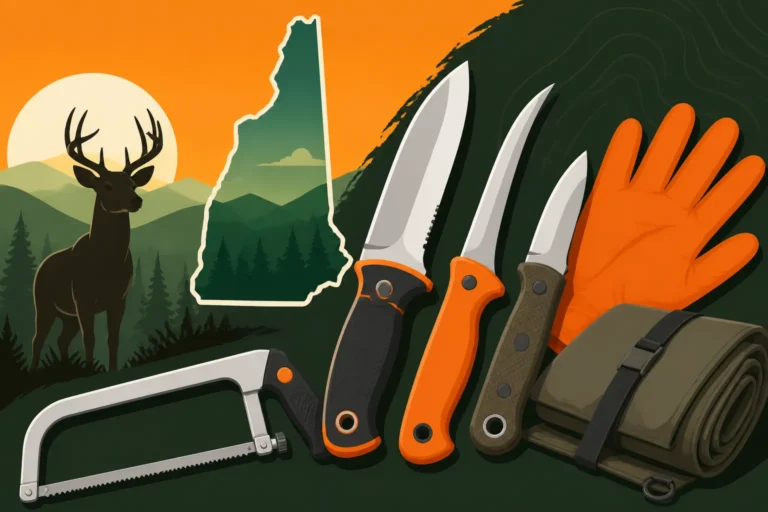
Taking an animal ethically is only part of the hunt; the other part is getting it out of the woods. A New Hampshire whitetail can weigh well over a hundred pounds, and if you're hunting in rugged terrain or far from a logging road, hauling it out can be a significant challenge. Having the right tools for game recovery is crucial. A good quality hunting knife, sharp and sturdy, is absolutely essential for field dressing. Many hunters carry a second, smaller knife for finer work or as a backup. Gloves, preferably surgical or nitrile gloves, are also a must for hygiene during field dressing.
For the actual recovery, a game cart can be an absolute lifesaver, especially if you're hunting relatively flat ground or well-maintained trails. These wheeled carts allow you to load a deer and roll it out with much less effort than dragging. However, in steep, rocky, or heavily timbered terrain, a game cart might be impractical. In those situations, heavy-duty drag ropes or a deer sled (particularly useful in snow) become invaluable. Some hunters even quarter their deer in the field, using game bags to carry out the meat in sections with a sturdy frame backpack. This might seem like a lot of extra gear, but trust me, when you're a mile back in a ravine with a downed deer, you'll be glad you thought ahead. Dragging a Deer Out of a Granite Ravine is no small feat, and having the right equipment makes all the difference.
Clothing and Personal Gear for Comfort and Safety
New Hampshire's muzzleloader season can throw a mixed bag of weather at you, from late-fall mildness to true winter cold and everything in between. Staying comfortable, warm, and dry is not just about enjoying your hunt; it's about maintaining focus, staying safe, and being able to react effectively when the moment of truth arrives. Your clothing and personal gear choices are just as important as your firearm.
Layering Systems for Variable Conditions
The key to comfort in New Hampshire's unpredictable weather is a versatile layering system. You should avoid heavy, bulky single garments that don't adapt. Instead, build your outfit with three main layers:
- Base Layer: This layer sits directly against your skin and is crucial for wicking away moisture (sweat). Synthetics or merino wool are excellent choices here, as they insulate even when damp and dry quickly. Avoid cotton at all costs; once wet, cotton loses all insulating properties and can chill you quickly.
- Mid-Layer: This is your primary insulation layer. Fleece jackets, down vests, or synthetic puff jackets work well. You can add or remove mid-layers throughout the day as temperatures fluctuate or as your activity level changes. When still-hunting or walking, you might shed a mid-layer to prevent overheating and sweating. When sitting in a stand, you'll pile them on.
- Outer Layer: This is your protective shell, designed to block wind, rain, and snow. It should be waterproof and breathable. Look for durable fabrics that can stand up to brush and briars. This layer may or may not provide much insulation on its own, its primary job is protection from the elements. A good outer layer should also incorporate your required blaze orange. Insulated Layers for a December Muzzleloader Hunt are often essential if the season runs late and the cold really sets in. Remember, it's easier to remove layers when you're warm than to add them when you're already shivering.
Footwear for Rugged New Hampshire Terrain
Your feet are your foundation, and uncomfortable, wet, or cold feet can ruin a hunt faster than almost anything else. Choosing the right boots for New Hampshire's muzzleloader season requires considering both insulation and waterproofing. For early season muzzleloader hunts, a waterproof, uninsulated or lightly insulated boot might suffice, especially if you're doing a lot of walking. However, as the season progresses into colder weather, a well-insulated, waterproof boot is essential. Look for boots with 800 to 1200 grams of insulation if you'll be spending significant time sitting in cold temperatures.
Traction is another critical factor. New Hampshire's terrain often involves rocky climbs, wet leaves, mud, and potentially snow and ice. Boots with aggressive outsoles will provide the grip you need to move safely and quietly. Ankle support is also important, particularly when navigating uneven ground or carrying a heavy pack. Consider bringing a spare pair of wool socks to change into halfway through the day, especially if your feet tend to sweat. Good gaiters can also be invaluable, preventing snow, mud, or debris from entering the top of your boots and keeping your lower pant legs dry. Trust me, investing in quality footwear will pay dividends in comfort and longevity in the field. Best Boots for White Mountain Granite Trails are crucial for navigating some of the more challenging public lands.
Blaze Orange and Safety Considerations
Safety is paramount in the New Hampshire woods, and blaze orange is a non-negotiable part of that. During the muzzleloader season, typically falling within the general firearms season, specific blaze orange requirements are in effect. Always check the current regulations, but generally, hunters are required to wear a certain amount of solid, visible blaze orange on their head, chest, and back. This makes you highly visible to other hunters, significantly reducing the risk of accidental shootings. Never compromise on your blaze orange; it's there to protect you. Some hunters even prefer blaze pink, which is also a legal option in New Hampshire.
Beyond blaze orange, other safety considerations include carrying a whistle for emergencies, a basic first-aid kit, and understanding how to use it. A map and compass (or a reliable GPS device/app like GoHunt's mapping features) are also critical, especially if you're venturing into unfamiliar public land. Tell someone where you're going and when you expect to return. Being prepared for minor injuries, getting lost, or unexpected weather changes ensures that your muzzleloader hunt remains a safe and enjoyable experience, even if you don't punch your tag.
Pre-Season Preparation and Practice
Hunting success in New Hampshire's muzzleloader season isn't just about showing up with the right gear; it's about putting in the work beforehand. Pre-season preparation, especially range practice and thorough gear checks, builds confidence and ensures you and your equipment are ready for the demands of the hunt.
Range Practice and Ballistics
This is perhaps the most critical part of your pre-season routine. Unlike centerfire rifles, muzzleloaders can be finicky. Different bullet, sabot, powder charge, and primer combinations will produce varying results, even in the same rifle. You need to spend significant time at the range, trying different loads to find what your particular muzzleloader shoots most accurately. Since scopes are not allowed, you'll be relying on iron or peep sights, which require even more dedicated practice. Start at 25 yards to get on paper, then move out to 50 and 75 yards. For many muzzleloader setups with open sights, 75 to 100 yards is a realistic maximum ethical range for deer, but only practice will tell you your true limit.
Practice shooting from various field positions – standing, kneeling, sitting, and braced against a tree. The vast majority of your shots in the woods won't be from a comfortable bench rest. Pay attention to how recoil affects your follow-through, how quickly you can acquire your sights, and how consistently you can load under a bit of pressure. Don't just shoot once and call it good; practice loading and firing multiple shots, paying attention to how fouling builds up and affects accuracy. Understand your bullet's trajectory at different distances; know where to hold for a 50-yard shot versus a 75-yard shot. This intimate knowledge of your muzzleloader's capabilities and your own proficiency will be your biggest asset when that New Hampshire buck steps out. Don't forget to practice with the exact load you plan to hunt with.
Gear Check and Maintenance
Before the season officially opens, give all your muzzleloader gear a thorough inspection. This goes beyond just the firearm. Check your cleaning kit components, ensuring you have enough patches, solvent, and lubricant. Are your speed loaders functioning smoothly? Are your primers fresh and stored properly? What about your game recovery tools – is your knife sharp, are your drag ropes in good condition? Go through your entire pack, item by item.
It's also a good time to check your clothing layers. Are there any tears or worn-out spots in your rain gear? Are your boots still waterproof, or do they need a fresh treatment? Do you have all your required blaze orange, and is it in good condition? A broken zipper on your favorite hunting jacket or a leaky seam in your boots can quickly turn a pleasant hunt into a miserable one. Replace anything that's worn out or questionable. Make sure your mapping device or app, perhaps GoHunt's advanced mapping, is updated, and you have fresh batteries. This comprehensive gear check ensures that no small oversight leads to a big problem in the field. Being organized and prepared makes for a much more enjoyable and effective hunting experience.
Strategic Use of Mapping and Scouting Tools
In New Hampshire, where diverse terrain and varying access can make or break a hunt, strategic use of mapping and scouting tools is invaluable for the muzzleloader hunter. Even with traditional equipment, modern navigation and intelligence-gathering tools can give you a significant edge, helping you locate game and plan your approach effectively.
Digital Mapping and GPS Devices
Gone are the days when a paper map and compass were your only navigational aids – though it’s always wise to carry them as a backup! Today, digital mapping applications and dedicated GPS devices are incredibly powerful tools. Apps like GoHunt, OnX Hunt, or Garmin BaseCamp allow you to view detailed topographic maps, aerial imagery, and property boundaries right on your phone or handheld device. This is absolutely critical for identifying public land access, understanding terrain features like ridges, saddles, and drainages, and even marking key waypoints like deer sign, potential bedding areas, or your stand locations. Best GPS App for New Hampshire Public Land can help you find exactly what you need.
Before your hunt, you can use these tools to virtually scout new areas, identifying potential travel corridors, pinch points, and food sources. You can mark "no-go" zones, like private property boundaries, to ensure you stay legal. In the field, a GPS device or mapping app provides real-time location tracking, preventing you from getting lost, especially when you're focusing on still-hunting or tracking game in dense cover. Make sure to download offline maps for any areas you plan to hunt, as cell service can be spotty or non-existent in many parts of the New Hampshire backcountry. Always carry spare batteries or a portable power bank for your electronic devices, because a dead battery can turn a valuable tool into a useless brick.
Utilizing Scouting for Success
Beyond the digital realm, nothing replaces boots-on-the-ground scouting. The muzzleloader season often occurs just after or during the peak of the firearms season, and deer patterns can shift rapidly due to hunting pressure and changing food sources. Pre-season scouting (long before the season, during the summer and early fall) helps you identify core areas and primary food sources like acorn flats or apple orchards. Then, closer to the muzzleloader season, a quick scouting trip can confirm current deer activity. Look for fresh tracks, droppings, rubs, and scrapes. Pay attention to late-season food sources like standing cornfields (if you have permission) or specific oak stands that might still be dropping acorns.
Utilize trail cameras to monitor activity in key areas, giving you an idea of deer movement patterns, times of day, and even specific bucks using an area. While trail camera rules vary, they can be a powerful intelligence tool. Scouting New Hampshire Public Land Before Season is not a one-and-done activity; it's an ongoing process. Understanding how deer react to pressure, where they might seek refuge, and what their current dietary preferences are will allow you to make informed decisions about where and how to hunt during the short, but intense, muzzleloader season. Combine your digital mapping insights with fresh sign on the ground, and you'll be well on your way to a successful hunt.
Disclaimer
This article is for general informational purposes only and does not constitute professional advice. Laws, prices and regulations vary by location and change over time. Consult a qualified professional for guidance on your specific situation.