Best Climbing Stand for New Hampshire Hardwoods
Hunting New Hampshire's vast hardwood forests can be an incredibly rewarding experience, but finding the right spot to set up a stand, particularly a climbing stand, presents a unique set of challenges. From the varying bark textures of oaks and maples to the often-crooked growth patterns, many hunters struggle to find a stable, comfortable, and silent perch. This guide is dedicated to helping you navigate the world of climbing stands specifically for New Hampshire's hardwood timber, ensuring you can sit safely and effectively through the long seasons.
Why Hardwoods Present Unique Climbing Stand Challenges
If you've spent any time hunting in the Granite State, you know our hardwoods aren't always cooperative when it comes to stand placement. Unlike the straight, limbless pines and softwoods you might find in other regions, New Hampshire's deciduous forests offer a different kind of puzzle.
Bark Texture and Grip System Compatibility
One of the first things you'll notice about our hardwoods is the sheer variety of bark. Think about the smooth, almost slick bark of a younger beech tree compared to the deeply furrowed, craggy bark of an old oak. A climbing stand's grip system, whether it uses chains, cables, or specialized teeth, needs to be able to bite securely into all these surfaces without slipping. A stand designed primarily for smooth-barked pines might struggle to get a safe hold on a rough-barked maple, or worse, could gouge and damage a tree if it slips. You don't want to be halfway up a tree and feel your stand start to shift because the bark isn't cooperating. This is especially true when you're hunting in wet or icy conditions, where any compromise in grip can be dangerous.
Many hunters find that stands with a more aggressive, yet still tree-friendly, bite are essential. Some systems offer pivoting arms or adjustable cables that can conform better to irregular trunk shapes and varying bark depths. It's not just about getting up; it's about being stable and silent once you're there, especially when shifting your weight for a shot.
Finding Straight, Limbless Trees
This is perhaps the biggest headache for climbing stand users in New Hampshire's hardwoods. Deer love thick, mature timber, but those older trees often have low-hanging branches, forks, or significant crooks and burls that make climbing impossible. You might spend an hour scouting a perfect funnel or a killer oak flat, only to find that every mature tree within shooting distance is completely un-climbable. It's frustrating to pinpoint exactly where the deer are moving, only to be foiled by the structure of the trees themselves.
Younger hardwoods tend to be straighter and more limbless in their lower sections, but they might not offer the canopy cover or diameter needed for a comfortable or safe sit, especially if you're a larger hunter. Often, finding that "perfect" tree means walking further, spending more time scouting, and sometimes having to compromise on your ideal setup location. This is where pre-season scouting really shines. Using mapping tools like GoHunt, you can identify potential clearings or younger stands of timber that might offer better climbing opportunities, even if it's not the primary mature oak grove you're targeting.
Key Features to Look for in a Hardwood Climbing Stand
Choosing the right climbing stand for New Hampshire's hardwoods isn't about picking the most expensive one; it's about finding the stand that offers the best blend of safety, stability, comfort, and portability for our specific terrain and tree types.
Secure and Adjustable Grip System
As we just discussed, the grip system is paramount. Look for stands that explicitly state their compatibility with various tree diameters and bark types. Some stands feature a unique cable or chain system that automatically adjusts to the taper of the tree as you climb, providing consistent pressure and grip. Others might have a more robust, serrated platform that digs in effectively without damaging the tree too much, ensuring you don't slip on mossy or wet bark. The ability to adjust the angle of the platform or the climbing arms is also crucial, especially if you encounter a tree that isn't perfectly straight. This adjustability allows you to maintain a level platform, which is critical for safety and comfort during long waits. Don't underestimate the importance of testing this out before hunting season; you want to be confident in your stand's bite.
Optimal Weight and Portability
New Hampshire hunting often involves covering some serious ground, whether you're still-hunting a White Mountain National Forest timber stand or tracking a deer in fresh snow. A heavy, bulky climbing stand can quickly turn a hopeful morning hike into a miserable death march. You need a stand that's light enough to carry for miles into public land but still robust enough to feel secure when you're 20 feet up.
Many manufacturers now offer lightweight aluminum models that shave off significant pounds without compromising structural integrity. Look for designs that collapse compactly, ideally with integrated carrying straps or a backpack system. Features like quick-attach buckles and a minimal number of loose parts also contribute to ease of transport, reducing rattling and snagging as you navigate dense woods. When you're trying to Find Ground That Sees Fewer Hunters, that usually means walking further, so every pound counts. Consider how the stand will feel on your back with your other gear, especially if you're planning a long day.
Platform Size and Seat Comfort
Once you're up in the tree, you could be there for hours, so comfort is key to staying focused and still. A tiny platform might be light, but it can quickly become cramped and uncomfortable, making it difficult to shift for a shot or stretch without making noise. On the other hand, an overly large platform adds weight and bulk, reducing portability. Look for a balance. A platform that provides enough space for your feet to move, maybe even turn slightly, without bumping into the tree or the stand itself is ideal.
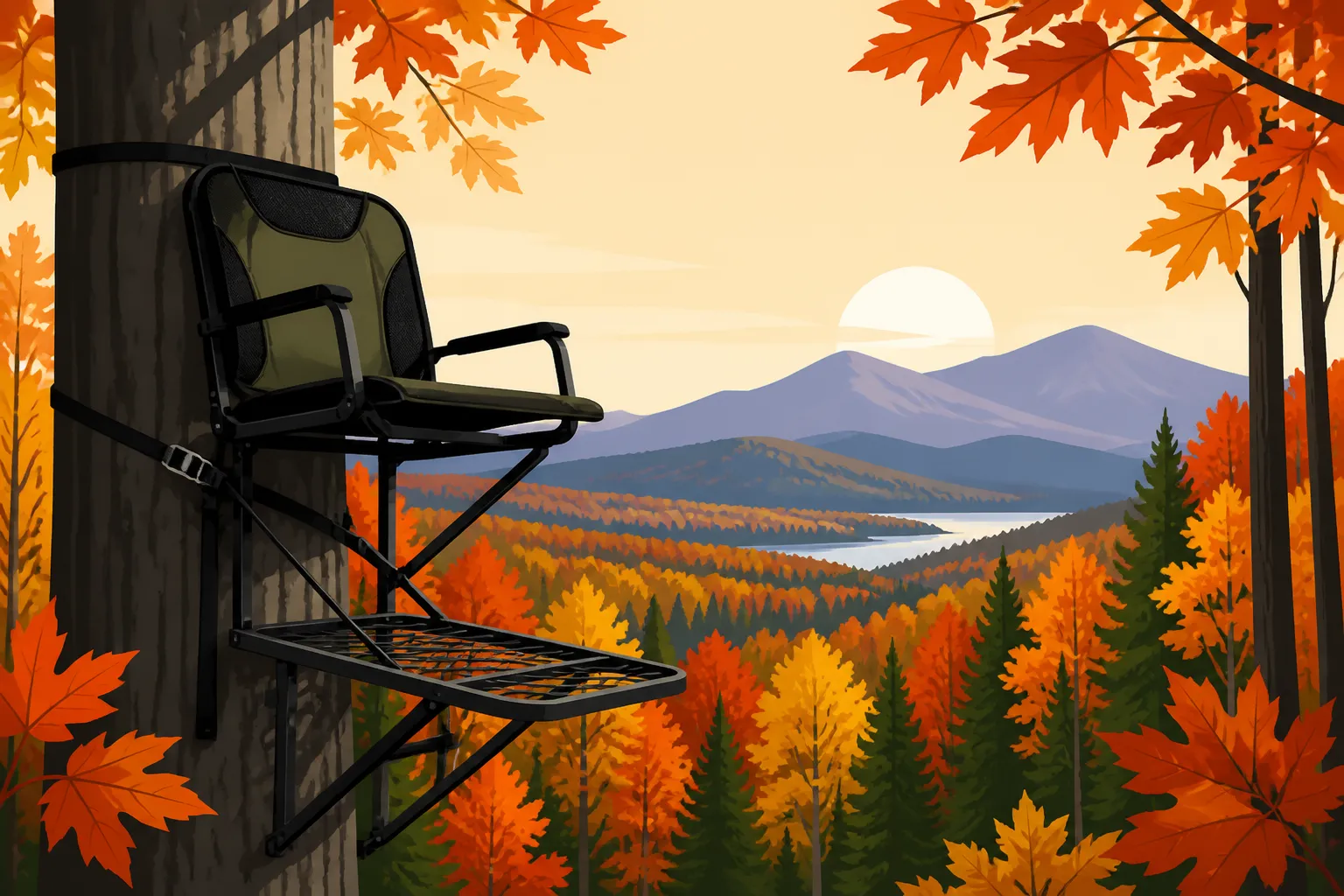
Seat comfort is equally important. Some climbing stands feature a simple sling seat, which can be fine for shorter hunts but might become unbearable after a few hours. Others offer padded seats, sometimes with a backrest, that significantly enhance comfort. Consider how the seat can be adjusted or folded out of the way for standing shots. For those cold, late-season sits, a comfortable seat can be the difference between staying on stand until legal light or bailing out early. It's worth investing in a stand with a comfortable seat, as it directly impacts your ability to remain patient and alert.
Best Practices for Using a Climbing Stand in New Hampshire's Hardwoods
Getting the right stand is just the first step. Knowing how to use it safely and effectively in our specific environment is what will truly make you a more successful hunter.
Pre-Season Practice and Tree Selection
You wouldn't go into the woods on opening day without shooting your bow or rifle, and the same goes for your climbing stand. Practice, practice, practice! Find a suitable tree in your backyard or a safe area on private land that mimics the hardwoods you'll encounter. Practice climbing, ascending, descending, and getting comfortable with the stand's feel. Pay attention to how the stand bites into different bark types. This helps you identify any potential issues before you're in a high-pressure hunting situation.
Tree selection on public land is crucial. Before you even think about setting up, use scouting tools like GoHunt to analyze aerial photos for patches of suitable timber. When on the ground, look for mature, straight trees with minimal limbs up to your desired hunting height. Pay attention to the tree's diameter; some stands have minimum and maximum tree size requirements. Avoid leaning trees, dead trees, or trees with significant burls, knots, or vines that could impede your climb or compromise stability. Always do a "push test" on the tree to ensure it's healthy and solid.
Safety First: Harness, Straps, and Communication
This can't be stressed enough: always wear a full-body safety harness from the moment your feet leave the ground until they return to solid earth. Far too many accidents happen because hunters skip this critical step. Most climbing stands come with a basic harness, but consider upgrading to a more comfortable, high-quality one that allows for greater freedom of movement while remaining secure. Ensure your harness is properly fitted and that you're attached to the tree via a lifeline or safety rope the entire time you are off the ground. Familiarize yourself with how to use your harness and how to self-rescue or signal for help in an emergency.
Before heading into remote areas, especially in the North Country or Hunting New Hampshire's White Mountain National Forest, tell someone exactly where you're going and when you expect to return. Consider carrying a satellite communicator for areas with no cell service. Even a simple whistle can be a lifesaver if you need to attract attention. Don't forget your knife for emergencies, and a first-aid kit is always a good idea. New Hampshire Hunter Education Requirements emphasize these safety considerations for a reason.
Silent Ascent and Descent Techniques
New Hampshire deer are notoriously wary, and any unnatural noise can blow your hunt. A noisy climb is often the result of rushing, loose gear, or an improperly adjusted stand. Take your time. Ensure all straps are tight and buckles aren't rattling. Wrap any metal-on-metal contact points with tape or silencing sleeves. As you climb, move slowly and deliberately, allowing the stand to bite into the tree. Avoid banging the sections together.
For descent, the same principles apply. Move slowly, maintain a controlled pace, and keep your movements fluid. Often, deer hear you leaving the stand as much as they hear you arriving. If you're hunting late in the day, plan your descent well before legal light fades completely, or carry a reliable headlamp. Having a Best Headlamp for a Pre-Dawn Granite Climb will also help you navigate the dark woods safely after your hunt.
Maintaining Your Climbing Stand for Longevity and Safety
A climbing stand is an investment in your hunting safety and success. Proper care and maintenance will ensure it performs reliably season after season.
Off-Season Storage and Inspection
Once the season wraps up, don't just toss your stand in the corner of the garage. Give it a thorough cleaning. Remove any mud, dirt, leaves, or sap. Inspect all components for wear and tear. Look closely at cables, chains, straps, and welds. Are there any frayed cables, bent components, or cracks? Pay special attention to areas that bear weight or experience friction. If anything looks compromised, contact the manufacturer for replacement parts or consider retiring the stand. This is also a good time to check your safety harness for any rips, tears, or signs of UV damage, as the sun can degrade materials over time.
Store your stand in a dry place, away from direct sunlight and extreme temperatures, to prevent rust and material degradation. Hanging it up or placing it on a shelf helps keep it organized and prevents it from being damaged by other gear. A little preventive care now can save you a lot of headache (or worse) in the future.
Rust Prevention and Moving Parts Lubrication
New Hampshire weather can be tough on gear, especially anything exposed to moisture. Even aluminum stands can have steel components that are susceptible to rust. After cleaning, ensure all metal parts are completely dry. Apply a light coating of a rust-preventative oil or silicone spray to any steel cables, chains, or pivot points. Be mindful not to get lubricants on any gripping surfaces or webbing, as this could compromise their function.
For moving parts like hinges and pivots, a silicone-based lubricant can help maintain smooth, silent operation. Again, use sparingly and wipe away any excess. This not only extends the life of your stand but also helps reduce squeaks and creaks that can give away your position when you're making minor adjustments on stand. If you're planning to use a mapping app like GoHunt, make sure your phone is also protected from moisture.
Replacing Worn Components and Harness Lifespan
Manufacturers often recommend specific lifespans for components like cables, straps, and especially safety harnesses. Even if they appear to be in good condition, materials can degrade over time due to UV exposure, temperature fluctuations, and stress. If your stand's cables or straps are showing any significant wear, or if your harness is older than the manufacturer's recommended replacement date (often 3-5 years), it's time to replace them. It's a small price to pay for your safety.
Many stands have modular components that can be easily ordered and replaced, making this process straightforward. Don't try to jury-rig repairs; always use genuine replacement parts. A well-maintained climbing stand, coupled with a vigilant approach to safety, will serve you well for many seasons of White-Tailed Deer Across New Hampshire hunting in our beautiful, challenging hardwood forests.
| Feature | Ideal for Hardwoods | Why it Matters |
|---|---|---|
| Grip System | Adjustable, Aggressive Teeth/Chains | Adapts to varied bark (smooth beech to rough oak), prevents slipping on wet surfaces, secure hold. |
| Stand Weight | Lightweight Aluminum | Reduces fatigue during long hikes into public land like Hunting the Second College Grant Timber. |
| Packability | Compact, Integrated Straps | Easy transport, reduces rattling, won't snag on brush during walks to your spot. |
| Platform Size | Adequate, Not Excessive | Enough room to shift and shoot comfortably, but not so large it's heavy or cumbersome to carry. |
| Seat Comfort | Padded, Backrest Option | Enhances comfort for long sits, crucial for patience and focus, especially in cold weather. |
| Noise Reduction | Silent Attachments, No Rattles | Prevents alerting wary deer during ascent, descent, or subtle movements on stand. |
| Safety Harness | Full-Body, Comfortable, Current | Essential for preventing falls, allowing self-rescue; check for recommended lifespan and replacement. |
This article is for general informational purposes only and does not constitute professional advice. Laws, prices and regulations vary by location and change over time. Consult a qualified professional for guidance on your specific situation.