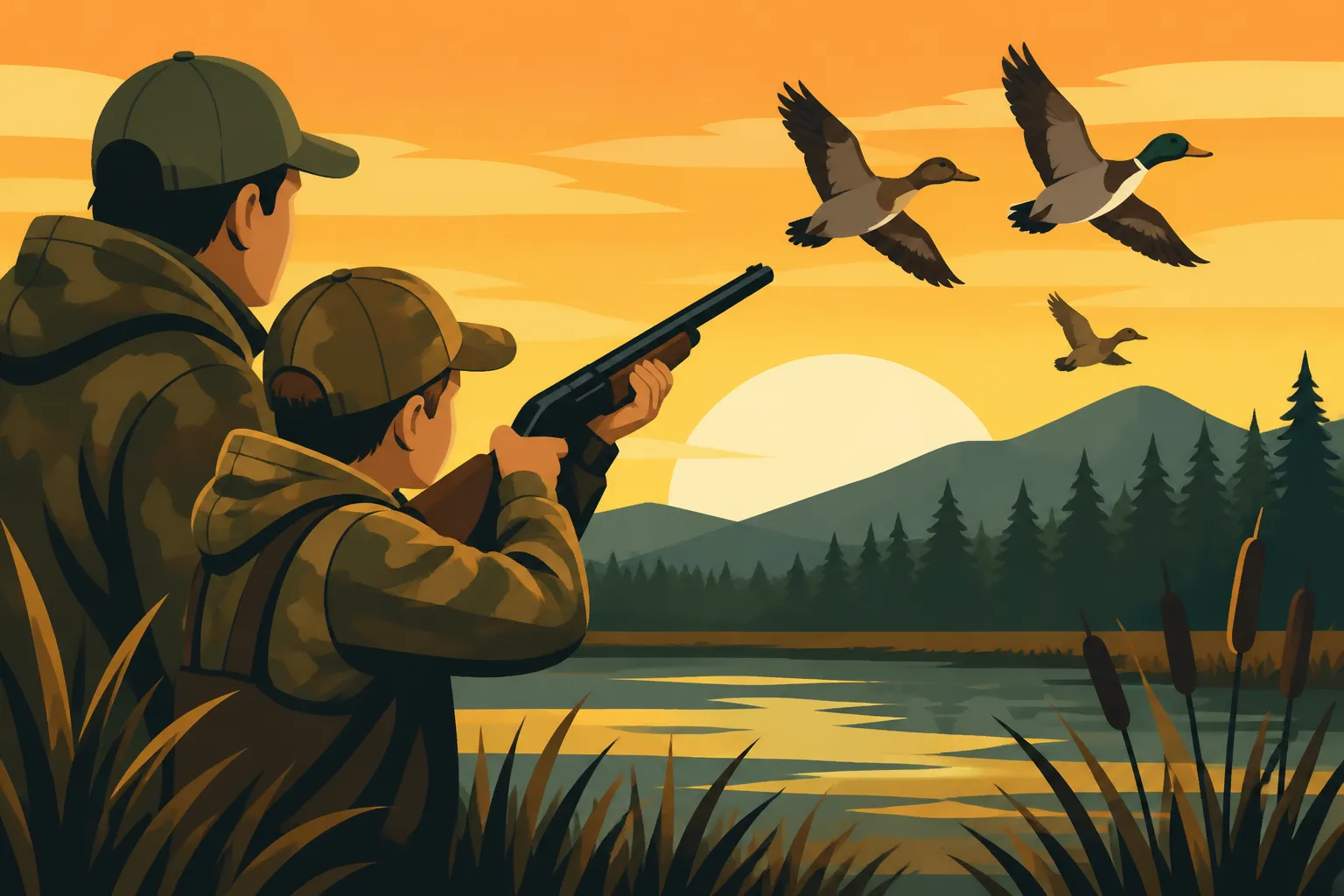
Hunting New Hampshire’s Youth Waterfowl Weekend
There's nothing quite like introducing a young person to the magic and challenge of waterfowl hunting, but making that first experience positive and safe can feel like a big responsibility. From understanding the specific regulations to ensuring they have the right gear and mindset, preparing for New Hampshire's Youth Waterfowl Weekend requires careful thought. This comprehensive guide is here to walk you through every step, helping you create an unforgettable and successful outing for the next generation of hunters.
Understanding the Youth Waterfowl Weekend Rules and Regulations
The Youth Waterfowl Weekend is a fantastic opportunity, specifically designed to give young hunters a dedicated time afield without the pressure of adult hunters competing for prime spots. However, it operates under its own set of rules that mentors and participants must thoroughly understand. Overlooking even a small detail could lead to a disappointing experience or, worse, a violation.
Eligibility and Permit Requirements
First and foremost, who can participate? The New Hampshire Youth Waterfowl Weekend is open to hunters aged 12 to 15 years old. This age bracket ensures that participants are mature enough to safely handle firearms under supervision but still benefit from a dedicated youth-focused opportunity. Each youth hunter must possess a valid New Hampshire hunting license and a federal duck stamp, even though it's a youth hunt. While some states waive the federal stamp for youth, New Hampshire does not, so be sure to secure that for your young hunter well in advance. Remember, a physical stamp is typically required, or at least proof of purchase while the stamp is in transit.
Additionally, the youth hunter must be accompanied by a properly licensed adult (18 years of age or older) who has their own valid New Hampshire hunting license and federal duck stamp. This adult mentor cannot carry a firearm or hunt themselves during this special youth weekend; their sole role is to supervise and guide the youth hunter. It's truly about the kids and their experience. This also applies to other migratory bird requirements like the HIP (Harvest Information Program) certification; both the youth and the mentor should be compliant with all relevant migratory bird regulations. For a deeper dive into the broader waterfowl hunting framework, you can explore the guide on New Hampshire Waterfowl Season and Zones.
Legal Shooting Hours and Bag Limits
Understanding legal shooting hours is crucial for any waterfowl hunt, and the youth weekend is no exception. Hunting is permitted from one-half hour before sunrise until sunset. This early start means you'll need to be in your blind or chosen spot well before legal shooting time, often in the dark, which adds to the adventure but also necessitates careful planning and safe navigation. Always confirm the exact sunrise and sunset times for your specific hunting date and location, as these vary throughout the season and by geographical position. Smartphone apps and local weather forecasts are great for this.
The daily bag and possession limits for the Youth Waterfowl Weekend are the same as those for the regular season, which you can find detailed in the annual New Hampshire Waterfowl Digest. These limits apply to all waterfowl species, including ducks, geese, mergansers, and coots. For example, if the regular season limit for mallards is 6, with only 2 being hens, then that same restriction applies to the youth hunter. It's essential to identify your birds correctly to avoid unintentional violations. Knowing your species and their respective limits is part of responsible hunting, and you can learn more about this in New Hampshire Duck and Goose Bag Limits.
Blaze Orange and Safety Considerations
While waterfowl hunting often involves camouflage to blend into the surroundings, New Hampshire hunting laws still have specific requirements for blaze orange, particularly when moving through areas where other hunters might be present or when within certain distances of roads. During the Youth Waterfowl Weekend, youth hunters and their mentors must adhere to these regulations. Typically, blaze orange is required for deer hunting, but it's always wise to consult the current New Hampshire Fish and Game Digest for the most up-to-date and specific rules regarding migratory bird seasons.
Even if blaze orange isn't strictly mandated for waterfowl hunting (i.e., when actively concealed in a blind), carrying it and wearing it while moving to and from your hunting spot is a smart safety practice. This makes you visible to other users of public land, such as hikers or other hunters, minimizing the risk of accidents. Remember, safety always comes first, and making wise choices about visibility, especially when carrying firearms, sets a great example for your young hunter. You can review the specifics on How Much Blaze Orange New Hampshire Requires to ensure full compliance.
Preparing for a Successful Youth Waterfowl Hunt
Preparation is the cornerstone of any successful hunting trip, and it's especially important when introducing a young person to the sport. A well-prepared hunt instills confidence, reduces stress, and significantly increases the chances of a positive and memorable experience. It’s not just about the gear; it's about the knowledge, the practice, and the shared understanding between mentor and mentee.
Pre-Season Scouting with Technology and Footwork
The work for Youth Waterfowl Weekend begins long before opening day. Pre-season scouting is paramount to finding active feeding and roosting areas. Waterfowl are creatures of habit, often using the same flight paths and water bodies year after year, especially during migration. Start by researching aerial maps and satellite imagery using robust tools like the GoHunt app. Look for small ponds, beaver flowages, slow-moving river bends, and agricultural fields that might hold corn or other grains. Pay attention to transition areas where water meets upland, as these often serve as loafing spots.
Once you’ve identified potential spots on the map, it's time for boots on the ground. Visit these locations at dawn or dusk in the weeks leading up to the season. Look for signs of bird activity: droppings along the shoreline, disturbed mud, or molted feathers. Listen for chirps, quacks, and goose honks. Observe flight patterns – where are birds coming from, and where are they going? Early morning drives around promising areas can reveal where birds are feeding and resting. These scouting trips are also excellent opportunities to teach your young hunter how to read the landscape and identify prime waterfowl habitat. For more general scouting tips, check out Scouting New Hampshire Public Land Before Season.
Practice Shooting and Familiarization
Sending a young hunter into the field without adequate shooting practice is a recipe for frustration and potential safety issues. Before the season, take your youth hunter to a shooting range or a safe, designated area to practice with their shotgun. Start with clay pigeons thrown at various angles and distances. Emphasize proper stance, cheek weld, and swing-through technique. It’s crucial they become comfortable with the recoil and the sound of the gun. Don't rush this process; patience and positive reinforcement are key.
Familiarization also extends to the gun itself. Ensure the shotgun fits them properly. A gun that's too long or too heavy will be difficult to handle safely and accurately. Many youth models are available with shorter stocks and lighter frames. Teach them how to load, unload, and clear the firearm safely. Practice mounting the gun to their shoulder quickly and smoothly. This practice isn't just about hitting targets; it's about building muscle memory for safe gun handling and developing the confidence they'll need when that first flock of mallards banks into the decoys. Proper New Hampshire Hunter Education Requirements covers a lot of these basics, but hands-on practice makes all the difference.
The Importance of Mentorship
The Youth Waterfowl Weekend is as much about mentorship as it is about hunting. Your role as a mentor goes far beyond simply supervising. You are teaching them not just how to hunt, but why we hunt, emphasizing ethics, conservation, and respect for the game and the land. Use this time to share your passion, impart knowledge, and foster a deep appreciation for the outdoors. Talk through scenarios: what to do if birds come in high, how to identify different species, or what constitutes a safe shot.
Be patient, encouraging, and ready to answer endless questions. The goal is to make it an enjoyable, educational experience, regardless of whether a bird is harvested. Celebrate small victories, like a perfectly executed call or a patient wait. Show them how to set up decoys, brush in a blind, and read the wind. These are life skills and hunting traditions that will stay with them for years to come. Your guidance during this weekend will shape their entire hunting future.
Essential Gear and Equipment for Young Hunters
Having the right gear is vital for comfort, safety, and success on any hunting trip, and for a youth waterfowl hunt, it’s even more critical. Cold, wet, or uncomfortable kids quickly lose interest, no matter how good the hunting is. Investing in appropriate equipment shows your young hunter you’re serious about their experience and makes the day far more enjoyable for everyone involved.
Appropriate Clothing and Layering
Waterfowl hunting, especially in New Hampshire, often means sitting still in cold, damp conditions. Layering is not just a suggestion; it's an absolute necessity. Start with a moisture-wicking base layer to draw sweat away from the body, preventing chills. Next, add insulating layers like fleece or down to trap warmth. Finally, a waterproof and windproof outer shell, ideally in a camouflage pattern suitable for your environment, is crucial to keep them dry and protected from the elements. Look for quiet fabrics that won't rustle and spook wary birds.
Don't forget the extremities! Insulated, waterproof gloves or mittens, a warm hat that covers the ears, and thick wool socks are essential. Wet feet or hands can ruin a hunt faster than anything. Consider a quality pair of waders, even if you don't plan on wading deep, as they offer excellent insulation and waterproof protection from morning dew or splashes. For guidance on appropriate footwear, check out Waders for New Hampshire Waterfowl Hunting. Remember, it’s always better to overdress and shed layers than to be caught unprepared for a sudden drop in temperature or a change in weather.
Decoys, Calls, and Blinds
Decoys are your primary tool for attracting waterfowl, and setting up an effective spread is an art. For a youth hunt, keep it manageable. A dozen good quality decoys, a mix of mallards and black ducks, is often sufficient for smaller water bodies. Teach your young hunter the basics of decoy placement: how to create a "landing zone" for incoming birds, and how to position decoys to look natural. They might not get it perfect the first time, but engaging them in the setup process is part of the learning.
Calls, too, can be intimidating, but a basic mallard call is a great start. Focus on teaching them a simple greeting call and a soft feed chatter. Practice at home, so they don't get discouraged in the field. As for blinds, comfort and concealment are key. A simple pop-up blind, a well-brushed-in natural blind, or even a layout blind in a field can work. Make sure there’s enough room for both of you to sit comfortably and swing a shotgun safely. If you're considering a field hunt, the guide on Layout Blind Hunting a Northern Zone Field offers some great advice.
Shotguns and Ammunition Choices
Selecting the right shotgun for a youth hunter is paramount for both safety and effectiveness. A 20-gauge shotgun is often the ideal choice for younger hunters. It offers less recoil than a 12-gauge but still delivers plenty of knockdown power for ducks and geese at reasonable ranges. Look for youth models with shorter stocks and lighter overall weight, designed to fit smaller frames. Before the hunt, ensure the gun is clean, properly maintained, and functioning flawlessly.
Ammunition choice is also critical. For waterfowl, federal regulations mandate the use of non-toxic shot (steel, bismuth, tungsten-iron, etc.). Lead shot is strictly prohibited. For a 20-gauge, a load of #3 or #4 steel shot is generally effective for ducks, while larger shot sizes like #2 or BB steel might be preferred for geese. Choose loads with moderate velocities to reduce recoil and make shooting more comfortable for your young hunter. Explain why non-toxic shot is used – it’s a direct link to waterfowl conservation and protecting the environment they’re enjoying.
| Item | Quantity (Suggested) | Notes |
|---|---|---|
| Valid NH Hunting Lic. | 1 per hunter | Youth and adult mentor must have. |
| Federal Duck Stamp | 1 per hunter | Youth and adult mentor must have. |
| Non-Toxic Shot Ammo | 1-2 boxes | 20-gauge, #3 or #4 steel for ducks; #2 or BB for geese. |
| 20-Gauge Shotgun | 1 per youth | Youth model with proper fit. |
| Base Layers | 1 set | Moisture-wicking, synthetic or wool. |
| Mid-Insulation Layers | 1-2 sets | Fleece, down, or synthetic fill. |
| Outer Shell (Camo) | 1 | Waterproof, windproof, quiet fabric. |
| Warm Hat | 1 | Covers ears. |
| Insulated Gloves | 1 pair | Waterproof. |
| Wool Socks | 2 pairs | One on, one dry spare. |
| Insulated Waders/Boots | 1 pair | Waterproof, comfortable for walking and sitting. |
| Duck Decoys | 6-12 | Mix of mallards, black ducks, or local species. |
| Duck Call | 1 | Basic mallard call for youth, more advanced for mentor. |
| Blind/Concealment | 1 | Portable blind, natural cover, or layout blind. |
| Thermos | 1 | Hot chocolate, soup, or coffee. |
| Snacks | Ample | High-energy, easy to eat. |
| First Aid Kit | 1 | Basic supplies, emergency whistle. |
| Headlamps/Flashlights | 2 (with spare bats) | For pre-dawn setup and navigation. |
| Small Dry Bag | 1 | For phone, keys, wallet. |
Choosing the Right Hunting Location
The success of a youth waterfowl hunt often hinges on selecting an accessible, productive, and safe location. New Hampshire offers a variety of habitats, from large rivers to small marshy ponds, and knowing where to focus your efforts can make all the difference for a young hunter’s enjoyment.
Public Lands and Waterfowl Hotspots
New Hampshire boasts numerous public lands that offer excellent waterfowl hunting opportunities. Wildlife Management Areas (WMAs) managed by New Hampshire Fish and Game are specifically designed to provide habitat and public access for hunting and other outdoor recreation. Many WMAs contain marshes, ponds, and river sections that attract migrating ducks and geese. The Connecticut River Valley, for instance, is a major flyway for many species, and its associated wetlands and oxbows can be prime locations. Consider areas near larger water bodies like Lake Umbagog, which is renowned for its diverse waterfowl populations, though some areas may have specific access rules.
Before heading out, thoroughly research the specific WMA or public land you plan to visit. Websites like GoHunt and the NH Fish and Game portal are invaluable for identifying boundaries, access points, and any specific regulations for that area. Some WMAs might have restrictions on motor vehicles or require special permits for certain blinds. Look for areas with diverse habitat, offering a mix of open water, emergent vegetation, and timber. These varied environments cater to different waterfowl species and can provide more opportunities for success.
River Systems and Flowages
New Hampshire's extensive river systems, such as the Connecticut River, Merrimack River, and their numerous tributaries, are highways for migrating waterfowl. Look for sections of rivers with slower currents, oxbows, backwaters, and beaver flowages. These areas provide food sources and calmer waters for ducks and geese to rest and feed. Hunting a Beaver Flowage Edge can be particularly productive as these natural impoundments create ideal wetland habitat.
Hunting river systems often involves different tactics than pond hunting. You might consider setting up on a bend where birds naturally follow the river's curve, or looking for small islands or sandbars where birds might loaf. During early morning flights, ducks and geese will often follow the river low, making for excellent pass-shooting opportunities if you position yourselves correctly. Just remember, hunting moving water requires extra attention to safety, especially if you're using a boat for access or decoy retrieval.
Gaining Private Land Access
While public lands offer great opportunities, private land can sometimes provide less pressured hunting and more consistent success. Farmers, in particular, might welcome hunters to help manage waterfowl populations that feed in their fields. Identifying properties with corn, soybean, or winter wheat fields near water sources is a great starting point.
The key to accessing private land is respectful communication and seeking permission well in advance. Knock on doors, introduce yourself and your young hunter, and explain your request clearly. Offer to share some of the harvested game as a gesture of goodwill. Many landowners appreciate knowing who is on their property and are often more receptive to requests when a young hunter is involved. Remember, even if a property isn't posted, it's always ethical and legally prudent to ask permission before hunting on private land in New Hampshire.
Maximizing the Experience: Beyond the Shot
While the thrill of the hunt and the potential to harvest game are undeniable draws, the Youth Waterfowl Weekend offers so much more than just pulling a trigger. It’s a profound opportunity to instill values, teach life skills, and create cherished memories that extend far beyond the hunting blind.
Teaching Ethics and Conservation
Hunting is deeply intertwined with conservation. Use this weekend to explain why we have hunting seasons and bag limits – they are tools for managing healthy wildlife populations and ensuring there's game for future generations. Discuss the role of license fees and duck stamp purchases in funding wildlife habitat restoration and protection efforts. Show your young hunter the Federal Duck Stamp and explain its significance. This helps them understand that hunters are conservationists first and foremost.
Emphasize ethical hunting practices: taking only clean, responsible shots, retrieving all downed game, and respecting the land and other hunters. Discuss the importance of identifying your target clearly and ensuring a safe background before ever pointing a gun. Talk about leaving no trace, packing out all trash, including spent shell casings. These lessons teach respect for wildlife and the environment, fostering a sense of stewardship that goes beyond the hunting season. This deeper understanding will make them not just hunters, but true advocates for wildlife.
Field Dressing and Game Care
The process doesn't end when a bird is retrieved. Field dressing and proper game care are essential skills for any hunter, and the Youth Waterfowl Weekend is a perfect time to teach them. Show your young hunter how to quickly and cleanly field dress a bird, explaining the importance of cooling the meat rapidly to prevent spoilage. Even if you're not planning to pluck birds in the field, teaching them how to remove the entrails ensures the meat is preserved.
Explain the difference between plucking and breasting out a bird, and let them decide how they want to prepare their harvest. Involving them in this process connects them directly to their food source and reinforces the respect for the animal they've harvested. It’s also an opportunity to discuss nutrition and the value of wild game meat. From the field to the dinner plate, every step is part of the hunting journey.
Creating Lasting Memories
Ultimately, the most valuable "harvest" from the Youth Waterfowl Weekend will be the memories you create together. It might be the shared silence of a pre-dawn wait, the excitement of a flock circling overhead, the laughter over a missed shot, or the pride in a perfectly retrieved bird. Capture these moments, not just with photos, but by truly being present and engaged. Share stories of your own hunting adventures, both triumphs and mishaps.
Encourage them to journal about their experience, draw pictures, or simply talk about their favorite parts of the day. A warm thermos of hot chocolate, a favorite snack, and comfortable seating in the blind can make a huge difference in their enjoyment. Remember that the goal isn't necessarily a full strap of birds, but a happy, engaged, and learning young hunter who wants to come back for more. These shared experiences forge bonds and traditions that can last a lifetime.
Safety as the Top Priority
When firearms and water are involved, safety must always be the paramount concern. As the adult mentor, you bear the primary responsibility for ensuring a secure environment for your young hunter. A comprehensive understanding and strict adherence to safety protocols are non-negotiable.
Firearm Handling and Awareness
Before you even step foot into the field, reinforce the four cardinal rules of firearm safety:
- Treat every firearm as if it were loaded.
- Always point the muzzle in a safe direction.
- Be sure of your target and what is beyond it.
- Keep your finger off the trigger until you are ready to shoot.
Review these rules constantly and consistently throughout the hunt. Monitor your young hunter's firearm handling at all times. Ensure the gun is unloaded until you are in the blind and ready to hunt. When moving, the gun should always be unloaded and carried in a safe manner, often with the action open. Teach them safe zones of fire, especially in a blind where space is confined and other hunters (even if it's just you) might be present. Never assume they remember; gentle reminders are key.
Water Safety and Hypothermia Prevention
Waterfowl hunting often takes place near or on water, introducing unique safety challenges. If using a boat to access your hunting spot or retrieve birds, ensure everyone wears a properly fitted personal flotation device (PFD). Cold water can be deadly, and even shallow water can pose a risk if someone falls in. Dress in layers that will retain warmth even when wet (wool or synthetics, not cotton).
Explain the dangers of hypothermia and how to recognize its symptoms: shivering, confusion, drowsiness. Pack extra dry clothes, a thermos of hot liquids, and high-energy snacks. If hunting from a blind near water, ensure it's stable and won't tip over. Consider bringing a throw rope or other rescue device if you'll be on open water. It’s always better to be overly cautious when water and cold weather are involved.
Communication and Emergency Preparedness
Clear and constant communication between the youth hunter and mentor is vital. Establish hand signals or verbal cues for when birds are coming, when it's safe to shoot, or if there's a problem. Before the hunt, discuss what to do in an emergency: who to call, where the nearest medical facility is, and how to get help if cell service is spotty. It’s a good idea to mark your exact hunting location on a GPS app, like GoHunt, which can be critical for guiding emergency services if needed.
Carry a fully charged cell phone, a first aid kit, and an emergency whistle. Consider a satellite communicator if you're hunting in a remote area with no cell service. Let someone know where you're going and when you expect to return. Being prepared for the unexpected is part of being a responsible mentor and hunter, ensuring that your Youth Waterfowl Weekend is remembered for all the right reasons.
Disclaimer
Please note: Hunting regulations can change frequently. Always consult the most current New Hampshire Fish and Game Department regulations digest before participating in any hunting season. This article provides general information and should not be considered legal advice.