Blood Trailing After Dark in New Hampshire
There’s almost nothing that sends a chill down a hunter’s spine quite like a good shot on a deer, only for daylight to start fading before you’ve recovered your animal. The panic sets in, the pressure mounts, and the thought of losing that hard-earned venison is truly heartbreaking. This guide is here to walk you through the essential strategies, critical equipment, and important legal considerations for successfully blood trailing after dark in New Hampshire, helping you bring your deer home.
The Urgent Reality of After-Dark Trailing
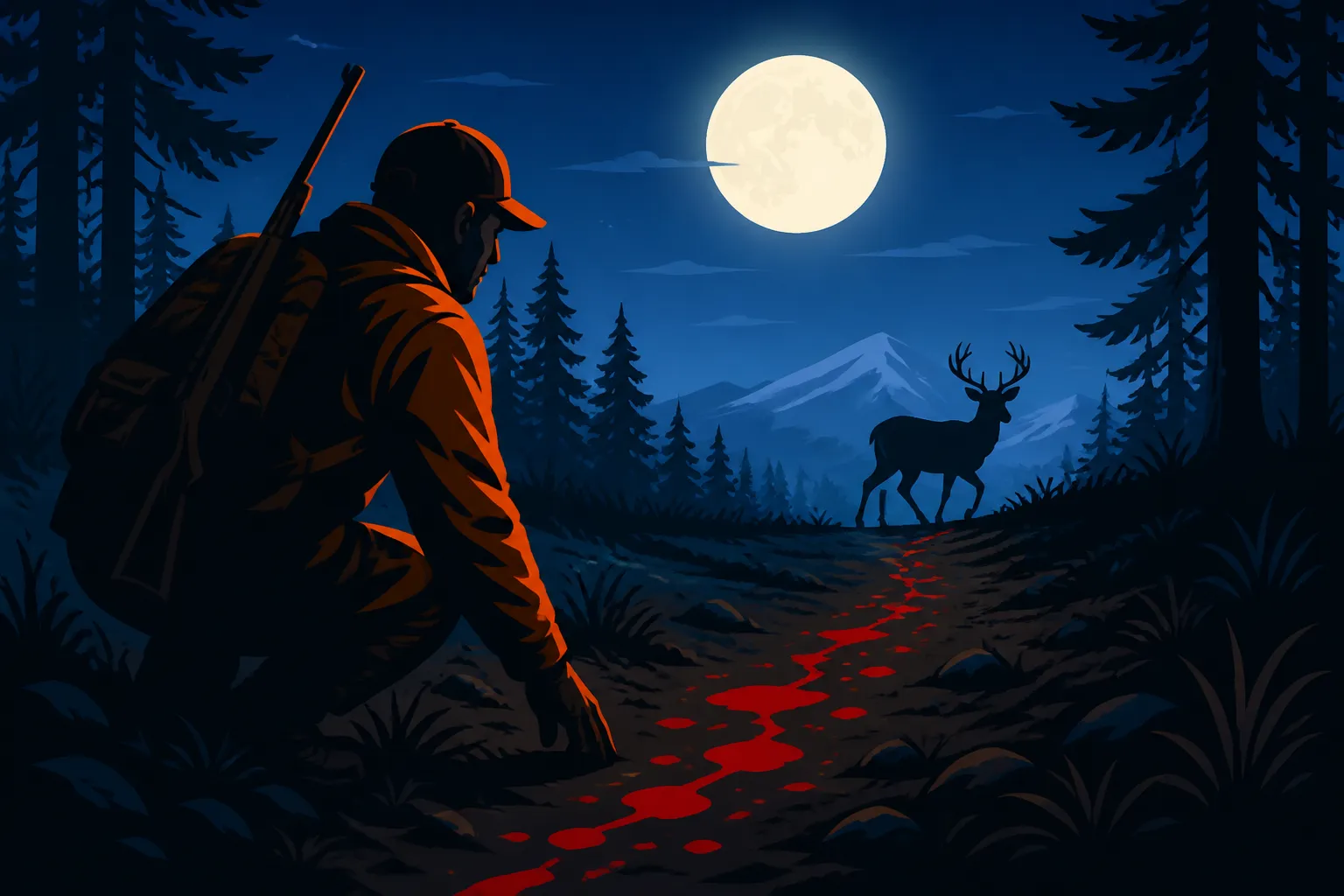
When the sun dips below the horizon in New Hampshire, the woods transform. Familiar landmarks become obscured, shadows play tricks on your eyes, and the vibrant colors that help distinguish a blood trail in daylight fade into monotonous hues of grey and black. It's a challenging situation, but one many of us have faced, and with the right approach, it's manageable.
Why Darkness Adds Urgency and Difficulty
The moment you realize you'll be trailing after dark, a different kind of clock starts ticking. Not only are you battling diminishing visibility, but the longer an animal is left in the woods, the higher the risk of spoilage, especially if the weather isn't freezing. Coyotes, bobcats, and even bears are opportunistic predators, and a wounded deer left overnight becomes an easy target. This isn't just about recovering your game; it's about minimizing suffering and ensuring your hard work and ethical commitment aren't wasted. The terrain in New Hampshire, with its rocky ridges, thick softwoods, and often swampy lowlands, becomes exponentially more treacherous once you can't see your footing clearly. What might be a simple rock hop in daylight can become a twisted ankle or worse in the dark.
Emotional Toll and Ethical Responsibilities
Let's be honest, losing a wounded animal is one of the toughest parts of hunting. The "what ifs" and the feeling of failure can haunt a hunter for seasons. When you make a shot, your ethical responsibility doesn't end until that animal is recovered. This commitment means pushing through fatigue, discomfort, and the fear of the dark to do everything in your power to find it. It's a testament to our respect for the game we pursue. Sometimes, the emotional stress can cloud judgment, leading to rushing or giving up prematurely. It's crucial to stay calm, methodical, and focused on the task at hand. Remember, a quick, clean kill followed by a diligent recovery is the hallmark of a responsible hunter. Even if the trail is sparse, every drop of blood tells a story, and it's our job to read it.
Essential Gear for a Successful Night Trail
You wouldn't head into the woods for a hunt without your rifle or bow, and you shouldn't attempt an after-dark trail without proper gear. This isn't just about comfort; it's about efficacy and safety. Preparing for this possibility before you ever step foot in the woods can make all the difference.
Lighting Up the Night: Headlamps and Flashlights
This is probably the most critical category of gear for night trailing. A single, weak light source simply won't cut it. You need redundancy and quality.
- Headlamps: A good headlamp is non-negotiable. It keeps your hands free for balancing, holding your weapon (unloaded, of course), or marking the trail. Look for a headlamp with multiple brightness settings, a long battery life, and a comfortable strap. Some modern headlamps offer a red light setting, which can be less disruptive to night vision, though for blood trailing, you'll almost certainly need a bright white light. Having a primary high-lumen headlamp (think 500+ lumens) and a backup on a different power source is smart. For navigating steep terrain or dense cover, a wide beam is often more useful than a narrow spot beam, though some headlamps offer both. If you're looking for a reliable option, check out suggestions like those found in our guide on what makes a Best Headlamp for a Pre-Dawn Granite Climb.
- Flashlights: A powerful handheld flashlight can complement your headlamp by offering a different angle of light, helping illuminate shadows or penetrate dense brush. Consider one with a focused beam to really punch through the darkness and highlight faint sign. Some hunters even use specialized blood-tracking lights, which often use specific wavelengths (UV or blue light) to make blood fluoresce. While these can be effective, they require some getting used to and aren't a magic bullet.
- Batteries: Always, always, always carry spare batteries for all your light sources. Cold weather in New Hampshire can drastically reduce battery life, so keep spares in an inside pocket to keep them warm.
Aids for Spotting Faint Sign
Even with the best lights, blood can be tough to see, especially on dark leaves or pine needles.
- Blood Tracking Sprays/Powders: These products are designed to react with blood, making it glow under a UV light. They can be incredibly helpful when the trail is sparse or you're dealing with a stomach shot that results in minimal external bleeding. Follow the directions carefully, as overuse can sometimes obscure the trail further.
- Orange Trail Marking Tape: This is indispensable. Every time you find a confirmed drop of blood, mark it. Tie a piece of bright orange tape to a branch above or beside it. This not only shows you where you've been but also gives you a clear line to your last known sign if you lose the trail and need to back up. It helps you visualize the animal's direction of travel, which is key. Don't skimp; carry a whole roll, or even two.
- Binoculars: While it might seem counterintuitive at night, a good set of binoculars can sometimes help you scan ahead in dimly lit areas or confirm a "spot" of color that might be blood. In very open terrain, they can sometimes reveal the animal itself bedded down. For typical New Hampshire timber, their utility is more limited at night, but they can still be valuable.
Navigation Tools and Communication
Getting lost in the dark while focused on a blood trail is a real danger.
- GPS Device/Mapping App: A reliable GPS unit or a smartphone with a robust mapping app like GoHunt is vital. Mark your starting point, the point of impact, and every significant piece of sign you find. This creates a digital breadcrumb trail that allows you to backtrack if necessary and provides crucial information about the animal's path. Even if you have cell service, download offline maps before you go, as coverage can be spotty in many parts of New Hampshire. Our guide on Best Offline Map App for the North Country can provide more insights into this essential tool.
- Compass and Map: Don't underestimate the old-school tools. Batteries die, electronics fail. A physical compass and a waterproof map of the area are fundamental backups. Know how to use them, especially for navigating after dark.
- Two-Way Radios/Satellite Communicator: If you're trailing with a partner or have someone waiting back at camp, reliable communication is essential. Two-way radios are great for short distances, but for true backcountry situations, a satellite communicator (like an inReach or Zoleo) can literally be a lifesaver, allowing you to send messages or even an SOS if you get into trouble.
- First Aid Kit: Accidents happen, especially in the dark. A well-stocked first aid kit for minor cuts, scrapes, and sprains is a must.
| Essential After-Dark Trailing Gear | Primary Purpose | Key Features / Considerations |
|---|---|---|
| High-Lumen Headlamp | Hands-free illumination | 500+ lumens, multiple settings, long battery life, comfortable |
| Powerful Handheld Flashlight | Supplementary light, focused beam | Durable, focused beam, tactical options |
| Spare Batteries | Power redundancy | Keep warm, match all devices, consider rechargeable |
| Orange Trail Tape | Mark location of blood sign | Bright, weatherproof, easy to tear, generous quantity |
| GPS Device/Mapping App | Navigation, track animal path | Offline maps (GoHunt), waypoint marking, reliable battery |
| Compass & Map | Backup navigation | Waterproof map, know how to use in low light |
| First Aid Kit | Safety, emergency care | Comprehensive for minor injuries, personal medications |
| Layered Clothing | Comfort, warmth | Avoid cotton, moisture-wicking, quiet fabrics for movement |
Strategic Approaches to Trailing When the Sun Goes Down
Trailing in the dark isn't just about having the right gear; it's about employing smart, patient strategies. The urge to find your animal can be overwhelming, but rushing will only lead to further frustration and potentially losing the trail permanently.
Slow and Methodical Progress
Patience is your greatest asset. When you're trailing after dark, slow down significantly. What might take an hour in daylight could take several hours in the dark.
- The "One-Man-Down" Method: This is a classic and highly effective strategy. Have one person on the "hot seat" meticulously searching for the next blood sign. Once they find it, they stay there and act as an anchor. The other person (or if solo, you return to the last mark) then moves ahead, looking for the next sign. This ensures you always know your last confirmed spot. Never move both people (or yourself) past the last confirmed sign until the next one is found.
- Scanning Patterns: Instead of just staring at the ground directly in front of you, use your light to methodically sweep the area. Start close to your feet and gradually expand your scan further out, from left to right, then repeating as you slowly move forward. Pay attention to anything that breaks up the natural patterns of the forest floor – a disturbance, a broken branch, or a small patch of brighter or darker color. Blood often looks different under artificial light. It can appear black, dark brown, or even purplish.
- Look Up, Down, and All Around: Blood isn't always on the ground. Check tree trunks, low-hanging branches, and the undersides of leaves. Sometimes, a high lung hit can result in blood being splattered higher up as the animal runs. Also, be mindful of where the animal could have gone. Did it jump a log? Go under thick brush? Move off a ridge?
Marking the Trail and Grid Searches
Consistent marking of the trail is non-negotiable, and knowing when and how to conduct a grid search is crucial when the trail vanishes.
- Mark Every Confirmed Drop: Use your orange trail tape liberally. Every single time you find a definitive piece of blood, tie a piece of tape to a branch nearby. Angle the tape towards the direction of travel if possible. If the blood stops, you can easily return to the last mark and expand your search from there. This also helps you avoid circling back on yourself in the dark, which is surprisingly easy to do. If the trail becomes easy to follow again, you can remove some of the tape on your way out, or simply leave it for the next day, assuming you return successfully.
- When the Trail Vanishes: The Grid Search: This is the nightmare scenario – the blood just stops. Don't panic. Return to your last confirmed mark. From that point, begin a systematic search. Walk in an ever-widening circle around that last mark. If that doesn't yield results, implement a grid search. Designate a perimeter (say, 20-30 yards) and walk parallel lines across that area, then perpendicular lines. Do this with extreme diligence, light sweeping every inch of ground. This is where a good mapping app like GoHunt can shine, allowing you to mark areas you've already thoroughly searched. Remember, even a single drop can get you back on track.
Knowing When to Call for Help or Return in the Morning
Sometimes, despite your best efforts, the trail goes cold, or the conditions become too dangerous.
- Recognizing Limitations: There's no shame in admitting you're stumped. If the trail is truly gone, or you're getting disoriented, it's safer to back out. Pushing on blindly can lead to injury or further loss of the animal. If you've been working the trail for hours and exhaustion is setting in, your effectiveness will diminish.
- Calling for Reinforcements: If you have friends or family who are experienced trackers and can safely join you, don't hesitate to call for help. A fresh set of eyes can often pick up what you've missed, and more lights mean a wider search area. Just ensure everyone is briefed on the situation and knows the plan.
- Making the Morning Decision: If you reach a point where continued trailing after dark is futile or unsafe, make the hard decision to pull out and return at first light. Mark your last confirmed sign clearly, and if possible, note the direction the animal was heading. Before leaving, consider the weather forecast. If temperatures are going to drop significantly overnight, especially below freezing, the meat is likely to be okay. However, if it's going to be a warm night, spoilage is a serious concern. Coming back in the morning allows you to capitalize on the better visibility. Our article on Tracking a Deer in Fresh White Mountain Snow can offer additional tips for morning searches when snow cover adds another layer of complexity.
Legal Considerations and Safety Precautions
Hunting and trailing at night in New Hampshire come with specific legal regulations and inherent safety risks that every hunter must understand. Ignorance of the law is never an excuse.
New Hampshire's Night Hunting Regulations
It's absolutely critical to understand that hunting at night for deer is illegal in New Hampshire. This guide is strictly about recovering a legally harvested animal after dark. You cannot use your weapon to continue the hunt once legal shooting hours have passed.
- Legal Shooting Hours: New Hampshire Fish and Game regulations define legal shooting hours from one-half hour before sunrise to one-half hour after sunset. If you're out past these times, your firearm or bow must be unloaded and cased, or at least rendered inoperable, as if you were simply hiking. The only exception for actual hunting at night in New Hampshire is for specific furbearers like fox and coyote, and even then, there are strict rules about lights and methods.
- Permissibility of Trailing: Trailing wounded game after legal shooting hours is generally permitted, as it falls under the ethical obligation to recover game, not continued hunting. However, you must ensure your weapon is secured. It's also advisable to notify local law enforcement or a conservation officer if you anticipate being out very late or are entering private property where you might be mistaken for a poacher. This transparency can save you a lot of trouble. Always carry your hunting license and any necessary permits with you. Our guide on New Hampshire Wildlife Violation Penalties provides a stark reminder of the consequences of non-compliance.
- Private Land: Always respect private property. If the blood trail leads onto posted private land, you must obtain permission from the landowner before continuing your pursuit, even if it's just to recover a deer. Failing to do so constitutes trespassing, which is a serious offense. This is where building relationships with landowners in New Hampshire farm country, as discussed in Knocking on Doors in New Hampshire Farm Country, can really pay off before the season even begins.
Prioritizing Hunter Safety After Dark
The woods are dangerous enough in daylight. At night, the risks multiply.
- Blaze Orange: While blaze orange is required during daylight firearms seasons, it's less effective in true darkness as it requires ambient light to be seen. However, if you are going out for a short period after sunset, especially if others are still afield, wearing it won't hurt. For full darkness, your primary safety measure becomes your bright lights. Make sure your lights illuminate yourself as well as the trail.
- Terrain Awareness: New Hampshire's varied landscape, from the steep, rocky pitches of the White Mountains to the boggy lowlands of the North Country, demands extreme caution in the dark. Uneven footing, slippery leaves, submerged roots, and hidden holes are all hazards. Walk slowly, deliberately, and constantly scan the ground ahead of your feet with your light. Be especially wary near water features like beaver flowages or steep ravines; recovering a deer from such places, as detailed in Recovering a Deer From a Beaver Flowage, is difficult enough in daylight.
- Wildlife Encounters: While deer are your focus, you're not the only creature active at night. Bears, coyotes, and bobcats are common in New Hampshire, and a wounded animal can attract them. Carry bear spray if you're in bear country, and be aware of your surroundings. Make noise, especially if you're alone, to avoid startling animals.
- Hypothermia and Exhaustion: Even on what seems like a mild evening, temperatures can drop significantly in New Hampshire. Combine that with the physical exertion of trailing and the emotional stress, and hypothermia can become a risk. Dress in layers, avoiding cotton, and bring extra insulated clothing. A small pack with water, high-energy snacks, and emergency gear is always a good idea. Remember, for a long sit in cold weather, our guide on Cold-Weather Sitting Strategy in the North Country offers valuable insights into staying warm.
- Communicating Your Plan: Before heading out to trail, always let someone know where you're going, your planned route, and when you expect to return. This is non-negotiable for safety, especially if you're going solo. If you don't check in by a certain time, they'll know to initiate a search.
By understanding the unique challenges of blood trailing after dark, equipping yourself properly, adopting a patient and methodical strategy, and respecting all legal and safety guidelines, you significantly increase your chances of a successful recovery and uphold the highest standards of ethical hunting in New Hampshire. After you've successfully recovered your deer, remember to fulfill your reporting duties, which our guide on New Hampshire Deer Reporting Requirements explains in detail.
Disclaimer
The information provided in this guide is for informational purposes only and is not intended as legal advice. Hunters are responsible for knowing and adhering to all current New Hampshire Fish and Game laws and regulations. Always consult the official New Hampshire Fish and Game Department website or current hunting digest for the most up-to-date and specific rules before heading afield.