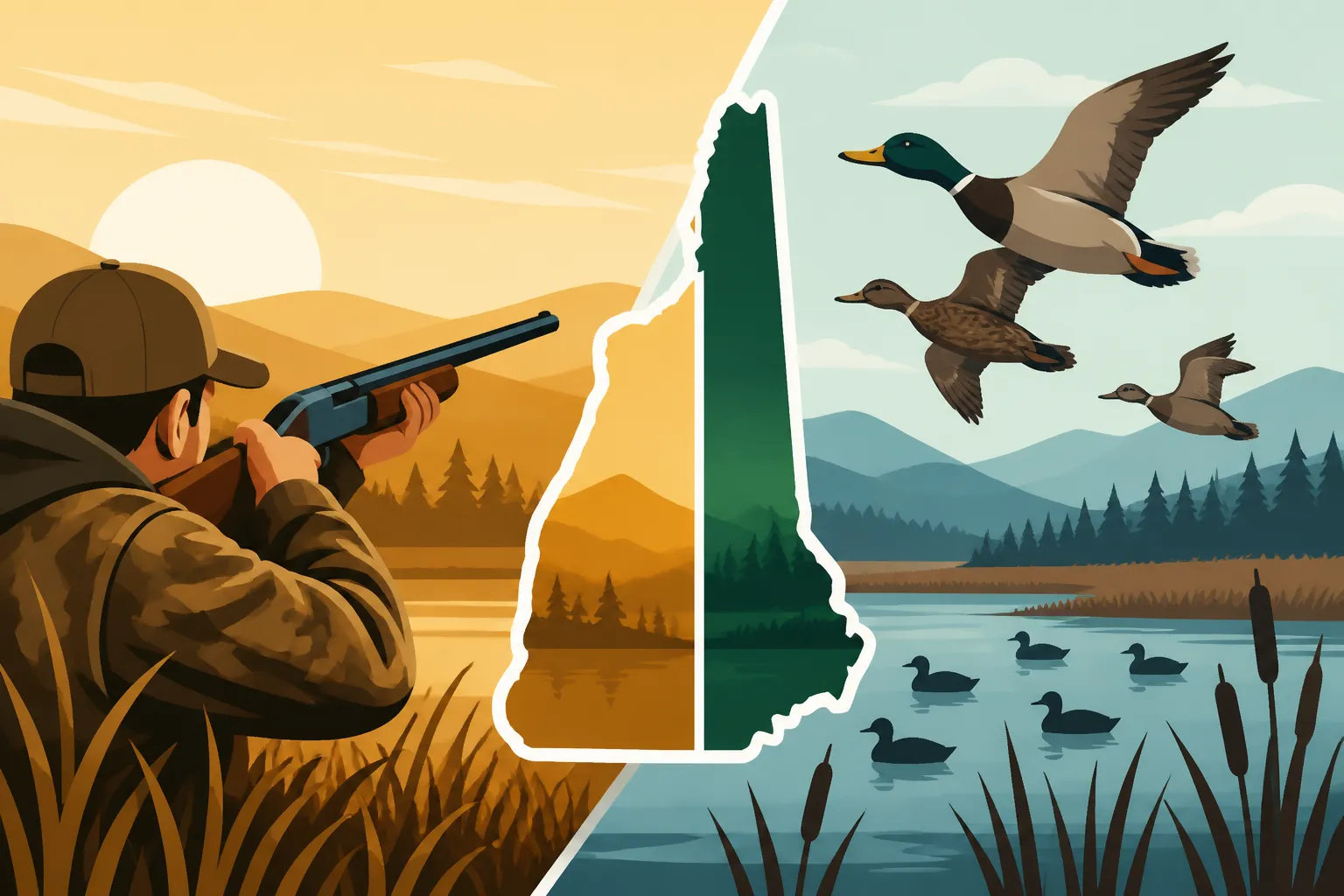
Hunting the Split Inland Zone Waterfowl Season
There's nothing quite like the excitement of a new waterfowl season, but here in New Hampshire, navigating the complexities of our Inland Zone's split season can feel like you need a calendar and a crystal ball. Hunters often feel a rush to get out during that early window, only to be left wondering how to re-strategize when the season abruptly closes, then reopens later in the fall. This guide aims to demystify the rhythm of the New Hampshire Inland Zone split waterfowl season, providing you with practical strategies to make the most of both segments and keep those ducks and geese coming to your spread.
Understanding New Hampshire's Inland Zone Split Season
The unique structure of New Hampshire's Inland Zone waterfowl season, with its distinct early and late segments, isn't just a quirk; it's a carefully considered approach to wildlife management that directly impacts how we, as hunters, need to adapt our tactics. It can be frustrating to have prime duck hunting suddenly cut short, but understanding the "why" behind it can help you plan better.
Why the Split Season Exists
The primary reason for a split season is rooted in the migratory patterns of waterfowl and the need to manage various species effectively. New Hampshire sits squarely on the Atlantic Flyway, and different species of ducks and geese migrate through our state at different times. The early segment typically targets resident birds and early migrants like wood ducks and teal, which are often plentiful in September. These birds haven't been pressured much, and their patterns are more predictable based on local food sources. However, keeping the season open continuously would put undue pressure on these early birds, and it might also open too early or too late for the bulk of the later migrating species.
The mid-season closure serves a crucial purpose: it allows for a period of respite. During this time, many of the early migrants have moved on, and the main push of "northern birds"—geese, black ducks, and other species migrating from Canada—hasn't fully arrived yet. This break helps reduce overall hunting pressure, allowing birds to rest and feed undisturbed, conserving the resource for the later, often more challenging, segment. This management strategy aims to provide opportunities for hunters to pursue both early and late migrating species without overharvesting any particular group. It’s all part of the larger picture of New Hampshire Waterfowl Season and Zones.
Key Dates and Segments
The exact dates for the Inland Zone split season can vary slightly year to year, so it's absolutely critical to consult the most current New Hampshire Fish and Game digest or their website for the official word. Generally, however, you can expect a pattern that looks something like this:
- Early Segment (mid-to-late September): This is typically a shorter window, often lasting about two to three weeks. It’s characterized by warmer weather, abundant green vegetation, and primarily resident or very early migrant ducks. Species you’ll encounter most often include mallards, wood ducks, and green-winged teal. The birds are generally less wary at this time.
- Mid-Season Closure (late September through October): This is the period when many hunters feel a pang of longing as their gear sits idle. It can last anywhere from a few weeks to a month. This break allows birds to move through without constant pressure and readies the stage for the major migration.
- Later Segment (early November through December): This is usually the longer segment, stretching well into the colder months. This is when the main push of northern migrants arrives, bringing in more diverse species like black ducks, scaup, buffleheads, goldeneyes, and, of course, a significant increase in Canada geese. Weather conditions can range from crisp autumn days to bitter cold with snow and ice, completely transforming the landscape and the birds' behavior. For the precise calendar, always check New Hampshire Inland Zone Waterfowl Dates.
Impact on Hunter Strategy
Understanding these segments isn't just academic; it profoundly impacts your hunting strategy. Trying to hunt the late season with early-season tactics is a recipe for frustration. Similarly, being caught flat-footed when the season reopens after the break can mean missed opportunities.
The early segment calls for stealth, smaller spreads, and focusing on smaller water bodies and local food sources. Birds are often more forgiving. The late segment, however, demands resilience against colder weather, a willingness to scout for shifting food sources, and often larger, more diverse decoy spreads tailored for larger flocks and more wary birds. It might mean shifting from a quiet slough to a big river or even a harvested cornfield. The successful hunter isn't just skilled at calling and shooting, but at adapting to these distinct seasonal phases. It's essentially New Hampshire's Split Waterfowl Season Explained in action.
Navigating the Early Segment
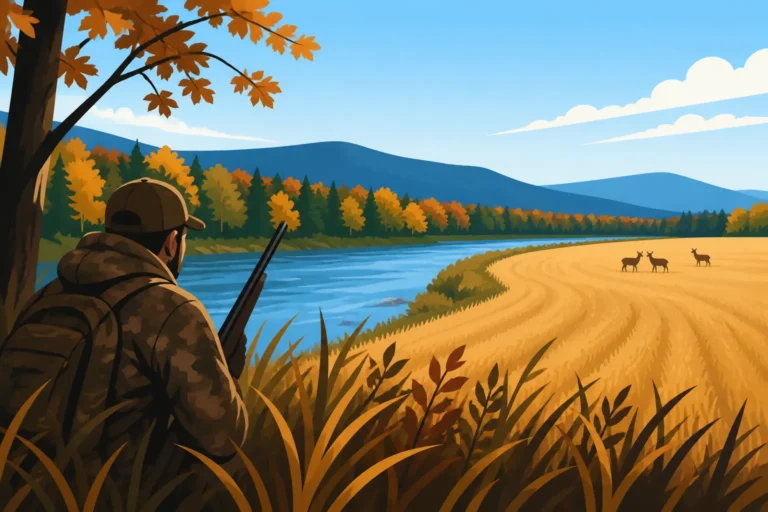
The early segment of New Hampshire's Inland Zone waterfowl season offers a unique charm. The air is still relatively warm, the leaves are starting to turn, and the birds haven't been relentlessly shot at. It’s a time for focusing on local dynamics and less pressured birds, but it still requires a smart approach.
Prime Species and Habitat Focus
During this initial burst of the season, your primary targets will typically be local resident mallards, the incredibly beautiful and fast-flying wood ducks, and sometimes early-arriving green-winged teal. These birds are often associated with smaller, shallower water bodies like beaver ponds, slow-moving creeks, flooded timber, and the edges of larger marshes.
Think about areas where acorns are dropping or where smartweed and other emergent aquatic vegetation offer good food. Wood ducks, in particular, adore swampy, wooded areas with standing timber and nearby mast crops. Mallards will be found on nearly any suitable water, but often gravitate towards areas with easy access to agricultural fields if available, or rich shallow feeding grounds. Teal prefer muddy edges and shallow flats where they can dabble. Your scouting should heavily focus on identifying these types of habitats, paying attention to flight patterns in the early morning and late evening. What seems like an insignificant puddle in August could be a wood duck hotspot in September.
Decoy Spreads and Calling Tactics
The key to early segment success often lies in subtlety. The birds haven't seen hundreds of decoys or heard aggressive calling for weeks on end. They're more inclined to respond to natural-looking setups.
- Decoy Spreads: Smaller spreads are generally more effective. Think 6-12 mallard and wood duck decoys, perhaps a few teal. Keep the spread looking natural and inviting. A small group of feeders, a few upright sentinels, and some active swimmers can be very convincing. Consider a "loafing" spread near shore, giving the impression of relaxed birds. You're not trying to attract birds from miles away; you're trying to draw in local birds already working the area. A jerk string can add vital movement, mimicking live birds splashing and feeding. If you're on a bigger water body, even a small spread can be effective, much like when Decoying Ducks on New Hampshire's Connecticut River in a smaller backwater.
- Calling Tactics: Less is often more. Soft, contented quacks and clucks from a mallard call, combined with the occasional whistle for a pintail or widgeon (even if they're not common, it adds variety), can work wonders. For wood ducks, a simple squeal or "weeet" call can bring them right into range. Avoid aggressive hail calls unless you see birds at a distance and know they're looking. Instead, focus on reassuring, conversational calls that suggest safety and contentment. When birds are working, keep calling soft and minimal, letting them finish.
Scouting and Location Selection
Scouting is paramount for the early season. Since you're targeting resident birds or early migrants, their locations can be very specific and often tied to current food sources or safe roosting areas.
Before the season even opens, spend time driving roads near water, walking public land, and using mapping tools like GoHunt to identify potential new spots or confirm old ones. Look for fresh droppings, disturbed mud, feather piles, and actual birds. Pay attention to small details – a specific bend in a creek, a secluded beaver flowage, or a patch of submerged smartweed can be a magnet for ducks.
For location selection, focus on areas that offer concealment and good approach routes. You want to be able to get into your spot quietly and set up without spooking birds. Small, secluded waters are often best, as they provide an intimate hunting experience. Don't overlook the potential of unexpected spots; a small pond in a public parcel or a quiet stretch of river often holds birds. Remember, good scouting will pay dividends throughout the season, especially when you are Reading a Marsh for a Morning Flight and trying to decipher bird movements.
Adapting to the Later Segment
When the season reopens, New Hampshire is usually a different world. The air is colder, the leaves are gone, and a new wave of migratory birds has pushed south. This late segment demands a significant shift in strategy, gear, and mindset.
Cold Weather Species and Behaviors
The latter part of the Inland Zone season sees a dramatic change in the waterfowl population. While mallards are still present, you'll likely encounter a higher proportion of black ducks, particularly in larger river systems and marshes. Northern flight Canada geese become a major player, often gravitating towards harvested agricultural fields. Diver ducks like scaup, buffleheads, and goldeneyes also start showing up on larger, deeper bodies of water like lakes and wide rivers.
These birds, having traveled hundreds or thousands of miles, are generally warier than their early-season counterparts. They've been shot at more, and they're focused intensely on finding reliable food sources and safe roosting areas to fuel their journey further south. Cold fronts can trigger massive pushes of new birds, so paying attention to weather patterns is crucial. Birds will often feed heavily in the morning and evening, loafing on large open water during midday to conserve energy. Their behavior becomes much more about survival, making them more challenging to decoy and call.
Gear and Blind Adjustments
The colder temperatures and the change in target species necessitate significant adjustments to your gear and blind setup.
- Layering and Waders: Forget the light jacket of September. This is when multiple warm layers become critical. Think synthetic or wool base layers, fleece mid-layers, and a waterproof, windproof outer shell. You'll need insulated waders or quality chest waders designed for cold water, paired with thick wool socks. There's nothing worse than being cold and wet, so invest in good Waders for New Hampshire Waterfowl Hunting and dress appropriately.
- Decoys: Your decoy spread will likely need to expand. Larger numbers of decoys often attract the attention of passing migratory flocks. Consider adding black duck decoys, diver decoys for open water, and especially a spread of full-body goose decoys if you're targeting fields. Motion decoys, like spinning wing decoys, can be very effective in attracting distant birds on overcast days, but be mindful of local regulations and bird wariness – sometimes static spreads are better for pressured birds.
- Blinds: Natural cover is always ideal, but if you're hunting open fields or shorelines, a sturdy layout blind becomes essential. These blinds blend seamlessly into stubble and protect you from the biting wind and cold. Check out options like a Best Layout Blind for a Northern Zone Field. For river hunting, brushed-in boat blinds or pop-up blinds carefully camouflaged with local vegetation are key. The goal is to disappear into your surroundings.
Late Season Food and Roosting Sites
Late season hunting success hinges almost entirely on finding where the birds are feeding and resting. As natural food sources dwindle, waterfowl become heavily reliant on agricultural fields and larger, ice-free water bodies.
- Food Sources: Pay close attention to harvested cornfields, soybean fields, and winter wheat fields, especially those near water. Geese and mallards will travel considerable distances to feed in these areas. For ducks, look for lingering patches of smartweed, wild rice, or submerged aquatic vegetation in larger rivers and lakes. Even waste grain in cow pastures can be a draw.
- Roosting Sites: Large, open bodies of water that remain ice-free are critical roosting sites. These could be large lakes, wide sections of rivers, or even the seacoast if conditions push birds towards the salt. Scouting these areas at dawn and dusk is crucial to identify flight lines between roosts and feeding grounds. You might not hunt the roost, but knowing where birds are coming from and going to will help you set up along their flight path. This is particularly important for Pass-Shooting Geese on a Split-Season Field, where knowing the flight lines to and from a feeding area is paramount.
- Scouting Continuously: The late season requires constant re-scouting. A field that was hot last week might be barren after a snowstorm or heavy hunting pressure. Drive back roads, observe from a distance with binoculars, and use mapping apps like GoHunt to pinpoint land ownership and potential access. The birds move, and so should you.
| Feature | Early Segment (Sept) | Later Segment (Nov-Dec) |
|---|---|---|
| Typical Weather | Mild, warm, clear to light rain | Cold, freezing temps, snow, wind, ice |
| Primary Species | Resident Mallards, Wood Ducks, Green-winged Teal | Migratory Mallards, Black Ducks, Canada Geese, Divers |
| Habitat Focus | Small ponds, beaver flows, wooded creeks, shallow marshes | Large rivers, lakes, harvested crop fields, open marshes |
| Decoy Spreads | Small (6-12), natural, subtle movement | Larger (24+), diverse species, motion highly effective |
| Calling Tactics | Soft, contented quacks/clucks, wood duck squeals | Aggressive hail calls, feeding chatter, goose honks |
| Hunter Concealment | Natural cover, simple blinds | Layout blinds, brushed-in boat blinds, dense natural cover |
| Food Sources | Acorns, emergent vegetation, natural seeds | Waste grain (corn, soy), winter wheat, deeper aquatic vegetation |
| Hunting Pressure | Generally lower | Often higher, birds warier |
Essential Gear and Preparation for Both Segments
Regardless of which segment you're hunting, having the right gear and being well-prepared is non-negotiable for a safe and successful New Hampshire waterfowl hunt.
Layering and Weather Protection
New Hampshire weather is notoriously unpredictable, even within a single day. Layering is your best friend.
- Base Layers: Start with a good moisture-wicking base layer (synthetic or merino wool) to pull sweat away from your skin. This is crucial even in cold weather; if you get sweaty hiking in, that moisture will make you dangerously cold when you sit still.
- Mid-Layers: Add insulating layers like fleece or down vests/jackets. These trap warm air close to your body.
- Outer Shell: Your outermost layer must be waterproof and windproof. A good quality Gore-Tex or similar material jacket and pants will protect you from rain, snow, and bitter winds. Look for patterns that blend with typical New Hampshire fall and winter vegetation.
- Extremities: Don't forget your head, hands, and feet. A warm hat (or two), waterproof and insulated gloves, and warm, tall socks are vital. Foot warmers and hand warmers can be a game changer on frigid late-season mornings.
The difference between a miserable hunt and an enjoyable one often comes down to staying dry and warm. Always pack an extra layer or two, especially if hunting on open water or in exposed fields.
Decoys, Calls, and Blinds
Your "tool kit" for waterfowl hunting extends far beyond just your shotgun.
- Decoys: As discussed, the type and number of decoys will vary. Invest in quality decoys that look realistic. Flocked heads, natural paint schemes, and lifelike body postures make a difference. Don't cheap out on lines and weights either; you don't want your spread drifting away in a current or high winds. For geese, full-body decoys in a field are incredibly effective.
- Calls: A good mallard call is a must. Learn to make a variety of sounds – greeting call, feeding chuckle, comeback call, and the subtle clucks and quacks. A wood duck call is essential for the early season. For geese, a short-reed goose call and an effective flagging system (a large black flag that mimics flapping wings) can be deadly. Practice, practice, practice!
- Blinds: Whether it’s brushing in a natural hide, using a pop-up blind, or deploying a layout blind, concealment is critical. Waterfowl have incredible eyesight. Pay attention to background, shadows, and sky-lighting. If you're on public land, remember that Ground Blind Rules on New Hampshire WMAs might apply, so always check the digest. For hunting big fields, a Best Layout Blind for a Northern Zone Field can be the key to disappearing.
Mapping and Navigation Tools
Knowing where you are, where you can hunt, and where the birds want to be is paramount.
- GPS/Smartphone Apps: A reliable GPS unit or a smartphone app like GoHunt is invaluable. GoHunt offers detailed satellite imagery, topographic maps, and crucial land ownership layers that show public and private boundaries. This is especially important when hunting diverse landscapes or venturing into new areas. You can mark waypoints for blinds, retrieve downed birds, and confirm you're not trespassing. Having offline map capabilities is a must, as cell service can be spotty in many prime New Hampshire hunting locations.
- Compass and Map: While technology is great, always carry a physical compass and a paper map as a backup, especially in remote areas or if your electronics fail. Knowing how to use them is a fundamental safety skill.
- Headlamp: A powerful headlamp with a red light option (to preserve night vision and avoid spooking birds pre-dawn) is indispensable for pre-dawn setups and post-hunt retrieves.
Being prepared with the right tools ensures you can navigate safely, effectively, and legally, allowing you to focus on the hunt itself, rather than worrying about getting lost or running afoul of land boundaries. This is especially true when you are trying to find prime areas in the White Mountain National Forest or other expansive public lands.
New Hampshire Duck and Goose Bag Limits
Always stay informed about the legal limits for ducks and geese. These limits are set by species and zone to ensure sustainable harvest. The New Hampshire Fish and Game Department publishes these annually. For instance, the daily bag limit for mallards might be different from that for black ducks, and there are often species-specific possession limits as well. Ignorance of the law is no excuse, and violating bag limits can result in significant penalties. Make sure you check New Hampshire Duck and Goose Bag Limits every season.
Disclaimer
Hunting is an inherently dangerous activity. Always prioritize safety, follow all local and state regulations, and obtain proper licenses and permits. The information provided in this guide is for informational purposes only and should not be considered legal advice. Consult the official New Hampshire Fish and Game Department regulations for the most accurate and up-to-date rules.