Jump-Shooting a New Hampshire Creek
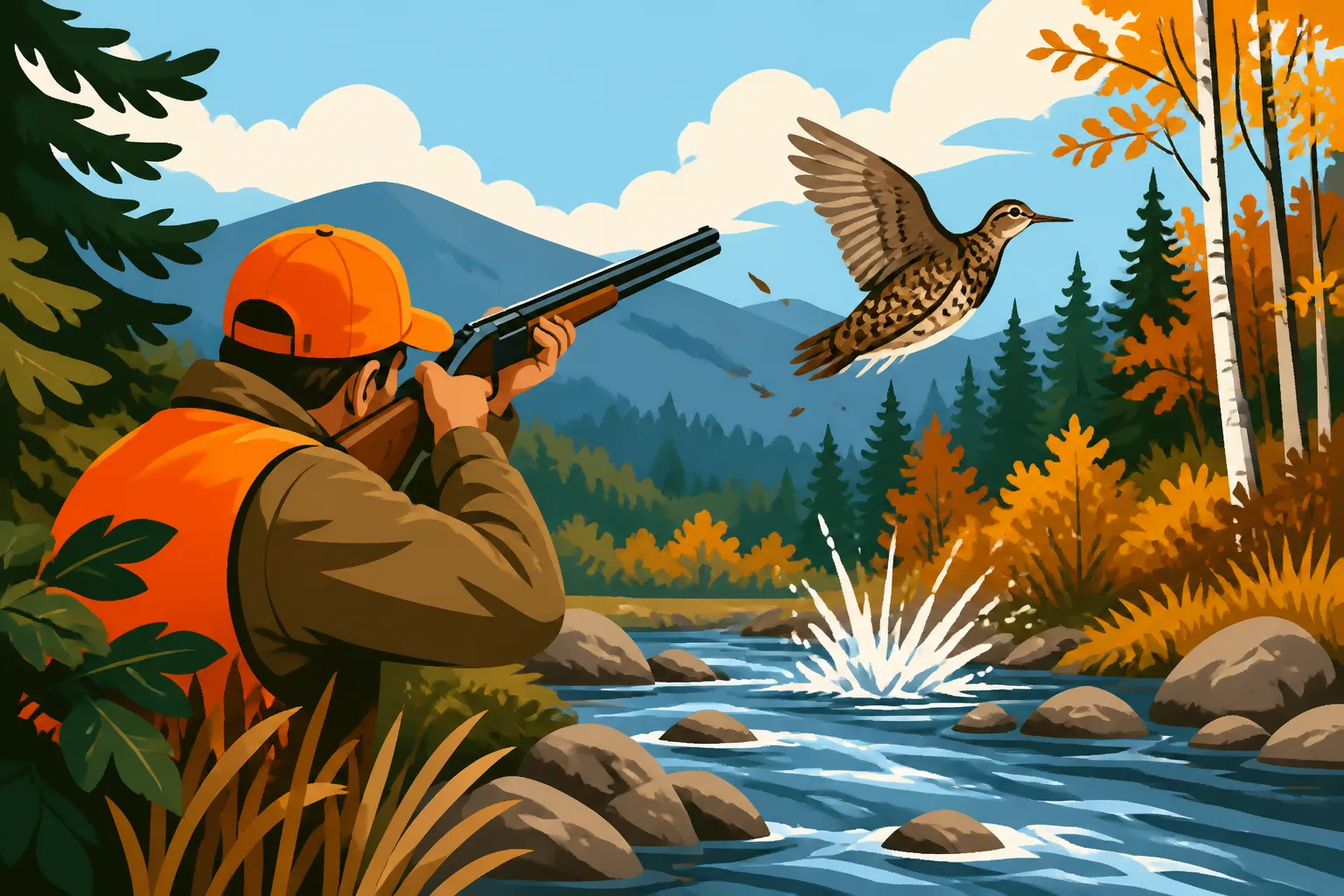
There’s nothing quite like the rush of a surprise flush, especially when you’re slipping silently along a New Hampshire creek, fully anticipating the explosion of wings. Many waterfowl hunters get caught up in the big water, setting elaborate decoy spreads on wide rivers or vast marshes, and sometimes forget the incredible opportunities that smaller, more intimate waterways offer. The frustration often comes from thinking you need a massive setup or a boat, when in reality, some of the most exciting duck hunting can be found by simply walking a creek bed. This guide will walk you through everything you need to know about jump-shooting New Hampshire creeks, from identifying prime spots to perfecting your stealth and ensuring a safe, successful hunt.
Understanding New Hampshire Creeks for Waterfowl
New Hampshire, while known for its mountains and forests, is crisscrossed with countless creeks, streams, and smaller rivers that often get overlooked by hunters. These waterways, from the modest feeder streams emptying into larger lakes to the winding channels that snake through agricultural fields, are vital habitats for ducks throughout the hunting season. You’ll find everything from mallards and wood ducks to occasional black ducks frequenting these smaller systems.
What Makes a Creek Productive?
Not all creeks are created equal for jump-shooting. The most productive ones offer a combination of essential elements that draw in and hold waterfowl. Look for creeks that aren't too wide or too deep, providing easily accessible shallow edges where ducks can feed. Wood ducks, in particular, absolutely adore creeks with overhead canopy and plentiful downed timber. These features provide crucial cover from aerial predators and a sense of security.
Furthermore, creeks that meander through diverse habitats are often goldmines. Imagine a creek that flows from a dense softwood thicket, then opens up into a small, flooded beaver meadow, and finally narrows again as it passes through an old cornfield. Each of these transitions offers different food sources and cover, making the entire stretch attractive. Keep an eye out for areas where the creek forms small oxbows, backwaters, or slow-moving eddies. These pockets of calmer water are often where ducks will loaf and feed, especially on a blustery day when larger bodies of water are too choppy. Water clarity also plays a role; while ducks can find food in muddy water, clearer streams might indicate healthier aquatic insect populations, a key food source. Don't underestimate the small, brush-choked trickles; sometimes the most unassuming waterways hold the biggest surprises.
Identifying Prime Holding Areas
When you’re scouting a creek for jump-shooting, you’re essentially looking for where ducks would want to be. This often means looking for areas that provide food, shelter, and escape routes. Ducks are masters of efficiency; they want to minimize energy expenditure while maximizing safety and caloric intake.
Consider the role of food sources. Creeks flowing past agricultural fields, especially those with unharvested corn or soybeans, can be prime feeding grounds. Acorns, beechnuts, and other mast crops dropping into the water from overhanging trees are also massive draws, particularly for wood ducks. Any area with submerged aquatic vegetation, insect larvae, or small invertebrates will attract dabblers. As you walk a creek, look for overturned leaves, muddy edges with dabbling marks, or even scat. Another critical factor is shelter. Overhanging banks, dense willow thickets, beaver lodges, or even large root balls from fallen trees all offer excellent places for ducks to rest, preen, and hide. A slow bend in the creek where the current is minimal, surrounded by thick brush, is often a classic spot to find birds. Also, consider areas where the creek might temporarily widen into a small pond or marshy area, even if it's only a few yards wide. These micro-habitats can hold significant numbers of birds. Remember, during hunting season, ducks become incredibly wary. They will gravitate towards spots that feel safe, offering quick concealment or escape. This often means tight cover and quick bends in the creek that limit a hunter's line of sight.
Essential Gear and Preparation for Jump-Shooting
Successful jump-shooting isn't about having the most expensive gear, but rather the right gear that allows for stealth, comfort, and quick action. Preparation is key to making sure your time on the water is productive and safe.
Footwear and Clothing for Stealth
Your choice of footwear and clothing can make or break a jump-shooting expedition. Since you'll be wading, often through cold water and mud, a good pair of waders is non-negotiable. I personally prefer chest waders for the versatility they offer, allowing you to navigate deeper sections or unexpectedly drop-offs without getting soaked. Neoprene waders offer excellent insulation for colder weather, while breathable models are better for early season or warmer days. Make sure they fit well; ill-fitting waders can be a major hindrance, causing chafing or making movement difficult. Layering is also crucial for New Hampshire's unpredictable weather. You'll be moving, then stopping, then moving again, so you need to be able to regulate your temperature. Think about your base layers for a cold September sit, and how to insulate effectively during colder hunts.
Beyond warmth and dryness, stealth is paramount. Choose subdued camouflage patterns that blend with the natural surroundings of a New Hampshire creek – think browns, greens, and grays that mimic wetland vegetation and timber. Avoid anything bright or reflective. A face mask or face paint can also be incredibly effective, as a duck’s keen eyesight will pick up on exposed skin quickly. Gloves are a good idea for both warmth and to break up the outline of your hands. The goal is to become as invisible as possible to unsuspecting waterfowl.
Shotguns, Ammunition, and Other Necessities
For jump-shooting, a reliable, fast-handling shotgun is your best friend. Most hunters opt for a 12-gauge or 20-gauge pump or semi-automatic. The ability to quickly chamber a follow-up shot is a significant advantage when multiple birds flush. While longer barrels can provide a smoother swing for pass shooting, a slightly shorter barrel (26-28 inches) can be more maneuverable in dense creek-side brush.
Ammunition choice is equally important. Federal regulations mandate the use of non-toxic shot for waterfowl hunting. Steel shot is the most common and affordable option, but bismuth and tungsten matrix loads offer denser patterns and more knockdown power, albeit at a higher cost. For typical creek ranges (often 15-35 yards), I usually stick with 3-inch, #3 or #4 steel shot. Choke selection depends on the density of the cover and expected shot distances. A modified choke is a great all-around choice, providing a good balance of pattern density and spread for closer flushing birds.
Beyond your firearm and ammo, a few other items are essential. A waterproof backpack can carry extra layers, snacks, water, and your phone or GPS. For scouting or navigating property lines, mapping apps like GoHunt can be invaluable for identifying access points and staying legal. A good set of binoculars, even a compact pair, can help you scan ahead from a concealed position without spooking birds. Lastly, don't forget your hunting license, federal duck stamp, and HIP certification. Always confirm the latest New Hampshire Waterfowl Season and Zones and the specific New Hampshire's Inland Zone Waterfowl Dates for your hunting area.
Table: Essential Gear for New Hampshire Creek Jump-Shooting
| Item | Recommended Specification | Purpose |
|---|---|---|
| Waders | Chest waders (neoprene for cold, breathable for mild) | Staying dry and warm while wading |
| Shotgun | 12 or 20 gauge pump/semi-auto, 26-28" barrel | Quick, reliable shots on flushing birds |
| Ammunition | Non-toxic (steel #3 or #4, bismuth/tungsten for more power) | Legal and effective for waterfowl at close range |
| Choke | Modified | Balanced pattern for typical jump-shooting distances |
| Camouflage | Earth tones, dense patterns (e.g., Mossy Oak, Realtree) | Blending with creek-side vegetation |
| Face Mask/Paint | Subdued colors | Breaking up human outline, concealing skin |
| Waterproof Pack | 20-30L capacity | Carrying essentials: layers, food, water, permits |
| Mapping App | GPS-enabled (e.g., GoHunt, onX Hunt) | Navigation, identifying property lines, scouting |
| Binoculars | 8×32 or 10×42 compact | Scanning ahead, identifying species from a distance |
| Licenses/Permits | NH Hunting License, Federal Duck Stamp, HIP Certification | Legal compliance |
Tactics for Successful Creek Jump-Shooting
Jump-shooting is an art form that blends stealth, observation, and quick reflexes. It's about being in the right place at the right time, and often, creating that "right time" through smart movement.
The Art of the Approach and Movement
The core of jump-shooting lies in your approach. Ducks on smaller creeks are incredibly wary; they've chosen these waterways for their relative seclusion. Any sudden movement, loud noise, or uncharacteristic silhouette will send them airborne. Your movement should be slow, deliberate, and quiet. Think "cat-like." Avoid breaking twigs or splashing loudly.
Walk slowly, almost dragging your feet, through the shallow edges of the creek or along the bank, using natural cover to your advantage. Keep your profile low and use thick brush, overhanging trees, and creek bends as concealment. When you come to a bend, rather than simply walking around it, pause. Get low, and slowly, slowly peek around the corner. This is often where ducks are loafing, and that split second of pre-visualization can be the difference between a clean shot and a missed opportunity. Pay attention to the wind direction. Approaching with the wind in your face can help mask your scent and dampen any sounds you make, allowing you to get closer to unsuspecting birds. Knowing the likely escape routes of ducks, such as a beaver flowage edge or a dense cedar thicket, can help you anticipate their flush and position yourself for a shot. Remember, the goal is to surprise them, but also to have your gun ready and safety off when they flush.
Reading the Water and Interpreting Sign
Beyond just blindly walking, you need to actively "read" the creek. This involves looking for fresh sign and anticipating where ducks might be. Fresh droppings on logs or banks, muddled-up mud where ducks have been dabbling, or even just ripples on still water can indicate recent activity.
Pay close attention to changes in habitat. As mentioned before, where the creek widens into a small pool, passes a stand of mast-producing trees, or enters a sheltered, brushy section, these are high-probability areas. Look for any irregularities in the water’s surface – a slight hump, a dark patch, or a distinct V-wake can signal a submerged log, a large rock, or, most importantly, a duck. Even if you don’t see the birds directly, their presence often leaves clues. For instance, if you notice a stretch of creek with consistently mucky bottom and disturbed vegetation, that's a good indicator it's a popular feeding spot. Keep in mind that different species prefer different habitats. Wood ducks will be drawn to timbered creeks with plenty of overhead cover, while mallards might prefer more open sections near agricultural fields. Knowing the typical Duck Migration Timing Through New Hampshire can also help you predict which species you're likely to encounter.
The Flush and Follow-Up Shot
The flush is the moment of truth in jump-shooting. It will often be sudden, loud, and startling. The key is to control your instinct to panic. As birds flush, quickly identify your target – single out a specific bird rather than swinging generally at the flock. Mount your gun smoothly, acquire your lead, and squeeze the trigger.
Since you're often in tight quarters, shots can be close and quick. Be ready for multiple birds to flush. If you drop a bird, immediately mark where it falls. The thick cover that makes creeks ideal for jump-shooting also makes retrieving downed birds difficult. Watch for a specific tree, a distinct bend in the creek, or any landmark that can guide your retrieve. If a bird appears to be a cripple, don't hesitate to take a quick follow-up shot if safe to do so. It's your ethical responsibility to ensure a quick, humane harvest. If you have a retrieving dog, they can be an invaluable asset in these situations, but make sure they are well-trained for silent movement alongside you. For more information on New Hampshire Duck and Goose Bag Limits, always check the current year's regulations.
Safety and Ethics on the Water
Hunting is a privilege, and with that comes a responsibility to adhere to safety protocols and ethical considerations, especially when navigating public and private lands along waterways.
Hunter Safety and Public Land Considerations
When jump-shooting, basic firearm safety rules are paramount. Always treat every firearm as if it's loaded, keep the muzzle pointed in a safe direction (often skyward or pointed at the water in front of you), and keep your finger off the trigger until you're ready to shoot. Be acutely aware of your surroundings, especially if hunting near populated areas or other recreationists. Knowing your safe zone of fire is critical; never shoot toward houses, roads, or other people.
Many New Hampshire creeks flow through a mix of public and private land. Before you even set foot in the water, use a reliable mapping tool, like the GoHunt app, to identify property boundaries. Trespassing, even accidentally, can lead to serious legal consequences and gives all hunters a bad name. If a creek runs through private land, you must obtain permission from the landowner before hunting. It's always best to get written permission when possible. Furthermore, understand the specific rules for public lands; for example, some wildlife management areas might have specific access points or restrictions on certain activities. Always consider others who might be enjoying the outdoors; wave, say hello, and be respectful.
Ethical Hunting and Respecting Wildlife
Ethical hunting goes beyond simply following the law. It's about demonstrating respect for the animals you pursue and the environment they inhabit. This means striving for clean, humane kills and making every reasonable effort to retrieve downed birds. If a bird is crippled, do everything in your power to recover it quickly. Leaving a wounded animal is not only unethical but also a waste of a valuable resource.
Consider your impact on the habitat. Pack out everything you pack in, including spent shell casings. Leave no trace of your presence. Respect nesting areas, even if they aren't protected during hunting season. The future of hunting depends on our collective stewardship of wildlife and natural resources. This also means understanding and adhering to regulations like the New Hampshire Federal Duck Stamp Requirement and New Hampshire HIP Certification for Bird Hunters, which directly contribute to waterfowl conservation efforts. By combining good judgment with a deep understanding of your surroundings, you can ensure a memorable and responsible jump-shooting experience on New Hampshire's hidden waterways.
Disclaimer
Please note: Hunting regulations and seasons are subject to change. Always consult the latest New Hampshire Fish and Game Department regulations before planning any hunting trip. This guide is for informational purposes only and does not supersede official state regulations.