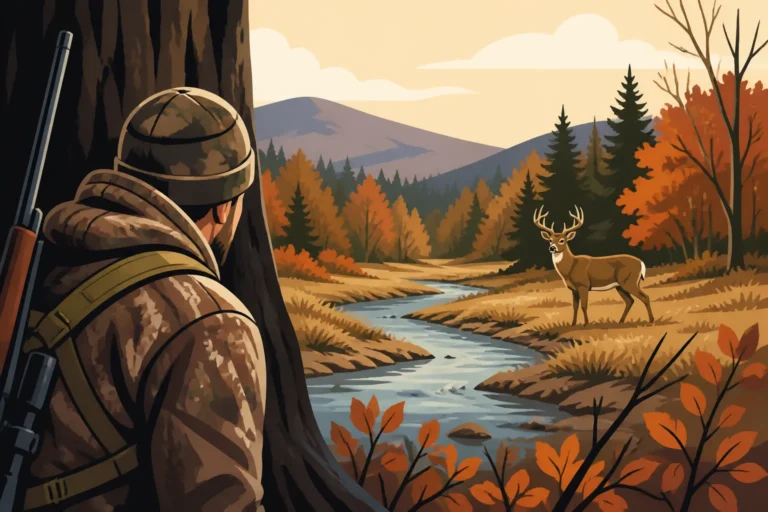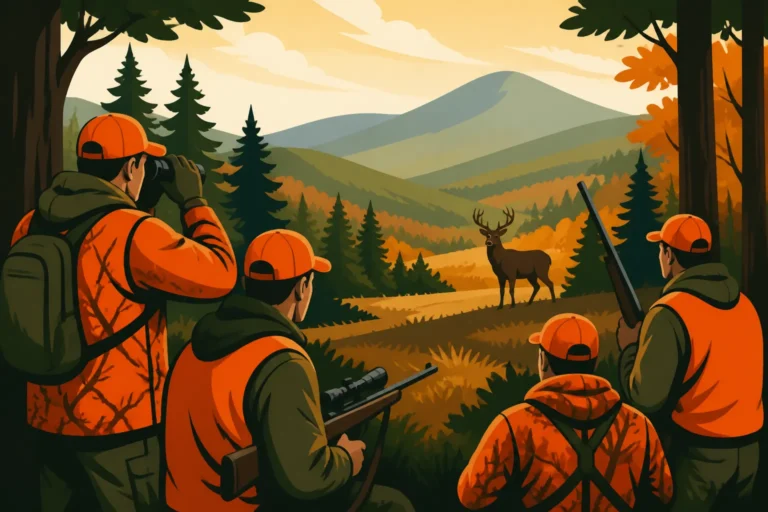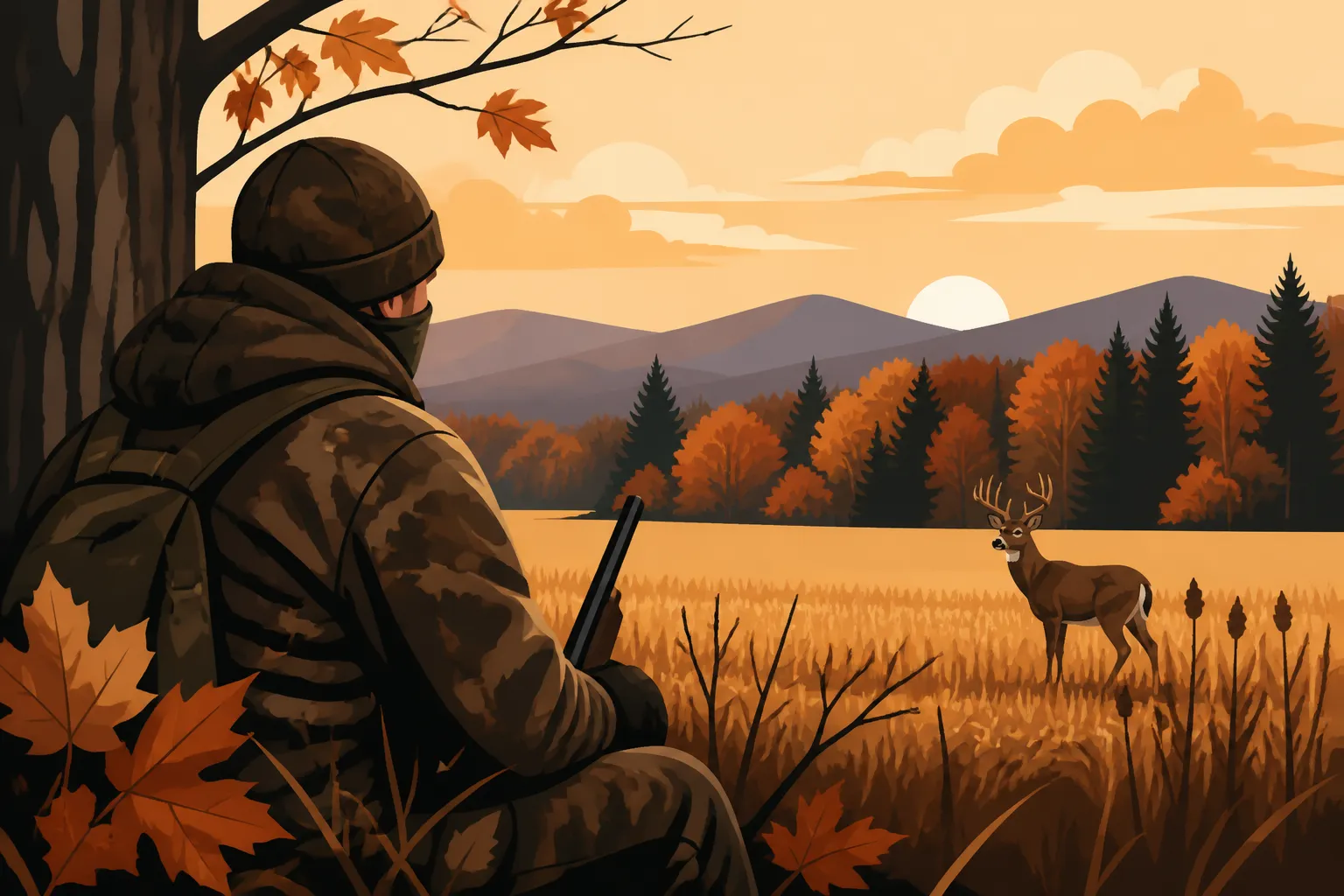
Sitting a Field Edge in Late Season
The late season in New Hampshire can feel like a totally different beast. The woods are bare, the temperatures plummet, and it often feels like the deer have vanished into thin air, making it incredibly frustrating to even consider an all-day sit. But for those willing to brave the chill, hunting field edges can unlock some of the most consistent deer activity you'll find. This comprehensive guide will walk you through exactly how to approach, scout, and successfully hunt New Hampshire's field edges when the mercury drops, helping you fill your freezer when others have already given up.
The Late-Season Allure of New Hampshire Field Edges
When the last leaves have fallen and the first hard freezes set in, the landscape changes dramatically for New Hampshire's deer herd. Their priorities shift from breeding to pure survival, and that means finding readily available food sources with minimal energy expenditure. Field edges, often overlooked or thought of as "early season" spots, suddenly become prime real estate. Understanding this shift in deer behavior is the first step toward late-season success.
Why Deer Gravitate to Fields When the Snow Flies
Deer movement patterns shift drastically once winter truly settles in. Gone are the days of chasing does through thick timber. Now, it's all about calories and conservation of energy. As natural mast crops like acorns and beechnuts are either buried under snow or long gone, agricultural fields become absolute magnets. Think about standing corn fields, bean stubble, brassicas planted specifically for deer, or even old apple orchards. These spots offer a concentrated, relatively easy-to-access meal that's crucial for deer trying to pack on pounds or simply maintain body heat in the harsh New Hampshire winter.
We've all seen those early season fields with deer browsing leisurely, but late season is different. Deer are often more cautious, but their need for food overrides some of that wariness. They're looking for Late-Season Food Sources for New Hampshire Whitetails that provide the most bang for their buck, nutritionally speaking. If you've got a cut cornfield near a thick swamp, those deer aren't traveling far to fill their bellies. This predictability, driven by hunger, is what makes late-season field edges so appealing. Don't underestimate the power of a good food source when the going gets tough.
Reading the Landscape for Undisturbed Opportunities
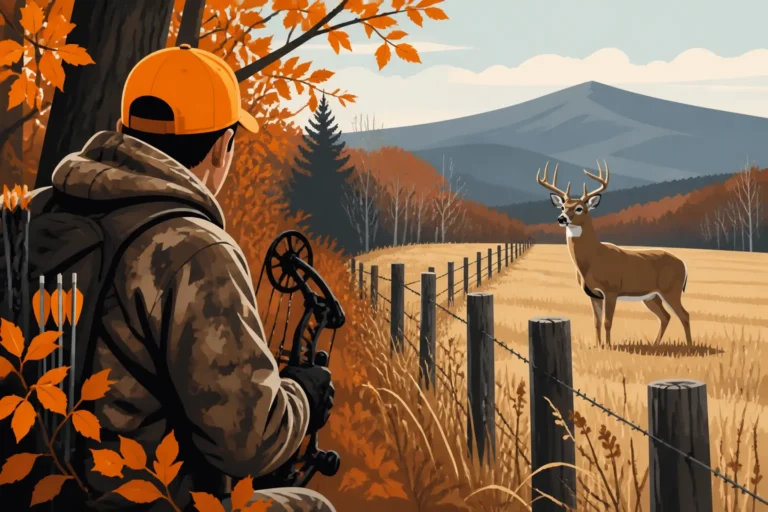
One of the biggest advantages of late-season field edge hunting is that many other hunters have already abandoned these spots. They might think the deer have moved into dense cover exclusively, or they're simply tired of the cold. This creates opportunities for those of us willing to stick it out. Deer, being the creatures of habit they are, will often exploit these low-pressure areas. Your job is to find the fields that offer both food and immediate, safe cover.
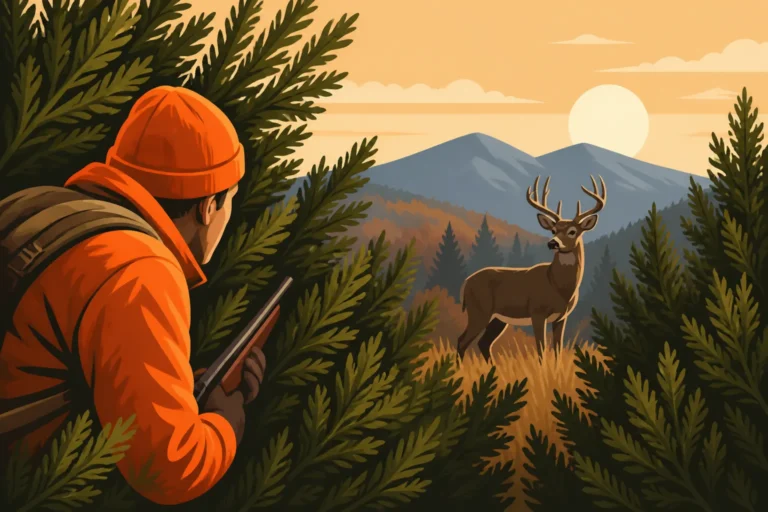
Focus your scouting on fields that are adjacent to dense thermal cover, such as thick softwood stands, south-facing slopes that catch more sun, or cedar swamps that provide excellent bedding. Deer will often bed in these areas and only travel short distances to feed, especially during daylight hours. Look for natural pinch points, funnels, or old logging roads that serve as travel corridors from these bedding areas directly to the field. When the snow hits, these travel routes become abundantly clear. It’s amazing what a fresh blanket of white can reveal about deer movement, showing you exactly where they're entering and exiting the fields. This also helps in Finding Ground Others Walk Past, as many hunters just focus on the most obvious access points.
Strategic Scouting and Setup for Success
Success in late-season field edge hunting isn't just about finding a field; it's about understanding the specific patterns of the deer using it and setting up your position perfectly. The cold, the bare trees, and the heightened sense of urgency in deer all play a role. Effective scouting and meticulous setup are paramount.
Interpreting Sign and Predicting Deer Movement
When snow covers the ground, it becomes your best friend for scouting. Heavy tracks leading into a field are undeniable evidence of consistent deer activity. Don't just look for tracks; analyze them. Are they fresh? Are there multiple sets? Are there large, distinct buck tracks among them? While scrapes and rubs might be old from the rut, look for fresh droppings and browse lines on field edges or in adjacent cover. These tell you exactly what deer are eating and how recently.
Identify the specific entry and exit points deer are using. They will almost always choose the path of least resistance and the path that offers the most cover. This could be a dip in the terrain, a thick fencerow, or a brushy finger extending into the field. Mapping tools like GoHunt are incredibly useful here; you can mark potential entry points, bedding areas, and food sources, allowing you to visualize deer movement patterns even before you set foot in the woods. Pay close attention to corners of fields or where different types of cover meet the field edge, as these are often preferred access points. If you find a well-worn path into a cut cornfield, you're halfway there.
Maximizing Concealment and Thermal Advantage
Setting up your stand or blind in the late season requires a bit more thought than early season. With no leaves on the trees, concealment is at a premium. More importantly, understanding Wind and Thermals in Steep Granite Terrain is absolutely paramount. New Hampshire's topography means swirling winds are common, especially in valleys and near ridgelines. You absolutely must set up downwind of where you expect deer to enter or travel along the field edge. A thermal advantage means placing yourself where your scent will rise above or fall below deer movement, depending on the time of day. Morning thermals rise, so being higher up might be better, while evening thermals fall, making a lower setup potentially safer for scent control.
Utilize existing natural cover to your advantage. A lone cluster of pines, a thick brush pile, large boulders, old stone walls, or even a deep ditch can provide the concealment you need. If you're using a ground blind, make sure it's been out for a while to allow deer to get used to it, and consider Brushing In a Blind on a Field Edge to break up its outline. Many hunters fail because they stand out like a sore thumb against the stark winter backdrop. Even a well-placed ladder stand needs some natural cover around it to minimize your profile. Think like a deer: what would make you feel safe approaching that food source?
Essential Gear and Cold-Weather Tactics
Hunting late-season field edges in New Hampshire demands specific gear and a mindset geared for enduring the cold. This isn't your comfortable early-fall bowhunt; this is a test of preparation and mental fortitude.
Layering Up for New Hampshire's Brutal Late-Season Cold
Let's be real, the cold is no joke in New Hampshire during late season. Proper Layering for New Hampshire's Cold Hunting Season is not just a recommendation; it's absolutely non-negotiable for your safety and comfort. You need a wicking base layer to manage moisture, multiple insulating mid-layers (fleece, down, synthetic puffies), and a truly windproof and waterproof outer shell. Without a good outer shell, even the best insulation is useless against a biting New Hampshire wind.
Beyond clothing, don't forget the accessories that make a long sit bearable. Chemical hand warmers and foot warmers are lifesavers. Good, insulated Boots for New Hampshire's Granite Terrain are critical to prevent frostbite and keep you focused on the hunt, not your frozen toes. Bring a high-quality thermos filled with hot coffee, tea, or broth. Some hunters even invest in portable propane heaters for their ground blinds or heated vests and socks. When you're sitting for hours, conserving body heat is paramount for a successful hunt. Remember, if you're miserable, you're not going to sit long enough for that big buck to show up.
Patience, Persistence, and Adapting to Conditions
Late-season hunting is often a game of patience, with the most crucial moments typically occurring during the last hour of daylight or the first hour of morning. Deer, especially mature bucks, tend to be most active at these low-light times when heading to or from feeding areas. You must be prepared to sit longer than you might in warmer weather, enduring the chill for those few fleeting opportunities.
Sometimes, the best days to be out are the ones that seem the most miserable. Hunting After a Cold Front, especially one that brings fresh snow, can trigger significant deer movement as they scramble to replenish calories. A fresh blanket of snow quiets the woods, making it easier to hear approaching deer, and as mentioned, reveals their travel patterns. If sitting isn't producing, consider a slow, quiet still-hunt along the field edges, especially if you're trying to cover ground that other hunters might have overlooked. Sometimes actively Still-Hunting White Mountain National Forest Timber adjacent to a field can push deer out or reveal new opportunities. The key is to remain flexible and adapt your tactics to what the deer and the weather conditions are telling you.
Ethical Considerations and Post-Shot Strategy
Successfully executing a shot and recovering your animal in the late season presents its own unique challenges, primarily due to the cold temperatures and often sparse cover. Ethical hunting demands careful consideration of shot placement and a diligent recovery plan.
Shot Placement and Tracking in Challenging Conditions
In the late season, deer are often tougher, having grown their winter coats and packed on fat. This means shot placement is even more critical. You need to wait for the ideal broadside or slightly quartering-away shot, aiming for the vitals. Don't rush a shot, no matter how cold you are or how late in the season it is. A poorly placed shot in frigid temperatures can lead to a long, difficult, or even unsuccessful recovery, which none of us want.
Tracking in the snow can be both a blessing and a curse. On one hand, tracks are obvious, and often a blood trail is stark against the white canvas. On the other hand, blood can clot and become harder to distinguish in slushy snow, or it might be covered by fresh snowfall. Always give the deer enough time to expire, especially for shots that aren't perfectly placed. While tracking a deer in fresh snow can be exhilarating, attempting Blood Trailing After Dark in New Hampshire is often dangerous and far less effective, as diminishing light makes an already tough job nearly impossible. If it’s getting dark, mark the last blood or tracks and come back with a good headlamp and help in the morning.
Recovery and Field Care in Freezing Temperatures
Once you've made a good shot and confirmed the deer is down, the clock starts, even if it's freezing. While the cold will preserve the meat better, you still need to get it field dressed efficiently to ensure the best quality venison. Field Dressing a Deer in Cold Weather can be uncomfortable, but it's essential. Make sure you have a sharp knife and possibly some disposable gloves.
Before you even head out, plan your extraction route. Dragging a deer, especially a large one, can be incredibly difficult, and attempting to drag a deer out of a deep ravine or up a steep slope in the snow is an exhausting undertaking. Dragging a Deer Out of a Granite Ravine is a classic New Hampshire challenge. A sturdy game cart, a plastic sled, or even just some good ropes can make a world of difference. If you're hunting with a partner, coordinate your efforts. Finally, once the deer is recovered, you'll need to register it promptly. New Hampshire Fish and Game makes this easy with their online portal, though be aware of potential blackout days where only in-person registration is allowed. GoHunt's mobile app can also help you quickly verify regulations and check-in stations.
Late-Season Food Source Comparison
Here's a quick look at common late-season food sources and their typical appeal to New Hampshire whitetails.
| Food Source | Typical Availability | Deer Preference | Late-Season Draw | Notes |
|---|---|---|---|---|
| Standing Corn Fields | Late Fall – Mid Winter | High | High calories, good cover, often last resort food | Often a top choice if available, especially after harvest. |
| Cut Bean Fields (Stubble) | Late Fall – Early Winter | Moderate – High | Leftover beans are a protein source | Less cover than standing corn, but deer will pick through. |
| Brassicas (Turnips, Radishes) | Late Fall – Mid Winter | High | High sugar content after hard freezes, digestible | Specifically planted food plots are deer magnets. |
| Acorns / Beechnuts | Early Fall – Buried by Winter | High (early) | Accessible only if snow is light | Prime early-season, but quickly disappear under snow. |
| Standing Hard Mast (Oaks) | Limited to accessible branches | Low – Moderate | Deer browse buds/twigs when other food is scarce | Deer will browse new growth if desperate, not primary food. |
| Apple Orchards (Wild/Cultivated) | Late Fall – Early Winter | High | Leftover apples and browse | If not picked clean, can be great. Deer also browse twigs. |
| Young Conifers (Browse) | Year-round | Moderate | Emergency food source when other options fail | Less nutritious, but available. Often found near bedding. |
Disclaimer
Hunting involves inherent risks, including but not limited to those associated with firearms, archery equipment, and outdoor conditions. Always prioritize safety, understand and follow all New Hampshire Fish and Game laws and regulations, and obtain proper licenses and permits. The information provided in this guide is for informational purposes only and should not replace professional instruction or local expertise. Always check the current year's hunting digest for the most up-to-date regulations.