Pass-Shooting Geese Off a Roost Pond
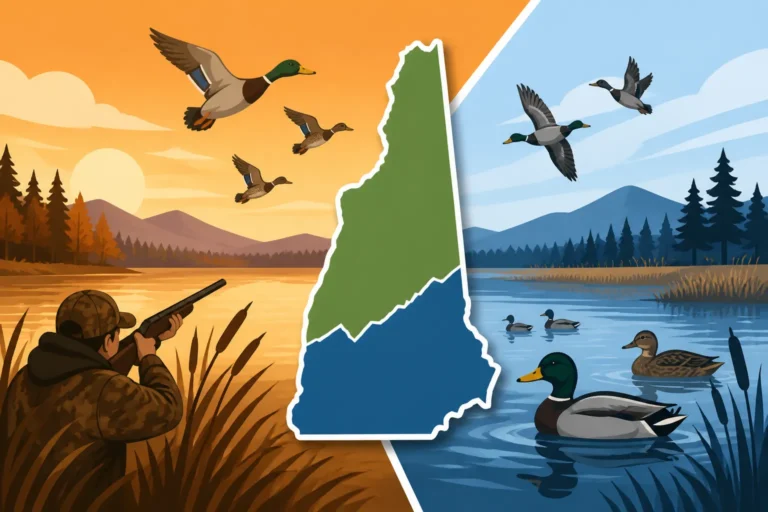
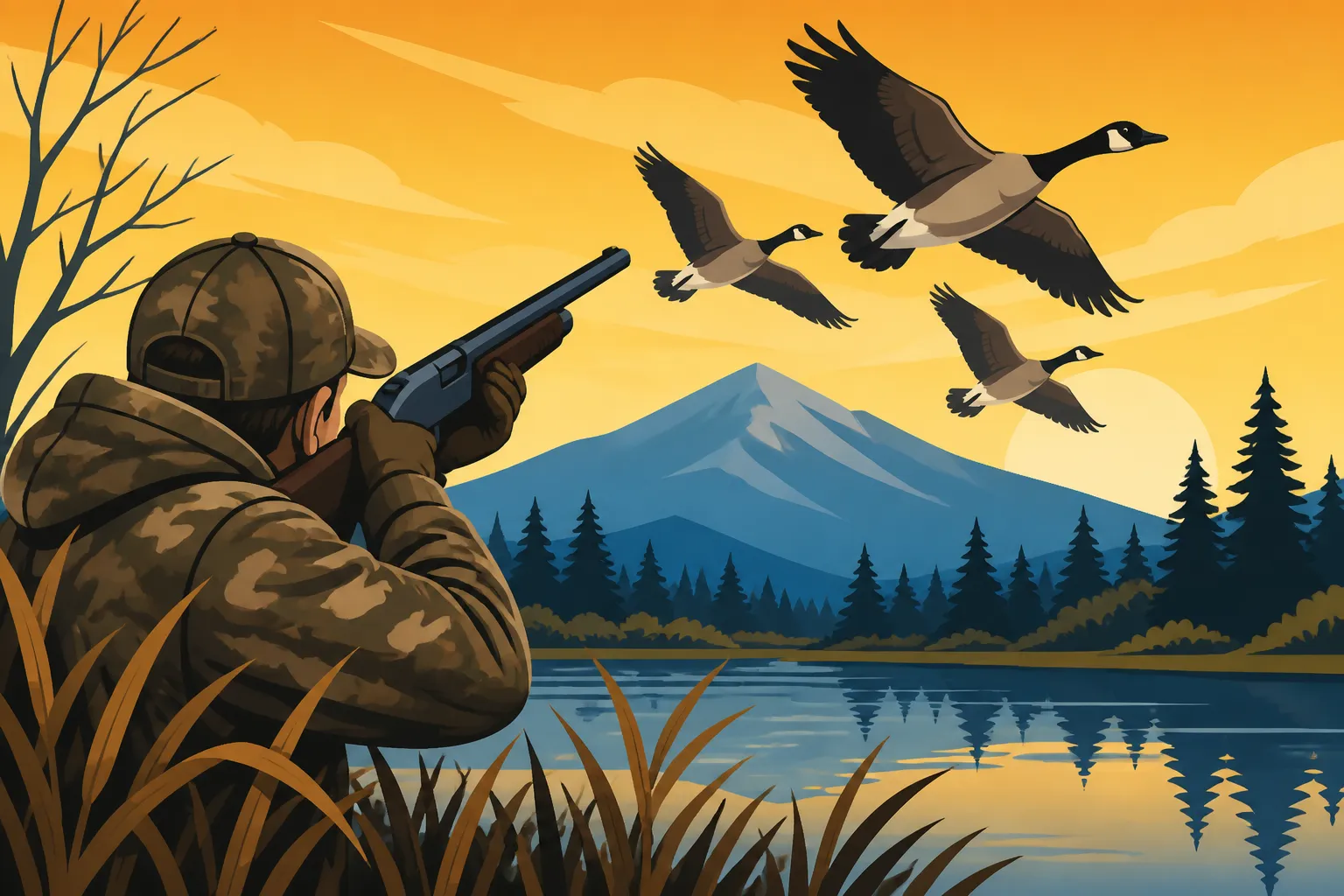
There’s nothing quite like the sight and sound of Canada geese working a field or flying high over a New Hampshire waterway. But sometimes, those wary birds just won't commit to a decoy spread, flying high and wide, taunting you from a distance. If you've ever felt that frustration, you know that trying to get them to land can be a fool's errand. This guide is all about embracing that challenge by focusing on pass-shooting geese as they travel to and from their roost pond, giving you a viable strategy for putting birds in the bag when traditional decoying just isn't cutting it.
Understanding Goose Behavior Around Roost Ponds
Canada geese, especially the ones that call New Hampshire home, are creatures of habit. They spend a good chunk of their day feeding in fields or on larger bodies of water, but almost universally, they’ll return to a specific, safe roosting area to spend the night. Understanding this daily migration is key to successful pass-shooting.
Why Geese Use Roost Ponds
Geese seek out roost ponds primarily for safety. These are typically larger, more open bodies of water, often with islands or expansive shorelines that offer clear lines of sight, protecting them from nocturnal predators like coyotes and foxes. The sheer size of many of these ponds means a hunter can't simply walk up and flush them, providing a sense of security for the flock. During colder months, these spots may even be areas of open water that resist freezing, offering a consistent safe haven.
Think about it: after a day of foraging in a cornfield or grazing on a grassy pasture, a goose wants to feel secure. A large pond, far from dense timber where predators can hide, gives them that peace of mind. In regions like the Connecticut River Valley or even around some of the larger lakes in the Lakes Region, these roosts can hold hundreds, sometimes thousands, of birds. Identifying these key locations is paramount to your scouting efforts. If you're a serious waterfowl hunter, using resources like GoHunt can help you pinpoint potential roosting waters by overlaying satellite imagery with known waterfowl habitat features, saving you a ton of legwork.
Flight Patterns and Timing
The beauty of hunting around roost ponds is the predictability of the geese's daily commute. Geese typically leave their roosts at dawn to head to feeding areas and return to the roost just before sunset. These are your prime hunting windows. Their flight paths, while sometimes varied by wind or hunting pressure, tend to follow established corridors, often along river systems, power lines, or over specific hills and valleys.
In the morning, the flights are often a burst of activity as the entire flock, or large sections of it, takes off. These birds are usually eager to get to their breakfast. Evening flights can be a bit more staggered, with smaller groups trickling back as dusk settles. Pay close attention to wind direction; geese almost always take off and land into the wind, and they often prefer to fly with a tailwind or quartering wind to conserve energy. A strong headwind might make them fly lower and slower, presenting better pass-shooting opportunities. If you're interested in the larger migration patterns that influence these flights, looking into New Hampshire Waterfowl Season and Zones can give you an idea of when to expect peak activity.
Scouting and Setup for Pass-Shooting
You can’t just show up at any pond and expect success. Pass-shooting geese, while less about decoying, demands meticulous scouting and strategic setup. It’s all about putting yourself in the right place at the right time, completely out of sight.
Identifying Key Flight Corridors
This is where your boots-on-the-ground work pays off. Before the season even begins, or during non-hunting days, spend time observing goose flights around known roost ponds. Use binoculars to watch where they take off, the direction they head, and their general altitude. Do they fly over a particular ridge? Follow a river? Cut across a specific field? Note these "highways in the sky." A GPS mapping tool, like the one offered by GoHunt, can be invaluable here. You can mark specific flight paths, potential hiding spots, and even private land boundaries to ensure you're hunting legally and ethically.
Look for natural funnels – areas where the landscape concentrates their flight. This could be a narrow valley, a bend in a river, a gap in a line of trees, or even a low saddle between two hills. These are prime locations because they force the geese into a more predictable flight path and potentially lower altitude. Remember, you're not trying to call them to you, you're trying to position yourself under their natural flight. Scouting is a continuous process; flight paths can change due to new pressure or changes in food sources. Be flexible and adapt. Knowing your New Hampshire Public Land Hunting Hours will also ensure your scouting aligns with legal access times.
Concealment Strategies
Concealment is absolutely non-negotiable for pass-shooting. Geese have incredible eyesight. If they spot you, even from a distance, they will flare and alter their course, often climbing higher or veering wide, making a shot impossible. This means natural cover is your best friend. Look for thick brush lines, stands of tall pines, old stone walls, or even subtle depressions in the terrain that offer a low profile.
A good natural blind is often better than any manufactured one. Utilize what the environment gives you. Digging a shallow pit blind can be incredibly effective if the ground allows, especially along a field edge where geese might be flying lower. If you’re hunting near water, a well-brushed-in layout blind, similar to what you might use for Layout Blind Hunting a Northern Zone Field, can be a game-changer. Just make sure it blends perfectly with the surroundings. Avoid wearing anything that contrasts sharply with the background, and always keep movement to an absolute minimum. If you're hunting with a partner, communicate silently with hand signals. Any fidgeting or visible movement can blow your opportunity.
Gear and Techniques for Success
Pass-shooting isn't just about hiding; it's about having the right tools and knowing how to use them effectively to connect with fast-moving targets high in the sky.
Shotgun and Ammunition Choices
For pass-shooting geese, you'll want a shotgun that can reach out and touch birds at longer distances. A 12-gauge is almost universally preferred due to its ability to handle heavier shot charges. Many hunters opt for 3-inch or even 3.5-inch shells to get maximum payload and range. As for choke, a modified or improved modified is often a good starting point, but a full or extra-full choke might be necessary for those truly high flyers. It's crucial to pattern your shotgun with your chosen ammunition and choke to understand its effective range and shot density.
When it comes to ammunition, steel shot is mandatory for all waterfowl hunting in New Hampshire. You cannot use lead shot for geese. For Canada geese, larger steel shot sizes like BB, BBB, or even T shot are common. These larger pellets retain energy better over longer distances, which is vital for pass-shooting. Avoid going too small, as you'll lose the knockdown power needed to humanely dispatch these tough birds. Also, be mindful of New Hampshire’s specific New Hampshire Goose Daily Bag Limit and ensure you’re not exceeding it.
| Shot Size (Steel) | Typical Gauge | Choke Recommendation | Effective Range (yards) | Best For |
|---|---|---|---|---|
| BB | 12 | Modified – Full | 30-45 | Closer passes, smaller geese |
| BBB | 12 | Improved Modified – Full | 35-50 | Mid-range passes, general use |
| T | 12 | Full – Extra Full | 40-55+ | Long-range, large geese |
Calling and Decoy Considerations
While pass-shooting primarily relies on intercepting natural flight paths, a minimal amount of calling or even a few decoys can sometimes help. A simple hail call, used sparingly, might grab the attention of a distant flock and subtly influence their flight path slightly closer to your position, but don't overdo it. The goal isn't to bring them into a spread, but to keep them on their current trajectory, perhaps just a little lower or wider. If you're hunting near a field edge, a few full-body field decoys, or even some silhouettes, can act as confidence decoys for distant birds, making them feel safer flying over the area. However, don't rely heavily on decoys; your primary strategy is concealment and positioning. For more about decoy placement, especially in watery environments, consider reading Decoying Ducks on New Hampshire's Connecticut River for insights that can be adapted.
Shot Placement and Follow-Through
Geese are robust birds, and proper shot placement is critical for a clean kill. Aim for the front half of the bird – the head, neck, and breast area. These are the vital zones where you'll find the heart, lungs, and central nervous system. A common mistake in pass-shooting is aiming at the tail, which often results in wounded birds that fly off to suffer.
Leading your target is paramount. Geese, even when they appear high, are moving faster than you think. Practice your lead on clays. For a goose flying across your front, you’ll need a significant lead, often several feet, depending on range and speed. Swing through the bird and continue your swing after the shot (follow-through). Don’t stop your gun the moment you pull the trigger. If a goose is coming straight at you or flying directly away, focus on the head or neck. Always be prepared for a follow-up shot. If a bird appears hit but continues flying, track it and be ready to shoot again. This commitment to a clean kill is a cornerstone of ethical hunting. Knowing how to efficiently track and recover a downed bird is also key, especially when you consider Reading a Marsh for a Morning Flight and the types of terrain you might encounter.
Legal Considerations and Ethical Hunting
As with all hunting pursuits, understanding and adhering to the regulations is non-negotiable. New Hampshire Fish and Game has specific rules for waterfowl, and being a responsible hunter means knowing them inside and out.
New Hampshire Waterfowl Regulations
Before you even step foot near a roost pond, make sure your licenses are in order. You’ll need a New Hampshire hunting license, a state waterfowl stamp, and a federal duck stamp. You also need to be HIP (Harvest Information Program) certified. These aren't just bureaucratic hurdles; they fund critical conservation efforts. For specific dates and permissible methods, always consult the current New Hampshire Fish and Game Digest. The season dates for geese can vary by zone, so it's essential to know if you're in the New Hampshire's Northern and Inland Zones Explained and what the current Hunting the Split Inland Zone Waterfowl Season regulations are.
Beyond dates and licenses, be aware of legal shooting hours. Waterfowl hunting generally opens 30 minutes before sunrise and closes at sunset. Shooting outside these hours is illegal. Also, understand bag limits. While Canada geese typically have generous limits, specific days or zones might have different rules. For instance, New Hampshire Duck and Goose Bag Limits provides the detailed numbers you need to follow. Remember, possession limits are also a thing – you can only have so many birds in your freezer.
Safety Around Water and Other Hunters
Hunting around water, especially in colder months, brings additional safety considerations. If you’re using a boat, wear a life vest. Be aware of changing weather conditions that can make water travel dangerous. Waders for New Hampshire Waterfowl Hunting are essential for accessing some areas, but always be mindful of deep water and strong currents. Never hunt alone without informing someone of your whereabouts, especially in remote areas or if you plan to be near water.
When pass-shooting, you’re often dealing with high shots, which means pellets can travel a considerable distance. Always be aware of your surroundings, especially if there are other hunters, homes, or public access points nearby. Ensure you have a safe backdrop for every shot. Never shoot at low-flying birds if there’s any chance of endangering people, livestock, or property. Communication is key if hunting with a group, and make sure everyone understands the shooting lanes and safety protocols. Respect for other hunters, landowners, and the general public is paramount to preserving our hunting heritage. If you're curious about further requirements, reviewing your New Hampshire Migratory Bird Certification can offer good insight into the broader regulatory framework.
Disclaimer
Always consult the most current New Hampshire Fish and Game Department regulations and laws before engaging in any hunting activities. Rules and seasons can change, and it is the hunter's responsibility to stay informed and compliant. This guide is for informational purposes only and does not supersede official regulations.