Shed Hunting on New Hampshire Public Land
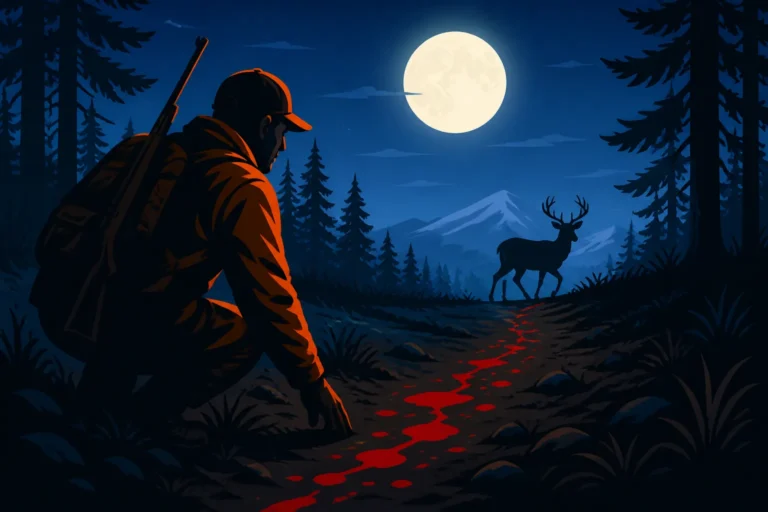
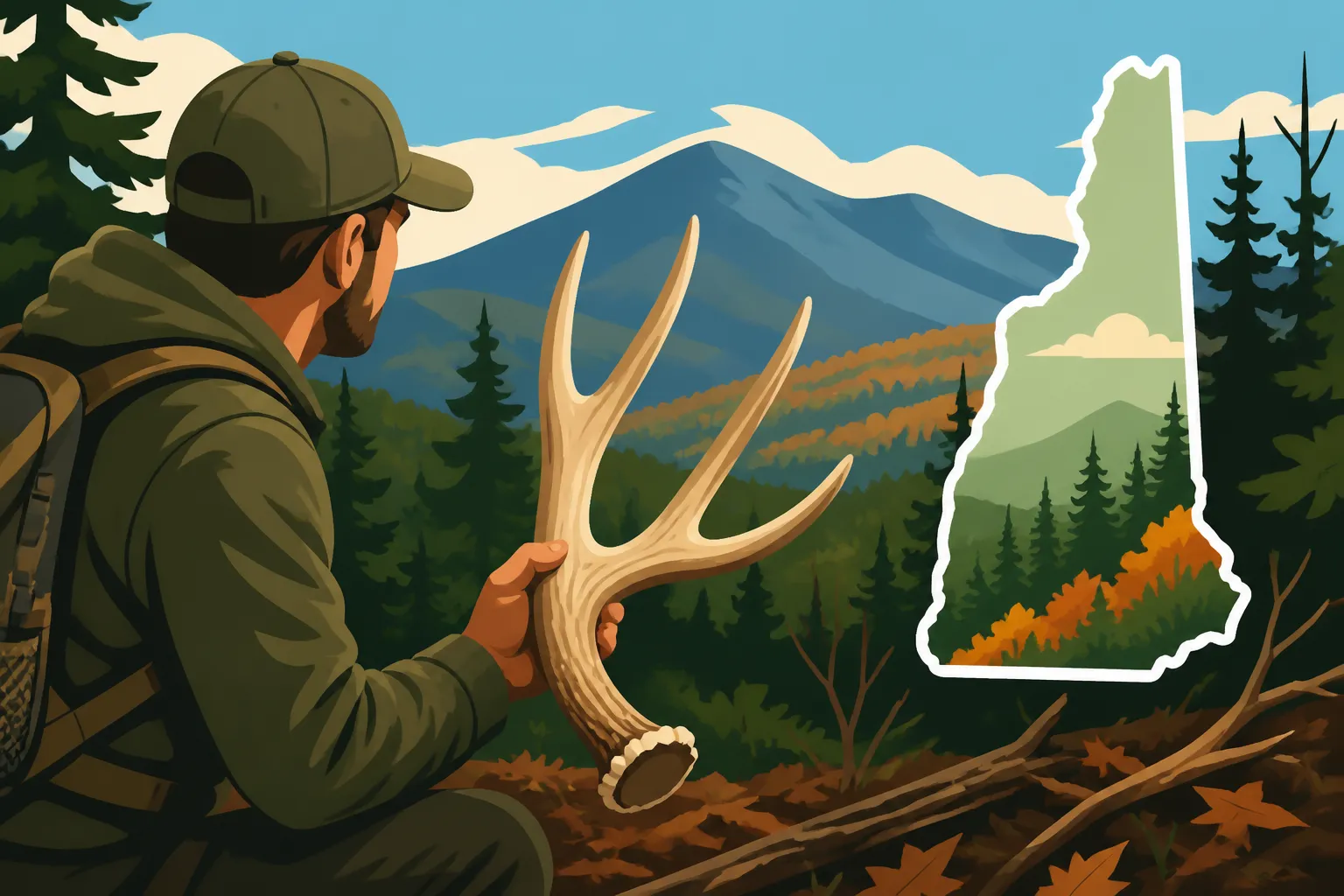
There's nothing quite like the late winter and early spring lull for a New Hampshire hunter. The major seasons are wrapped up, the deep snow is finally starting to recede in some areas, and that itch to be out in the woods never truly goes away. But for many of us, this period can feel a bit aimless. You're constantly thinking about next season, but what can you do right now? That's where shed hunting comes in – a perfect antidote to cabin fever and a fantastic way to scout for next fall. This guide will walk you through everything you need to know to successfully find shed antlers on New Hampshire's public lands, turning those in-between months into productive time afield.
Understanding the "Why" and "When" of Shed Hunting in New Hampshire
Shed hunting isn't just about finding cool antlers; it's a deeply insightful practice that offers a unique window into the secret lives of the Granite State's whitetails. It’s a chance to immerse yourself in nature during a quieter time of year and gain invaluable knowledge for your next hunting season.
Why You Should Be Shed Hunting
First off, let's talk about the pure joy of it. There's a primal satisfaction that comes with spotting a shed antler lying on the forest floor, a silent testament to a buck's journey through the winter. It’s like finding a hidden treasure. But beyond that immediate thrill, shed hunting is an incredibly effective scouting tool. By finding where bucks spent their winter, where they dropped their antlers, and what food sources they relied on, you’re gathering critical intelligence for the upcoming year. You can identify specific bedding areas, travel routes, and crucial habitat features. Think of it as free, low-impact scouting that also rewards you with a tangible trophy.
Moreover, it gets you out of the house and moving during a time when many of us might be glued to the couch. It’s excellent exercise, and you'll uncover parts of your hunting area you might never have noticed from a stand. You learn to read the landscape in a new way, focusing on subtle clues that indicate deer presence. Plus, it's a fantastic activity to share with family and friends, especially if you have youngsters who are eager to learn more about the outdoors but might not be ready for actual hunting yet. It teaches patience, observation, and respect for wildlife.
When New Hampshire Bucks Drop Their Antlers
The timing of antler drop in New Hampshire can vary quite a bit, but generally, it runs from late December through early April. Most bucks in the Granite State will cast their antlers between late January and mid-March. Several factors influence this timeline.
- Buck Health and Nutrition: A buck in excellent physical condition, having bred many does and maintained good fat reserves, might hold onto his antlers longer than a buck that's been run ragged by the rut or is dealing with nutritional stress. Bucks that are less dominant or younger might shed earlier as their bodies prioritize recovery.
- Age of the Buck: Older, more mature bucks tend to hold their antlers longer than younger bucks, though this isn't a hard and fast rule. A very old buck might shed earlier if his body is struggling.
- Stress and Environmental Factors: Severe winter weather, prolonged periods of deep snow, or intense hunting pressure can cause deer to shed earlier. When deer are stressed, their bodies focus on survival, and antler retention becomes less of a priority. A particularly harsh winter with limited food sources could mean an earlier drop for many deer in a given area. Conversely, a mild winter with abundant food might see bucks holding antlers later into the spring. Keep an eye on local conditions and deer behavior.
It's usually best to start your serious shed hunting efforts around late February or early March, once the majority of bucks have likely dropped, but before new spring growth starts to hide the antlers or small critters have had too much time to chew on them.
Where to Focus Your Search: New Hampshire Public Land Hotspots
New Hampshire offers a wealth of public land, from sprawling national forests to smaller state-owned parcels and conservation areas. Knowing where to look for sheds can significantly increase your success rate. Deer, being creatures of habit and survival, will congregate in specific areas during the harsh winter months.
Deer Wintering Areas and Thick Cover
This is often the holy grail for shed hunters. When the snow piles up and temperatures plummet, deer seek out "deer yards" – areas of dense softwood (conifer) cover, often hemlock or spruce, that offer thermal protection and a break from the wind. These areas can be found in various parts of the state, from the northern reaches of Coos County down to the southern tiers. South-facing slopes are also prime locations, as they receive more direct sunlight, melting snow faster and providing a slightly warmer microclimate.
Within these deer yards, deer will browse on available vegetation, and you’ll often find high concentrations of tracks, beds, and, hopefully, sheds. Pay close attention to the edges of these thickets, where deer transition between bedding and feeding, and any natural bottlenecks or funnels. Often, a buck will rub an antler off when jumping over a fallen log, traversing a steep bank, or squeezing through tight cover. Learning to recognize these critical wintering habitats is key. Consider exploring areas discussed in posts like Reading a White Mountain Deer Yard or New Hampshire Deer Wintering Yards Explained for more insights into these crucial spots.
Late-Season Food Sources
Even in winter, deer need to eat, and they will gravitate towards areas with any available browse or residual food. While agricultural fields might be picked clean by late winter, old apple orchards on public land, forgotten farmsteads, or areas with specific browse (like dogwood, cedar, or young maple) can be magnets for hungry deer. Sometimes, even clear-cuts or recent timber harvests offer regenerating vegetation that deer will utilize as a food source, particularly if they are adjacent to thick cover.
Follow old logging roads or trails that lead from dense bedding cover to these food sources. Deer will often drop antlers along these well-used paths. Creek bottoms and river corridors, like those along the Connecticut River Valley, can also offer pockets of sheltered browse and easier travel, making them excellent candidates for shed hunting. If you're looking for more details on what deer are eating later in the season, our guide on Late-Season Food Sources for New Hampshire Whitetails might be helpful.
Travel Corridors and Pinch Points
Deer, even in winter, move with purpose. They use specific travel corridors to get between bedding and feeding areas, or to access water. Look for well-worn deer trails, especially those connecting different habitat types. Natural pinch points – areas where the landscape forces deer into a narrow travel lane, such as between two steep hillsides, a thick swamp and a major road, or alongside a frozen beaver flowage – are excellent places to find sheds. A buck might jar an antler loose as he navigates these tighter spots.
Focus on terrain features like saddles on ridges, creek crossings, and the edges of swamps or beaver flows. These are often high-traffic areas for deer. When scouting with a mapping tool like GoHunt, look for these features. You can use GoHunt's satellite imagery and topographical maps to identify potential funnels, benches, and thick cover before you even step foot in the woods, saving you valuable time and effort. Also, don't overlook old logging roads. While they might seem obvious, deer often use them as easy travel routes, and a shed could be lying right in the open. For more on navigating these public lands, check out Public Hunting Land in New Hampshire or even specific areas like Hunting a Beaver Flowage Edge.
Types of Public Land to Explore
New Hampshire boasts various types of public lands, each with its own characteristics and potential for shed hunting:
- White Mountain National Forest (WMNF): This vast expanse offers incredible opportunities, but it’s also challenging due to its size and rugged terrain. Focus on lower elevations, river valleys, and areas with more accessible deer wintering grounds.
- Wildlife Management Areas (WMAs): Maintained by New Hampshire Fish and Game, WMAs are specifically managed for wildlife and often have good deer populations. Check their websites for specific access rules. New Hampshire Wildlife Management Areas offers a deeper dive into these important lands.
- State Forests and Parks: Many state forests and parks allow hunting and, by extension, shed hunting. Always check individual park regulations, as some may have restrictions.
- Town Forests and Conservation Lands: These smaller parcels are often overlooked but can hold surprisingly good numbers of deer, especially if they provide diverse habitat. Again, verify local rules before heading out.
When planning your trips, utilizing tools like the New Hampshire Fish and Game app or services like GoHunt is invaluable for understanding land ownership, property boundaries, and topographical features. This is where onX Layers for New Hampshire Land Status or Using the Fish and Game App Without Cell Service become critical, especially in areas with spotty cellular reception.
Essential Gear and Techniques for Successful Shed Hunting
Being prepared makes all the difference when you're out in the New Hampshire woods, especially during the changeable late winter and early spring. The right gear keeps you comfortable and safe, while effective techniques boost your chances of finding those elusive antlers.
Must-Have Gear for the Trail
Shed hunting isn't quite as gear-intensive as a full-blown hunting trip, but a few key items will make your life much easier and more productive:
- Comfortable, Waterproof Boots: You’ll be covering a lot of ground, often through wet snow, mud, or even shallow streams. Good boots are non-negotiable. Look for something sturdy with good ankle support. Our guide on Boots for New Hampshire's Granite Terrain can offer some excellent recommendations.
- Layers of Clothing: New Hampshire weather can change on a dime. Start with a moisture-wicking base layer, add insulating layers, and top it off with a waterproof/windproof outer shell. You’ll be working up a sweat, so being able to shed layers is crucial. For guidance on staying warm and dry, check out Layering for New Hampshire's Cold Hunting Season.
- Binoculars: Don't leave home without them! Sheds often blend in perfectly with the forest floor. Use your binoculars to scan ahead, especially in thick cover or across open areas. A shed can look like a stick, a rock, or even just a patch of snow from a distance. Scanning with glass saves your legs and eyes.
- GPS or Mapping App (like GoHunt): This is absolutely vital for navigating public lands and marking your finds. A reliable GPS or a mapping app like GoHunt allows you to track your path, mark potential hotspots (like thick bedding areas or old rub lines), and pinpoint exactly where you found a shed. It also helps ensure you don’t accidentally trespass onto private property.
- Backpack with Essentials: Carry water, snacks, a first-aid kit, a compass (and know how to use it as a backup), and perhaps a small saw or rope if you anticipate needing to clear a path or retrieve a shed from a tricky spot.
- Walking Stick/Trekking Poles: These can be a godsend for balance on uneven terrain, testing snow depth, and even poking around suspicious-looking sticks without bending over.
Effective Techniques for Finding Antlers
Finding sheds isn't just about aimlessly walking; it's about being strategic and observant.
- Grid Searching: In smaller, promising areas (like a concentrated deer yard or a clear-cut edge), try walking in a grid pattern. This ensures thorough coverage and reduces the chances of missing an antler. It takes discipline but pays off.
- Slow and Steady: Rushing through the woods is a recipe for missed opportunities. Slow down, scan constantly with your eyes and binoculars, and look for anything that seems out of place – a subtle curve, a change in color, or a tined shape.
- Focus on Edges and Transitions: Deer spend a lot of time on the edges of different habitat types. Look along the perimeter of thick cover where it meets more open woods, the edge of a field, or where a ridge drops off into a valley. These transition zones are prime locations.
- Walk with the Sun: When possible, try to walk with the sun at your back or to your side. The way light hits an antler can make it pop against the background, especially if it casts a shadow.
- Know Deer Behavior: Understanding why and where deer move in winter is your biggest asset. Think like a deer: where would you seek shelter from a bitter wind? Where would you find the easiest path through deep snow to get to food? Where would you bed down for the day?
- Utilizing Dogs: If you have a dog specifically trained for shed hunting, they can be incredibly effective. Their keen sense of smell can pick up on antler scent long before your eyes ever spot it. Always ensure your dog is well-trained, under control, and that you're in an area where dogs are permitted.
- Double-Check Your Finds: Once you find one shed, slow down even more and thoroughly scour the immediate area. Bucks often drop both antlers within close proximity, sometimes just a few yards apart.
Respecting the Land and Wildlife While Shed Hunting
Shed hunting is an amazing way to connect with the land, but it comes with a responsibility to be ethical, safe, and respectful of both the environment and the animals you’re pursuing. New Hampshire’s wildlife depends on undisturbed wintering grounds, and maintaining access to public lands for everyone is paramount.
Ethical Considerations and Wildlife Disturbance
The most crucial rule of shed hunting is to prioritize the well-being of the deer. Late winter and early spring are incredibly stressful times for whitetails. Their fat reserves are depleted, and they are trying to conserve every ounce of energy.
- Avoid Disturbing Deer: If you jump deer while shed hunting, you’re pushing them away from critical food and cover, forcing them to expend precious energy they can’t afford to lose. This can be detrimental to their survival, especially for young deer or those already stressed. If you encounter deer, back out quietly and try another area or come back on a different day. The goal is to find sheds without impacting the herd.
- Stay Out of Known Wintering Yards During Peak Stress: While deer yards are prime spots for sheds, consider visiting them after the deer have largely moved out, typically in late March or early April in many parts of New Hampshire. If the snow is still deep and conditions are harsh, avoid these areas entirely to prevent undue stress on the deer.
- Leave No Trace: Pack out everything you pack in. Leave the woods cleaner than you found them. This simple act helps preserve our wild spaces for future generations and ensures continued access.
Understanding New Hampshire Regulations and Rules
Ignorance of the law is no excuse. Always be aware of and abide by local, state, and federal regulations regarding public land use.
- Public vs. Private Land: Always know whose land you're on. Using a mapping app like GoHunt is essential for identifying property boundaries. Never trespass onto private land without explicit permission. New Hampshire has specific New Hampshire Trespass and Permission Law that hunters and shed hunters must adhere to.
- Vehicle and ATV Use: Most public lands have strict rules about vehicle access. Stick to designated roads and trails, and never drive off-road to retrieve a shed. If you're considering using an ATV, be sure to check the rules, as most areas prohibit them. For rules about forest roads, check out topics such as ATV Rules on New Hampshire Forest Roads.
- Treestand and Ground Blind Rules: While shed hunting is often done on foot, if you're scouting for future hunting seasons, be aware that many public lands have regulations regarding leaving treestands or ground blinds set up outside of designated hunting seasons. Always check the specific rules for the WMA or National Forest you're in.
- Finding a Dead Deer: Occasionally, while shed hunting, you might stumble upon a deer that didn't make it through the winter. This can be a somber discovery. If you find a dead deer, do not automatically assume you can take its antlers. In New Hampshire, there are regulations regarding the possession of naturally deceased wildlife. It's generally best to leave the animal undisturbed and report it to the New Hampshire Fish and Game Department. They can investigate the cause of death and advise you on any actions to take, or not take, regarding the antlers.
- Collection Limits: Currently, New Hampshire does not have specific regulations on the number of sheds you can collect. However, responsible shed hunting means not hoarding or excessively collecting. Enjoy the find, take a few for your collection, and leave some for others to discover.
By keeping these ethical considerations and regulations in mind, you can enjoy a fulfilling and responsible shed hunting experience on New Hampshire's public lands, all while gaining valuable insights for seasons to come.
Disclaimer
Always check the most current New Hampshire Fish and Game regulations before engaging in any hunting or shed hunting activity, as rules and seasons can change. This guide is for informational purposes only.