New Hampshire Archery Season Dates
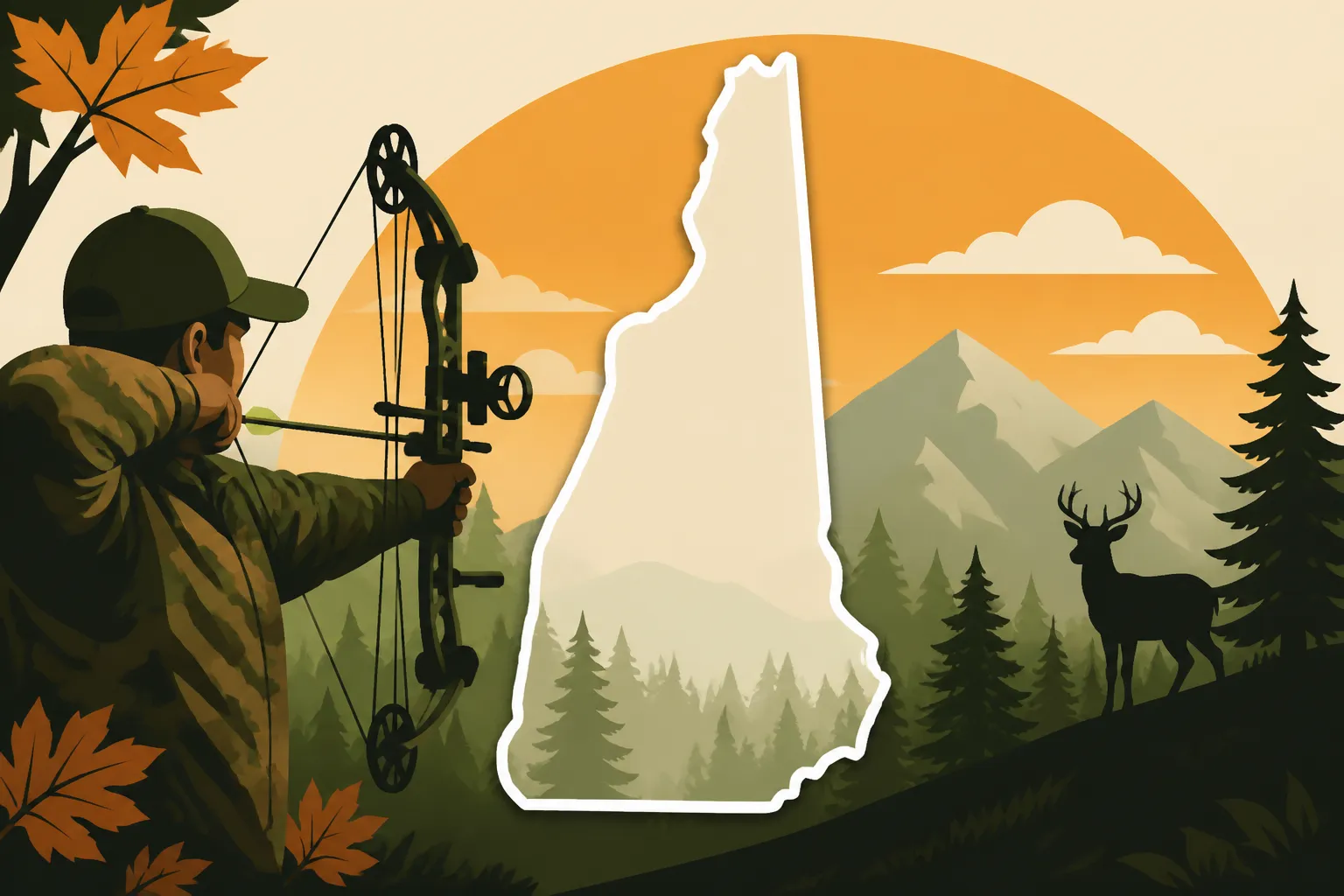
The rustle of fallen leaves underfoot, the crisp scent of pine in the air, and the quiet anticipation of a deer slipping through the timber – there's nothing quite like archery season in New Hampshire. But for many of us, the excitement often comes with a bit of head-scratching when trying to nail down the exact New Hampshire archery season dates, which can vary based on where you plan to hunt. This guide is here to untangle those dates, explain the regional differences, and help you plan your most successful archery hunt yet.
Decoding New Hampshire's Archery Deer Season Opening
For most hunters, the start of archery season is a highly anticipated event, a true signal that fall hunting is officially underway. New Hampshire’s archery deer season typically kicks off in mid-September, offering a generous window of opportunity for bowhunters to get into the woods before the rifle hunters arrive. This early start means you're often hunting deer in completely different patterns than you would later in the fall.
Statewide Archery Season Kick-Off
Across the majority of New Hampshire, the archery season begins around September 15th. This date provides an expansive stretch, lasting well into December in most Wildlife Management Units (WMUs). Imagine those early mornings: the air is cool, but not frigid, and the hardwoods are just starting to show their first hints of autumn color. Deer are still primarily on summer patterns, often hitting agricultural fields or specific mast crops if they've already begun dropping. It’s a fantastic time to scout out those consistent food sources and observe deer movement without the added pressure that comes with later seasons. Remember to secure your New Hampshire Resident License Options or New Hampshire Nonresident License Options well in advance to ensure you're ready when the season opens.
Early Season Behavior and Tactics
During this initial phase, deer haven't been heavily pressured, making them potentially more predictable. They're often focused on feeding to build up fat reserves for the coming winter. This means paying close attention to apple orchards, cornfields, and natural browse is key. Setting up near established trails leading to these food sources, or even within them if you have permission and proper concealment, can be highly effective. The foliage is still thick, which offers excellent cover for bowhunters, but it also means visibility can be limited. Patience and silent movement are paramount. A smart hunter might use a mapping application like GoHunt to identify potential food sources on public land or to confirm boundaries if hunting private parcels, helping narrow down scouting efforts.
The WMU A Exception: An Earlier Archery Close
While most of New Hampshire enjoys a lengthy archery season, there's a crucial exception that every bowhunter needs to be aware of: Wildlife Management Unit A (WMU A). This unit, located in the northernmost reaches of the state, operates on a slightly different calendar.
Understanding WMU A's Unique Calendar
WMU A, encompassing a significant portion of the North Country, including areas around Pittsburg and the Connecticut Lakes region, has an archery season that closes earlier than the rest of the state. Typically, the archery season in WMU A wraps up around late October. This earlier closing date is often a reflection of specific deer management objectives for this more rugged, less populated region, where winter conditions can be harsher and deer populations may require different management strategies. For a more detailed look at the geographical divisions, it's worth understanding New Hampshire's WMU-Based Deer Season Structure.
Why WMU A Differs and How It Affects Your Hunt
The primary reason for WMU A's earlier close often relates to local deer population dynamics and the severity of winter weather. It's a critical detail for anyone planning to hunt the far north, as missing this date could lead to a violation. If your hunting plans include WMU A, you must verify the exact closing date in the current year's New Hampshire Fish and Game Digest. This also means if you're planning a trip combining early season archery in the south and later in the north, you need to adjust your expectations. Hunting this region demands specialized gear, and you might consider strategies like Hunting a New Hampshire North Country Moose Bog for other species, but for deer archery, the window is tighter.
It’s easy to get caught up in the excitement of the hunt and overlook these regional nuances, but ignorance of the law is no excuse. Always double-check your specific WMU dates. Platforms like GoHunt often have up-to-date regulations integrated into their mapping systems, providing a helpful layer of verification as you scout and plan.
Extending Your Archery Season: The December Opportunity
For those who simply can't get enough archery hunting, New Hampshire offers a fantastic extended opportunity in December. This late-season window allows bowhunters to pursue deer well after the regular firearms season has concluded, and even past the muzzleloader-only period in some cases.
The Late Archery Season Specifics
After the main firearms season closes, and often following the short muzzleloader season, New Hampshire reopens its archery season for a dedicated period in December. This usually runs for a couple of weeks, providing a unique challenge and a chance to fill a tag when most other deer hunters have packed up for the year. This December period is a fantastic opportunity for hunters who appreciate the quiet solitude of the late woods. For all the details, check out Hunting New Hampshire's Archery Season Into December.
Tactics for December Archery
Hunting in December is a completely different ballgame than the early fall. The foliage is gone, snow may be on the ground, and deer are highly focused on finding sustainable food sources and conserving energy. They will be heavily concentrated in areas with winter browse, late-dropping acorns (if any remain), or in deer yards where they seek thermal cover. This is a time for patience and precision. You’ll want to key in on thermal cover, like dense conifer stands, and south-facing slopes that get more sun.
Still-hunting can be particularly effective during this time, moving slowly and deliberately through the quiet woods, especially when there's fresh snow to help track and muffle your footsteps. Understanding Late-Season Food Sources for New Hampshire Whitetails is paramount. Don't forget that visibility is often much higher, so extreme caution with movement and excellent camouflage are vital. Your clothing strategy also shifts dramatically; this is when your heavy insulation and cold-weather gear truly shine, allowing you to endure long, cold sits.
New Hampshire Archery Season Dates Overview
To help visualize the general framework, here's a simplified look at New Hampshire's archery deer season dates. Keep in mind that exact dates can shift slightly year to year, so always confirm with the official New Hampshire Fish and Game Department digest.
| Season Segment | Typical Start Date | Typical End Date | Applicable WMUs | Notes |
|---|---|---|---|---|
| Early Archery Season | Mid-September | Mid-December | All WMUs except WMU A | Longest continuous archery period. |
| WMU A Early Archery Close | Mid-September | Late October | WMU A Only | Shorter season in the northernmost unit. |
| December Archery Extension | Early to Mid-December | Mid to Late December | All WMUs except WMU A (usually) | Follows firearms and muzzleloader seasons. Check specific dates! |
Always refer to the current year's New Hampshire Fish and Game Digest for precise, legally binding dates.
Beyond the Dates: Archery Regulations You Must Know
Knowing the New Hampshire archery season dates is only one piece of the puzzle. To be a responsible and successful bowhunter, you need to be intimately familiar with all the associated regulations. These rules cover everything from your license to the equipment you can use, ensuring fair chase and ethical hunting practices.
Licensing and Permitting for Bowhunters
To legally hunt deer with archery equipment in New Hampshire, you must possess a valid New Hampshire hunting license and a specific Archery Permit. The archery permit is an additional endorsement on your base hunting license. This isn't just a formality; it ensures that you've either completed the necessary New Hampshire Hunter Education Requirements or meet the criteria for an apprentice license. If you're considering using a crossbow, be aware that while they are legal for archery season in many units, there are specific New Hampshire's Twelve Crossbow-Legal WMUs and rules regarding their use. Always confirm your specific WMU is open to crossbow hunting before heading afield. A good way to streamline this information gathering is to consult the official Fish and Game website or even use features on platforms like GoHunt that consolidate such regulatory details.
Legal Archery Equipment
New Hampshire has clear guidelines on what constitutes legal archery equipment for deer hunting. Generally, this means a longbow, recurve bow, or compound bow with a minimum draw weight of 30 pounds. Crossbows are permitted in certain WMUs and also have specific requirements, often related to minimum draw weight and safety mechanisms. Broadheads must also meet minimum width and have at least two sharp cutting edges. The use of lighted nocks is generally allowed, but devices that project a beam to illuminate a target are prohibited. It’s crucial to thoroughly check the most recent regulations in the Fish and Game Digest, as these details can change. Ensuring your equipment is compliant isn't just about avoiding a fine; it's about making a clean, ethical harvest. For deeper insights into your gear choices, you might find articles like Broadheads and Arrows for New Hampshire Archery helpful.
Strategizing Your Archery Hunt in New Hampshire
With the New Hampshire archery season dates firmly in mind, the next step is to strategize your hunt. New Hampshire's diverse terrain, from the rugged White Mountains to agricultural lowlands, presents unique challenges and opportunities for bowhunters. Successful archery hunting isn't just about good equipment; it's about keen observation, understanding deer behavior, and adapting to conditions.
Pre-Season Scouting and Habitat Focus
Effective scouting begins long before the season opens. This is when you identify potential stand locations, observe deer movement patterns, and locate key food and bedding areas. In early archery season, deer are still mostly on their summer patterns, but as September progresses, they start to transition. Look for rub lines, scrape lines, and tracks near consistent water sources, feeding areas, and dense cover. Using aerial maps, topographical maps, and tools like GoHunt can help you pinpoint promising spots, especially when Scouting New Hampshire Public Land Before Season. Focus on identifying funnels where deer movement is naturally restricted, such as saddles between ridges or narrow strips of cover between open fields. Understanding the natural contours of the land, especially in areas like Hunting a Granite Ridge Saddle, can be a game-changer.
Timing the Rut for Archery Success
While the peak of the rut typically falls during the firearms season in early to mid-November, the archery season allows you to hunt the pre-rut and, in some cases, the tail end of the rut. The pre-rut, usually in late October and early November, can be an incredibly exciting time for bowhunters. Bucks become more active, moving more during daylight hours as they begin to seek out does. This is when rattling, grunting, and creating mock scrapes can be highly effective. Understanding Hunting the Rut in Early-to-Mid November is crucial for maximizing your chances. During this period, bucks are often more vulnerable to calling and decoys as their focus shifts to breeding. Positioning yourself near known doe bedding areas or travel corridors between them can pay dividends.
Making Sense of Crossbow Regulations for Archery Season
The integration of crossbows into New Hampshire's archery season has been a significant topic for many hunters. It’s fantastic that more opportunities are available, but it also means a deeper dive into understanding where and when these tools can be legally used.
WMU-Specific Crossbow Allowance
Not all Wildlife Management Units in New Hampshire permit crossbow hunting during the archery season. The state has designated specific WMUs where crossbows are allowed, usually due to population management goals or specific terrain considerations. If you're considering using a crossbow, it is absolutely essential to consult the official New Hampshire Fish and Game rules or reliable platforms like GoHunt that explicitly list these New Hampshire's Twelve Crossbow-Legal WMUs. Heading out with a crossbow in a non-permitted WMU could lead to serious legal consequences, so don't leave this to chance. For hunters who may have physical limitations or prefer the different shooting dynamics of a crossbow, this provides a welcome alternative, but only within the defined boundaries.
Crossbow Equipment and Safety Considerations
Beyond the WMU restrictions, there are also specific equipment requirements for crossbows, similar to traditional bows. These usually include minimum draw weight and often mandate the use of a safety device. It's crucial to ensure your crossbow meets these specifications before you even step foot in the woods. Additionally, crossbow hunting demands the same, if not more, attention to safety as any other form of hunting. Proper handling, understanding your equipment, and always being aware of your target and what lies beyond it are non-negotiable. Familiarize yourself with Crossbow Gear for New Hampshire's Legal WMUs to make sure you’re not just legal, but also well-prepared and safe. Crossbows are powerful tools, and treating them with respect is paramount for a safe and ethical hunt.
Disclaimer
Please remember that hunting regulations, including season dates and specific rules, can change. Always consult the official New Hampshire Fish and Game Department's current year hunting digest or website for the most accurate and up-to-date information before planning and executing your hunt. This article provides general guidance based on typical seasons but is not a substitute for official legal documents.