New Hampshire Youth Deer Weekend Rules
Navigating the ever-changing landscape of hunting regulations in New Hampshire can feel like a full-time job, especially when you're trying to introduce the next generation to the outdoors. It's frustrating to want to share this passion only to be bogged down by complex rules. This comprehensive guide is here to untangle the specifics of New Hampshire's Youth Deer Weekend, ensuring you and your young hunter are fully prepared for a safe, legal, and memorable experience in the field.
Understanding the Youth Deer Weekend Concept
The Youth Deer Weekend isn't just another hunting opportunity; it's a specially designed initiative with deep roots in wildlife management and hunter recruitment. For many families, it's the perfect gateway to a lifelong love of hunting, free from some of the pressures of regular seasons.
The Purpose Behind the Special Season
New Hampshire Fish and Game, much like wildlife agencies across the nation, established the Youth Deer Weekend with several key objectives in mind. Primarily, it aims to introduce young people to the ethical, safe, and responsible pursuit of deer hunting in a controlled and encouraging environment. By setting aside a specific weekend, typically before the full firearms season kicks off, it allows young hunters to have a less crowded, more focused experience. This means fewer adult hunters in the woods, reducing competition and often providing a calmer atmosphere for learning. The emphasis isn't just on harvesting an animal, but on fostering an appreciation for nature, understanding wildlife biology, and developing crucial outdoor skills under the direct guidance of an experienced adult. It's about passing on traditions and ensuring the future of conservation through engaged youth.
Benefits for Young Hunters and Their Mentors
For the young hunters themselves, the benefits are immense. It provides a unique opportunity to gain hands-on experience in calling, tracking, and shooting, often with a higher chance of success due to the reduced hunting pressure. This early success can be incredibly motivating. They learn patience, observation skills, and the importance of ethical decision-making. Mentors, on the other hand, get to experience the pure joy of watching a youngster connect with nature and perhaps harvest their first deer. It's an invaluable bonding experience, strengthening family ties and creating lasting memories. It also allows mentors to reinforce safety lessons and hunting ethics in a practical setting, building confidence in their young charges that will serve them well in all future hunting endeavors. It’s a chance to truly focus on teaching without the added pressure of their own personal hunting goals taking precedence.
Eligibility and Licensing Requirements for Youth Hunters
Before you even think about packing your gear for the Youth Deer Weekend, understanding the specific eligibility and licensing requirements is paramount. These rules are in place for safety and proper management of the deer herd, and overlooking any detail can lead to disappointment or worse.
Age Restrictions and Hunter Education
New Hampshire has clear guidelines on who can participate in the Youth Deer Weekend. Specifically, any resident or non-resident hunter between the ages of 12 and 15 is eligible to participate. This age range is critical, as hunters 16 and older typically fall under adult licensing and season rules. A crucial component for any aspiring hunter in the Granite State is hunter education. All youth hunters, regardless of age, must possess a valid Hunter Education certificate or be hunting under a valid Apprentice Hunter License. This requirement ensures that basic safety, ethical conduct, and wildlife identification skills are learned before a hunter ever steps foot in the woods. For those without formal hunter education, the apprentice license program provides a fantastic pathway, allowing them to hunt under the direct supervision of a licensed adult. You can find more details on general requirements in the article, New Hampshire Hunter Education Requirements.
Specific License Types Needed
Beyond the Hunter Education certificate, a youth hunter needs the right license. For the Youth Deer Weekend, this means a specific "Youth Hunting License," which often includes the necessary deer permit. It's not enough for the adult mentor to have their license; the youth must have their own. These licenses are generally available through the New Hampshire Fish and Game online portal or at authorized license agents across the state. The cost is typically nominal for youth, emphasizing the state's commitment to encouraging youth participation. It’s vital to confirm all necessary endorsements or tags are included with the youth license, ensuring they are legally able to harvest a deer. Remember, the adult mentor must also possess their current New Hampshire hunting license, be it a resident or non-resident license, to legally supervise the youth hunter. They don't need a separate deer permit if they are only mentoring and not hunting themselves. For a deeper dive into license options, consider checking out New Hampshire Hunting Licenses and What They Cost.
Season Dates and Permitted Weapons
Timing and weapon choice are critical pieces of the Youth Deer Weekend puzzle. Knowing exactly when you can hunt and what you can carry ensures a legal and successful outing for your young hunter.
Typical Youth Weekend Dates and WMU Considerations
The New Hampshire Youth Deer Weekend typically occurs on a specific weekend in late October, just before the statewide regular firearms season opens. These dates are generally consistent year-to-year but always double-check the most current New Hampshire Fish and Game Hunting Digest for exact dates, as they can shift slightly. This strategic timing offers youth hunters a unique advantage: they get first crack at deer that haven't yet been pressured by the general hunting populace. While the weekend itself is statewide, it's still crucial to be aware of the specific Wildlife Management Unit (WMU) you are hunting in, especially if you plan to hunt close to the Youth Deer Weekend's regular archery close in WMU A or other areas with slightly different rules. While the youth weekend typically allows for any-deer harvest, understanding the broader WMU structure is helpful for any hunter. The article New Hampshire's WMU-Based Deer Season Structure offers excellent insights into how these units are set up.
Allowed Weapons and Ammunition
During New Hampshire's Youth Deer Weekend, young hunters are generally permitted to use legal firearms, archery equipment (including crossbows in designated WMUs), or muzzleloaders, adhering to the standard regulations for each weapon type. This flexibility allows youth to use the equipment they are most comfortable and proficient with.
- Firearms: For firearms, this typically means shotguns loaded with slugs, or rifles chambered in calibers legal for deer hunting in New Hampshire. Always confirm minimum energy and bullet weight requirements for rifles.
- Archery Equipment: If opting for a bow or crossbow, ensure it meets the minimum draw weight and arrow/bolt specifications. For crossbows, remember that certain WMUs have specific regulations regarding their use during archery seasons, although the Youth Weekend often has broader allowances. However, always refer to the current digest to confirm.
- Muzzleloaders: Muzzleloaders must also meet minimum bore size requirements.
It's vital that the chosen weapon is appropriate for the youth hunter's size and strength, allowing for safe and accurate shooting. Recoil management and proper fit are key to preventing flinching and building confidence. It's common for youth to use smaller calibers, 20-gauge shotguns, or low-recoil rifle loads to ensure a pleasant and successful experience. What’s most important is that the young hunter has practiced extensively with their chosen weapon and is fully comfortable with its operation and accuracy.
Bag Limits and Deer Registration
Successfully harvesting a deer during Youth Deer Weekend is a thrilling achievement, but the process isn't complete until the deer is properly tagged and registered. These steps are crucial for legal compliance and for contributing to important wildlife management data.
Youth Deer Bag Limit and Any-Deer Regulations
During New Hampshire's Youth Deer Weekend, each eligible youth hunter is typically allowed to harvest one deer. This deer can generally be an "any-deer," meaning it can be either an antlered buck or an antlerless deer (doe or fawn). This "any-deer" opportunity is a significant advantage, as it removes the pressure of needing to identify a buck and increases the chances of success for the young hunter. It's critical to note that this one-deer limit is in addition to any deer the youth hunter might harvest during the regular archery or muzzleloader seasons, should they participate in those later. However, the youth weekend harvest counts towards their overall annual bag limit. For instance, if a youth takes a deer on Youth Weekend, they might still be able to take an additional deer during a subsequent season if state rules allow for multiple deer, typically with specific antlerless permits. Always consult the official New Hampshire Fish and Game Hunting Digest for the most current and precise bag limit information, as these regulations can occasionally be updated based on herd health and population goals.
Mandatory Deer Registration Process
Once a deer is harvested, proper registration is not just a formality—it's a legal requirement and a vital part of New Hampshire's wildlife management efforts. All deer taken during the Youth Deer Weekend must be registered with the New Hampshire Fish and Game Department. This process usually involves attaching a tag to the deer immediately after harvest, and then reporting the harvest through one of two methods:
- Online Registration: New Hampshire offers an increasingly popular online registration system. This allows hunters to report their harvest from almost anywhere with an internet connection. You'll need to provide details like the WMU where the deer was taken, sex, and sometimes age information. This is often the quickest and most convenient method. The article Registering a New Hampshire Deer Online can provide a detailed walkthrough of this process.
- In-Person Registration: Traditional check stations are still available throughout the state, especially for those who prefer an in-person experience or are hunting in areas with spotty cell service. These stations are often local sporting goods stores or general stores that are authorized by Fish and Game.
Regardless of the method, registration must be completed within 24 hours of the kill. This data helps biologists monitor deer populations, assess herd health, and make informed decisions about future hunting seasons. Failing to register a deer is a violation and can carry penalties, so it's a step that should never be overlooked. Make sure your young hunter understands the importance of this final step in the hunting process.
Mentorship Responsibilities and Field Safety
The role of the adult mentor during Youth Deer Weekend cannot be overstated. They are the linchpin for safety, education, and ethical conduct. It's more than just supervision; it's active guidance and a commitment to creating a responsible future hunter.
The Mentor's Role and Proximity Requirements
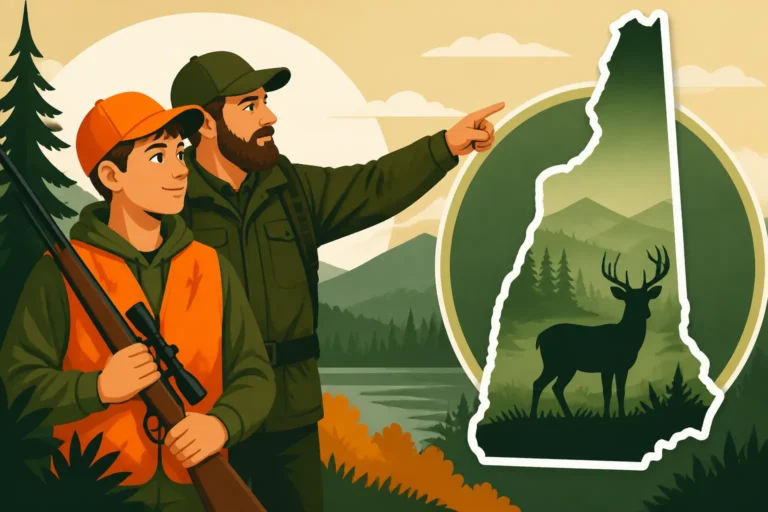
The adult mentor is responsible for ensuring the youth hunter's safety and adherence to all hunting laws. This isn't a passive role. New Hampshire law explicitly states that the mentor must be a licensed hunter (18 years or older) and must remain within direct control and supervision of the youth hunter at all times. This typically means being within "normal voice communication without the aid of electronic devices" and "close enough to prevent any violation of the law by the youth."
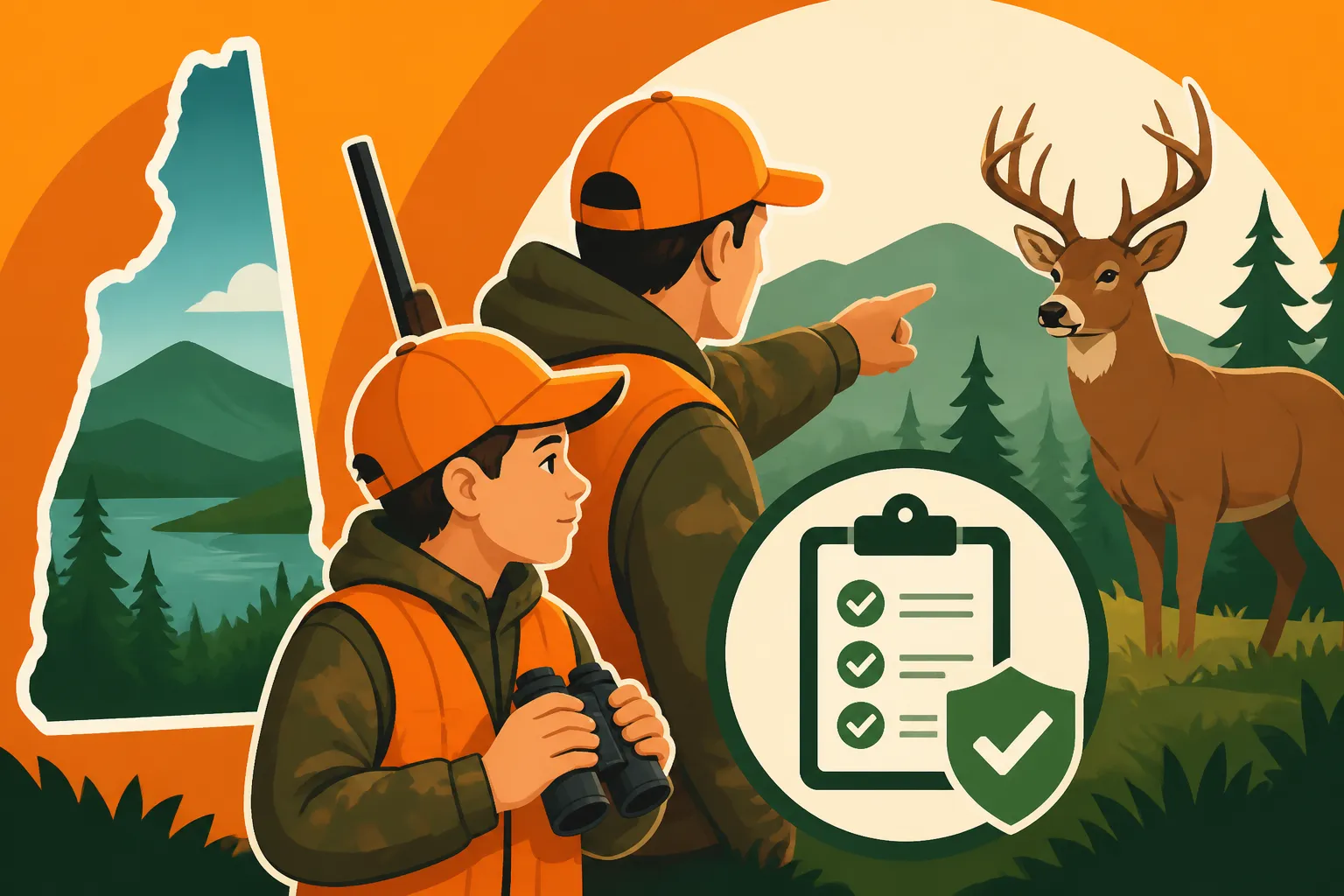
Practically, this translates to being right there with the young hunter – sharing the same blind, sitting in adjacent treestands, or walking side-by-side during a still-hunt. The mentor needs to be constantly aware of the youth's actions, the direction of fire, and the surrounding environment. This close proximity also allows for immediate instruction, answering questions, and reinforcing good habits, from proper firearm handling to ethical shot placement. It's a hands-on apprenticeship, where every decision and action is guided by experienced wisdom. This requirement is paramount to the success and safety of the New Hampshire Mentored Youth Hunting Rules program.
Mandatory Blaze Orange and General Safety Guidelines
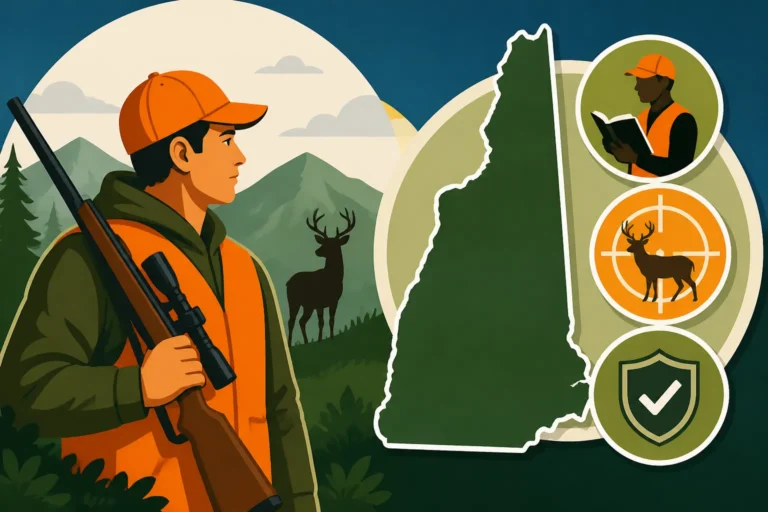
Safety is always the top priority in hunting, and New Hampshire has strict requirements, especially when it comes to visible clothing. During any firearms deer season, including the Youth Deer Weekend, both the youth hunter and their adult mentor are required to wear blaze orange. This means a cap, vest, or jacket, or any combination of these that is clearly visible from all sides. The more blaze orange, the better. This brightly colored clothing significantly reduces the risk of accidental shootings by making hunters highly visible to other participants in the field.
Beyond blaze orange, general safety guidelines must be practiced rigorously:
- Firearm Safety Rules: Emphasize the four fundamental rules of firearm safety: treat every firearm as if it's loaded, always point the muzzle in a safe direction, be sure of your target and what's beyond it, and keep your finger off the trigger until ready to shoot.
- Tree Stand Safety: If hunting from a tree stand, ensure both mentor and youth use a full-body harness, a lifeline, and practice safe ascent and descent. Falls from tree stands are a leading cause of hunting accidents.
- Communication: Establish clear communication signals, especially if separating briefly (which should be minimized or avoided entirely).
- Weather Preparedness: Dress in layers, carry extra clothing, and be prepared for changing New Hampshire weather. Layering for New Hampshire's Cold Hunting Season is an excellent resource for this.
- Emergency Plan: Always have a plan for emergencies, including a first-aid kit, a fully charged cell phone (though service can be spotty), and knowledge of your exact location. Using an app like GoHunt can help you mark your location and track your route, even if cell service is limited. Always carry an offline map with you.
By adhering to these rules and continually reinforcing safe practices, mentors can create an environment where young hunters can learn, grow, and confidently participate in the rich tradition of New Hampshire hunting.
Preparing for a Successful Youth Deer Weekend
Success isn't just about bagging a deer; it's about the entire experience, from the anticipation to the lessons learned. Thoughtful preparation can make all the difference, creating lasting memories regardless of the harvest.
Scouting and Pre-Season Preparation
The groundwork for a successful Youth Deer Weekend begins long before the season opener. Effective scouting is paramount, and it's an excellent opportunity to involve your young hunter directly in the process. Start by identifying potential hunting areas, whether it's public land like a Wildlife Management Area (WMA) or private land where you've secured permission. Utilize resources like aerial maps and topographical maps, or digital mapping tools such as GoHunt, which offers detailed property lines, public/private land distinctions, and satellite imagery to identify promising habitat. Look for key deer sign: tracks, rubs, scrapes, and bedding areas. Focus on late-season food sources like acorn flats or old apple orchards, and travel corridors like thickets or creek bottoms that deer use to move between feeding and bedding areas.
Consider what a white-tailed deer typically does in late October in New Hampshire. They are often focused on available food, especially before the main rut kicks in. Learning to identify these patterns can be a huge boost. You can learn more about general scouting principles in Scouting New Hampshire Public Land Before Season. By involving your youth in scouting, they learn valuable woodsmanship skills, how to "read" the land, and develop a deeper connection to the environment. This pre-season effort also helps to build excitement and anticipation for the hunt itself.
Essential Gear for Young Hunters
Having the right gear is crucial for comfort, safety, and success, especially for younger hunters who might be more sensitive to cold or discomfort. Beyond the weapon itself, consider these essentials:
- Properly Fitted Clothing: Layers are key for New Hampshire's unpredictable autumn weather. Ensure all clothing, especially the critical blaze orange outer layers, fits well and doesn't restrict movement. Waterproof outer shells are a wise investment.
- Comfortable Boots: Good quality, waterproof, and insulated boots are non-negotiable. Cold, wet feet can quickly ruin a hunt.
- Small Backpack: A youth-sized pack allows them to carry their own snacks, water, calls, and any other personal items, fostering a sense of responsibility.
- Snacks and Water: Hunting requires energy and hydration, especially during a long day in the woods. Pack plenty of healthy snacks and water.
- First-Aid Kit: A compact kit with essentials for minor scrapes, blisters, and other common outdoor ailments is always a good idea.
- Headlamp: For early morning walks to the stand or late evening retrieves, a headlamp is indispensable.
- Binoculars: Even small, lightweight binoculars can greatly enhance a young hunter's ability to spot deer and observe wildlife without disturbing them. Teach them how to use these tools effectively.
The focus should always be on making the experience enjoyable and educational, rather than solely on the harvest. A young hunter who is cold, hungry, or uncomfortable is unlikely to develop a lasting passion for the sport. Invest in quality gear that fits and functions well, and teach them how to use it properly. This ensures they are prepared for the elements and can focus on the hunt itself. For more detailed information on specific gear, you might find the article Layering for New Hampshire's Cold Hunting Season helpful, as many of the principles apply to youth as well.
Making the Experience Enjoyable and Educational
Ultimately, the goal of Youth Deer Weekend is to cultivate a love for hunting and the outdoors. This means prioritizing enjoyment and education over just punching a tag.
- Manage Expectations: Help your young hunter understand that harvesting a deer is never guaranteed. Emphasize the value of the experience itself—the quiet moments in nature, the thrill of spotting wildlife, the lessons learned, and the time spent together.
- Teach Woodsmanship: Use the time in the field to teach more than just shooting. Point out different tree species, identify animal tracks, explain deer behavior, and discuss the importance of conservation. Talk about how deer survive harsh winters in places like a New Hampshire Deer Wintering Yards Explained.
- Share Stories: Engage them with stories from your own hunting experiences, both successful and challenging. This helps them understand the broader context and history of hunting.
- Celebrate the Process: From scouting to tracking, field dressing, and finally sharing venison with the family, celebrate every step of the hunting process. If a deer is harvested, guide them through the process of Field Dressing a Deer in Cold Weather and explain its importance. This teaches respect for the animal and the food it provides.
- Stay Positive: Even if the hunting is slow, maintain a positive attitude. The joy of being outdoors with a loved one is often more important than the size of the antlers.
By focusing on these aspects, you'll not only prepare your young hunter for a successful Youth Deer Weekend but also lay the foundation for a lifetime of responsible and ethical outdoor pursuits. Remember, this is about building character, instilling values, and forging memories that will last far beyond the hunt itself.
| Rule Category | Requirement for Youth Hunter (12-15) | Requirement for Adult Mentor | Notes |
|---|---|---|---|
| Age | 12-15 years old | 18 years or older | |
| Hunter Education | Must have certificate OR apprentice license | Must have valid NH hunting license | Apprentice license requires direct supervision. |
| Hunting License | Specific Youth Hunting License | Valid NH Hunting License | Mentor does not need deer permit if only supervising, not hunting. |
| Supervision | Under direct control and supervision | Within voice communication, close enough to prevent violations | No electronic aids for communication. |
| Blaze Orange | Required (cap, vest, or jacket) | Required (cap, vest, or jacket) | Visible from all sides. |
| Bag Limit | One deer (any-deer) | N/A (if only mentoring) | In addition to regular season deer, but counts toward annual limit. |
| Weapon Types | Legal firearms, archery, muzzleloader | N/A (if only mentoring) | Must adhere to standard weapon-specific regulations (e.g., caliber, draw weight). |
| Deer Registration | Mandatory within 24 hours | Assist youth with registration | Online or in-person at check station. |
Disclaimer
Please remember that hunting regulations can change. While every effort has been made to provide accurate and up-to-date information, this guide is for informational purposes only. Always consult the most current New Hampshire Fish and Game Hunting Digest or visit their official website before heading into the field to ensure full compliance with all laws and regulations.