New Hampshire CWD Testing Program
The potential spread of Chronic Wasting Disease (CWD) is a deeply concerning issue for hunters and wildlife enthusiasts across the country, and right here in New Hampshire, it’s a threat we take incredibly seriously. The thought of this fatal, incurable neurological disease taking hold in our vibrant deer and moose populations is a nightmare scenario that demands constant vigilance from everyone who cares about our wild cervids. This guide aims to demystify New Hampshire's robust CWD testing and surveillance program, explaining its critical importance and detailing exactly what you, as a responsible hunter, need to understand and do to help protect our cherished Granite State herds.
Understanding Chronic Wasting Disease
Chronic Wasting Disease (CWD) is a devastating illness that affects cervids – deer, elk, moose, and caribou. It’s a game-changer wherever it appears, and understanding what it is and how it operates is the first step in protecting our local wildlife.
What is CWD and How Does it Affect Cervids
CWD is a transmissible spongiform encephalopathy (TSE), a fancy term for a group of progressive, fatal neurological diseases. It's caused by an abnormal protein called a prion, not a virus or bacteria. These rogue prions essentially "convert" normal proteins in the brain and spinal cord into more abnormal prions, leading to a slow, debilitating degeneration of the animal's nervous system.
When an animal contracts CWD, it might take a year or more for symptoms to show, which is part of what makes it so insidious. Once symptoms appear, they typically include dramatic weight loss (hence "wasting"), stumbling, poor coordination, excessive salivation, difficulty swallowing, behavioral changes like decreased interaction with other animals, and a general listlessness. There is no known cure or vaccine, and the disease is always fatal. For hunters, encountering an animal exhibiting these signs should immediately trigger alarm bells and a call to New Hampshire Fish and Game, rather than a harvest.
The Silent Threat: How CWD Spreads
One of the most terrifying aspects of CWD is how easily and persistently it spreads. The prions are shed through bodily fluids like saliva, urine, and feces of infected animals. Other cervids can then pick up the disease through direct contact with an infected animal or, more insidiously, through environmental contamination.
These prions are incredibly hardy. They can bind to soil and plants, remaining infectious in the environment for years, even decades. This means that an area where an infected animal once lived or died can become a CWD hotspot, continually infecting new animals that utilize that same space. This environmental persistence makes eradication incredibly difficult once the disease takes root. The transport of infected carcass parts, even seemingly innocuous ones like spinal cord or brain matter, can also introduce prions to new areas, leading to new outbreaks. This is why stringent rules around Moving a Deer Carcass Into New Hampshire are so crucial.
Why Keeping New Hampshire CWD-Free is Paramount
The stakes could not be higher for New Hampshire. Our healthy, CWD-free deer and moose populations are not just an ecological asset; they're an integral part of our state's identity and economy. Hunting traditions run deep here, contributing significantly to local economies through licenses, gear sales, and related tourism. The presence of New Hampshire's CWD-Free Deer Herd is a point of immense pride for our Fish and Game department and for every hunter who steps into our woods.
An outbreak would be catastrophic, leading to potential population declines, reduced hunting opportunities, significant economic losses for rural communities, and a fundamental shift in how we manage our wildlife. Hunters who depend on our state for opportunities, perhaps planning their seasons with platforms like GoHunt, would see their pursuits dramatically altered. Beyond the practical impacts, there's the moral imperative to protect our wildlife from such a cruel and relentless disease. The proactive measures we take now are an investment in the health and future of New Hampshire's wild resources.
New Hampshire's Proactive Surveillance Program
New Hampshire Fish and Game isn't waiting for CWD to arrive at our borders. We've had a comprehensive and proactive surveillance program in place for years, designed to detect CWD early if it ever makes its way into our state. This vigilance is a cornerstone of our wildlife management strategy.
A History of Vigilance: Establishing the Program
New Hampshire Fish and Game initiated its CWD surveillance program in the early 2000s, recognizing the growing threat as the disease spread in other states. They didn't reinvent the wheel but rather learned from the experiences (and mistakes) of states that had already battled CWD. The program was designed with a multi-pronged approach, focusing on education, regulation, and robust testing.
This wasn't a solo effort. It involved forging crucial partnerships with taxidermists, meat processors, and, most importantly, hunters. These collaborations are vital for sample collection and for spreading awareness throughout the hunting community. From public outreach at hunting expos to detailed information in the annual hunting digest, the department has worked tirelessly to build a strong defense against CWD.
Strategic Surveillance Zones and Sampling Efforts
New Hampshire's CWD surveillance isn't random; it's highly strategic. Fish and Game identifies specific Wildlife Management Units (WMUs) and regions that are considered higher risk. These typically include areas bordering states where CWD has been detected, or regions with high deer densities, which could facilitate faster spread if an infection occurred.
Each year, the department sets specific quotas for CWD samples, often prioritizing adult deer, as they are more likely to have developed symptoms or to have been exposed for a longer period. Hunters are often asked to submit samples from deer harvested in these targeted areas during certain seasons. For instance, a hunter utilizing GoHunt to scout their chosen WMU for Hunting the November Firearms Opener might find information about specific CWD testing requirements for that unit during their hunt. This targeted approach helps maximize the efficiency and effectiveness of the surveillance efforts, ensuring resources are allocated where they can do the most good. The continuous operation of New Hampshire's CWD Surveillance Program is a testament to this commitment.
The Science Behind Sample Collection and Analysis
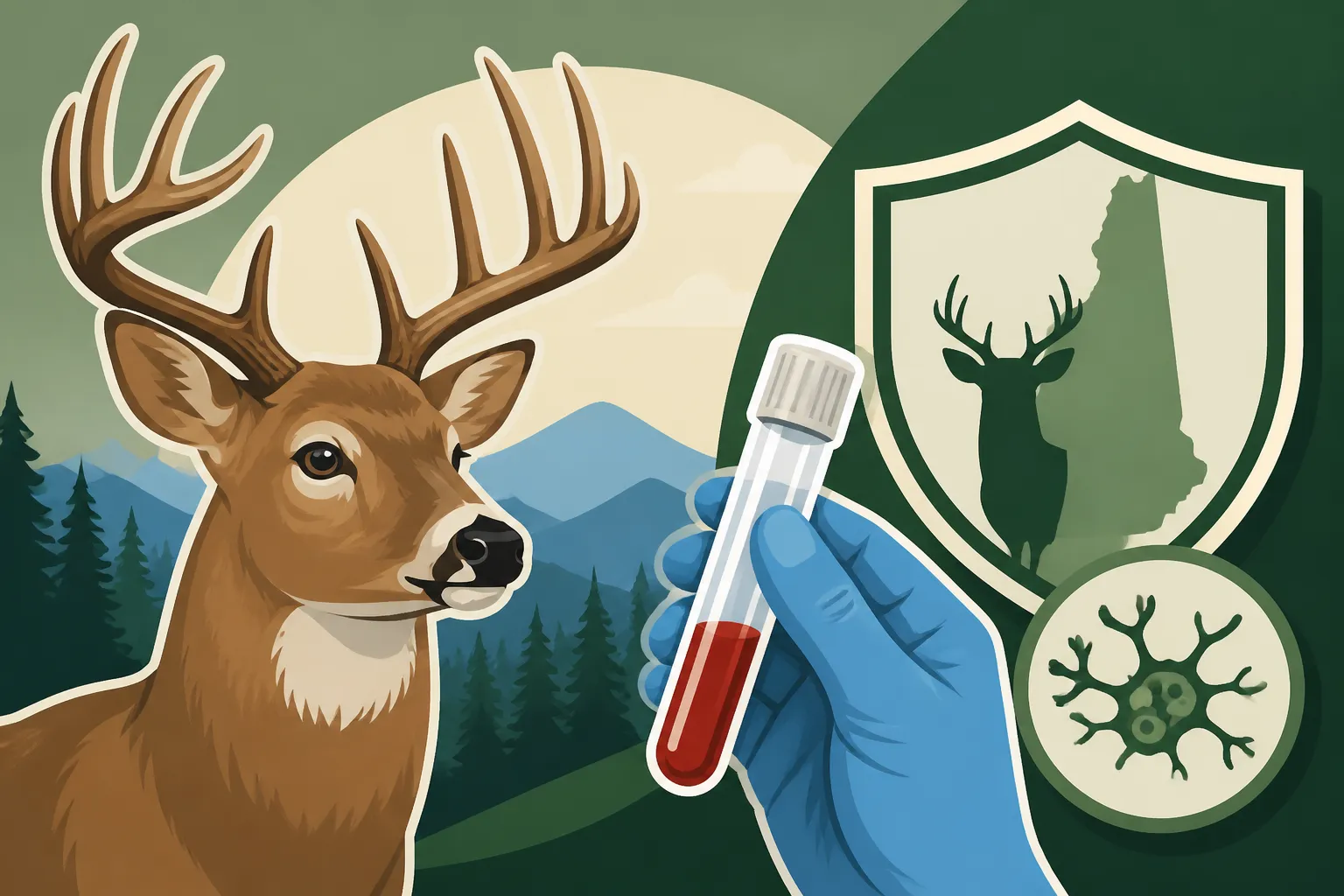
For CWD detection, not just any tissue will do. Scientists have identified specific tissues that are most likely to harbor the prions in an infected animal. The primary samples collected from harvested deer and moose are the obex (a specific part of the brainstem) and the retropharyngeal lymph nodes. These tissues are where the CWD prions accumulate early in the disease progression.
Fish and Game staff, trained volunteers, taxidermists, and meat processors are meticulously instructed on how to properly collect these samples to avoid contamination and ensure accurate results. Once collected, these samples are sent to a state-accredited veterinary diagnostic laboratory for specialized testing. The most common test, immunohistochemistry (IHC), allows pathologists to detect the presence of the abnormal prions. This scientific rigor ensures that New Hampshire's CWD testing program provides reliable and actionable data, helping to safeguard our state's wildlife.
Mandatory and Voluntary CWD Testing for Hunters
Hunters are on the front lines of CWD detection. Your participation, whether through mandatory submission or voluntary testing, is absolutely vital to the success of New Hampshire's surveillance program.
Understanding Mandatory Submission Requirements
While New Hampshire has proudly remained CWD-free, Fish and Game periodically implements mandatory CWD testing requirements in specific WMUs or during certain hunting seasons. These mandates are typically a response to increased CWD detections in neighboring states or to gather baseline data in high-risk areas. It is absolutely crucial for every hunter to check the current hunting digest and the NH Fish and Game website before each hunting season to understand if their chosen WMU or hunting period falls under mandatory testing.
For example, a hunter targeting a deer in WMU H2 during the opening days might be required to submit their deer for CWD testing at a designated check station. Failure to comply with mandatory testing requirements can result in fines and other penalties. These regulations aren't meant to inconvenience hunters; they are a critical layer of defense, ensuring that a representative sample of animals from vulnerable areas is tested.
Voluntary Testing: Your Role in the Bigger Picture
Beyond any mandatory requirements, New Hampshire Fish and Game strongly encourages all hunters to voluntarily submit samples from their harvested deer and moose, especially if the animal appears unusually old or exhibits any signs of illness. Every single sample submitted adds valuable data points to the state's surveillance efforts, allowing wildlife biologists to build a more comprehensive picture of herd health across the entire state.
The process for voluntary submission is generally straightforward. Information on drop-off locations, which often include Fish and Game offices, authorized taxidermists, and meat processors, is available on the NH Fish and Game website. These locations usually have instructions and kits for sample submission. While Registering a New Hampshire Deer Online is now common, some deer check stations may still serve as CWD sample drop-offs, making it convenient for hunters already reporting their harvest. This is your chance to directly contribute to the protection of New Hampshire’s wildlife, and it truly makes a difference.
Locating CWD Testing Stations and Drop-Off Sites
Finding the nearest CWD testing station or drop-off site is usually quite simple. The most up-to-date information, including a list of locations and operating hours, can always be found on the official New Hampshire Fish and Game website. They typically provide an interactive map or a detailed list, especially during peak hunting seasons like New Hampshire's November Firearms Deer Season, when temporary stations might be set up in high-harvest areas.
Authorized taxidermists and meat processors often partner with Fish and Game to serve as convenient drop-off points, making it easier for hunters who are already bringing their deer for processing or mounting. It's a good idea to call ahead to confirm their participation and hours. Planning tools like GoHunt can be useful for identifying your hunting area and then cross-referencing with the Fish and Game website for nearby testing options. Being prepared with this information before you head out into the woods is key to a smooth and compliant hunting experience.
Protecting New Hampshire's CWD-Free Status: Regulations and Best Practices
Maintaining New Hampshire's CWD-free status isn't just about testing; it's about a multi-layered approach that includes strict regulations and diligent adherence to best practices by every hunter.
Strict Carcass Import Restrictions
One of the most critical defenses against CWD is controlling what comes into New Hampshire from CWD-positive states. The rules are clear and strict: hunters are generally prohibited from importing whole carcasses or high-risk parts of deer, elk, or moose harvested in states where CWD has been detected. High-risk parts include the brain, spinal cord, eyes, spleen, tonsils, and lymph nodes, as these are the tissues where CWD prions concentrate.
The only parts allowed across state lines from CWD-positive areas are boned-out meat, cleaned skull plates (antlers attached, with all brain tissue removed), finished taxidermy mounts, and hides (without heads). This regulation is in place to prevent the inadvertent introduction of prions via an infected carcass. It’s essential to know the CWD status of any state you hunt in and plan your field dressing and transportation accordingly. Our goal is to avoid ever having to discuss New Hampshire's Nearest Confirmed CWD Cases.
Here's a quick summary of what you can and cannot bring into New Hampshire from a CWD-positive state:
| Carcass Part | Allowed into New Hampshire? | Notes |
|---|---|---|
| Whole Carcass | No | Never allowed |
| Boned-Out Meat (no spinal cord or brain) | Yes | All meat must be deboned |
| Cleaned Skull Plate (antlers attached) | Yes | All brain tissue, eyes, and spinal column must be removed and properly disposed |
| Antlers (hard or velvet, separated from skull) | Yes | Skull plate must be thoroughly cleaned or not present |
| Hide (no head or hooves) | Yes | Must be free of all meat and tissue |
| Finished Taxidermy Mounts | Yes | Must be fully processed and clean |
| Brain, Spinal Cord, Eyes, Spleen, Lymph Nodes | No | These are high-risk parts and are strictly prohibited |
The Ban on Natural Deer and Elk Lures
Another vital regulation in New Hampshire's CWD prevention strategy is the ban on natural deer and elk urine or other natural bodily fluids as hunting lures. This might seem like a small detail to some hunters, but it's a huge safeguard. Even though a product might be labeled as "CWD-free," there's always a risk of cross-contamination or an undetected prion presence. Prions are incredibly difficult to destroy and can survive in biological fluids.
The use of synthetic lures, which are manufactured chemical compounds designed to mimic natural scents without using actual animal fluids, is perfectly legal and strongly encouraged. New Hampshire's Natural Lure Restrictions are a proactive measure to prevent introducing the CWD prion into our environment through a contaminated bottle of lure, protecting both our deer herd and your hunting spots. This simple switch is a small sacrifice for a massive benefit.
Hunter Responsibility and Ethical Practices
Ultimately, the first and last line of defense against CWD is the educated and responsible hunter. We are the eyes and ears in the woods. This means more than just following regulations; it means embracing a proactive, ethical approach to our passion.
- Stay Informed: Regularly review the New Hampshire Fish and Game website and the annual hunting digest for the latest CWD information and regulations. Knowledge is power.
- Report Sick Animals: If you see a deer or moose exhibiting signs of CWD, do not harvest it. Instead, contact New Hampshire Fish and Game immediately. Provide as much detail as possible about the animal's location and observed symptoms.
- Proper Carcass Disposal: If you hunt in a CWD-positive area outside of New Hampshire, ensure that any high-risk carcass parts are properly disposed of before entering New Hampshire, ideally at a designated landfill in the state where the animal was harvested. If you must dispose of parts within New Hampshire, follow Fish and Game guidelines, which usually involve double-bagging and placing them in municipal solid waste that goes to a lined landfill. Never dump carcasses in the woods or on private property.
- Safe Field Dressing: Wear gloves when field dressing any animal. Minimize contact with brain and spinal cord tissues. While CWD transmission to humans has not been confirmed, health agencies recommend caution.
- Support Surveillance: Participate in voluntary CWD testing whenever possible. Every sample helps.
Adhering to New Hampshire's CWD Prevention Rules is not just about compliance; it's about being a steward of our wildlife.
What Hunters Need to Know and Do
Beyond understanding the regulations, every New Hampshire hunter needs practical knowledge and actionable steps to help prevent CWD and ensure a safe, responsible hunting experience.
Recognizing Symptoms in the Field
While it's important not to jump to conclusions, being able to recognize the potential symptoms of CWD in a live animal is a critical skill. If you encounter a deer or moose that appears ill, it's vital to observe from a distance and not harvest it. Instead, contact New Hampshire Fish and Game immediately.
Here are some key signs to look for:
- Extreme Emaciation (Wasting): This is the hallmark symptom. The animal will appear severely underweight, almost skeletal, despite being in an area with adequate forage.
- Abnormal Behavior: This can include lethargy, stumbling, poor coordination, holding its head down, walking in repetitive patterns, or a general lack of fear of humans.
- Excessive Salivation/Drooling: Prion accumulation in the salivary glands can lead to profuse drooling.
- Difficulty Swallowing: This can contribute to the drooling and the wasting effect, as the animal struggles to eat and drink.
- Lowered Head and Ears: Often, affected animals will carry their head and ears in a noticeably low position.
- Excessive Thirst/Urination: Animals may drink and urinate more frequently.
Remember, other diseases or injuries can cause similar symptoms, so don't self-diagnose. The key is to recognize something is wrong and report it to the experts at Fish and Game, letting them investigate. You can often use mapping tools like GoHunt to pinpoint your exact location for reporting purposes.
Safe Handling and Processing of Harvested Game
Even if an animal appears perfectly healthy, practicing safe handling techniques is prudent for all harvested game, especially given the persistent nature of prions.
- Wear Gloves: Always wear latex or nitrile gloves when field dressing and butchering your animal. This is good practice for general hygiene and protects against potential pathogens.
- Minimize Contact with High-Risk Tissues: During field dressing, try to avoid cutting into the brain, spinal cord, spleen, and lymph nodes. These are the tissues most likely to contain prions if the animal were infected.
- Proper Tool Cleaning: Thoroughly clean and disinfect all knives, saws, and other processing tools with a bleach solution (e.g., 50/50 bleach and water) after use.
- Boning Out Meat: When processing your animal, it's generally recommended to bone out the meat, removing it completely from the bone. This removes any potential nervous system tissue that might be associated with the bones.
- Safe Disposal of High-Risk Parts: If you've harvested an animal that needs CWD testing, or if you simply want to be extra cautious, dispose of the brain, spinal cord, and other high-risk parts in a sealed plastic bag in your regular household trash that goes to a lined landfill. Never discard these parts in the woods, where they could potentially contribute to environmental contamination.
When dealing with meat processors, choose one that is knowledgeable about CWD prevention and follows proper hygiene protocols. Ask about their procedures, especially if you hunt near states with CWD.
Utilizing Resources and Staying Informed
Staying up-to-date on CWD is an ongoing responsibility. New Hampshire Fish and Game is your primary and most reliable source of information.
- NH Fish and Game Website: This is your go-to resource for current CWD status, testing requirements, drop-off locations, regulations on carcass importation, and any other updates. Make it a habit to check before each season.
- Annual Hunting Digest: The printed and online versions of the New Hampshire hunting digest contain a wealth of information, including CWD regulations specific to the current year. Read it cover to cover.
- Hunting Education and Workshops: Consider attending a hunter education course or refresher workshop, even if you’ve been hunting for years. These often cover the latest on wildlife diseases and conservation. This ties into the state's broader New Hampshire Hunter Education Requirements for new hunters, but it's valuable for everyone.
- Mapping Applications: Applications like GoHunt can provide invaluable tools for hunters, including detailed maps of WMUs, public land boundaries, and potentially even overlays for CWD surveillance zones or testing station locations. Use these tools in conjunction with official Fish and Game data to plan your hunt responsibly.
- Subscribe to Updates: Many state wildlife agencies offer email newsletters or social media channels for important alerts and updates.
By actively seeking out and utilizing these resources, you become an even more effective partner in safeguarding New Hampshire's cherished wildlife.
The Future Outlook and Ongoing Vigilance
New Hampshire's success in remaining CWD-free is a testament to persistent effort, but the threat is constant. Our collective future depends on continued diligence and adaptation.
Continued Monitoring and Research Efforts
The fight against CWD is a dynamic one. Research into the disease, its transmission, and potential management strategies is constantly evolving. New Hampshire Fish and Game actively monitors these developments and adapts its surveillance and management plans accordingly. They work closely with other state and federal agencies, sharing data and learning from collective experiences.
This continued monitoring goes beyond just CWD. The department engages in broad New Hampshire Deer and Moose Disease Monitoring, tracking other illnesses and population health trends to ensure the overall well-being of our cervid populations. This comprehensive approach means our wildlife managers are not only responding to immediate threats but also anticipating future challenges.
The Crucial Role of Hunter Data and Participation
Every hunter who legally harvests an animal in New Hampshire and complies with reporting and testing requirements contributes directly to this ongoing effort. The data collected from your submitted CWD samples, your deer registration information (whether it's Registering a New Hampshire Deer Online or in person), and your observations in the field are invaluable.
This hunter-provided data helps biologists understand disease prevalence (or lack thereof), track population demographics, and identify potential high-risk areas. Your participation in voluntary testing programs, especially for older or symptomatic animals, provides a larger dataset, strengthening the confidence in New Hampshire's CWD-free status. Our hunting license fees directly fund these vital surveillance and management programs. You are not just a participant in a sport; you are a critical conservation partner.
Why New Hampshire Has Stayed CWD-Free So Far
New Hampshire's status as a CWD-free state is not accidental. It's the direct result of a combination of factors:
- Proactive Policies: Early implementation of robust surveillance, carcass import restrictions, and the ban on natural lures have been crucial in preventing introduction. These are encapsulated in Why New Hampshire Has Stayed CWD-Free.
- Vigilant Wildlife Management: New Hampshire Fish and Game has maintained a high level of vigilance, adapting strategies as the disease has spread closer in neighboring states.
- Geographic Factors: While not a complete barrier, New Hampshire's relatively dense forest cover and lower deer densities in some regions, particularly the North Country, might have offered some protective effect compared to agricultural landscapes with higher deer concentrations.
- Dedicated Hunters: Ultimately, the compliance and cooperation of New Hampshire's hunting community have been paramount. Your commitment to following regulations, reporting sick animals, and participating in testing has created a strong human-made barrier against the disease.
While we celebrate this success, we must never become complacent. The threat of CWD is constant, and continued vigilance from every hunter is the only way to ensure that future generations can enjoy the same healthy wildlife resources we cherish today.
Disclaimer
The information provided in this article is for educational and informational purposes only and does not constitute legal advice. Hunting regulations, seasons, and CWD protocols can change. Always consult the official New Hampshire Fish and Game Department website and the current year's hunting digest for the most accurate and up-to-date regulations before participating in any hunting activity.