New Hampshire Waterfowl Zone Boundaries
Navigating the world of waterfowl hunting in New Hampshire can feel a bit like trying to read a tide chart during a hurricane if you’re not clear on the state’s distinct waterfowl zones. Many hunters, especially those new to the Granite State or even seasoned veterans crossing different regions, often find themselves scratching their heads over where one zone ends and another begins, and how these invisible lines profoundly impact their season dates, bag limits, and overall hunting strategy. This comprehensive guide is designed to unravel that confusion, providing clear, in-depth information on New Hampshire's waterfowl zone boundaries and how understanding them is absolutely crucial for a successful and legal hunt.
The Why and What of New Hampshire's Waterfowl Zones
It might seem overly complicated to carve a relatively small state like New Hampshire into different hunting zones, but there's a very good reason behind it. The diverse geography and varying migratory patterns across the state necessitate a nuanced approach to waterfowl management. From the vast, unbroken forests of the North Country to the sprawling river systems and coastal marshes further south, ducks and geese encounter different habitats and arrive and depart at distinct times.
The Rationale Behind Zone Divisions
The New Hampshire Fish and Game Department (NHFGD) doesn't just draw lines on a map arbitrarily. These zones are carefully established based on extensive research into waterfowl migration patterns, habitat availability, and population dynamics. The goal is to optimize hunting opportunities while ensuring sustainable populations of various waterfowl species. For instance, northern regions often experience earlier freeze-ups and earlier migrations, requiring an earlier season opener and closure. Conversely, more temperate southern regions, with larger open water bodies and agricultural areas, can support later hunting dates as birds linger longer. Understanding these ecological distinctions helps you grasp why the rules aren't uniform across the state and why it's so important to know exactly where you are when you're hunting. It's about respecting the birds' natural rhythms and ensuring good hunting for years to come.
A Snapshot of the Two Primary Zones
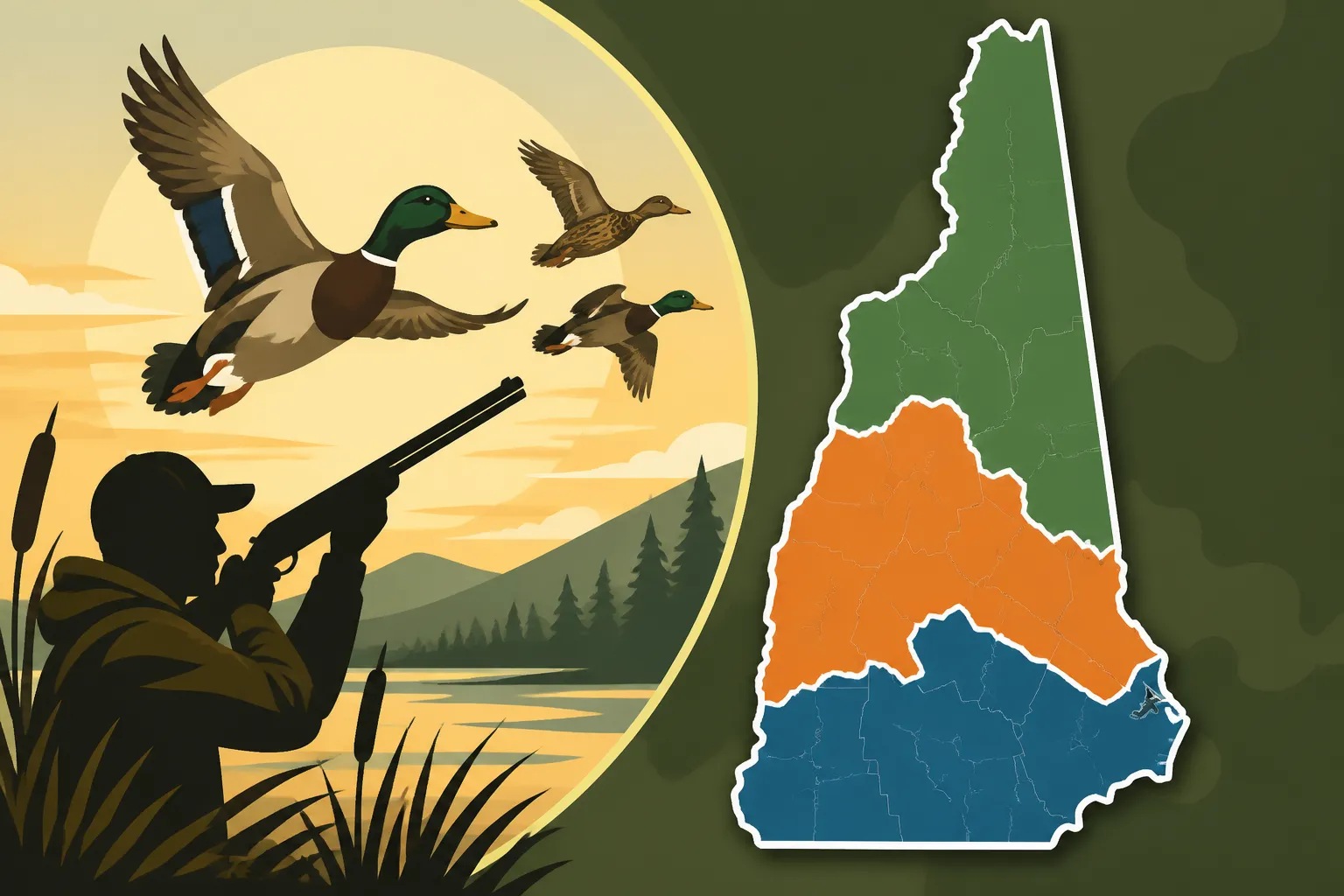
New Hampshire is divided into two primary waterfowl zones: the Northern Zone and the Inland Zone. While there's also a Coastal Zone for a very specific and limited area, the vast majority of waterfowl hunting in the state falls within these two main classifications, each with its own set of rules, season dates, and even bag limits for certain species. These divisions allow for tailored regulations that reflect the local conditions and migratory bird activity. Without these zones, a one-size-fits-all approach would inevitably lead to either missed hunting opportunities in some areas or undue pressure on bird populations in others. It truly is a system designed to balance hunter enjoyment with conservation efforts, allowing for a more precise management of New Hampshire Waterfowl Season and Zones.
Diving Deep into the Northern Zone
Imagine rolling hills giving way to vast bogs, clear-cut timberland, and pristine ponds tucked away in the wilderness. That's often the picture of New Hampshire's Northern Zone, a place where the air bites colder earlier and the waterfowl movements can be swift and responsive to weather changes. This zone presents a unique set of circumstances and opportunities for the dedicated duck and goose hunter.
Pinpointing the Northern Zone's Borders
The Northern Zone encompasses the northernmost portions of the state, an area characterized by its extensive forests, numerous small water bodies, and a more pronounced winter climate. To be precise, the dividing line separating the Northern Zone from the Inland Zone is defined by a series of specific routes: it begins at the junction of the Maine-New Hampshire border and New Hampshire Route 16. From there, it follows Route 16 west to New Hampshire Route 26, then west along Route 26 to New Hampshire Route 3, and finally north on Route 3 until it meets the Maine-New Hampshire border again. Everything north of this intricate line falls squarely within the Northern Zone. This can be tricky to visualize on a map, so always double-check your position, especially if you're hunting near these major roads, to ensure you're compliant. Knowing this boundary is paramount, as season dates can shift drastically from one side of the road to the other.
Prime Species and Habitats Up North
The Northern Zone's wilder character often means different waterfowl species and hunting scenarios. Early in the season, you'll find a good population of wood ducks, teal, and local mallards frequenting beaver flowages, small ponds, and the upper reaches of rivers. As the season progresses and colder weather pushes south, you might encounter transient birds passing through. Geese are present, but often in smaller, more scattered flocks than what you'd see in the agricultural fields further south. Habitats range from secluded mountain bogs to the remote stretches of rivers like the Androscoggin, offering a truly wild hunting experience. Many hunters who chase birds in this zone appreciate the solitude and the pristine wilderness backdrop, a stark contrast to the often more crowded hunting grounds of the southern part of the state.
Tailoring Your Hunt for the Northern Zone
Hunting in the Northern Zone often requires a different mindset and approach. Early season hunts might involve jump-shooting small beaver ponds or setting a few decoys in a quiet backwater for wood ducks and resident mallards. As cold fronts push through, focusing on larger, slower-to-freeze rivers or the edges of big lakes can yield results with migrating birds. Because of the typically thicker cover, smaller decoy spreads are often effective, focusing on realistic presentation rather than sheer numbers. You might also find yourself doing more scouting on foot, exploring remote corners of public lands or working with aerial maps, possibly utilizing tools like GoHunt to pinpoint potential water bodies that hold birds. Remember, the season closes earlier here, so making the most of those crisp September and October mornings is key. For more detailed strategies, consider insights from articles like Layout Blind Hunting a Northern Zone Field if you find suitable open areas, or focus on smaller, more mobile setups for the dense timber. You can also find more information on New Hampshire Duck and Goose Numbers to understand population trends.
Exploring the Opportunities in the Inland Zone
Moving south of the defined Northern Zone line, you enter the Inland Zone, a vast and diverse area that covers the majority of New Hampshire's landscape. This zone offers a broader range of waterfowl hunting experiences, from bustling river systems to expansive lakes and productive agricultural fields.
Unpacking the Inland Zone's Geographical Expanse
The Inland Zone covers the bulk of New Hampshire, stretching from the critical dividing line described earlier all the way down to the narrow strip that defines the Coastal Zone along the Atlantic. This expansive area includes the state's major river systems like the Connecticut River and the Merrimack River, large bodies of water such as Lake Winnipesaukee, and numerous smaller lakes, ponds, and marsh systems. It also encompasses significant agricultural regions, particularly in the western and southern parts of the state, which are magnets for migrating geese. The diverse geography means that hunting opportunities are incredibly varied, but so are the challenges, requiring a flexible approach to your waterfowl pursuits. It's truly a patchwork of habitats, each with its own draws for different species of ducks and geese.
Diverse Waterfowl and Environments Down South
The Inland Zone is a melting pot of waterfowl activity. You'll find strong populations of resident mallards and Canada geese, particularly around the larger rivers and farm fields. Throughout the migration, this zone sees a tremendous influx of birds: black ducks, gadwalls, wigeon, shovelers, ring-necked ducks, buffleheads, common and hooded mergansers, and various other species. The sheer variety of habitats, from tidal marshes just outside the Coastal Zone to flooded timber and cornfields, supports this diversity. The Connecticut River, for example, is a major flyway, holding significant numbers of ducks and geese throughout the season. Hunters often find themselves scouting fields for goose opportunities in the early morning and then shifting to a river blind for ducks later in the day. Understanding where and when different species typically appear is crucial for success here. Getting to know the nuances of Reading a Marsh for a Morning Flight can be a game-changer in these diverse habitats.
Strategic Hunting Approaches for the Inland Zone
The broader array of habitats in the Inland Zone allows for a wider range of hunting strategies. River hunting is a popular method, whether from permanent blinds, floating blinds, or simply jump-shooting sections of the river. Decoy spreads here can be larger, especially on big water or in fields, to attract the attention of passing flocks. Field hunting for geese, often utilizing layout blinds and large spreads of full-body decoys, becomes a viable and exciting option, particularly during the later splits of the season. For successful hunts on large bodies of water, understanding techniques like Decoying Ducks on New Hampshire's Connecticut River can be invaluable. The season here generally runs later than in the Northern Zone, providing opportunities to hunt into late December or even early January, depending on the specific species and conditions. This extended season means adapting to colder weather and finding open water or reliable food sources that hold birds when everything else is frozen. If you're targeting geese in fields, you might also be interested in strategies like Pass-Shooting Geese on a Split-Season Field.
Navigating the Nuances of Overlapping Seasons and Rules
One of the biggest pitfalls for waterfowl hunters in New Hampshire is misunderstanding how the different zones dictate season dates and specific regulations. It's not just about knowing where the lines are drawn, but what those lines mean for your hunting calendar and legal bag.
Understanding Zone-Specific Season Dates and Bag Limits
While New Hampshire has two primary waterfowl zones, the Northern and Inland, their season dates and even some specific regulations like split seasons can vary significantly. Generally, the Northern Zone opens and closes earlier, reflecting the earlier onset of winter conditions and bird migration in that region. The Inland Zone, conversely, often has a later opening and a longer season, frequently including a split segment to accommodate varying migratory patterns. This means a hunter could, theoretically, hunt the early portion of the Northern Zone season, and then travel south to the Inland Zone to continue hunting when the northern season has closed. However, staying on top of these exact dates each year is critical. The NHFGD publishes an annual Waterfowl Hunting Digest that details all the exact dates, bag limits, and specific rules for both zones. Never rely on last year's digest; always consult the current one. This is also where you'll find specifics on New Hampshire Duck and Goose Bag Limits and details about the Hunting the Split Inland Zone Waterfowl Season.
The Importance of Accurate Zone Identification
Mistaking your zone—even by a few hundred yards—can turn a legal hunt into an illegal one, carrying potential fines and penalties. Imagine setting up your spread along Route 16, convinced you’re in the Inland Zone for a later season date, only to discover you’re just north of the line in the closed Northern Zone. This kind of mistake is easily made if you don't confirm your location with absolute certainty. Before heading out, especially if you're exploring new territory, take the time to study a map and clearly identify the boundary lines in relation to your chosen hunting spot. This diligence prevents headaches and ensures your hard-earned license and permits remain valid. Using modern technology, like a GPS unit or a mapping app, is invaluable for this purpose.
Equipment and Decoy Considerations by Zone
The type of habitat within each zone often dictates the gear and decoys you’ll want to bring. In the Northern Zone’s smaller, more secluded waters, a smaller spread of half a dozen to a dozen realistic decoys might be all you need. Focus on puddle ducks, with a few wood duck decoys mixed in. In the Inland Zone, especially on larger rivers or fields, you might need larger spreads—think multiple dozen mallard, black duck, or goose decoys to grab attention from afar. If you’re hunting agricultural fields for geese, a full-body goose spread paired with layout blinds is often essential. Waterfowl hunting often involves being wet and cold, so appropriate layering and waterproof gear are non-negotiable regardless of the zone, but the scale of your decoy operation and the concealment methods, whether a natural blind or a specialized layout blind, will definitely shift depending on where you are.
Essential Compliance and Planning for Waterfowl Hunters
Responsible waterfowl hunting isn't just about bagging birds; it's about respecting the law, the resource, and your fellow hunters. This means staying on top of all the necessary paperwork, using available resources, and always adhering to ethical hunting practices.
Licenses, Stamps, and Certifications You Need
Before you even think about setting foot in a marsh or field for waterfowl, you need to ensure all your paperwork is in order. This includes a valid New Hampshire hunting license, which is your foundational document. Beyond that, every waterfowl hunter 16 years of age or older is federally required to purchase a federal duck stamp. This stamp is not just a regulatory hurdle; it's a direct investment in wetland conservation, with 98% of the proceeds going towards acquiring and restoring vital waterfowl habitat. Additionally, all migratory bird hunters, regardless of age, must obtain a Harvest Information Program (HIP) certification, which registers you with the U.S. Fish & Wildlife Service and helps them gather crucial harvest data. Don't forget, if you're taking advantage of special opportunities like Hunting New Hampshire's Youth Waterfowl Weekend, there might be additional specific requirements, so always check the digest. Ensuring you have your state license, the New Hampshire Federal Duck Stamp Requirement met, and your New Hampshire HIP Certification for Bird Hunters in hand is non-negotiable for a legal and worry-free hunt.
Leveraging Technology for Successful and Legal Hunts
In today's hunting world, technology is your friend, especially when navigating complex regulations like waterfowl zones. Mobile mapping applications are incredibly helpful. Platforms like GoHunt offer detailed satellite imagery, property lines, and often overlay public land boundaries, making it much easier to confirm your exact location relative to a zone boundary. You can download maps for offline use, which is critical in the often signal-challenged wilds of New Hampshire. Before you leave home, spend time plotting your intended hunting locations on these apps, identifying the precise zone you'll be in, and confirming season dates for that specific area. This proactive approach eliminates guesswork and allows you to hunt with confidence, knowing you're on the right side of the law. These apps can also help you scout new areas, identify potential waterfowl hotspots, and even mark out safe shooting lanes.
Best Practices for Ethical and Effective Waterfowl Hunting
Beyond the legalities, ethical waterfowl hunting ensures the longevity of the sport and a positive image for all hunters. This includes everything from proper decoy placement and calling techniques to responsible game retrieval and respecting bag limits. Always ensure your decoys are set up effectively for the wind and the species you're targeting. Learn to make realistic calls, but avoid over-calling, especially when birds are working your spread. Concealment is paramount – ducks and geese have excellent eyesight, so a well-brushed blind or natural cover is essential. If you shoot a bird, make every reasonable effort to retrieve it, even if it falls into difficult terrain or water. This demonstrates respect for the animal and ensures no game is wasted. Moreover, always know your daily bag limits and possession limits, and never exceed them. These practices, combined with a deep understanding of the zone boundaries, contribute to a truly rewarding and sustainable waterfowl hunting experience in New Hampshire.
New Hampshire Waterfowl Zone Comparison
| Feature | Northern Zone | Inland Zone |
|---|---|---|
| Geographic Scope | Area north of Route 16 (from ME border to Route 26), then west on Route 26 (to Route 3), then north on Route 3 (to ME border). Includes Coos County, parts of Grafton, Carroll. | Area south of the Northern Zone boundary, extending to the Coastal Zone boundary. Covers most of the state, including the major river valleys (Connecticut, Merrimack), Lakes Region, and agricultural areas. |
| Typical Habitats | Remote beaver flowages, small ponds, bogs, upper reaches of rivers (e.g., Androscoggin), forested wetlands. | Large rivers (e.g., Connecticut River, Merrimack River), large lakes (e.g., Lake Winnipesaukee), agricultural fields, larger marshes, smaller ponds, suburban waterways. |
| Primary Species | Early season: Wood ducks, teal, resident mallards. Later: Migratory mallards, black ducks, occasional geese. | Abundant resident mallards and Canada geese. Migratory: Black ducks, gadwall, wigeon, various divers (e.g., ring-necked, bufflehead), scaup, mergansers. |
| Season Dates | Generally opens and closes earlier than the Inland Zone, reflecting earlier cold weather and migration patterns. (Always check current year's digest). | Typically opens later and has a longer season, often with a split season to accommodate different migration waves. Extends further into winter. (Always check current year's digest). |
| Hunting Scenarios | Jump-shooting small waters, setting small decoy spreads in secluded backwaters, targeting wood ducks and early migrants. Often more solitary hunts in wilderness settings. | River blinds, layout blinds in fields for geese, large decoy spreads on big water, jump-shooting, pass-shooting. More diverse hunting pressure, but also more diverse opportunities, including prime Pass-Shooting Geese on a Split-Season Field spots and excellent Decoying Ducks on New Hampshire's Connecticut River opportunities. |
| Required Equipment | Smaller decoy spreads (6-12), lightweight portable blinds, waders, warm layers, navigation tools. | Larger decoy spreads (2-4+ dozen), layout blinds, fixed blinds, specialized boat blinds, larger boats for big water, warm layers, waders. |
| Key Considerations | Early freeze-up potential, fewer birds later in season, emphasis on scouting small waters, short effective hunting window. | Managing hunting pressure, finding consistent food sources, adapting to varied weather, longer season provides more flexibility but also requires persistent scouting. |
Disclaimer
The information provided in this guide is for general informational purposes only and is not a substitute for the official New Hampshire Fish and Game Department hunting regulations. Waterfowl hunting regulations, season dates, and zone boundaries can change annually. Always consult the most current New Hampshire Waterfowl Hunting Digest and any official updates before planning your hunt to ensure full compliance with all state and federal laws.