Minimum Age for Unsupervised New Hampshire Hunting
It’s a common question, and one that often causes a bit of confusion for parents and young hunters eager to get out into the New Hampshire woods: exactly how old do you have to be to hunt by yourself? Understanding the age requirements for unsupervised hunting in the Granite State is crucial for staying legal and, most importantly, ensuring everyone's safety. This guide will clarify the rules, discuss the vital role of mentored hunting, and help you navigate the path for young hunters.
Navigating New Hampshire's Minimum Age for Unsupervised Hunting
For many of us, hunting is a tradition passed down through generations, and there’s nothing quite like seeing a young person light up with excitement for their first hunt. But New Hampshire, like all states, has specific laws in place to ensure that this tradition is carried on safely and responsibly, especially when it comes to independent hunting by minors. These rules are designed to protect both the young hunter and the public.
The Core Rule: Age 16 and Up
Let's cut right to the chase: in New Hampshire, a person must be 16 years of age or older to hunt without adult supervision. This is the cornerstone of the state’s youth hunting regulations, and it applies across the board for all types of hunting, whether it’s chasing whitetails or calling turkeys. It's not just a suggestion; it's a legal requirement designed to ensure that hunters have reached a level of maturity and experience to make independent decisions in the field.
Think about it from a practical standpoint: by 16, most individuals have completed their hunter education, often have a few seasons under their belt as a mentored hunter, and are generally more capable of handling unexpected situations. They've learned how to read a map, understand wildlife behavior, react calmly to a missed shot, or safely retrieve a downed animal. Before this age, the risks associated with making critical decisions in potentially dangerous situations – like crossing a stream with a loaded firearm, navigating challenging terrain, or encountering another hunter – are simply too high for unsupervised activity. A 16-year-old is expected to possess the judgment and responsibility to handle these scenarios without an adult immediately at their side. This age benchmark aligns with many other rites of passage, like driving, signifying a recognized level of independence and capability.
Understanding Exceptions and Mentorship Requirements
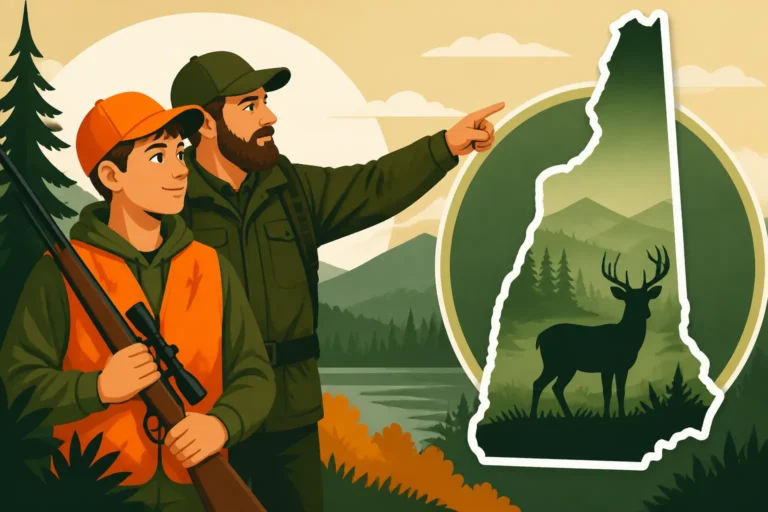
While 16 is the magic number for going solo, that absolutely doesn't mean younger enthusiasts are left out in the cold. New Hampshire has a robust system in place to allow hunters under 16 to participate, but it always involves proper supervision. This is where the state's Mentored Youth Hunting Program really shines, providing a structured pathway for kids to learn the ropes. The law explicitly states that hunters under the age of 16 must be accompanied by a properly licensed adult at all times while hunting. This adult isn’t just a chaperone; they are a mentor, a guide, and a safety supervisor rolled into one.
For example, a 14-year-old who has successfully completed hunter education can purchase a junior hunting license. However, they cannot simply head out into the woods on their own. They must be directly accompanied by a licensed adult who is at least 18 years old. This adult must stay within a distance that allows for immediate, effective control and communication. This isn't just about being in the same general area; it's about being close enough to intervene, give advice, or ensure safety at a moment's notice. This direct supervision is critical during the formative years of a young hunter’s development, instilling good habits and safe practices from the very beginning. Without this system, many children would miss out on the invaluable experience of learning from seasoned hunters, and the woods would be a much less safe place.
The Essential Role of New Hampshire's Mentored Youth Hunting Program
The journey to becoming a responsible, independent hunter is a marathon, not a sprint. New Hampshire's Mentored Youth Hunting Program is a cornerstone of this journey, bridging the gap between a child's eagerness to hunt and the legal age for solo adventures. It's more than just a regulatory loophole; it's a deliberate educational pathway designed to cultivate ethical and skilled hunters from a young age.
Who Qualifies as a Mentor and Their Responsibilities
So, who can be a mentor in New Hampshire? The state has clear guidelines to ensure that young hunters are learning from experienced, responsible adults. A mentor must be at least 18 years old, hold a valid New Hampshire hunting license, and have never had their license revoked. They are the eyes, ears, and immediate supervisor for the youth hunter. Their presence is not merely ceremonial; it’s an active and engaged role. The law mandates that the mentor must remain at all times within such proximity to the mentee as to permit direct communication and supervision. This typically means being within sight and sound, ready to offer guidance, correct a mistake, or take over if a dangerous situation arises.
Imagine you're out with your 12-year-old nephew, who's got his first junior hunting license. You've both completed your hunter education, and you're set up in a ground blind overlooking a potential deer trail in the White Mountain National Forest. As his mentor, your job isn't just to spot deer for him. It's to ensure his firearm is handled safely, that he understands the shot angle and what's beyond the target, and that he remains calm and focused. If he gets excited and starts to move too quickly, you're there to gently remind him of proper procedure. You're teaching him how to interpret deer sign, understand wind direction, and ethically pursue game. You're explaining why that small buck needs another year, or why it's important to wait for the perfect shot. This constant interaction and immediate feedback are invaluable, far beyond what a classroom setting can provide. The mentor is the living embodiment of hunting ethics and safety in the field.
Benefits Beyond the Harvest for Young Hunters
The advantages of the mentored hunting program extend far beyond just being able to participate before age 16. It’s an immersive, hands-on classroom that teaches critical life skills alongside hunting techniques. Young hunters learn about wildlife biology, habitat management, game identification, and the importance of conservation. They develop patience, perseverance, and a deep appreciation for nature. More importantly, they learn firearm safety, ethical shot placement, and responsible game recovery directly from someone with experience. This real-world application of knowledge is truly irreplaceable.
Through programs like this, youngsters develop a profound respect for the animals they pursue and the environment they share. They understand that hunting isn't just about pulling a trigger; it's about a connection to the land and a responsibility to manage wildlife populations. A mentored youth might learn how to properly field dress a deer, an essential skill that ensures the meat is handled correctly and respectfully. They might also learn about New Hampshire’s CWD Prevention Rules and why it's important to follow them. They also get to experience the camaraderie of hunting camp, the quiet beauty of a sunrise in the woods, and the satisfaction of ethically sourcing their own food. These are lessons that stay with them for a lifetime, shaping not just their hunting career but their character as well. Many of the friendships and bonds forged during these early mentored hunts last for decades, reinforcing the positive social aspects of hunting.
New Hampshire Hunter Education: A Foundation for All Ages
Before anyone, young or old, sets foot in the New Hampshire woods with a firearm or bow, hunter education is a non-negotiable step. It's not just a hurdle to jump; it's the bedrock upon which safe and responsible hunting practices are built. New Hampshire is committed to ensuring that all hunters possess the fundamental knowledge and skills needed to participate safely and ethically.
When Hunter Education Becomes a Requirement
In New Hampshire, hunter education certification is mandatory for anyone applying for their first hunting license, regardless of age. This means if you've never held a hunting license in New Hampshire or any other state, you'll need to pass an approved hunter education course. This is a crucial distinction: even if you're 40 years old and want to start hunting, you'll need to complete the course. However, there are some nuances for young hunters. While a 16-year-old can hunt unsupervised after obtaining their license, they must first complete hunter education. For those under 16 participating in the mentored program, while not strictly required to have their certification before their first mentored hunt (they can hunt under an New Hampshire Apprentice Hunter License Rules temporarily), it is highly, highly encouraged. Most parents understand the immense value and typically ensure their children complete it as soon as they are old enough to participate meaningfully. The apprentice license is truly a transitional tool.
The curriculum covers a broad range of topics essential for safe hunting, including firearm safety (the "four rules" are paramount), archery basics, wildlife identification, hunting ethics, basic survival skills, first aid, and New Hampshire's specific hunting laws and regulations. Knowing these rules, such as New Hampshire Legal Firearms for Deer Hunting or how to properly register your game, prevents unintentional violations and ensures compliance with state law. The point is to make sure every new hunter, no matter their age, understands the serious responsibility they're taking on. Imagine an eager 12-year-old, having recently passed their hunter education, now understanding the importance of setting up safely, identifying their target, and what to do after the shot. This classroom knowledge, reinforced by field exercises, prepares them for real-world scenarios in a way that simply reading a rule book cannot.
Choosing Your Hunter Education Path
New Hampshire offers flexible options for completing hunter education, catering to different learning styles and schedules. The traditional in-person classroom course is still widely available and highly recommended, especially for younger participants. These courses typically involve several days of instruction, hands-on practice with firearms (often simulated or unloaded, but still emphasizing safe handling), and a mandatory field day where practical skills are assessed. The interaction with experienced instructors and fellow students can be incredibly valuable, allowing for questions, discussions, and real-time feedback.
For those with busy schedules or limited access to in-person classes, an online hunter education course is also an option. However, it's important to understand that online courses in New Hampshire almost always require a mandatory in-person field day to complete the certification. This field day is crucial, as it allows instructors to assess a student's practical skills, such as safe firearm handling, proper shooting techniques, and understanding of field scenarios. You can learn a lot from a computer screen, but nothing replaces the hands-on experience of demonstrating what you’ve learned in a controlled environment. The field day often involves shooting live ammunition, demonstrating tree stand safety, navigating with a compass, and participating in blood trailing exercises, all under the watchful eyes of certified instructors. This blend of theoretical knowledge and practical application ensures that hunters are well-rounded and truly ready for the field. For comprehensive information on specific requirements and course schedules, always consult the New Hampshire Fish and Game Department's official resources.
Maximizing Youth Hunting Opportunities Safely in the Granite State
New Hampshire doesn’t just have rules for youth hunting; it actively promotes opportunities for young people to engage in the sport safely and responsibly. These initiatives are designed to introduce children to hunting in a supportive environment, focusing on ethical practices and creating lifelong memories.
Special Seasons and Permit Opportunities
One of the most exciting aspects of youth hunting in New Hampshire is the availability of special youth-only seasons. These dedicated weekends provide younger hunters with an exclusive opportunity to pursue game before the regular season opens, often with reduced pressure from other hunters. For instance, New Hampshire typically holds a special New Hampshire Youth Deer Weekend Rules during which licensed junior hunters, accompanied by a mentor, can hunt deer. This early access allows them to experience the thrill of the hunt in a less crowded environment, increasing their chances of success and building confidence. Similarly, there are often New Hampshire Youth Waterfowl Weekend Dates designed to give young waterfowlers a head start, along with New Hampshire Special Youth Hunt Windows for turkey.
These special seasons are not just about getting an early crack at game; they are meticulously planned by the New Hampshire Fish and Game Department to coincide with periods of high wildlife activity and favorable conditions, maximizing the educational experience. For a parent taking their child out during a youth deer weekend, it's a chance to focus entirely on teaching and sharing the experience without the added stress of competing with the full adult hunting population. It's about instilling the values of fair chase, patience, and wildlife appreciation. Imagine sitting with your son or daughter in a blind near a quiet field in Merrimack County during the youth deer weekend, the air crisp and clear, teaching them to identify tracks and listen for rustling leaves. This focused, less pressured environment is ideal for developing skills and making lasting memories, reinforcing the positive aspects of hunting as a family activity.
Beyond the Regulations: Fostering Responsible Young Hunters
While adherence to regulations is paramount, fostering a truly responsible young hunter goes far beyond simply following the letter of the law. It involves instilling a deep sense of ethics, respect, and self-awareness. One of the most critical aspects of this is emphasizing personal safety, which includes understanding and consistently wearing the appropriate amount of blaze orange. New Hampshire has specific requirements for How Much Blaze Orange New Hampshire Requires during certain seasons, and teaching young hunters why it's vital for visibility to other hunters is crucial. It’s not just a rule; it's a life-saving practice.
Furthermore, consistent reinforcement of the "four rules of firearm safety" (Treat every firearm as if it were loaded; Always point the muzzle in a safe direction; Be sure of your target and what is beyond it; Keep your finger off the trigger until ready to shoot) is non-negotiable. This isn't just during the hunt itself, but in all aspects of handling firearms, from storage to cleaning. Young hunters should also be taught about wildlife conservation, understanding that their actions contribute to the health of the overall ecosystem. This includes understanding bag limits, respecting private property, and practicing responsible outdoor etiquette. Discussing hypothetical scenarios, like what to do if you encounter an injured animal, or how to react if you get separated from your mentor, can also be invaluable. These conversations help build critical thinking skills and empower young hunters to make sound decisions in the field, making them not just legal hunters, but truly ethical and responsible stewards of New Hampshire's natural resources.
Here's a quick reference guide to New Hampshire's age and supervision requirements:
| Age of Hunter | Hunter Education Required? | License Required? | Supervision Required? | Supervisor Requirements |
|---|---|---|---|---|
| Under 12 | Recommended, not required | No | Yes | Licensed adult (18+) within direct communication/supervision |
| 12-15 | Yes (for junior license) | Yes (Junior) | Yes | Licensed adult (18+) within direct communication/supervision |
| 16 and older | Yes (for first license) | Yes (Adult) | No (Can hunt unsupervised) | N/A |
| Apprentice Hunter (any age, first time) | No (temporary exemption) | Yes (Apprentice) | Yes | Licensed adult (18+) within direct communication/supervision |
Note: The Apprentice Hunter License allows individuals to hunt for a limited period before completing hunter education, but strict supervision rules apply. After one year or the purchase of a second apprentice license, hunter education becomes mandatory.
Disclaimer
Please remember that hunting regulations can change. While every effort has been made to provide accurate and up-to-date information, it is your responsibility to always consult the official New Hampshire Fish and Game Department website or the current hunting digest for the most precise and current regulations before engaging in any hunting activities. Stay safe and happy hunting!