New Hampshire Public Dove Field Rules
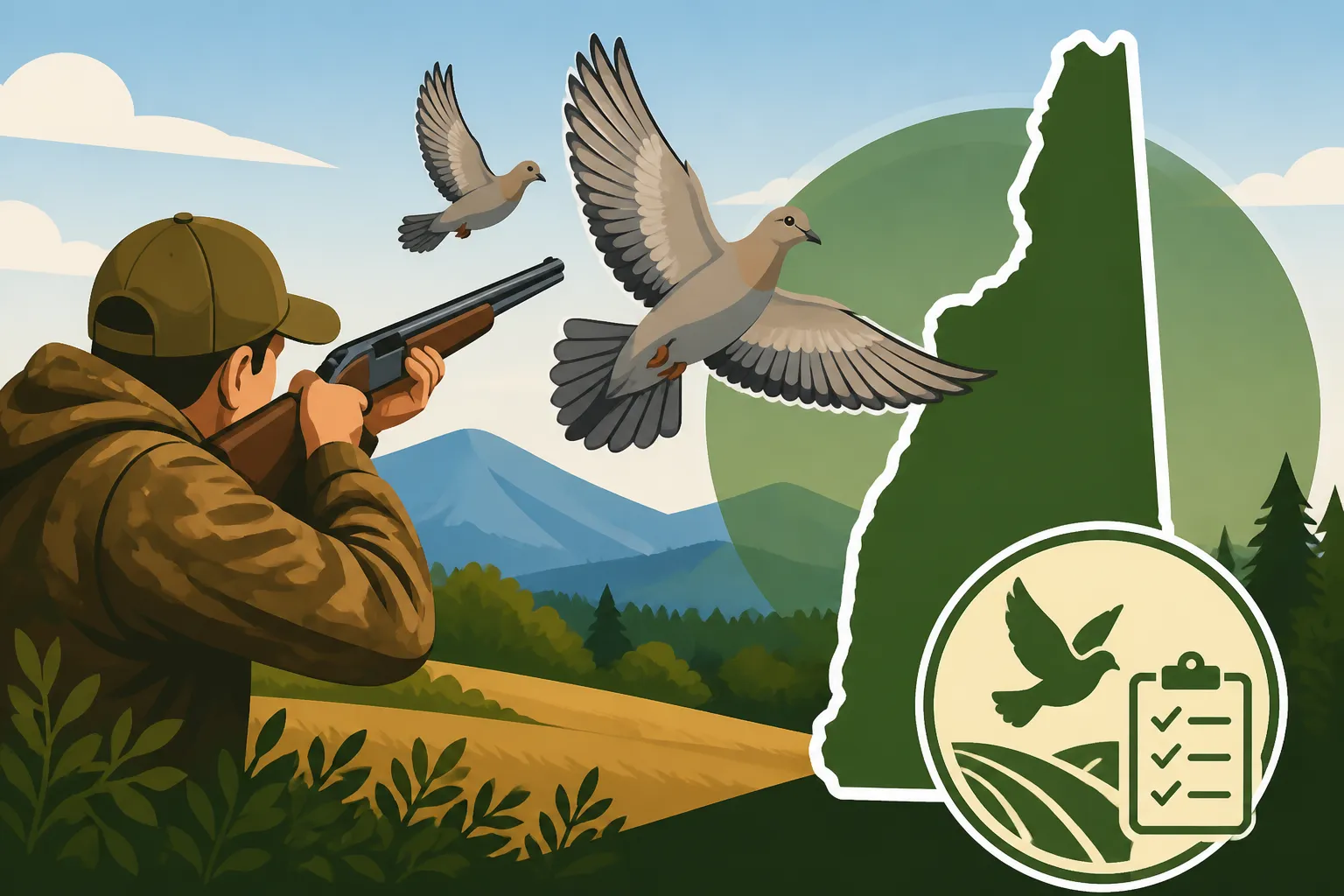
Hunting mourning doves in New Hampshire can be a fantastic way to kick off the fall hunting season, offering fast-paced action and a challenging wing-shooting experience. However, navigating the specific rules and, more importantly, finding those coveted public dove fields can feel a bit like searching for a needle in a haystack for many hunters. This comprehensive guide is designed to cut through the confusion, outlining the regulations, identifying potential public access points, and sharing practical advice to help you enjoy successful dove hunts here in the Granite State.
Understanding New Hampshire's Mourning Dove Season
Before you even think about loading up your shotgun, it’s crucial to understand the regulatory framework surrounding mourning dove hunting in New Hampshire. Doves are migratory birds, which means their management falls under federal guidelines established by the U.S. Fish and Wildlife Service, which are then implemented by the New Hampshire Fish and Game Department. This dual layer of regulation is essential to grasp.
Migratory Bird Basics and NH's Place
New Hampshire sits squarely in the Atlantic Flyway, a major migratory route for countless bird species, including mourning doves. While doves aren't typically thought of with the same migration fanfare as ducks or geese, they do undergo seasonal movements that bring them through or establish resident populations in various parts of the state. The season generally opens in early September, offering a warm-weather opportunity before the chill of October and November sets in for deer and other game. This early start makes dove hunting a unique offering, bridging the gap between summer and the full swing of fall hunts.
It's important to recognize that while NH has a robust hunting tradition, dedicated, planted "dove fields" like those found in some southern states are not as ubiquitous. Often, dove hunting here involves scouting specific areas on public lands that happen to have suitable habitat or food sources.
Essential Licenses and Certifications
To hunt mourning doves in New Hampshire, you'll need more than just a good eye and a steady hand. First and foremost, you must possess a valid New Hampshire hunting license. This is your base ticket to participate in any hunting activity in the state. If you’re unsure about the options or costs, our guide on New Hampshire Hunting Licenses and What They Cost breaks down everything you need to know.
Beyond the general hunting license, migratory bird hunters, including those pursuing doves, are required to register with the Harvest Information Program (HIP). This is a federal requirement, and it’s free to do so through the NH Fish and Game licensing system. When you buy your license online or at a vendor, you'll be prompted to answer a few questions about your previous year's migratory bird harvest. This data is vital for wildlife managers to track populations and set future seasons. Unlike waterfowl, a federal duck stamp is not required for mourning dove hunting. However, many hunters carry one if they plan to combine their dove hunt with other migratory bird pursuits. If you are new to hunting, remember that New Hampshire Hunter Education Requirements are mandatory before obtaining your first license.
Key Regulations and Restrictions
Understanding the specific rules for dove hunting will prevent accidental violations. Here are the core regulations:
- Season Dates and Bag Limits: Mourning dove season typically opens in early September and runs for a period, sometimes with a split season later in the fall. The daily bag limit is generally 15 doves, with a possession limit of 45. Always check the current NH Fish and Game hunting digest for the most up-to-date dates and limits, as these can change annually based on federal frameworks.
- Shooting Hours: Legal shooting hours for doves are generally one-half hour before sunrise to sunset. This means those prime morning and evening flights are fair game.
- Weapon Restrictions: You may only use a shotgun no larger than 10-gauge. The shotgun must be plugged or incapable of holding more than three shells in the magazine and chamber combined. This is a federal migratory bird regulation and applies universally. While non-toxic shot is not legally required for doves (as it is for waterfowl), it is increasingly encouraged, especially when hunting near water or in areas where spent shot might accumulate.
- Baiting: It is strictly illegal to hunt doves over any area that has been baited with grain, salt, or other feeds. This includes fields where grain has been scattered or placed specifically to attract birds. Normal agricultural practices, however, are perfectly legal. For example, hunting over a recently harvested cornfield or a cut sunflower field where the crops were grown and harvested in a normal agricultural manner is permitted. Understanding the nuance here is critical; intentional baiting is a serious offense.
Navigating Public Dove Hunting Areas in New Hampshire
New Hampshire may not be famous for vast public dove fields, but opportunities certainly exist for those willing to scout and understand where doves naturally congregate. Success often hinges on identifying the right habitat and knowing the specific access rules for various public lands.
Identifying Potential Public Fields and Habitat
Doves are creatures of habit and food. They are primarily grain and seed eaters, so focus your scouting efforts on areas with an abundance of these resources. Look for:
- Agricultural Fields: Especially those recently harvested corn, wheat, oat, or sunflower fields. Doves will feed on spilled grain. Even small, less intensively farmed plots can be goldmines.
- Power Lines and Utility Corridors: Doves often use power lines as perching points before dropping down to feed. These corridors are also frequently managed to prevent tree growth, creating open, brushy areas where seed-producing plants thrive.
- Gravel Roads and Bare Ground: Doves consume grit (small stones) to aid digestion, so they are often found on gravel roads, field edges, or other bare patches of ground.
- Water Sources: Doves need to drink, especially in early season warmth. Ponds, slow-moving streams, and even puddles can be congregation points, particularly in the late afternoon.
- Open Woodlands and Edges: Areas where woodlands transition into open fields, especially those with pine stands, offer excellent roosting and loafing cover.
A helpful tool like the GoHunt app or other mapping software can be invaluable here. Use satellite imagery to identify agricultural fields, power lines, and open areas adjacent to cover. This can significantly reduce your "boots on the ground" scouting time, helping you pinpoint promising areas before you even leave home.
Specific Wildlife Management Areas (WMAs) with Dove Potential
New Hampshire Fish and Game manages several Wildlife Management Areas (WMAs) throughout the state, some of which actively manage habitats to benefit a variety of wildlife, including doves. While not all WMAs are prime dove habitat, some have specific features that make them attractive.
- Powwow River WMA (East Kingston): This WMA is often cited for its habitat diversity, and in some years, NH Fish and Game has actively planted sunflower or millet plots specifically to attract doves and other game birds. These managed fields can be excellent public options.
- Bellamy River WMA (Dover): Similar to Powwow River, Bellamy River offers a mix of habitat types, and agricultural practices or food plots managed by Fish and Game could draw doves.
- Pawtuckaway State Park (Nottingham): While primarily known for its recreational opportunities, Pawtuckaway has extensive public hunting areas. Look for old agricultural fields or managed openings within the park that might hold doves.
When considering hunting a WMA, always check the specific WMA regulations, as some may have unique rules regarding vehicle access, blinds, or even specific hunting zones. You can usually find this information on the NH Fish and Game website or by contacting the regional biologist. Our guide on New Hampshire Wildlife Management Areas offers more general insights into hunting these crucial public lands.
Accessing State Forests and Other Public Lands
Beyond WMAs, New Hampshire boasts numerous State Forests and other parcels of public land where hunting is permitted. While these areas are less likely to have actively managed dove fields, they can still offer opportunities if the habitat is right.
- Logging Operations: Recent logging cuts often open up the canopy, promoting the growth of early successional plants that produce abundant seeds, which doves relish.
- Old Homesteads/Abandoned Farms: Look for overgrown fields or fruit trees on state forests, remnants of past human activity. These areas can be surprisingly productive.
- Power Line Easements: Many utility corridors traverse state forests, offering long, open stretches that doves will use.
Remember, when hunting on any state land, general hunting regulations apply. Blaze orange is often a good idea, even when not legally required for migratory birds, especially during concurrent firearms seasons for other game. Be aware of private property boundaries, and if you're ever in doubt about access, consult a detailed map like those offered by GoHunt, or contact the NH Fish and Game Department directly. For broader advice on utilizing public spaces, consider our piece on Public Hunting Land in New Hampshire.
Tactics and Equipment for Public Land Dove Success
Dove hunting is a fast and fun sport, but it's far from mindless. Employing smart tactics and having the right gear will drastically improve your chances of filling your limit.
Scouting for Productive Fields and Flight Paths
Successful dove hunting on public land starts well before opening day. Effective scouting is paramount.
- Pre-Season Reconnaissance: Drive or walk potential public areas a week or two before the season. Look for doves feeding in fields, sitting on power lines, or flying between roosting and feeding areas. Pay attention to their flight paths—doves are creatures of habit and will often use the same routes day after day. Identifying these "flyways" is key. Our guide on Scouting New Hampshire Public Land Before Season provides excellent general strategies that apply well to dove hunting.
- Observe Feeding and Roosting: Early mornings will show where doves are feeding. Late afternoons will reveal their flight patterns to water sources and evening roosts, which are often in stands of pine or other evergreens.
- Weather Impact: Doves are less active in cold, rainy weather. Sunny, warm days, especially after a cool night, can create excellent morning flights as birds seek out warming areas and food.
Effective Field Setups and Decoy Strategies
Once you've identified a promising public field or flyway, your setup is crucial. Doves have excellent eyesight and can be wary.
- Concealment: A simple ground blind, or even just sitting against a fence line or dense shrubbery, can provide enough concealment. Blend into the background. Wear camouflage that matches the field and surrounding cover. For more on this, check out Using a Ground Blind on Public Land.
- Decoys: Doves are social birds, and decoys can be incredibly effective. Place decoys on the ground in open spots where doves would naturally feed, or on a fence line or dead tree to simulate perching birds. Motion decoys, like spinning-wing doves (e.g., Mojo Dove), can be deadly, catching their eye from a distance. A spread of a dozen decoys or more can be highly effective. While focused on waterfowl, many principles in Calls and Decoys for New Hampshire Waterfowl can be adapted.
- Positioning: Position yourself to have the sun at your back if possible, making it harder for doves to see you and easier for you to see them. Also, try to position yourself where doves will be flying into the wind as they approach, which slows them down slightly and makes for an easier shot.
Shotgun and Ammunition Considerations
Dove hunting is generally done with lighter loads and smaller shot sizes.
- Shotgun Gauge: 12-gauge and 20-gauge shotguns are the most popular choices. A lighter 20-gauge can be less fatiguing for a day of shooting, especially if you're taking many shots.
- Choke: Modified or Improved Cylinder chokes are common. Doves are small and fast, and you want a wide enough pattern to connect, but tight enough to be effective at reasonable ranges.
- Ammunition: #7.5, #8, or even #9 shot are ideal for doves. These smaller pellets offer a dense pattern to bring down these agile birds. Make sure you have plenty of shells – it's common to go through several boxes in a good hunt! Remember the three-shell limit for your shotgun.
Etiquette and Safety on Shared Public Lands
Hunting on public land means sharing the space with other hunters, hikers, and outdoor enthusiasts. Good etiquette and strict adherence to safety protocols are non-negotiable.
Respecting Other Hunters and Land Users
Public land is for everyone. Be mindful and courteous.
- Space: If you arrive at a public field and see another hunter already set up, find another spot. Don't crowd them or set up so close that you might interfere with their hunt or pose a safety risk. A general rule of thumb is to give at least a few hundred yards of space, or even more if the field allows.
- Communication: If you must cross through an area where another hunter is, make your presence known clearly and safely. A simple, "Good morning, just passing through," is far better than startling someone.
- Cleanup: Leave no trace. Pick up all your spent shell casings, any trash, and any stray fishing line or materials. We all have a responsibility to keep our public lands clean.
- No Sunday Hunting: Remember that Sunday hunting is prohibited in New Hampshire, including for doves. Always verify current regulations.
Prioritizing Safety in the Field
Safety is paramount, especially with fast-moving birds and multiple hunters.
- Blaze Orange (Recommended): While not legally mandated for migratory bird hunting, wearing blaze orange or blaze pink is a smart choice on public land, especially if other hunting seasons (like archery or small game) are open concurrently. It dramatically increases your visibility to other hunters. Check the latest on New Hampshire Blaze Orange Requirements for specific mandates.
- Zone of Fire: Always know where your fellow hunters are and maintain a safe zone of fire. Only shoot at birds that are well within your safe shooting lane and clearly past other hunters or obstacles. Never swing your gun toward another person.
- Backdrop: Be aware of your backdrop. Never shoot at low-flying birds if there are houses, roads, or other people or livestock behind them.
- Gun Safety: Treat every firearm as if it's loaded. Keep the muzzle pointed in a safe direction. Keep your finger off the trigger until you're ready to shoot. Always be certain of your target and what is beyond it.
- Alcohol/Drugs: Never consume alcohol or drugs before or during a hunt.
Mourning dove hunting offers a unique and thrilling challenge in New Hampshire's outdoors. By understanding the rules, diligently scouting public lands, utilizing effective tactics, and always prioritizing safety and etiquette, you can look forward to many memorable hunts for these speedy flyers.
Disclaimer
Please note: Hunting regulations and laws are subject to change. Always consult the most current New Hampshire Fish and Game Department hunting digest or website for the precise, up-to-date rules, season dates, and bag limits before heading afield. This guide is for informational purposes only and should not be considered a substitute for official legal documentation.