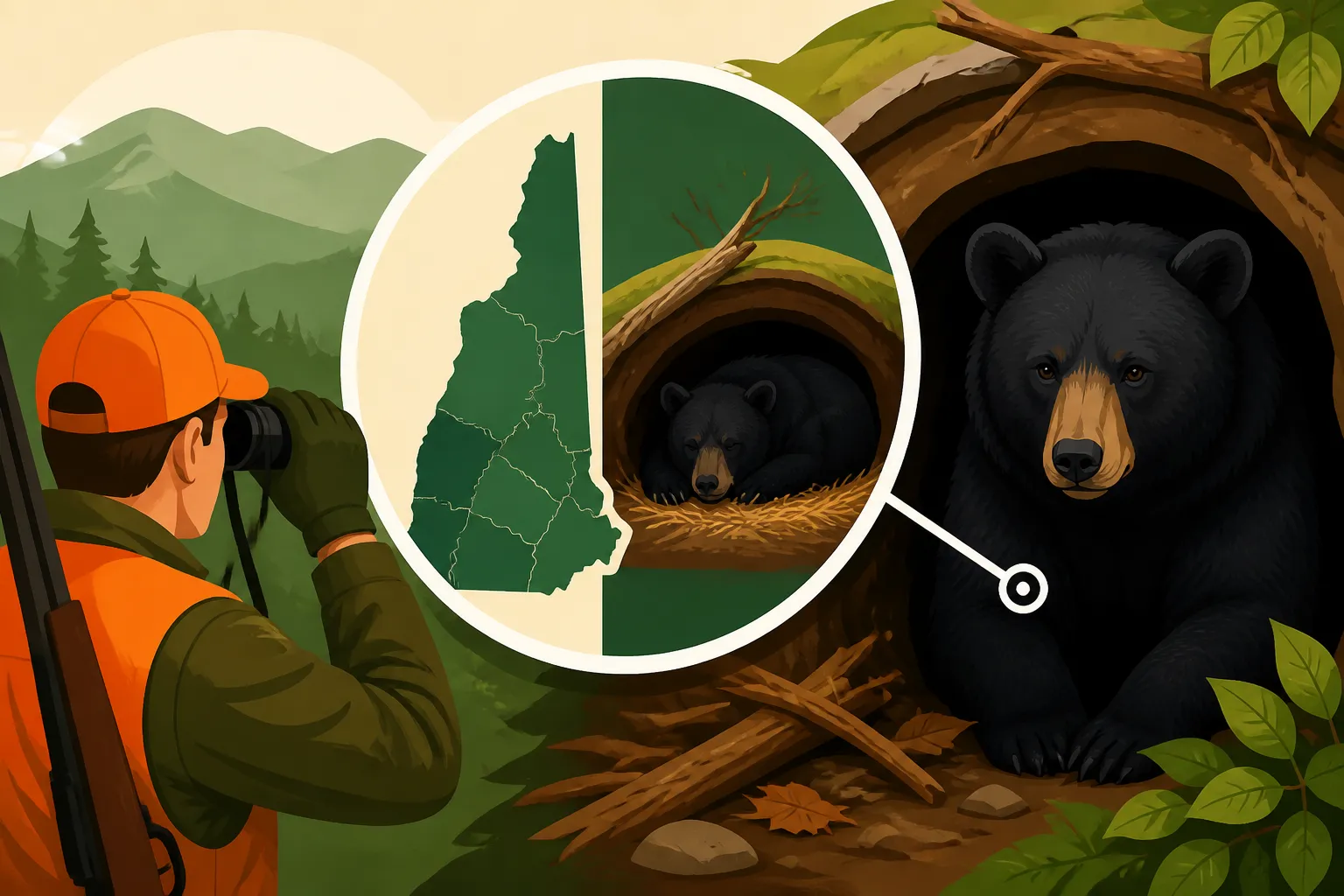
New Hampshire Bear Den Study Findings
We all love seeing those big black bears roaming New Hampshire, and for many of us, chasing them through the woods is a highlight of the hunting season. But beyond the thrill, have you ever wondered how our wildlife biologists really know what’s going on with the bear population? Understanding the findings from New Hampshire's bear den studies gives us invaluable insight into their health, reproductive success, and how their world is changing, and this guide will unpack just what those studies reveal.
The Science Behind New Hampshire's Bear Den Studies
It’s easy to think of bears as these elusive creatures, always on the move, hard to pin down. But for a few crucial months each year, they offer a unique window into their lives: denning season. This period, when bears retreat into their winter homes, is absolutely critical for our state’s wildlife biologists to gather the kind of data that simply isn’t possible at any other time. It allows them to conduct essential health checks and gather reproductive information without undue stress to the animals.
Why Wildlife Biologists Track Denning Bears
Imagine trying to get accurate health and population data on a wide-ranging, often solitary animal that spends half its life in dense cover. It’s nearly impossible to do it comprehensively during the active months. That’s where den studies come in. By carefully locating and accessing dens, biologists can assess the health of individual bears, especially sows, and most importantly, document the number and condition of their cubs. This isn’t just about counting; it’s about understanding the nuances of their survival and reproduction. Without this focused effort, predicting future population trends would be largely guesswork.
For us hunters, this scientific rigor is a big deal. We want healthy, sustainable populations to hunt for generations to come. The data gleaned from these studies directly informs the New Hampshire Fish and Game Department's decisions on season lengths, bag limits, and specific regulations like those outlined in the New Hampshire's WMU-Specific Bear Season. Knowing how many cubs a sow is successfully rearing and how well they’re surviving their first winter is paramount. It ensures that our hunting opportunities are based on solid, current scientific understanding, maintaining that delicate balance between sport and conservation.
It's a testament to our state's commitment to wildlife that this kind of detailed research is undertaken. It goes beyond anecdotal sightings and really digs into the physiological health of the animals. This level of insight helps answer questions about the overall well-being of the species, ensuring the New Hampshire Bear Population Estimate is as accurate as possible and that management strategies are effective.
Methods and Technology Used in Den Studies
Locating a bear den isn't like finding a needle in a haystack; it's more like finding a needle that purposefully hides itself deep inside a very large haystack. Typically, biologists rely on previously collared sows. These bears are fitted with radio or GPS collars during other research efforts, allowing their movements to be tracked. When a collared sow settles into a den for the winter, her activity pattern changes, signaling to the biologists that it's time for a den visit. The team then treks into often remote and rugged terrain to pinpoint the den's exact location.
Once a den is located, the process requires extreme care and expertise. The sow is chemically immobilized using a dart gun, a procedure performed by highly trained professionals to ensure the bear's safety and the team's. This allows the biologists to enter the den and work without disturbing or endangering the bears. This critical window of opportunity is used to gather a wealth of information. The sow is weighed, measured, and given a thorough physical examination, including checking for injuries, parasites, and overall body condition.
The most exciting part, of course, is examining the cubs. Born blind and helpless in the den, they are incredibly vulnerable. Biologists gently remove them, weigh them, measure them, and often tag them with small ear tags or microchips for future identification. This individual data is meticulously recorded, building a long-term profile for each bear. Modern technology, like GPS collars, continues to enhance these studies, providing detailed movement data throughout the active seasons, which can sometimes even be viewed with mapping tools like GoHunt, giving a richer understanding of habitat use and travel corridors even before the denning period begins.
Unpacking Key Findings: What the Dens Reveal
The information gathered from New Hampshire's bear den studies is like a detailed annual report on the health and vitality of our black bear population. It helps us understand not just how many bears are out there, but how well they're thriving. Every piece of data, from cub count to den location, tells a story crucial for sound wildlife management.
Reproductive Success and Cub Survival Rates
One of the primary focuses of den studies is understanding reproductive success. Biologists meticulously record the number of cubs present in each den. Typically, New Hampshire black bear sows will have litters ranging from one to four cubs, with two or three being the most common. The size of the litter often correlates with the sow's age, her overall health, and the availability of food resources in the preceding year. A younger sow might have a single cub, while a mature, healthy sow might successfully birth and raise three or even four. These direct observations are invaluable, providing definitive proof of successful reproduction.
Beyond simply counting cubs, the studies track their survival through their critical first winter. Cubs are born tiny and vulnerable, relying entirely on their mother's milk and the protection of the den. The den's insulation and the sow's body heat are crucial for their survival in the cold Granite State winter. Biologists assess the health and vigor of these cubs, which gives them a real-time indicator of the population's future. If cubs are born late in the denning cycle or if the sow's condition is poor, their chances of survival into spring can diminish.
Consistent monitoring of these reproductive factors over many years allows biologists to identify significant trends. Are cub survival rates declining due to environmental pressures, or are they robust, signaling a healthy and expanding population? This long-term data helps explain phenomena like How New Hampshire's Bear Population Grew steadily over recent decades. This information is vital for adjusting hunting seasons and quotas to ensure the population remains strong, a prime example of which is the consideration of factors when setting the New Hampshire Bear Harvest Numbers by Method.
Denning Habits and Habitat Preferences
Black bears in New Hampshire are quite adaptable when it comes to choosing their winter quarters. Den studies have revealed a fascinating variety of den types used across the state. They aren't picky; bears will utilize anything that offers protection from the elements and a sense of security. Common den structures include brush piles, which can offer surprising warmth and concealment, rock crevices or small caves, hollow logs or trees, and often, shallow excavations dug into the ground, frequently under the root systems of fallen trees. The specific choice often depends on what natural features are most readily available and provide the best insulation.
Biologists also meticulously record the habitat surrounding each den. This includes factors like forest type (softwood, hardwood, mixed), elevation, proximity to water sources, and slope aspect. For instance, dens might be more concentrated in dense softwood swamps or thick stands of mature conifers, which offer superior cover and thermal protection during the harsh New Hampshire winters. Understanding these specific habitat preferences is crucial for conservation efforts, ensuring that key denning areas, which are essentially nurseries for the next generation of bears, are identified and protected from disturbance or development.
While hunters aren't looking to disturb dens, knowing the general preferences can offer valuable insights for scouting. If bears consistently choose dense, remote softwood stands for denning, it suggests these areas are considered high-security zones by bears year-round. This information, combined with detailed maps and resources like GoHunt, can help hunters narrow down potential areas for Scouting New Hampshire Public Land Before Season during active months, focusing on similar habitat types that offer dense cover and quiet seclusion.
Understanding Bear Health and Disease
Beyond reproduction, den visits provide an unparalleled opportunity for a comprehensive health assessment of New Hampshire's black bears. During immobilization, biologists perform a thorough examination, which includes checking for external parasites, assessing any injuries, and looking for signs of disease. Blood and tissue samples are routinely collected. These samples offer a treasure trove of information, providing insights into the bear's physiological condition, dietary history, and exposure to various environmental factors, including potential contaminants or pathogens.
Disease monitoring is a critical component of these studies. While much public attention regarding wildlife disease in New Hampshire focuses on the important New Hampshire's CWD Prevention Rules for deer, monitoring for other diseases in the bear population is equally vital. Den studies are one of the best methods for early detection of potential health issues that could have broader impacts on the bear population or even other wildlife species. An outbreak of a novel disease or an increase in a known parasite could signal a shift in the ecosystem's health.
Furthermore, observations made during den visits can sometimes point to wider ecological concerns. For example, if biologists consistently find sows in poor body condition or cubs that are unusually small and unhealthy, it could indicate broader problems like poor mast crop years across the region or a significant degradation of habitat quality. These direct observations act as an early warning system, prompting further investigation into environmental changes that might be impacting the entire bear population.
Translating Science into Management and Hunting Strategy
The intensive work done during bear den studies doesn't just sit in a scientific journal; it directly influences how New Hampshire manages its black bear population. For hunters, this translates into the regulations that define our seasons and, indirectly, into better strategies for pursuing these magnificent animals.
Informing Bear Season Dates and Bag Limits
The data collected during den studies—especially the details about cub production, cub survival rates, and the overall health of the breeding sows—is absolutely foundational to the New Hampshire Fish and Game Department's decisions regarding bear hunting regulations. It’s not a guessing game; it’s a science-backed approach. If den studies show a thriving population with strong reproductive success, the department might feel confident maintaining or even adjusting season lengths or available tags. Conversely, if there were signs of stress or declining cub survival, more conservative measures could be implemented to protect the population.
The ultimate goal of wildlife management in New Hampshire is to ensure sustainable hunting opportunities. By accurately understanding the bear population's health and growth trajectory, biologists can make informed recommendations for harvest quotas and season structures. This ensures that the number of bears taken by hunters, whether through traditional methods or Bear Hunting New Hampshire's Bait and Hound Season, remains within limits that allow the population to not only sustain itself but to continue to thrive.
It’s a perpetual balancing act: providing rewarding hunting experiences while guaranteeing a robust future for the species. The scientific insights from den studies are a cornerstone of this delicate balance, directly influencing specific details such as the opening and closing dates found in the New Hampshire Bear Season Dates by WMU and the overarching New Hampshire Bear Bag Limit. Hunters need to make sure they are always aware of these nuances by regularly Checking the Hunting Digest for Your WMU's Bear Dates.
Implications for Hunter Success and Public Land Tactics
While biologists keep specific den locations confidential to protect the bears, the general knowledge gained from these studies about bear behavior, habitat preferences, and seasonal movements can indirectly sharpen a hunter's edge. Knowing the types of cover bears prefer for denning, for instance, offers clues about where they might seek security and seclusion during the active months. These are often areas that offer dense, hard-to-access cover.
Understanding how a sow's reproductive cycle influences her movements is also key. Sows with young cubs tend to be more secretive and stick to denser cover, avoiding open areas where they might encounter threats. This kind of behavioral insight, derived from long-term tracking and den observations, can help hunters anticipate bear concentrations at different times of the year. When you're using a mapping application like GoHunt to analyze terrain and potential bedding areas, keep these behavioral patterns in mind to refine your search.
Furthermore, the studies indirectly reinforce critical ethical hunting considerations. Knowing the importance of cub survival underscores the need for hunters to be absolutely certain of their target, particularly when it comes to identifying a solitary bear versus a sow with dependent cubs. Responsible hunting, including the skill of Judging a Legal Bear From a Sow With Cubs, is paramount to supporting the long-term health and public perception of bear hunting.
The Role of Hunter Data in Ongoing Research
Hunters contribute far more to bear management than just regulated harvest. The data collected at mandatory bear check stations across the state provides another crucial layer of information that complements the intensive den studies. When you register your bear, details like the sex, weight, and often a tooth for aging are collected. This collective data helps paint a broader picture of the bear population across different regions and age classes.
Biologists frequently compare the findings from den studies with this harvest data. For example, if den studies indicate high cub production and good cub survival, but the harvest data shows a decline in younger age-class bears being taken, it might prompt questions about higher juvenile mortality from other causes or shifts in hunting pressure. This cross-referencing between different data streams leads to more accurate and refined management strategies. It’s a powerful example of how science and hunting go hand-in-hand.
Many hunters are also incredibly keen observers of wildlife, spending countless hours in the woods. While not part of a formal study, reporting significant or unusual bear sightings to New Hampshire Fish and Game—such as a sow with an exceptionally large litter of cubs, or bears exhibiting unusual behavior—can sometimes provide valuable anecdotal information that helps fill in gaps or prompt further investigation. This informal "citizen science" can be incredibly helpful in monitoring a species as dynamic as the black bear.
Looking Ahead: The Future of Bear Management in the Granite State
The future of New Hampshire’s black bear population is a dynamic story, constantly influenced by environmental shifts, human activity, and ongoing research. The insights from bear den studies will continue to be absolutely indispensable in navigating these changes and ensuring a thriving bear population for generations.
Adapting to Changing Habitats and Climate
New Hampshire’s landscape is not static; it’s a living, breathing entity undergoing constant transformation. Forest succession, the pressures of development, and shifting climate patterns all play a significant role in shaping bear habitat quality, the availability of crucial food sources, and ultimately, denning success. As our forests change and human development expands into traditional bear territories, den studies will remain a vital tool for tracking how bears adapt to these evolving conditions. Are they altering their denning preferences? Are they having to travel further for food?
A critical factor for bear survival and reproduction is the abundance of mast crops—think acorns, beechnuts, and other hard fruits. These natural food sources are essential for bears to pack on enough fat reserves to sustain them through the long winter denning period. However, unpredictable weather patterns, driven by a changing climate, can lead to highly variable mast years. One year might be a boom, the next a bust. Ongoing den studies will be key to understanding the direct consequences of these fluctuations on a sow's ability to produce and successfully raise healthy cubs.
The continuity of these studies over decades provides an invaluable historical baseline. This long-term dataset allows biologists to differentiate between natural population cycles and more concerning trends caused by human-induced habitat changes or broader climatic shifts. This deep understanding empowers proactive conservation and management efforts, rather than simply reacting to problems after they emerge.
Collaborative Efforts for Bear Conservation
Managing a robust wildlife population like New Hampshire’s black bears is rarely an isolated state effort. Bears don't carry maps or respect political boundaries, often traversing state lines. Therefore, New Hampshire frequently collaborates with neighboring states and federal agencies on regional bear research and management initiatives. This broader, collaborative perspective enhances our collective understanding of regional bear populations and ensures that management strategies are coordinated and effective across larger landscapes.
Public education and understanding are also paramount for successful bear conservation. As New Hampshire's Bear Population Keeps Growing and occasionally expands its range into more populated areas, the potential for human-bear conflicts increases. Efforts to educate the public on practices like proper food storage, securing garbage, and responsible backyard bird feeding are essential for minimizing these conflicts and fostering coexistence. Informed citizens are critical partners in ensuring the long-term success of bear management.
Ultimately, the rigorous scientific data derived from bear den studies remains a cornerstone of New Hampshire's unwavering commitment to maintaining healthy, sustainable bear populations. This scientific foundation ensures that both current and future generations of hunters, wildlife enthusiasts, and residents will continue to have the opportunity to appreciate and coexist with these incredible creatures in the majestic Granite State. We all benefit from this dedication to sound science and thoughtful stewardship.
Bear Den Study Observations Table
| Observation Category | Key Data Point | Significance |
|---|---|---|
| Litter Size | 1-4 cubs (average 2-3) | Direct indicator of reproductive health and food availability in the previous year. |
| Cub Survival | High (if sow is healthy and den secure) | Crucial for predicting future population growth and recruitment. |
| Den Type | Brush pile, hollow log, rock crevice, excavated pit | Provides insight into preferred habitat use, security, and adaptability to available cover. |
| Sow Condition | Body fat score, parasite load, injuries | Reflects overall health, foraging success, and ability to sustain cubs through winter. |
| Denning Period | Typically November/December to April | Timing influences cub development and survival; can be impacted by weather and food availability. |
| Cub Sex Ratio | Generally 1:1 male to female | Helps understand population demographics and potential future breeding dynamics. |
Disclaimer
This article is for general informational purposes only and does not constitute professional advice. Laws, prices and regulations vary by location and change over time. Consult a qualified professional for guidance on your specific situation.