Why New Hampshire’s Bear Population Keeps Growing
If you've spent any time hunting or recreating in the New Hampshire woods, you've probably noticed it: bear sightings seem to be on the rise, and it feels like their numbers are steadily climbing. This isn't just a feeling; it's a reality backed by wildlife observations, and it can certainly make you wonder what's driving this trend. This guide will dive deep into the fascinating reasons behind New Hampshire's growing black bear population, exploring the ecological, environmental, and management factors at play.
Understanding the Bear's Resilience: A Success Story
Black bears, once relegated to the deepest, most remote corners of New Hampshire, have made an incredible comeback. It's a testament to their adaptability and to the success of conservation efforts. For many years, hunting regulations were less refined, and habitat was fragmented. But over time, with a better understanding of bear ecology and more thoughtful management, these incredible animals have truly thrived, expanding their range and density across the state. This success story is built on several interconnected pillars, from legislative protection to the very nature of the bear itself.
Historical Perspective on Bear Numbers
It wasn't always this way. Decades ago, bears were far less common throughout much of New Hampshire, particularly in the more developed southern regions. Their presence was largely confined to the vast, unbroken forests of the North Country and White Mountains. They were often viewed more as a wilderness trophy than a common forest resident. Changing land use patterns, coupled with unregulated hunting pressure in earlier centuries, pushed their numbers down considerably. There was a time when simply seeing a bear was a rare event, a true highlight of a deep woods trek.
The Bear's Natural Adaptability
One of the most remarkable aspects of the black bear is its incredible adaptability. Unlike some other species that require very specific habitats or food sources, black bears are omnivores and masters of survival. They can thrive in a variety of forest types, from dense softwoods to mixed hardwoods, and are adept at utilizing whatever food resources are available. This includes everything from berries and nuts to insects, carrion, and even human-associated foods. Their ability to switch diets seasonally and exploit new food opportunities is a huge factor in their population growth and expansion into areas where they haven't been seen in generations. This resilience has allowed them to bounce back even when conditions weren't perfect.
Habitat Regeneration and Forest Management
One of the most significant factors in the resurgence of black bears in New Hampshire is the changing landscape itself. As the state's agricultural economy waned in the late 19th and early 20th centuries, many abandoned farms and pastures slowly began to revert to forest. This process, known as forest succession, has created vast tracts of new, dense woodland, providing ideal habitat for bears.
The Return of the Forest
Imagine walking through what was once an open field, now a young, thriving forest. That's essentially what has happened across much of New Hampshire. For a bear, this returning forest means more than just trees; it means cover for denning, travel corridors between feeding areas, and a richer diversity of food sources. The regrowth provides a mosaic of thickets for security and areas of mature mast-producing trees. This widespread reforestation has effectively expanded the bear's potential range and increased the carrying capacity of the land. It’s like the forest has put out a welcome mat, slowly but surely, across the state.
Intelligent Forest Practices
Modern forest management practices, both on public and private lands, also play a crucial role. While we might not think of timber harvests as "bear friendly," selective logging, clear-cuts (of appropriate size and location), and responsible silviculture can actually enhance bear habitat. For example, younger forests that regenerate after a cut often produce an abundance of berries and other soft mast that bears absolutely feast on. These areas also provide dense cover where sows can safely raise their cubs. Meanwhile, adjacent mature forests provide the larger nut-bearing trees and denning sites. This balance, when managed correctly, creates a diverse habitat structure that benefits bears, offering both food and shelter in close proximity. Tools like those found on GoHunt can help hunters and land managers visualize these habitat changes and predict bear movements.
Abundant Food Sources
Let's be honest: a healthy population needs a healthy food supply. Black bears are opportunistic omnivores, meaning they'll eat just about anything, and New Hampshire provides a smorgasbord, both natural and, well, less natural.
Natural Forage Riches
New Hampshire's forests are incredibly generous when it comes to natural bear food. From the early spring greens and succulent roots to the bounty of summer berries – raspberries, blueberries, blackberries – and the critical fall mast crops like acorns and beechnuts, there's often a continuous supply of high-energy foods. A good mast year, especially for beechnuts, can lead to incredible cub survival rates and larger, healthier sows who are more likely to have bigger litters. These natural cycles directly influence how many cubs survive to adulthood and how quickly the population can expand. Hunters often keep an eye on mast crop forecasts, understanding that a strong acorn year often translates to fatter, more numerous bears in the woods.
Human-Provided Food: A Double-Edged Sword
This is where things get a little complicated, and it’s a big part of why bears are seen more frequently in areas closer to human habitation. Trash, bird feeders, pet food, compost piles, and even agricultural crops can become irresistible food sources for bears. While we might not intend to feed them, these easily accessible calories supplement their natural diet, especially in years when natural mast crops are poor.
This supplemental feeding means bears spend less energy foraging in the deep woods and can often sustain larger populations in areas with human development. It also means sows can raise more cubs, and those cubs are more likely to survive their first critical year. This consistent, high-calorie food source allows bears to reach reproductive maturity faster and produce larger, healthier litters more frequently. It's a significant driver of population growth, but it also leads to conflicts, which is a frustration many landowners experience.
| Factor | Description | Impact on Bear Population |
|---|---|---|
| Forest Regeneration | Abandoned farmlands reverting to dense woodlands. | Increases available habitat and cover. |
| Intelligent Forest Practices | Selective logging and clear-cuts (when managed). | Creates diverse habitat, promotes berry growth. |
| Abundant Natural Mast | Healthy crops of acorns, beechnuts, berries. | Provides critical high-calorie food, boosts cub survival. |
| Human-Provided Food | Trash, bird feeders, pet food, agriculture. | Supplements diet, reduces foraging effort, increases cub survival and sow health. |
| Regulated Hunting | Managed harvest rates and season structures. | Controls population growth sustainably, but often below maximum growth potential. |
| Bear Adaptability | Omnivorous diet, ability to thrive in varied environments. | Allows bears to exploit new food/habitat, colonize new areas. |
| Low Predation | Few natural predators for adult black bears. | High survival rates for mature bears. |
Effective Wildlife Management and Conservation
New Hampshire Fish and Game Department plays a critical role in monitoring and managing the state's bear population. Their strategies are designed to maintain a healthy and sustainable bear population while also addressing human-bear conflicts. This balance is key to understanding the upward trend in bear numbers.
Regulated Hunting Seasons
Contrary to what some might assume, regulated hunting is a vital tool for wildlife management that helps maintain healthy populations. New Hampshire has a well-structured bear hunting season, often including both baiting and hound seasons, as well as an open firearms season. While hunters take a significant number of bears each year, these harvest rates are carefully calculated to prevent overharvesting while still managing population growth and distribution.
The goal isn't to eliminate bears but to keep their numbers within ecological and social carrying capacities. If hunting efforts were to drastically decrease, the bear population would likely grow even faster, potentially leading to more widespread conflicts and a less healthy overall population due to increased competition for resources. Understanding the dynamics of New Hampshire's WMU-Specific Bear Season is crucial for hunters looking to participate responsibly.
Conservation Efforts and Research
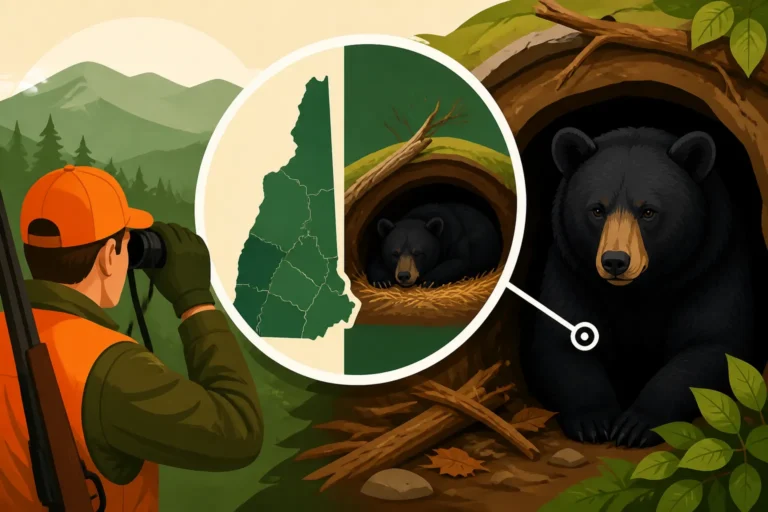
Beyond hunting regulations, the Fish and Game Department actively monitors bear populations through various research methods, including den studies, ear tagging, and analyzing harvest data. This data helps them understand reproduction rates, cub survival, movements, and overall population health. Insights from studies like the New Hampshire Bear Den Study Findings inform management decisions, ensuring that regulations are based on sound science.
Conservation also involves public education campaigns focused on reducing human-bear conflicts. Teaching residents how to secure attractants, properly store trash, and remove bird feeders during active bear seasons directly contributes to bears' ability to thrive by minimizing negative interactions and the need for relocation or euthanasia. This proactive approach helps create an environment where both humans and bears can coexist more peacefully.
Low Predation and High Reproductive Rates
Another biological factor contributing to the bear population's upward trajectory is the species' inherent survival advantages within the New Hampshire ecosystem.
Few Natural Predators
Adult black bears in New Hampshire face very few natural predators. While cubs can occasionally fall victim to coyotes or other bears, mature black bears are apex predators in their environment. This lack of natural checks on the adult population means that once a bear reaches maturity, its chances of survival are quite high, assuming it avoids human-related mortality (like vehicle collisions or hunting). This stability in the adult population provides a strong foundation for continued growth, as healthy adult sows are key to reproduction. Knowing the New Hampshire Bear Population Estimate helps us understand the baseline health of the population.
Reproductive Potential
Black bears, particularly in areas with good food availability, have a relatively high reproductive rate. Sows typically start breeding around three to five years old and can produce litters every two years. Litters usually consist of two or three cubs, but sometimes even four. With improved food sources and ample habitat, more cubs are surviving to adulthood, adding to the reproductive pool. As mentioned earlier, robust natural mast crops and supplementary human foods contribute to healthier sows that are better able to conceive and successfully raise larger litters. This combination of high survival for adults and consistent, multi-cub litters means the population can expand quite rapidly when conditions are favorable.
For example, a healthy sow that produces three cubs every two years, and those cubs then go on to reproduce, quickly multiplies the number of bears in the population. Over several generations, this exponential growth is incredibly powerful, especially when adult mortality rates are low. This is a primary driver behind the consistent increase in How Many Black Bears Live in New Hampshire.
Expanding Range and Human-Bear Interactions
As the bear population grows and saturates traditional habitats, bears naturally begin to expand into new territories. This expansion often brings them into closer proximity with human settlements, leading to increased sightings and interactions.
Colonizing New Territories
Areas of New Hampshire that historically had very few, if any, bears are now seeing them regularly. This includes suburban fringes and even some more densely populated regions. Bears, especially young males looking for their own territories, will travel significant distances to find new, unoccupied habitat. As forests have regrown and food sources (including human-derived ones) have become more prevalent in these "new" areas, bears have successfully colonized them. It's a natural progression of a thriving population seeking new resources. Hunters using resources like GoHunt can often track these expansion patterns and better understand bear distribution.
Increased Human-Bear Conflicts
The downside of this success is the inevitable increase in human-bear conflicts. More bears in more places mean more encounters with bird feeders, trash cans, and residential areas. While most bears are naturally shy and prefer to avoid humans, a hungry bear that has learned to associate human dwellings with easy food can become bold. This leads to property damage, concerns for public safety, and calls to wildlife officials. This constant interaction also makes it seem like there are even more bears, because we're simply seeing them more often, even if the actual population growth isn't quite as dramatic as our perceived increase in sightings. Educating the public on how to minimize these conflicts is crucial for the long-term coexistence of bears and people in the Granite State.
Looking Ahead: Managing a Growing Population
New Hampshire's growing bear population is a conservation success story, but it's also an ongoing management challenge. The key is finding a sustainable balance.
The Role of Responsible Hunters
Hunters play a crucial role in managing the bear population. By participating in regulated hunting seasons, they help to control numbers, especially in areas where populations are high or where conflicts are common. This selective harvest ensures that the population remains healthy and vibrant, preventing overpopulation which can lead to disease, starvation, and more widespread human-bear conflicts. Learning about New Hampshire Bear Hunting Permit Requirements and understanding the New Hampshire Bear Bag Limit are important steps for responsible participation.
Coexistence is Key
Ultimately, the continued growth of New Hampshire's bear population hinges on our ability to coexist with these magnificent animals. This means continued vigilance in securing attractants, educating communities about bear-wise practices, and maintaining effective wildlife management strategies. As bears continue to thrive and expand their range, their presence becomes a more regular part of life in the Granite State, reminding us of the wild beauty that still flourishes in our backyard.
Disclaimer
This article is for general informational purposes only and does not constitute professional advice. Laws, prices and regulations vary by location and change over time. Consult a qualified professional for guidance on your specific situation.