Duck Migration Timing Through New Hampshire
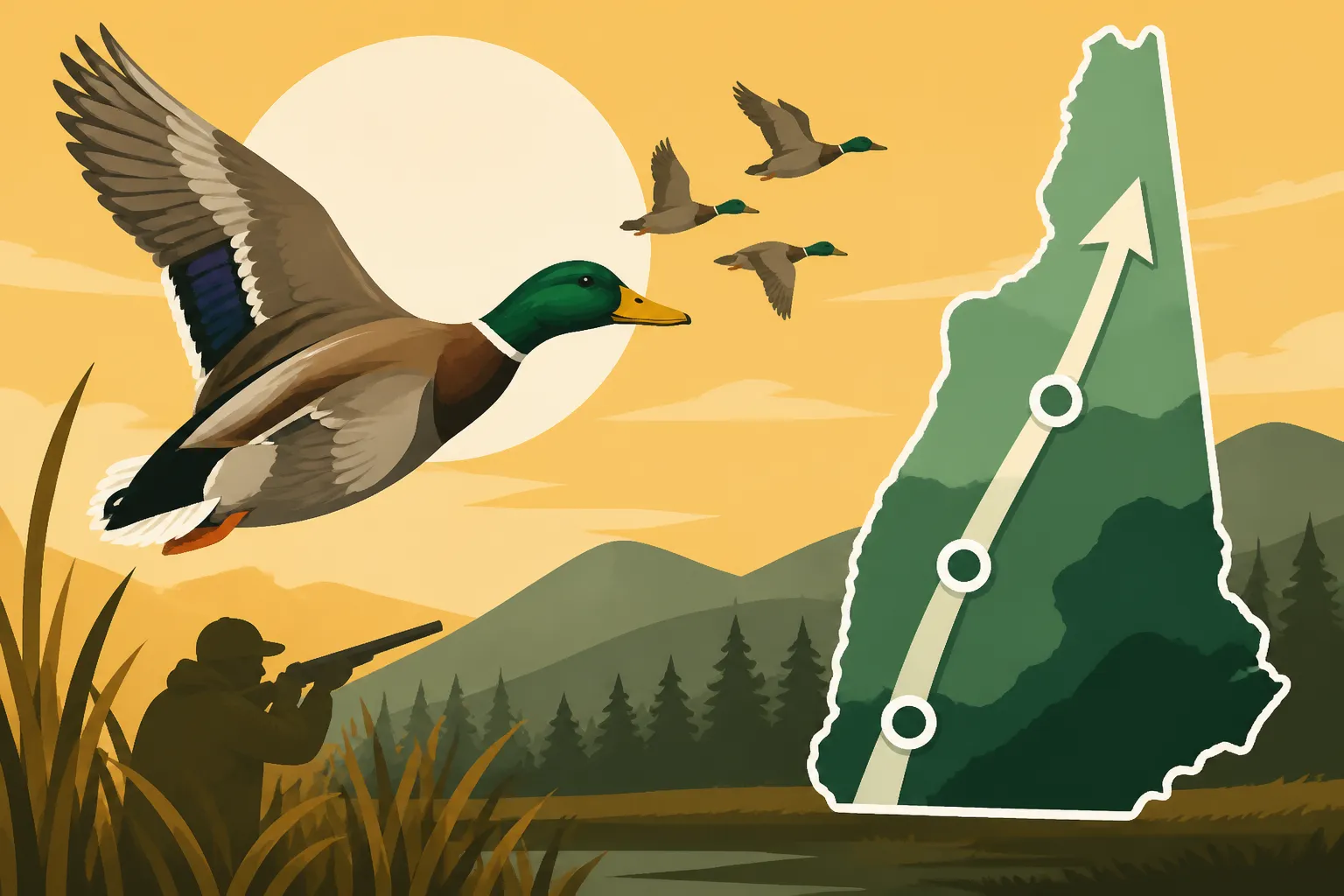
For waterfowl hunters in New Hampshire, few things are as frustrating as setting up decoys before dawn, only for the sky to remain stubbornly empty. It often feels like the ducks are just… elsewhere. This guide aims to pull back the curtain on the mysteries of duck migration timing through New Hampshire, helping you understand when different species move through the Granite State and how to adjust your hunting strategy for better success.
Understanding the Factors Driving Duck Migration in New Hampshire
Duck migration isn't just a flip of a switch; it's a complex dance influenced by a variety of environmental cues. For us hunters in New Hampshire, understanding these factors is key to anticipating when the birds will be here, when they'll be passing through, and when they might decide to stick around for a bit. It’s not just about the calendar; it’s about reading the signs Mother Nature gives us.
The Role of Weather and Water Conditions
Let's be honest, the biggest driver of duck movement is often the weather. When those first significant cold fronts start sweeping down from Canada, pushing through Quebec and into our neck of the woods, that's when the dabblers and divers start thinking about heading south. It's not necessarily about our local temperature being frigid, but rather the cold up north, freezing feeding grounds and pushing birds ahead of it. A strong nor'easter can push birds right down the coast, potentially bringing a flush of new ducks into our coastal marshes and inland river systems.
Water conditions play an equally critical role. If a drought has left traditional wetlands dry in the Canadian prairies or further north in Maine and Vermont, birds might bypass those areas entirely or stage up in places with more reliable water. Conversely, abundant rainfall can create new sheet water feeding opportunities, holding birds longer in unexpected spots. Here in New Hampshire, major river systems like the Connecticut River and the larger lakes are usually reliable magnets, but even these can be affected by prolonged freezes or excessive flooding. These conditions directly impact the availability of food and safe resting areas, which are paramount for migrating waterfowl.
Sometimes, it feels like the ducks just know something we don't. A sudden, deep freeze can solidify open water almost overnight, forcing birds to move on even if they were content just hours before. This is why having flexible hunting plans and scouting often is so crucial. You might have a hot spot one day, and the next, it's a frozen wasteland, forcing the birds to push further south or find a hidden spring hole. Keeping an eye on regional weather patterns, not just what's happening in your backyard, can give you a real edge.
Food Availability and Habitat Changes
Ducks are, at their core, opportunists looking for food and safety. As wild rice matures, cornfields are harvested, and acorn crops drop, these critical food sources become major attractants. Early season ducks, especially wood ducks and teal, will target emergent vegetation and flooded timber rich with acorns. As the season progresses, and many natural food sources become depleted or inaccessible due to ice, ducks will shift their focus to agricultural fields, especially those with waste corn or soybeans. This is where understanding local farming practices can be a game-changer for hunters.
Changes in habitat, both natural and man-made, also influence where and when ducks show up. Wetlands that are drained or flooded for agricultural purposes, logging operations that open up new clearings next to water bodies, or even the growth of invasive species can alter duck traffic patterns. Hunters who spend time scouting before and during the season, noting these changes, are always one step ahead. Tools like the GoHunt app can be incredibly useful for monitoring satellite imagery to see habitat changes and potential feeding areas, though nothing beats boots on the ground observation.
Think about a year with an exceptional acorn crop in the hardwoods bordering a beaver flowage. Those wood ducks and mallards might linger longer than usual, gorging themselves on the high-energy food before the really cold weather hits. Conversely, a poor mast crop year could mean birds are moving on faster, seeking out cultivated grains sooner. It’s a constant chess match between the birds and their environment, and we’re trying to predict their next move.
Species-Specific Migration Patterns
It's easy to lump all ducks together, but different species have their own unique migratory habits. Green-winged teal, for example, are often some of the first to arrive in late September and October, zipping through ahead of the main body of birds. They're often gone before the deeper cold sets in. Mallards and black ducks tend to be more resilient to colder weather and will linger longer, sometimes even wintering over in New Hampshire if open water and food sources persist, particularly in the warmer pockets of the New Hampshire's Northern and Inland Zones Explained.
Diving ducks like bluebills, buffleheads, and goldeneyes usually arrive later, as the larger lakes and coastal waters begin to feel the chill. They prefer deeper, open water and often won't show up in force until late October or November. Understanding these nuances is vital. You wouldn't hunt a puddle duck spot with a spread of diving duck decoys in early October, nor would you expect a big push of teal in mid-December. Tailoring your expectations and your setup to the species most likely to be present at a given time is a foundational element of successful duck hunting.
For instance, if you're targeting early season birds like wood ducks, you'll be looking at flooded timber, small ponds, and creek bottoms. When the larger mallard and black duck migrations are in full swing, big river bends, agricultural fields, and larger marshes become prime targets. Later in the season, when ice forces most dabblers out, divers might still be working the open waters of larger lakes or the coastal estuaries. This is where researching New Hampshire Waterfowl Season and Zones becomes incredibly important, as different zones and seasons often align with these species-specific movements.
A Seasonal Breakdown of Duck Movement Through the Granite State
New Hampshire's waterfowl season offers a unique progression, reflecting the different waves of ducks moving through our flyway. From the earliest arrivals to the stoutest birds that brave the late-season freezes, each phase presents its own opportunities and challenges. Knowing what to expect and when to expect it is half the battle.
Early Season Arrivals: Teal and Wood Ducks
The earliest whispers of duck migration in New Hampshire usually begin in late September and early October. This is prime time for species like green-winged teal, blue-winged teal (though many blue-wings have already passed through by this point, heading for warmer climes), and our beloved wood ducks. These birds are often less wary, having seen less hunting pressure, and they flock to wetlands rich with natural vegetation, acorns, and submerged aquatic plants. Small, secluded ponds, beaver flowages, and flooded timber are classic early-season hotspots.
Hunters often focus on jump-shooting tactics or small decoy spreads in tight quarters for these birds. The green-winged teal are fast and agile, making for exciting pass-shooting opportunities. Wood ducks, with their stunning plumage, are often found in wooded swamps, along creek bottoms, and where oak trees drop their bounty. If you're out there for early morning flights, the sunrise over a misty, wooded marsh, with wood ducks whistling overhead, is truly something special. This is also when you'll often encounter resident birds that have spent the summer here, though their numbers can quickly be bolstered by migratory arrivals.
Don't underestimate the early push. While the numbers might not be as staggering as later in the fall, the hunting can be incredibly rewarding. The milder weather also makes for more comfortable hunts, allowing for longer sits or more mobile scouting trips. Pay attention to local agricultural fields that might be holding small pockets of water, as these can also be unexpected early-season magnets for teal, especially after a rain shower.
Mid-Season Swells: Mallards and Black Ducks
As October transitions into November, the heart of the duck migration really gets going. This is when we see the big pushes of mallards and black ducks, often considered the bread and butter of New Hampshire waterfowl hunting. These birds are hardier and can tolerate colder temperatures than the earlier migrants. They'll frequent larger rivers, extensive marshes, and increasingly, agricultural fields, especially after corn harvests when waste grain becomes readily available. The Connecticut River Valley becomes a major corridor, with large numbers of birds staging and feeding there.
This mid-season period is when hunters typically deploy larger decoy spreads, often mixing mallard and black duck decoys, sometimes adding a few pintails or widgeon if those birds are also in the area. Calling becomes more effective, as these birds are often flying in larger flocks and are more responsive to a well-placed hail call or feeding chuckle. The challenge increases as birds become warier due to hunting pressure, but the sheer volume of migrating waterfowl can make for some incredible days afield. This is also the time when hunters are checking New Hampshire duck and goose daily bag limits closely, hoping for those bonus birds.
The shift in habitat preferences for these birds is important to note. While they'll still use traditional wetlands, they're much more likely to venture into open fields and larger bodies of water. This means adapting your hunting locations, perhaps moving from a small marsh to a field edge blind or setting up on a wider section of the river. Layering up is also critical, as the weather can turn quickly and brutally cold, especially during late-season fronts. Don't forget to pack an extra pair of gloves and a hot thermos!
Late Season Pushes: Divers and Cold-Weather Dabblers
By late November and into December, especially as the muzzleloader and firearms deer seasons wrap up, duck hunting shifts to a colder, often more challenging, but incredibly rewarding phase. This is when the hardier diving ducks truly dominate. Species like common goldeneyes, buffleheads, ring-necked ducks (often earlier, but some linger), and various scaup (bluebills) arrive, seeking open water on larger lakes, reservoirs, and coastal estuaries. They’re less interested in shallow, vegetated wetlands and more focused on deeper waters where they can dive for mollusks and aquatic insects.
Even some dabbling ducks, particularly mallards and black ducks, will persist in New Hampshire well into the deep cold, especially if spring-fed ponds, river current, or coastal tides keep areas free of ice. How Many Ducks Winter on the Connecticut River is a testament to the resilience of these birds and the opportunities they present. These late-season birds are often the wariest of all, having run a gauntlet of hunters all the way down the flyway. Patience, concealment, and precise decoy spreads are paramount. Small spreads of diver decoys, often paired with some long-lines in open water, are effective.
Hunting in the late season means contending with truly frigid temperatures, ice, and often, strong winds. It requires specialized gear, including insulated waders, warm layers, and perhaps even an ice eater for your decoy spread. But the reward of a limit of beautifully plumed goldeneyes or a massive, late-season mallard is something every dedicated waterfowl hunter cherishes. This is a time when Reading a Marsh for a Morning Flight becomes an even more intense exercise, as every little detail about where the birds are, and crucially, where they aren't, tells a story.
How Migration Timing Impacts Your New Hampshire Duck Hunting Strategy
Understanding migration timing isn't just academic; it directly translates into boots-on-the-ground hunting success. It informs every decision, from where you scout to what calls you blow and how you set your decoys. Ignoring these patterns is like trying to catch fish in a dry pond – you might get lucky, but consistent success will elude you.
Adjusting Scout and Decoy Spreads
The most immediate impact of migration timing is on your scouting efforts. In the early season, you'll be focusing on smaller, more secluded water bodies, looking for feeding wood ducks and teal. As the season progresses, your focus might shift to larger river sections, open lakes, and agricultural fields for mallards and black ducks. Shed Hunting on New Hampshire Public Land in the off-season can even provide insights into general waterfowl activity areas, though ducks move around more dynamically.
Decoy spreads must also evolve. Early season might call for a modest spread of a dozen wood duck and teal decoys, perhaps in a tight cluster near cover. By mid-season, you might expand to several dozen mallard and black duck decoys, experimenting with different confidence species like pintails or widgeon, and varying your spread patterns (J-hooks, U-shapes, or loose groups) to appear more natural to wary birds. Late-season diver hunting demands entirely different rigs, often utilizing long lines and larger numbers of diver decoys in open water. Remember, what looks good to you on the shore might not look natural to a duck flying overhead.
For example, when you're focusing on Decoying Mallards on New Hampshire's Connecticut River, a large, open water spread with plenty of motion can be effective. But if you shift to hunting a hidden spring hole in a frozen marsh, a handful of mallard floaters and a spinner might be all you need, or even too much, for those late-season survivors. The key is never to be rigid; let the birds and the conditions tell you what they prefer. A successful hunter always has a versatile approach, adapting their gear and tactics to the specific species and conditions of the day.
Capitalizing on Peak Migration Windows
There are often identifiable "peak windows" during the migration where large numbers of new birds arrive. These are the days hunters dream of, when fresh, unpressured ducks seem to fall out of the sky. These windows are usually triggered by significant weather events – a major cold front, a strong storm system, or even prolonged periods of cold up north that finally push birds south en masse. Identifying these windows through regional weather forecasts and reports from further north can drastically improve your success. This is where GoHunt's mapping and scouting features, combined with local intelligence, can give you a significant advantage.
When you anticipate a peak migration push, it's time to be in the blind. This might mean adjusting your work schedule, waking up even earlier, or prioritizing your hunting days. These are the days when ducks are often less wary, more eager to decoy, and flying with purpose. However, these peak pushes can also be fleeting; birds might arrive, rest, and refuel for a day or two, then be on their way. So, being present during these windows is critical.
A major cold snap isn't just about local ice forming; it's about what that cold snap is doing hundreds of miles to our north. When those northern marshes and small water bodies freeze solid, ducks have to move. If you can get out there as those birds are arriving, before they’ve been shot at too much, you’re in for a treat. This is why many hardcore waterfowl hunters are constantly watching long-range weather forecasts, sometimes even a week or more out.
Weather Forecasting as Your Best Friend
Given how much weather influences migration, becoming a proficient amateur meteorologist is a huge asset for any New Hampshire duck hunter. Pay attention to temperature trends, wind direction and speed, and precipitation forecasts. A strong north or northwest wind often means fresh birds are on the way, pushed down by the prevailing air currents. Dropping temperatures, especially overnight lows, will tell you when ice might become a factor.
Wind is particularly crucial for duck hunting. Ducks use the wind for lift and braking, always landing and taking off into it. Positioning your decoys and blind with the wind in mind (usually having it at your back or quartering from behind you) ensures that incoming birds will cup their wings and set up perfectly for a shot. Wind and Thermals in Steep Granite Terrain might not be directly about ducks, but understanding how air currents move is a foundational hunting skill that applies across species and terrain.
Beyond just the daily forecast, look at regional weather patterns. If states to our north like Vermont and Maine are experiencing significant freezes, you can bet a new wave of birds will be heading our way soon. Using weather apps and national forecast models can give you a broader picture and help you anticipate those big migration events. It's not about being a fair-weather hunter; it's about being a smart hunter who understands the forces driving the birds you pursue.
Duck Migration Timing By Species in New Hampshire
To help visualize the general patterns, here's a rough breakdown of when common duck species tend to be most present during migration through New Hampshire. Keep in mind, these are averages and actual timing will vary year-to-year based on weather.
| Species | Early Season (Sept-Mid Oct) | Mid Season (Mid Oct-Mid Nov) | Late Season (Mid Nov-Dec) | Notes |
|---|---|---|---|---|
| Green-winged Teal | High | Moderate | Low | Early arrivals, fast movers. |
| Wood Duck | High | Moderate | Low | Resident birds and early migrants, prefer wooded swamps. |
| Mallard | Moderate | High | Moderate/High | Resilient, will linger or winter with open water/food. |
| American Black Duck | Moderate | High | Moderate/High | Similar to mallards, can be very wary. |
| Northern Pintail | Low/Moderate | Moderate | Low | Often pass through quickly; prefer open water. |
| Widgeon | Low/Moderate | Moderate | Low | Early/mid-season dabbler, often in mixed flocks. |
| Ring-necked Duck | Low | Moderate/High | Moderate | Diving duck, often found in inland lakes and ponds. |
| Bufflehead | Low | Moderate | High | Small, fast diver, often in coastal areas or larger lakes. |
| Common Goldeneye | Low | Low/Moderate | High | Late-season diver, can handle extreme cold. |
| Scaup (Bluebill) | Low | Moderate | Moderate/High | Divers, usually in larger bodies of water, both inland and coastal. |
This table provides a general guideline. Always consult the most current New Hampshire Waterfowl Season and Zones regulations for specific season dates and bag limits, as these can vary even for different zones within the state, such as when Hunting the Split Inland Zone Waterfowl Season.
Disclaimer
This article is for general informational purposes only and does not constitute professional advice. Laws, prices and regulations vary by location and change over time. Consult a qualified professional for guidance on your specific situation.