New Hampshire Fawn Survival Rates
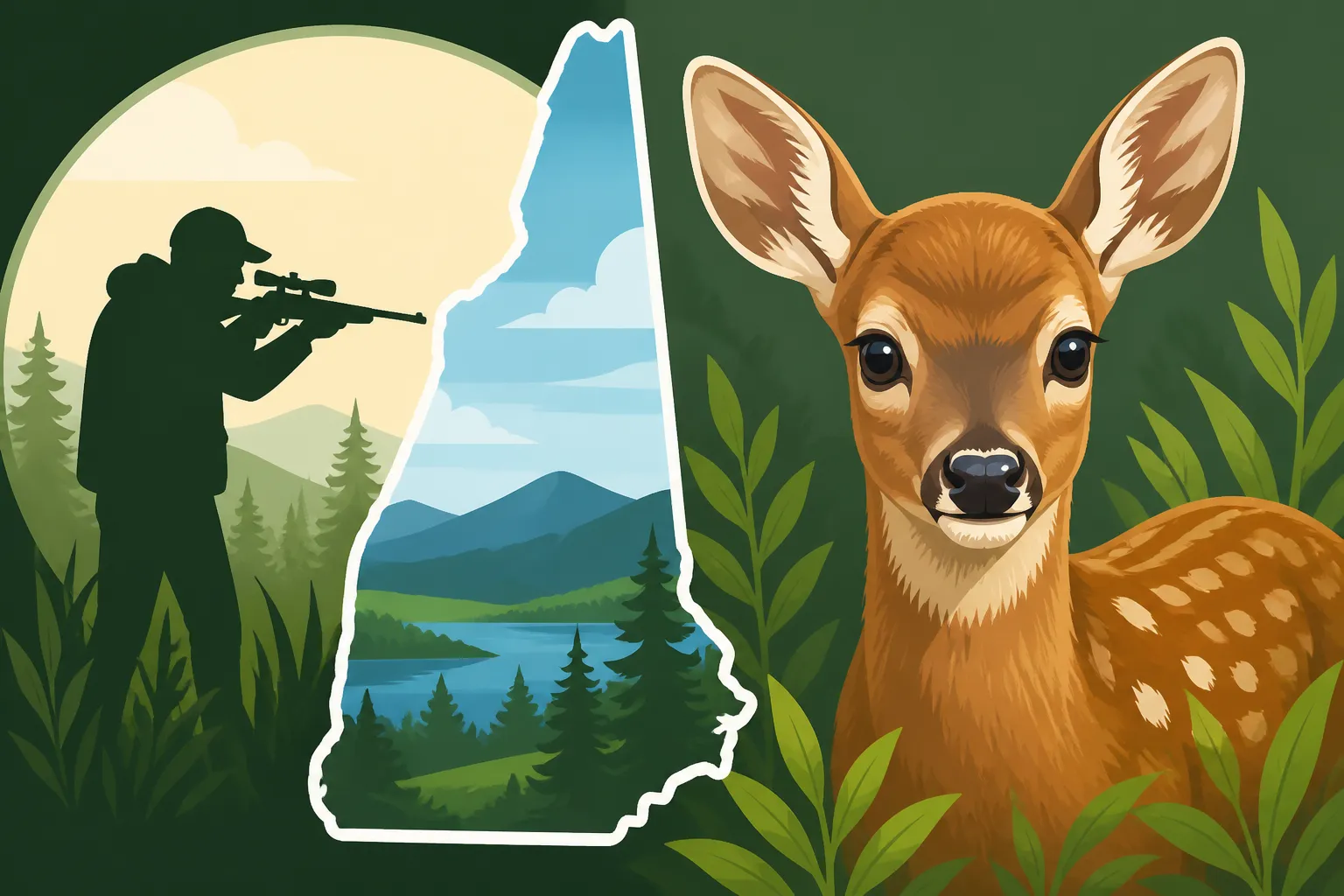
It’s a natural thing for us hunters, especially those of us who spend a lot of time observing deer sign, to wonder about the future of the herd. When you see a healthy doe, your mind often drifts to the fawns she might be carrying, or the little ones you hope to see bouncing through the woods in late summer. But out here in New Hampshire, it's a tough world for those tiny fawns, and their journey from birth to their first winter is fraught with challenges. This guide is all about shedding some light on the various factors that influence New Hampshire fawn survival rates, helping us understand what these little guys face from the moment they hit the ground.
The Critical First Weeks: A Fragile Start
The early days of a fawn's life are undeniably the most perilous. Born weighing just a few pounds, they enter a world full of potential dangers, relying almost entirely on their mother's instincts and the natural camouflage they're blessed with. For hunters who spend time in the woods during late spring and early summer, you rarely see these newborns because they are masters of concealment.
Initial Vulnerability and Maternal Care
When a fawn is born, usually in late May or early June here in New Hampshire, it’s not immediately capable of keeping up with its mother. Its legs are wobbly, its scent glands are still developing, and its primary defense mechanism is immobility and camouflage. The doe, after a quick lick-down to remove birth scents, will often leave her fawn bedded down in thick cover, returning only periodically to nurse. This "hiding" strategy is crucial because it reduces the chances of the fawn being discovered by predators. The fawn’s spotted coat helps it blend seamlessly with dappled sunlight on the forest floor, and its lack of scent makes it harder for keen noses to pick up. For us to observe a fawn in these early weeks, you'd almost have to stumble directly upon its bedding site, a testament to their incredible ability to stay hidden.
The quality of this early maternal care is paramount. A healthy doe, well-fed through the winter and spring, will produce richer milk, giving her fawn the best possible start. She'll also be more vigilant and better able to lead predators away from her hidden offspring. Conversely, a stressed or undernourished doe might have weaker fawns or less milk, stacking the odds against the little ones from day one. It’s a delicate balance, and anything that impacts the doe’s health ultimately impacts the fawn.
Environmental Factors and Early Health
Beyond predation, the natural environment itself plays a huge role in those initial survival rates. A harsh spring, with prolonged cold snaps or heavy, wet weather, can be devastating for newborns. Fawns have very little fat reserves and can quickly succumb to hypothermia if they get too cold and wet, especially if the mother is forced to leave them alone for extended periods due to her own need to forage. We often forget how fragile life can be in the face of Mother Nature's less forgiving moments.
The availability of good quality forage for the doe also directly affects the fawn's survival. If the spring green-up is delayed or if preferred browse is scarce, the doe's nutritional status will suffer. This can lead to smaller fawns at birth, less milk production, and a general weakening of both mother and offspring. Clean water sources and undisturbed bedding areas are also essential. Any disturbance, from human activity to excessive logging without proper planning, can force a doe to move her fawn, potentially exposing it to danger or causing her to expend precious energy. Understanding the overall New Hampshire Deer Herd Size gives context to these local environmental impacts.
Major Predators and Their Impact on Fawn Numbers
Predation is, without a doubt, one of the most significant factors in fawn survival here in New Hampshire. It's a harsh reality of the wild, a constant pressure that shapes the deer herd. While it can be tough to witness, it's a natural part of the ecosystem.
Coyote Predation: A Constant Threat
Here in New Hampshire, the eastern coyote stands out as the primary predator of white-tailed fawns. These intelligent and adaptable canids are found throughout the state, from the deep woods of the North Country to the edges of our suburban fringes. They are incredibly efficient hunters, and fawns, particularly during their first few weeks when they are most vulnerable, represent a relatively easy meal. Coyotes are especially adept at sniffing out bedding fawns or ambushing them as the doe brings them to a new hiding spot.
The impact of coyotes on fawn survival is not to be underestimated. Studies in various regions often point to coyotes as the leading cause of fawn mortality. While adult deer can often outrun or outmaneuver a coyote, a newborn fawn has almost no defense. The constant presence of coyotes means that even in areas with otherwise excellent habitat, fawn survival can be significantly suppressed. It's a tough dynamic, and understanding New Hampshire Coyote Range and Density helps illustrate why this predation pressure is so widespread.
Bear and Bobcat: Opportunistic Hunters
While coyotes might be the most consistent threat, black bears and bobcats are also significant, albeit more opportunistic, predators of fawns. A black bear, emerging from its den in the spring and often looking for easily accessible protein, won't hesitate to take a fawn if it stumbles upon one. They might raid a bedding area if they catch a scent, or encounter a fawn separated from its mother. We have a healthy New Hampshire black bear population, and while their diet is mostly vegetation, a fawn is a nutritious protein source they won't pass up.
Bobcats, with their stealthy nature and keen hunting skills, also contribute to fawn mortality. They are incredibly elusive, but their predatory instincts are finely tuned. A bobcat might stalk a bedding fawn or pick off a straggler if the opportunity presents itself. While they typically prey on smaller game like snowshoe hare and turkeys, a fawn is a valuable addition to their diet. Our New Hampshire Bobcat Population Trends show a stable presence, meaning this natural pressure on fawns remains consistent.
Other Predators and Scavengers
Beyond the "big three" predators, other animals can also occasionally prey on fawns. Foxes, though smaller, are also opportunistic and may take a very young, defenseless fawn. Domestic dogs, unfortunately, can also pose a serious threat, especially if allowed to roam freely and unsupervised. While not technically "wild" predators, their impact can be localized but devastating to individual fawns. Even large raptors like eagles, though less common, might target a very small, exposed fawn. It's a reminder that from the moment a fawn is born, it exists within a complex web of life and death, where vigilance and luck play a significant role.
Habitat Quality and Its Role in Fawn Survival
You simply cannot talk about fawn survival without talking about habitat. It's the stage upon which all these life-and-death dramas play out, providing both the resources for growth and the necessary cover for protection.
Dense Cover: A Fawn's Best Friend
For a fawn, dense cover isn't just a convenience; it's a lifeline. Thick stands of regenerating clear-cuts, young softwood thickets, briar patches, cedar swamps, and even dense undergrowth along stream beds all provide the crucial concealment fawns need to evade predators. When a doe beds her fawn, she's looking for a spot where the little one can literally disappear into the vegetation, invisible from above and difficult to access for ground predators. This cover is what allows the "hiding" strategy to be effective.
Areas with a mosaic of different cover types, offering both dense security cover and nearby food sources, are ideal for fawns. If this cover is scarce or fragmented due to development, unsustainable logging practices, or wildfires, fawns are left much more exposed. A fawn in an open, mature hardwood forest simply doesn't have the same odds of survival as one tucked deep into a blackberry thicket. When you're out Reading a White Mountain Deer Yard, you're seeing prime winter habitat, but fawns need similar dense cover during their summer months too, just for a different purpose.
Nutritional Landscape for Does
The health of the fawn is inextricably linked to the health of the doe, and her health is directly tied to the nutritional landscape she lives in. A doe that has access to high-quality browse throughout the year, especially leading up to and during gestation, will be in better physical condition. This translates to healthier fawns with higher birth weights, greater vigor, and a stronger immune system. Robust fawns are simply more resilient to environmental stresses and more capable of surviving those critical first weeks.
The availability of natural food sources like acorns, beechnuts, and various forbs and shrubs plays a critical role. If we have a poor mast crop one year, as highlighted in a guide on Hunting After a Poor Acorn Year, it can impact the deer herd's overall health heading into winter and subsequently affect the health of fawns born the following spring. Good nutrition means stronger does, and stronger does mean better fawn survival rates. It's a cyclical relationship that underscores the importance of a healthy ecosystem.
Human Factors and Management Efforts
While nature provides plenty of challenges for fawns, human activity and our management decisions also play a significant, sometimes unintended, role in their survival.
Vehicle Collisions and Roadside Hazards
It's a heartbreaking reality that many fawns, and their mothers, are lost each year to vehicle collisions. As deer populations thrive in some areas, particularly near our more developed corridors, deer often cross roads in search of food or cover. Fawns, being less experienced and slower than adult deer, are particularly vulnerable. A doe might cross a road, and her fawn, attempting to follow, gets hit. This tends to spike in early summer when fawns are young and less coordinated, and again in the fall during the rut when deer movement increases.
These incidents not only reduce fawn numbers directly but can also orphan fawns if the doe is killed. An orphaned fawn, especially a very young one, has a significantly reduced chance of survival without its mother's milk and protection. This factor is a constant background threat, especially in areas where human development encroaches on prime deer habitat. Knowing about New Hampshire Deer Vehicle Collisions is a somber reminder of this issue.
Hunter Harvest and Management Strategies
New Hampshire Fish and Game manages our deer herd with the goal of maintaining a healthy, sustainable population. Hunter harvest, particularly of antlerless deer, is a critical tool in this management. By carefully controlling the number of does in a given Wildlife Management Unit (WMU), the state can help ensure that the remaining deer have access to adequate food resources, which in turn supports healthier fawns. If a deer population grows too large for its habitat, it can lead to malnourished does and lower fawn survival rates.
For hunters, understanding these dynamics can influence decisions. Tools like GoHunt can help you analyze harvest data and population trends in specific WMUs, giving you a clearer picture of the local deer population health. This insight can inform your hunting strategy, whether you're looking for a trophy buck or participating in an antlerless harvest to help manage the herd. Management decisions, such as those related to New Hampshire's WMU-Based Deer Season Structure, directly impact the balance between deer numbers and habitat carrying capacity, thereby influencing fawn survival.
Disease and Environmental Toxins
While less frequent than predation or habitat issues, diseases and environmental toxins can also impact fawn survival. Deer, like any wild animal, are susceptible to various diseases, some of which can be passed from mother to fawn or weaken the fawn's immune system. Epizootic Hemorrhagic Disease (EHD), while not endemic in New Hampshire, has been a concern in nearby states and serves as a reminder that disease can quickly decimate local populations. We are diligent about New Hampshire's CWD Prevention Rules, which is another critical aspect of herd health.
Environmental toxins, though hopefully rare, could also play a role. Exposure to pesticides, herbicides, or other pollutants in the environment, either directly by the fawn or indirectly through the doe's milk, could compromise their health and reduce their chances of survival. Maintaining healthy, untainted habitat is therefore not just about food and cover, but also about protecting deer from unseen threats.
Factors Affecting New Hampshire Fawn Survival
| Factor | Primary Impact | Timing of Impact | Control/Mitigation |
|---|---|---|---|
| Coyote Predation | Direct mortality, constant pressure | First 8-12 weeks of life | Habitat management (dense cover), occasional culling |
| Black Bear/Bobcat | Direct mortality, opportunistic | First 8-12 weeks of life | Habitat management (dense cover) |
| Poor Maternal Health | Lower birth weight, less vigor, poor milk | Gestation & first few weeks | Habitat quality, population management (hunter harvest) |
| Harsh Weather | Hypothermia, stress | First few weeks of life | Natural fluctuations, dense cover for shelter |
| Poor Habitat Quality | Lack of concealment, poor forage | Year-round, crucial in spring/summer | Responsible land use, forest management, conservation |
| Vehicle Collisions | Direct mortality, orphan fawns | Early summer (fawn season) | Driver awareness, deer crossings, population management |
| Disease/Toxins | Weakness, mortality | Variable | Monitoring, CWD prevention, environmental protection |
Ultimately, New Hampshire fawn survival rates are a complex dance between natural forces, predator populations, habitat quality, and human influence. While it's tough to get exact numbers for such an elusive stage of life, understanding these factors helps us appreciate the resilience of our deer herd and informs how we can all contribute to its health.
Disclaimer
This article is for general informational purposes only and does not constitute professional advice. Laws, prices and regulations vary by location and change over time. Consult a qualified professional for guidance on your specific situation.