New Hampshire Coyote Diet in Farm Country
For anyone living or working in New Hampshire's farm country, the presence of coyotes is a constant reality. While these intelligent canids are a natural part of our ecosystem, understanding what they eat – and more importantly, when and why – is crucial for both managing their impact on agricultural operations and protecting local wildlife. This guide dives deep into the dietary habits of coyotes specifically in our rural farmlands, helping you anticipate their movements and mitigate potential conflicts.
The Diverse Palette of New Hampshire Farm Country Coyotes
It’s easy to picture a coyote as a simple predator, always on the hunt for a farmer's chickens or a vulnerable lamb. While those incidents do occur and are deeply frustrating for livestock owners, the reality of a New Hampshire coyote's diet, especially in farm country, is far more complex and opportunistic. These animals are survivalists, adapting their meals to whatever is most readily available, easiest to acquire, and provides the most energy for the least effort. This adaptability is precisely why they thrive in varied landscapes, including our agricultural areas.
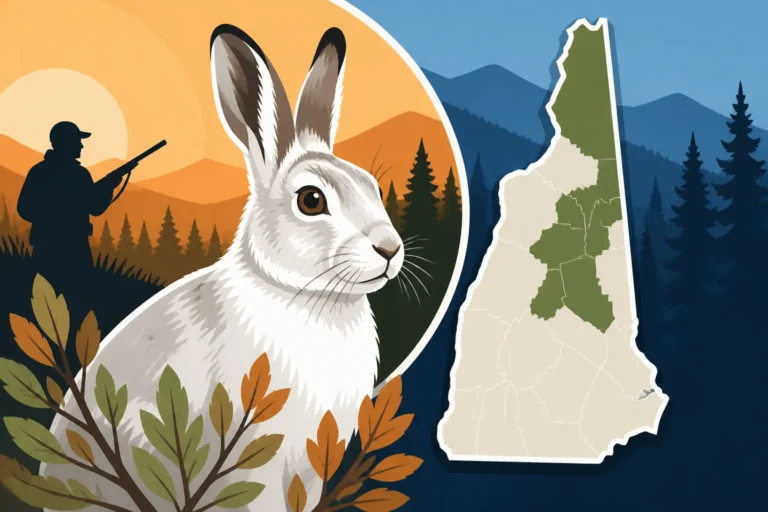
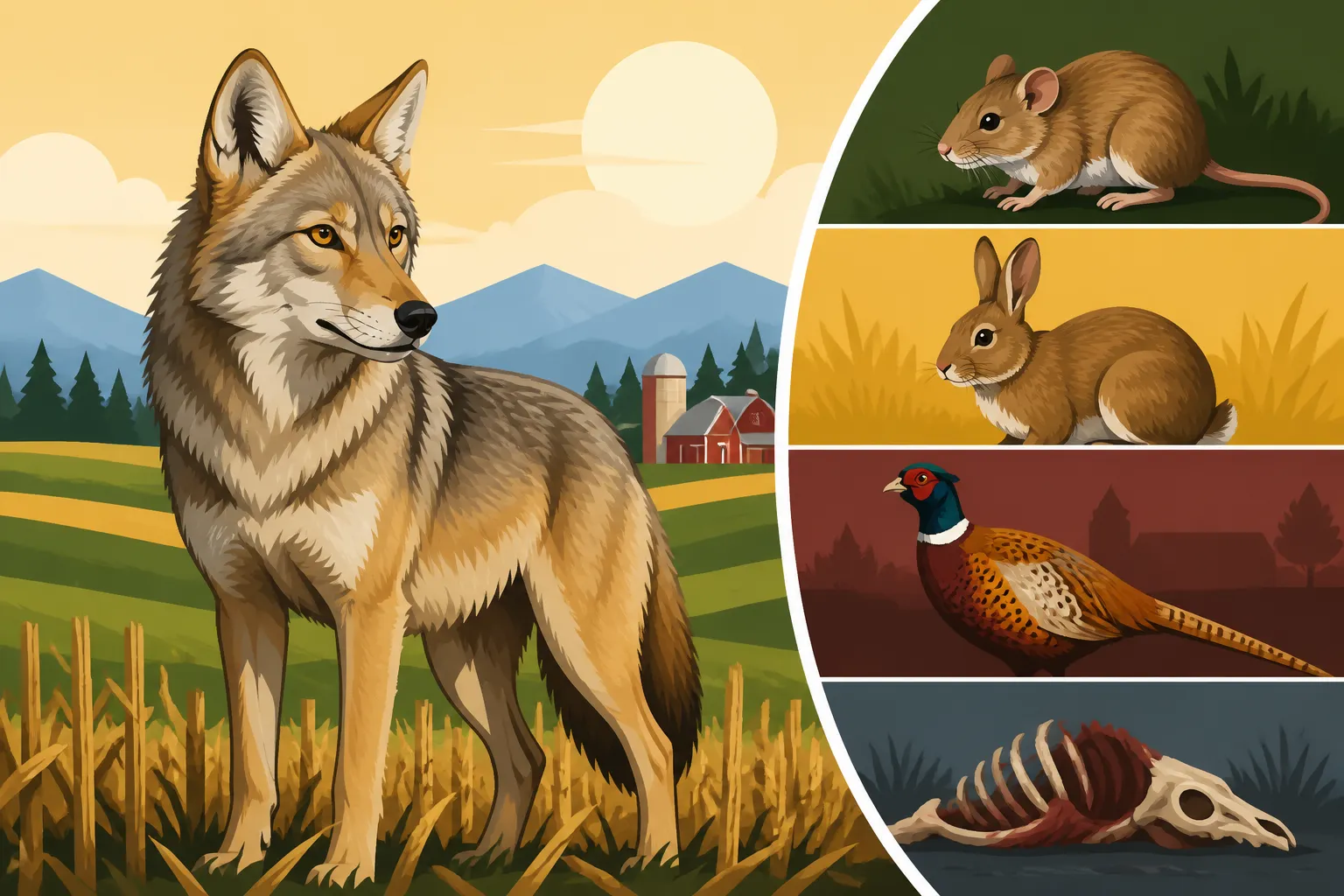
Small mammals form the absolute backbone of a coyote's diet here in the Granite State. Think about the fields and woodlots adjacent to your farm: they're often teeming with voles, mice, shrews, and rabbits. These abundant, easily caught prey species represent a consistent, low-risk food source for coyotes year-round. A coyote will spend hours meticulously hunting these smaller creatures, pouncing on them with surprising agility. It's not uncommon to see a coyote meticulously working a hayfield edge or an overgrown fence row, nose to the ground, listening intently for the subtle movements of a rodent beneath the snow or in thick grass. This reliance on small mammals helps to keep local rodent populations in check, a service that often goes unappreciated.
Beyond the tiny critters, coyotes in farm country are also significant scavengers. This is a critical point that sometimes gets overlooked. Deer carcasses, whether from vehicle collisions, natural causes, or hunter harvest remains, become a vital food source, particularly during the leaner winter months. Farmers might also unknowingly provide opportunities through unsecured garbage, compost piles, or even improperly stored livestock feed. Coyotes are incredibly keen-nosed and will quickly locate and exploit any such caloric windfall. Understanding this scavenging tendency is a crucial step in preventing unwanted coyote visits; securing potential food sources around your property can make a significant difference.
Seasonal Shifts and Opportunistic Dining Habits
A coyote's menu isn't static; it shifts dramatically with the seasons, driven by the availability of prey, vegetation, and carrion. This seasonal variability is particularly pronounced in agricultural settings where crop cycles, livestock presence, and weather patterns create a dynamic buffet. Being aware of these shifts can help predict when coyotes might be more inclined to certain types of food, allowing for targeted preventative measures.
In the spring, as the landscape awakens, coyotes are often focused on the vulnerable young of other species. This is when fawn predation can become a concern in areas with healthy deer populations. Young deer, still wobbly and hidden in tall grasses or brush near fields, are relatively easy targets. Similarly, ground-nesting birds, like wild turkeys, and their freshly hatched poults can also fall prey. It’s a tough reality of nature, but it means that during the fawning and nesting seasons, coyotes might be more active in areas where these vulnerable animals are present. For those interested in tracking local wildlife movements, using mapping tools could help identify prime fawning or nesting cover near your property. New Hampshire Turkey Brood Survey Results are one way that Fish and Game monitors turkey populations, which can give insights into potential coyote impacts.
Summer brings an abundance of diverse food. While small mammals remain a staple, coyotes will readily supplement their diet with insects, berries, and other fruits. If you have a garden, you might find evidence of coyotes sampling your watermelons, corn, or tomatoes. They’ll also take advantage of any unguarded livestock, like free-range poultry, if the opportunity presents itself. The warmer months mean more activity, and coyotes are constantly patrolling their territories, ready to capitalize on any easy meal. Sometimes, understanding the local terrain using tools like a topographic map or even an app like GoHunt can help you visualize potential travel corridors they might use from dense cover to your fields.
As fall rolls around, coyotes are keenly aware of the coming winter and will gorge themselves to build fat reserves. Small mammals are still important, but carrion becomes increasingly significant, especially after hunting seasons for deer and moose. Discarded crop residue, like dropped apples in an orchard or leftover corn in a harvested field, will also attract them. This is often when you might see increased coyote activity around the edges of agricultural fields, diligently cleaning up what humans and machines leave behind.
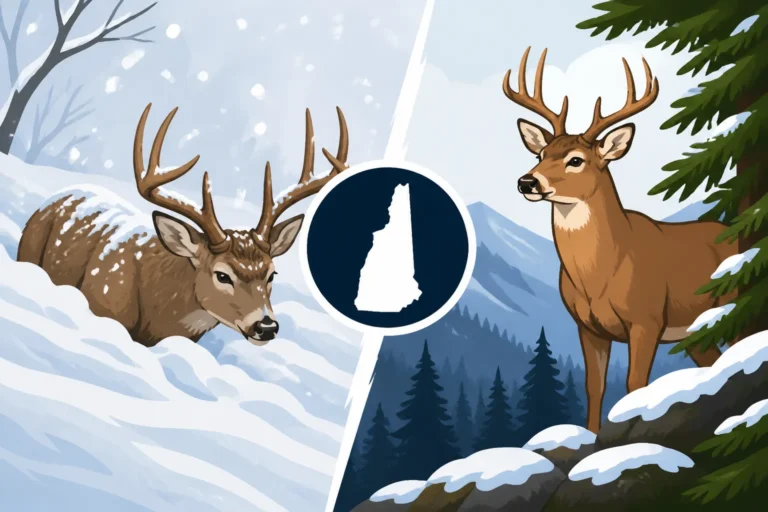
Winter is arguably the toughest time for coyotes, and their diet becomes heavily reliant on carrion. Deer carcasses are a lifeline, whether they're animals that didn't survive the harsh weather or those lost during hunting season. Live prey is harder to come by, as rodents burrow deep under snow and other small game seeks dense cover. Any livestock left unsecured during these lean months becomes extremely vulnerable. Understanding where New Hampshire Deer Wintering Yards Explained are located can sometimes give an indication of areas coyotes will frequent, as deer mortality can concentrate there. This extreme reliance on scavenging in winter means that proactive measures to secure all potential food sources are critical to reduce conflicts.
Impact on Farm Operations and Wildlife Health
The diverse, opportunistic diet of coyotes has tangible impacts on New Hampshire's farm country, influencing everything from livestock management to the health of local wild game populations. For many farmers, the frustration stems from the very real economic losses that can occur when coyotes prey on domestic animals.
Predation on livestock, while often not the primary food source for most coyotes, can be devastating when it happens. Poultry, especially free-range chickens, ducks, and turkeys, are highly vulnerable. Their relatively small size, lack of natural defenses against a predator like a coyote, and often predictable routines make them easy targets. Similarly, young lambs and calves, particularly those born in spring, can be susceptible. It's important to remember that coyotes often target the weak or vulnerable, which can include animals suffering from illness or injury. The stress of constant coyote presence, even without direct predation, can also impact livestock health and productivity. When planning deterrents around your property, understanding local coyote travel corridors, which you might delineate with a mapping tool like GoHunt, is key.
Beyond agriculture, coyotes play a natural role in the ecosystem as predators of wild game. Their diet can impact populations of deer, wild turkeys, and snowshoe hares, particularly during vulnerable stages like fawning or nesting. While a healthy ecosystem can typically absorb this predation, it becomes a point of concern for hunters and wildlife enthusiasts. Coyotes are highly effective predators, capable of tracking and catching prey that might escape less cunning animals. This natural predation is part of the ecological balance, but it also means that hunters need to be aware of how coyote numbers and presence might affect the game they pursue. For example, understanding Coyote Calling New Hampshire Farm Country is not just about hunting coyotes, but also about knowing how they interact with the landscape.
Another area of impact is on domestic pets. Small dogs and outdoor cats can easily become prey for coyotes, especially if left unsupervised or allowed to roam freely in areas where coyotes are active. A coyote doesn't distinguish between a wild rabbit and a domestic cat when it's hungry and sees an easy meal. This highlights the importance of securing pets, especially during dawn and dusk, when coyote activity often peaks.
Management Strategies Based on Diet Understanding
Knowing what New Hampshire coyotes eat and how their diet changes seasonally is the first step toward effective management. Rather than viewing coyotes as an enemy to be eliminated, a more sustainable approach involves strategies that minimize conflict and maximize coexistence. These strategies often focus on making your property less attractive or accessible as a food source.
Exclusion Methods are Your First Line of Defense: The most direct way to prevent coyotes from feasting on your chickens or sheep is to physically exclude them. Secure fencing is paramount. For poultry, this means sturdy pens with roofs or netting, and digging wire skirts around the base of the fence to prevent digging underneath. Night corralling, where livestock are brought into a secure barn or enclosure overnight, is also highly effective, as coyotes are often most active during twilight and nighttime hours. Even for gardens, taller, sturdier fencing can deter opportunistic feeders. When planning these fences, using aerial maps, perhaps from GoHunt, can help you visualize natural barriers or travel routes coyotes might use to approach your property.
Deterrents to Make Your Property Unappealing: Beyond physical barriers, making your farm less appealing can help. Guard animals, such as livestock guardian dogs (e.g., Great Pyrenees), llamas, or donkeys, have been successfully used by some farmers to protect their herds. These animals actively deter coyotes through their presence, barking, or even chasing. Strategically placed lights, especially motion-activated ones, or radios playing human voices at night can sometimes startle coyotes and make them wary of approaching. However, coyotes are intelligent and can habituate to constant, unchanging deterrents, so variety and unpredictability are key.
Habitat Modification and Sanitation: Coyotes are drawn to areas with easy access to food and cover. By modifying the habitat around your farm, you can reduce its appeal. This means removing brush piles, tall weeds, and dense thickets close to livestock enclosures, which coyets might use for stalking. Importantly, strict sanitation practices are vital. Secure all garbage in heavy, predator-proof containers. Compost piles should be enclosed or moved away from vulnerable areas. Any pet food left outdoors should be removed at night. Even spilled grain or discarded produce can attract coyotes, so keeping feed areas clean is essential. This kind of careful land management can be enhanced by Scouting New Hampshire Public Land Before Season to understand broader wildlife movements.
Regulated Hunting and Trapping as Management Tools: In situations where preventative measures aren't enough, or if coyote populations are particularly dense and causing significant issues, regulated hunting and trapping can be part of a comprehensive management plan. New Hampshire has specific regulations regarding Small Game and Predator Hunting in New Hampshire and Trapping New Hampshire Furbearers, and it’s critical to understand and adhere to these laws. Coyote hunting, especially Coyote Calling at First Light or during the night hunting season (where legal and regulated), can help reduce local populations and potentially reduce conflicts. These activities require proper licensing and knowledge of safe, ethical practices. It’s not just about reducing numbers, but about dispersing pressure and making coyotes more wary of human-dominated areas.
Ultimately, managing coyotes in New Hampshire's farm country is about understanding their natural behaviors and diet, then implementing smart, proactive strategies to minimize conflicts. They are a resilient species, and by being informed and prepared, farmers and landowners can better protect their livelihoods and coexist with these wild neighbors.
| Season | Primary Diet Components | Common Opportunistic Foods | Potential Impact on Farm/Wildlife | Management Considerations |
|---|---|---|---|---|
| Spring | Small mammals, bird eggs, deer fawns | Free-range poultry, young lambs, unprotected calves | Fawn mortality, poultry/lamb/calf losses | Secure livestock; monitor vulnerable young; clear dense cover nearby |
| Summer | Insects, berries, fruits, small mammals, carrion | Garden produce, pet food, unsecured garbage/compost | Garden damage, pet safety, property scavenging | Harvest produce promptly; secure pet food & waste; deter curiosity |
| Fall | Small mammals, carrion, berries, nuts | Unguarded livestock, dropped apples/corn | Increased scavenging; potential livestock predation | Secure remaining crops; remove attractants; consider deterrents |
| Winter | Carrion (deer), limited small mammals | Vulnerable livestock, unsecured feed/garbage | Increased pressure on deer; severe livestock loss if easy prey | Ensure all livestock are penned; eliminate easy food sources; remove deer carcasses |
Disclaimer
This article is for general informational purposes only and does not constitute professional advice. Laws, prices and regulations vary by location and change over time. Consult a qualified professional for guidance on your specific situation.