New Hampshire Whitetail Color Phase Rarities
Every hunter who spends enough time in the New Hampshire woods, whether chasing whitetails in the North Country or stalking the hills of the Monadnock region, becomes intimately familiar with the look of our deer. That classic brown coat in summer, transitioning to a grayer, thicker hide for winter, is just part of the landscape. But every once in a long while, the forest might just surprise you with a glimpse of something truly extraordinary—a deer wearing a coat so different it stops you dead in your tracks. This guide will dive into those rare color phases, helping you understand what makes them so unique and how to appreciate these truly special sightings.
The Standard Whitetail Palette in New Hampshire
Before we talk about the rare and unusual, let's ground ourselves in what's common. Our New Hampshire whitetails are masters of camouflage, and their typical coloration is a big part of that success. It’s what helps them blend seamlessly into the dense timber, the rocky outcrops, and the changing seasons of the Granite State.
The Familiar Brown and Gray Coat
Think about a warm, humid July day in the woods. You might catch a glimpse of a whitetail with a reddish-brown coat, short and sleek, perfectly adapted to shed heat. This summer coat helps them disappear into the green undergrowth and the dappled sunlight filtering through the canopy. It’s light, almost airy, and surprisingly vibrant when the light hits it just right.
As the days shorten and the chill of autumn sets in, you'll see a remarkable transformation. The summer coat gives way to a much thicker, grayer, and often shaggier winter coat. This isn't just a color change; it's a critical insulation layer, a dense blanket of fur that traps air and keeps them warm through the brutal New Hampshire winters. That familiar gray-brown blends in perfectly with bare hardwoods, snow-dusted evergreens, and granite ledges.
This classic coloration is no accident. It’s the result of countless generations of natural selection, ensuring that our deer have the best possible chance to evade predators and survive the elements. It's an incredibly effective blend that allows them to move through diverse habitats, from the open fields bordering the Connecticut River to the deep, dark softwoods of the White Mountains, without being easily spotted.
Seasonal Shifts and Regional Variations
While we talk about a "standard" color, there are always subtle nuances. A deer's diet, overall health, and the specific environmental conditions of a given year can all influence the exact shade and sheen of its coat. A buck that's been feeding heavily on a mast crop might have a particularly rich, healthy looking coat, while one that's had a tougher year might appear a bit duller. These are minor, fleeting differences that most casual observers wouldn't even register.
You might also notice very slight regional tendencies. Deer in the deep woods of northern New Hampshire, where winters tend to be longer and more severe, might average a slightly darker or grayer winter coat compared to those in the more temperate southern reaches of the state. It's not a hard-and-fast rule, but it speaks to how adaptable these animals are to their specific corner of the world.
What’s important to remember is that these are variations within the normal spectrum. They don't represent a distinct "color phase" in the way we'll discuss the truly rare genetic anomalies. They are simply part of the natural beauty and diversity you find in our healthy New Hampshire Deer Herd Size.
Understanding Whitetail Color Aberrations
So, if the typical brown and gray is the norm, what exactly causes a deer to look strikingly different? These incredible animals sometimes carry rare genetic codes that manifest in truly unique and eye-catching ways, making them stand out dramatically against their typically camouflaged peers.
What Causes Unique Color Phases?
At the heart of these rare color phases are genetic mutations. Every deer, just like every person, carries a set of genes that dictate everything from eye color to coat pigment. When a specific gene responsible for producing melanin – the natural pigment that gives skin, hair, and eyes their color – either malfunctions or is completely absent, you get these striking variations. It's not a disease; it's just a different genetic instruction set.
These mutations can be complete, meaning the gene is entirely turned off, leading to a total absence of color. Or they can be partial, causing an inconsistent or reduced production of pigment. It's a fascinating look into the complex world of genetics, playing out right there in the New Hampshire woods. You might even find yourself wondering, while Scouting New Hampshire Public Land Before Season, if you'll ever be lucky enough to spot one of these unusual animals.
While these genetic traits can certainly be passed down from parent to fawn, they are often recessive. This means a fawn needs to inherit the specific mutated gene from both parents to display the rare color phase. If only one parent carries it, the fawn will likely have a normal coat but will be a carrier of the trait. This is a big part of why these deer are so uncommon; the specific genetic lottery needed for them to appear is very slim.
The Rarity Factor in New Hampshire
Given that our New Hampshire Deer Population Estimate is generally robust, it might seem like you'd see more of these unique deer. However, the very thing that makes these color phases so striking also works against their survival. A pure white deer, for instance, struggles to blend into the forest, especially outside of heavy snow cover. This makes them more vulnerable to natural predators, like coyotes and bears, and, yes, even hunters.
Because these unique color patterns can hinder a deer's ability to camouflage itself, individuals with these traits often face a tougher road to survival. They might be spotted more easily by a bobcat hiding in the shadows or a hunter glassing a distant ridge. This increased vulnerability reduces their chances of reaching maturity and, critically, reduces their chances of breeding and passing on those rare genes.
So, when you do get to see one of these deer, whether it's a fleeting glimpse through the trees or a more prolonged observation, it's truly a special moment. It’s a testament to the resilience of nature and a reminder that even in a healthy, thriving population like New Hampshire’s New Hampshire's CWD-Free Deer Herd, there are always surprises waiting to be discovered. It’s like finding a four-leaf clover; you might go your whole life without seeing one, and that's precisely what makes the sighting so memorable.
Common Rare Color Phases You Might Encounter
While there are many subtle genetic variations, a few distinct and truly rare color phases stand out. These are the ones that often generate conversation around the campfire and stories that get told for years to come.
Albinism: The Pure White Ghost
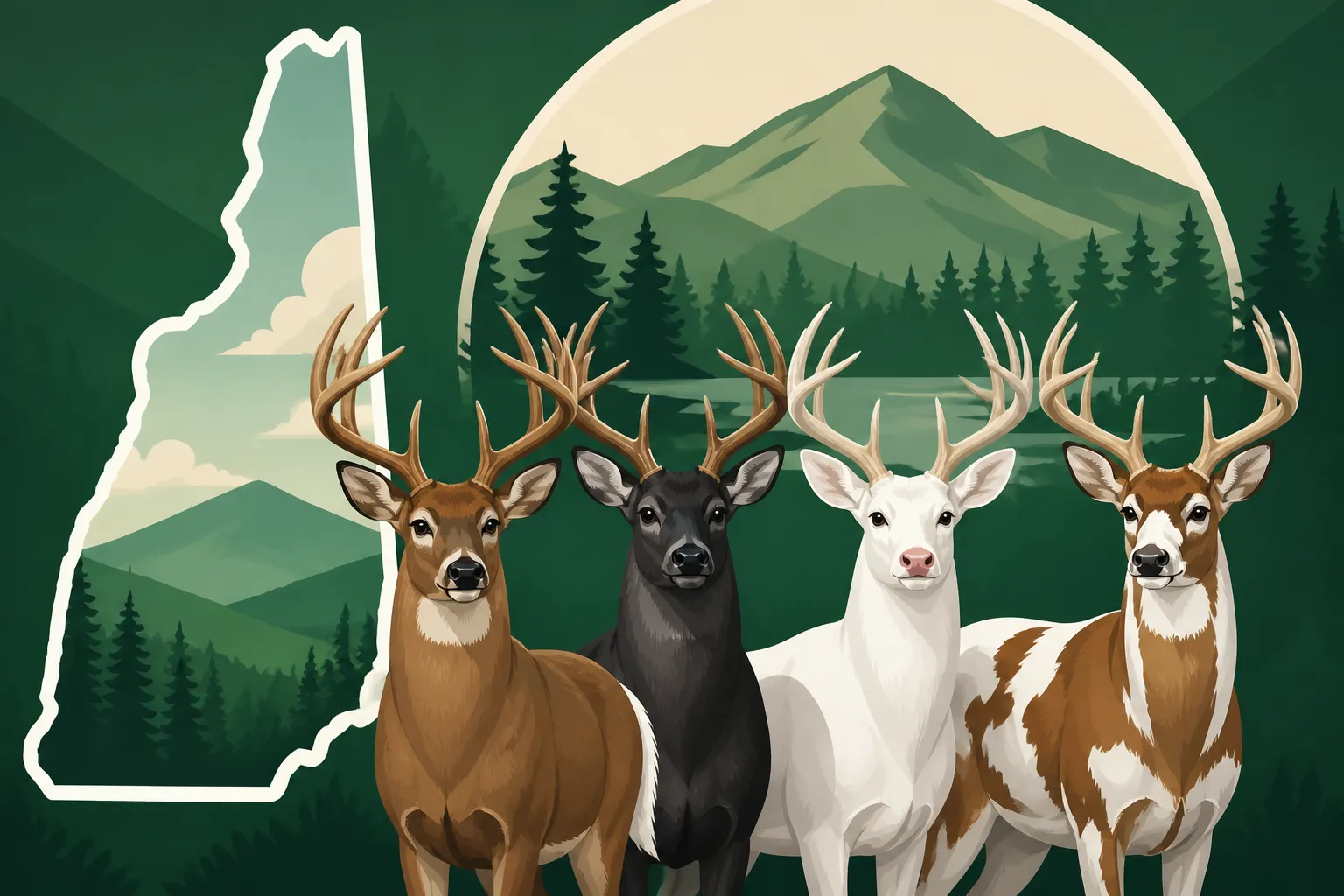
When people talk about a "white deer," they are often referring to an albino. True albinism is characterized by a complete absence of melanin. This means the deer's fur is pure white, its hooves are often pale, and most notably, its eyes are pink or reddish. This pink hue comes from the blood vessels showing through the unpigmented irises.
Albino deer face significant challenges. Their lack of camouflage makes them highly conspicuous in almost any environment, save for the deepest winter snows. They may also suffer from poor eyesight, as melanin plays a role in eye development and protection from sunlight. This can make navigating the woods, finding food, and evading danger much harder.
Because of their striking appearance and the challenges they face, some states have specific protections for albino deer. It's always a good idea to consult the New Hampshire Game Laws Digest or check resources like GoHunt to understand any specific regulations that might apply if you encounter such an animal during hunting season. Many cultures also hold albino animals in reverence, considering them sacred or symbolic, which adds another layer to their unique status.
Leucism: The Partially White Deer
Often confused with albinism, leucism is a distinct condition. A leucistic deer will also have white fur, but unlike albinos, they retain some natural pigmentation. The key difference is that leucistic deer will have normal-colored eyes (usually brown), and often a normal-colored nose and hooves. Their white patches can vary dramatically, from an overall lighter, washed-out appearance to distinct patches of white on a otherwise normally colored coat.
This partial loss of pigmentation means that leucistic deer often have a slightly better chance at survival than true albinos. They might have better vision and some degree of natural camouflage, especially if their white patches are mixed with brown. You might see a deer that looks mostly white but has a brown head, or one that has large white splotches on its body.
These deer are also incredibly rare and are equally captivating to witness. The varying patterns of leucism can be truly beautiful, showcasing the fascinating genetic diversity present even within a single deer herd. Seeing a leucistic deer is certainly a memorable experience that few hunters or outdoors enthusiasts ever get to enjoy.
Melanism: The Black Panther of the Woods
While albinism and leucism result from a lack of pigment, melanism is the exact opposite: an overproduction of melanin. This results in a deer with an unusually dark or even jet-black coat. It's an incredibly rare phenomenon in whitetails, far less common than albinism or leucism, and often catches people completely off guard.
Imagine seeing what looks like a small black bear moving through the timber, only to realize it's a whitetail deer! Their features—the ears, the gait, the tail—are distinctly deer-like, but the solid, dark color is utterly baffling. It's so rare that many hunters go their entire lives without ever seeing a melanistic whitetail.
The reasons for melanism are still somewhat a mystery, but like other color variations, it's tied to genetics. It's thought that the dark coloration might offer some advantages in certain environments, such as very dense, shadowy forests, or potentially for thermoregulation in colder climates. However, its extreme rarity in New Hampshire whitetails suggests it doesn't offer a widespread survival advantage here, making any sighting truly exceptional.
Here's a quick comparison of these rare color phases:
| Trait | Albinism | Leucism | Melanism |
|---|---|---|---|
| Fur Color | Pure white | White, often patchy | Extremely dark / Black |
| Eye Color | Pink or reddish | Normal (brown) | Normal (brown) |
| Nose/Hoof Color | Pink/pale | Normal | Normal |
| Melanin Production | Complete absence | Partial reduction | Overproduction |
| Rarity | Very rare | Very rare | Extremely rare |
| Survival Impact | Poor camouflage, vision problems | Variable, better than albino | Variable, specific advantages in certain conditions |
Documenting and Appreciating a Rare Sighting
Encountering a deer with a rare color phase is an experience that often leaves a lasting impression. Whether you're in a treestand during Hunting New Hampshire's Archery Season Into December or just enjoying a hike, seeing one of these animals is a privilege. How we react and what we do next can be important for both the deer and our understanding of wildlife.
Ethical Considerations for Unique Deer
First and foremost, if you are fortunate enough to spot one of these unique deer, take a moment to simply appreciate the wonder of it. Whether you're a hunter or just an observer, it's a profound connection to the wild. Remember that these animals are part of New Hampshire's natural heritage, and their rarity makes them particularly special.
When it comes to hunting, it's crucial to be aware of local regulations. While many states allow the harvest of leucistic or melanistic deer, some specifically protect albino deer due to their extreme rarity and cultural significance. Before you even head out, it's a good practice to review the current New Hampshire Hunting Licenses and What They Cost and regulations, perhaps using an app like GoHunt to keep up-to-date on any specific stipulations regarding unique color phases.
In the absence of specific prohibitions, many hunters choose to pass on these animals, opting instead to simply enjoy the sighting. It's a personal ethical decision, but one that reflects a deep respect for the uniqueness of the animal. Capturing a photograph, if possible, can be a wonderful way to document the encounter without impacting the animal's life.
Contributing to Wildlife Observation Data
Your sighting of a rare deer isn't just a personal memory; it can also be valuable to wildlife managers. State agencies like New Hampshire Fish and Game are interested in collecting data on these anomalies. Reporting your sighting, even if it's just a general location and a description, can help them track the occurrence of these genetic traits within the deer population. This helps them better understand the health and diversity of our White-Tailed Deer Across New Hampshire.
Sharing your experience with others can also be a positive thing, especially within hunting communities or online forums dedicated to wildlife. However, it's important to do so responsibly. While sharing photos is great, avoid disclosing the exact, precise location of the sighting. This helps protect the individual animal from undue pressure, whether from other hunters or simply too much human disturbance.
By taking photos, reporting to appropriate wildlife agencies, and sharing responsibly, you contribute to a broader appreciation and understanding of New Hampshire's incredible wildlife. Every encounter with a deer, especially one as rare and beautiful as a melanistic, leucistic, or albino whitetail, is an opportunity to learn and grow your connection to the outdoors. It's a reminder that even after years of chasing deer, the woods always have new secrets to reveal.
Disclaimer
This article is for general informational purposes only and does not constitute professional advice. Laws, prices and regulations vary by location and change over time. Consult a qualified professional for guidance on your specific situation.