New Hampshire Bat Population and White-Nose Syndrome
The quiet solitude of a New Hampshire forest at dusk often brings with it the silent, darting flight of bats, a critical part of our ecosystem often overlooked until something goes wrong. If you've spent any time in our woods, you know the delicate balance nature strives for, and the severe threats that can disrupt it. This guide will take a deep dive into the fascinating world of New Hampshire's bat populations, exploring the species that call our state home and the devastating impact of White-Nose Syndrome, offering insight into what's being done and how you, as a fellow outdoor enthusiast, can contribute to their survival.
Understanding New Hampshire's Bat Species and Their Vital Role
New Hampshire is home to a variety of bat species, each playing a crucial role in maintaining the ecological balance of our forests, farmlands, and even our suburban areas. These aren't just spooky creatures of the night; they are incredible insect predators, consuming thousands of mosquitoes, moths, and agricultural pests every single night. Imagine the sheer volume of insects a colony of bats can consume – it's a natural pest control service that benefits everyone, from farmers to backyard barbecue enthusiasts. Without them, we'd be facing a much larger insect problem, impacting crops, forest health, and our comfort outdoors.
Common Bat Species Found in New Hampshire
Our state supports several native bat species, each with unique habitat preferences and behaviors. Understanding these species is the first step to appreciating their importance and the challenges they face. The majority of these species are insectivores, meaning their diet consists almost entirely of flying insects, which they expertly catch using echolocation. This specialized hunting technique allows them to navigate and hunt in complete darkness, a marvel of natural engineering.
Take, for instance, the Little Brown Bat (Myotis lucifugus), historically one of the most common species across North America, including right here in New Hampshire. They're often found roosting in attics, barns, or tree hollows during the summer, before migrating to underground caves and abandoned mines for hibernation in the colder months. Then there's the Big Brown Bat (Eptesicus fuscus), another relatively common species, known for its ability to tolerate colder temperatures and often found hibernating in buildings. These bats are incredibly resilient, but even they are not immune to the threats that emerge. Other species, like the Eastern Small-footed Bat (Myotis leibii) and the Northern Long-eared Bat (Myotis septentrionalis), are more particular about their habitat, often preferring rock crevices or specific types of forest stands. While you're Scouting New Hampshire Public Land Before Season for game, you might even stumble upon signs of their presence, like guano piles under a favored roost tree.
The Ecological Contributions of New Hampshire Bats
The services bats provide to our ecosystem are invaluable. Beyond just eating mosquitoes, their predation helps control populations of agricultural pests, reducing the need for chemical pesticides. This, in turn, contributes to healthier soil, water, and ultimately, healthier game species like deer and turkeys that rely on these environments. Think about the economic impact: if bats weren't here doing their job, farmers would spend significantly more on pest control, and we'd all be dealing with more biting insects when we're trying to enjoy a quiet evening by the campfire.
Furthermore, bats play a role in nutrient cycling. Their guano (feces) provides rich fertilizer in the caves and mines where they roost, supporting unique cave ecosystems. In tropical climates, bats are also important pollinators and seed dispersers, but here in New Hampshire, their primary ecological niche is insect control. The sheer number of insects they consume each night is staggering, creating a cascade of positive effects throughout the food web. Their presence is a strong indicator of a healthy, functioning ecosystem. If we see a decline in bat populations, it’s often a red flag that something deeper is amiss in the environment.
The Devastating Impact of White-Nose Syndrome in New Hampshire
Unfortunately, New Hampshire's bat populations have faced a severe threat over the last decade and a half: White-Nose Syndrome, or WNS. This fungal disease has decimated bat colonies across North America, and our state has been no exception. It's not just a localized problem; it's an ecological crisis that has pushed several bat species to the brink of extinction. When you hear about it, it's easy to feel helpless, but understanding what it is and how it spreads is vital to finding solutions.
What is White-Nose Syndrome?
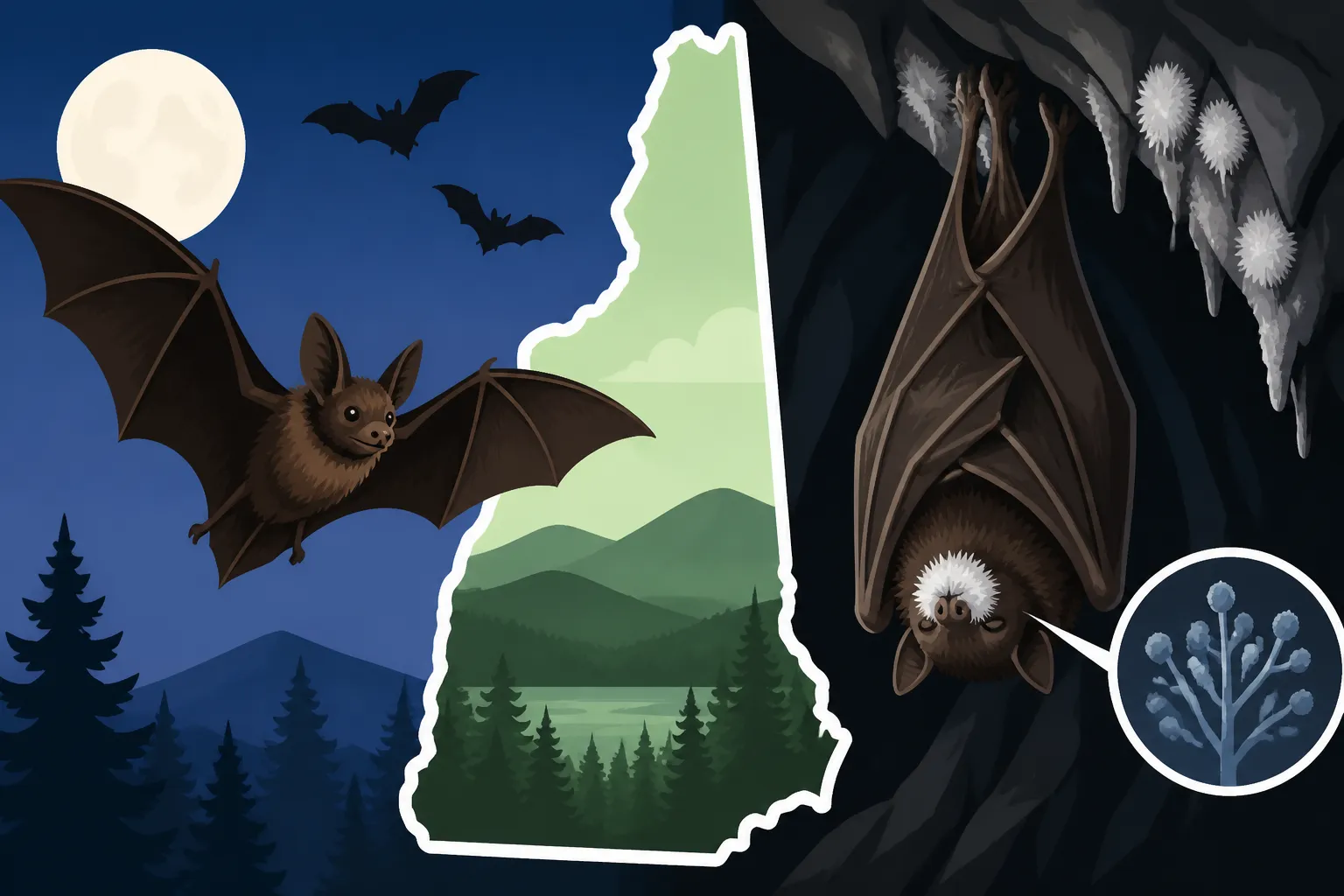
White-Nose Syndrome is caused by a cold-loving fungus called Pseudogymnoascus destructans (or Pd for short). This fungus thrives in the cold, damp conditions found in caves and mines where bats hibernate. It grows on the bats' muzzles, ears, and wings, giving it the characteristic "white nose" appearance. But it's not just a surface infection; it's a deadly disease that disrupts the bats' hibernation cycle. Infected bats wake up more frequently during hibernation, burning through their fat reserves much faster than they should. This leads to starvation and dehydration, as there are no insects to eat or water sources readily available during the winter.
The disease spreads incredibly quickly from bat to bat through direct contact in crowded hibernacula. It can also be spread by humans who enter contaminated caves and then inadvertently carry fungal spores to new, unaffected sites on their clothing or gear. The fungus itself can persist in the environment for years, making a single contaminated site a long-term threat. The first confirmed case in New Hampshire was back in 2009, and since then, we've seen a tragic decline in our hibernating bat populations. It's a stark reminder of how quickly a novel pathogen can devastate wildlife.
The Decline of New Hampshire's Bat Populations
The impact of White-Nose Syndrome on New Hampshire's bat populations has been catastrophic. Species like the Little Brown Bat, which were once abundant, have seen declines estimated at over 90% in many areas. Imagine walking into a hibernaculum that once housed tens of thousands of bats, only to find a mere few hundred. It's a ghost town, a silent testament to the fungus's destructive power. The Northern Long-eared Bat has also been severely affected, leading to its listing as an endangered species at the federal level.
This drastic reduction in numbers has ripple effects throughout the ecosystem. While the full long-term consequences are still being studied, it's clear that a significant reduction in natural insect predators can lead to an increase in insect populations, potentially impacting forest health and agricultural yields. We're talking about entire generations of bats wiped out in a relatively short period. The slow recovery of these long-lived, slow-reproducing animals means that the road back to healthy populations, if it's even possible for some species, will be incredibly long. It highlights the importance of broader wildlife disease monitoring programs, such as those that track New Hampshire Deer and Moose Disease Monitoring.
Conservation Efforts and How Hunters Can Help
Facing such a widespread and devastating disease can feel overwhelming, but dedicated researchers, conservationists, and government agencies are actively working to combat White-Nose Syndrome and protect our remaining bat populations. These efforts range from scientific research to public outreach, and as hunters and outdoor enthusiasts, we all have a role to play in supporting these crucial initiatives. Understanding how to interact with the environment responsibly is key.
Research and Mitigation Strategies
Scientists are tirelessly researching WNS, trying to understand the fungus better, find treatments, and develop mitigation strategies. This includes studying antifungal agents that can be applied in hibernacula, exploring probiotics that could boost bats' natural defenses, and investigating genetic resistance in surviving bat populations. It's a race against time, with dedicated teams often working in challenging underground environments.
One approach involves environmental manipulation within hibernacula, attempting to alter temperature or humidity to make conditions less favorable for fungal growth. Another area of focus is on developing vaccines or treatments that can be administered to bats before or during hibernation, although this presents significant logistical challenges with wild populations. Long-term monitoring of surviving colonies is also critical to track recovery rates and identify any emerging resistance to the disease. The goal isn't just to stop the spread but to help the populations that remain to thrive and reproduce. When you use tools like GoHunt to explore different WMUs, think about how understanding the local ecology, from bat populations to deer yards, gives you a fuller picture of the health of that habitat.
How Hunters and Outdoor Enthusiasts Can Contribute
As individuals who spend a lot of time in New Hampshire's wild spaces, hunters are uniquely positioned to assist in bat conservation efforts. Our deep connection to the land and keen observation skills can be invaluable.
Here are a few ways you can help:
- Avoid Disturbing Bat Roosts and Hibernacula: If you discover a cave, mine, or even an old building that appears to be a bat roost or hibernation site, especially during the fall and winter, avoid disturbing it. Entering these sites can spread the WNS fungus, even if you don't see bats. Respect posted closures or recommendations from New Hampshire Fish and Game.
- Decontaminate Gear: If you do enter a cave or mine for any reason (e.g., caving, exploration) outside of bat season, follow strict decontamination protocols for your clothing, footwear, and equipment. The spores can stick to gear, and you could inadvertently transport them to a new location.
- Report Sick or Dead Bats: If you encounter bats exhibiting unusual behavior, or find dead bats, particularly near cave entrances or during the winter, report it to New Hampshire Fish and Game. This data helps agencies track the spread of WNS and monitor population health.
- Support Conservation Efforts: Financial contributions or volunteer time to organizations dedicated to bat conservation can make a real difference. Advocacy for habitat protection and responsible land management also contributes significantly.
- Educate Others: Share your knowledge about bats and WNS with fellow hunters, hikers, and friends. Dispelling myths about bats and highlighting their ecological importance can foster a greater appreciation and desire for their protection. This kind of grassroots awareness is essential for any major conservation effort, just as understanding New Hampshire's CWD Prevention Rules is vital for deer hunters.
Monitoring and Management of Bat Populations
The long-term health of New Hampshire's bat populations depends heavily on ongoing monitoring and proactive management strategies. The New Hampshire Fish and Game Department, in collaboration with federal agencies and conservation groups, plays a crucial role in these efforts. Their work provides the data necessary to understand population trends, assess the effectiveness of conservation actions, and adapt management plans as new information becomes available.
New Hampshire Fish and Game Department's Role
The New Hampshire Fish and Game Department leads much of the state's bat monitoring and management. This involves annual surveys of known hibernacula to count surviving bats, acoustic monitoring to track summer foraging activity, and public outreach campaigns to raise awareness. These efforts are often challenging, requiring specialized equipment and dedicated personnel to survey remote and often dangerous underground sites.
The department uses this data to inform management decisions, such as identifying critical bat habitats that need protection, evaluating the success of WNS mitigation techniques, and setting guidelines for public access to sensitive areas. They also collaborate with landowners to encourage bat-friendly practices on private lands, recognizing that conservation is a shared responsibility. Just as they manage game species in New Hampshire Wildlife Management Areas, they are also stewards of our non-game wildlife.
Here's a look at common monitoring methods:
| Monitoring Method | Description | Purpose |
|---|---|---|
| Hibernacula Surveys | Direct counting of bats (often visually or with specialized cameras) in caves and mines during winter hibernation. | Tracks hibernating population numbers and WNS impacts. |
| Acoustic Monitoring | Using ultrasonic detectors to record bat calls (echolocation) in various habitats during summer. Calls are later analyzed to identify species. | Assesses foraging activity, presence/absence of species, and relative abundance over time. |
| Mist Netting | Setting up fine nets across potential bat flight paths at night to capture bats temporarily for identification, health checks, and banding before release. | Confirms species presence, collects biometric data, and tracks individual bats. |
| Guano Collection | Collecting bat droppings from roost sites to analyze diet (insect DNA), parasite load, and stress hormones. | Provides insights into diet, health, and environmental contaminants. |
| Telemetry Studies | Attaching small radio transmitters to bats to track their movements, roosting sites, and foraging areas. | Locates critical habitats and understands movement patterns. |
The Importance of Long-Term Monitoring
Long-term monitoring programs are absolutely critical for understanding the true impact of WNS and the potential for recovery. Bats are long-lived animals, and their populations reproduce slowly, so it takes many years to see significant changes, even under favorable conditions. Consistent data collection allows biologists to discern natural fluctuations from disease-related declines and to evaluate if specific conservation interventions are actually working. Without this long-term perspective, we'd be flying blind, unable to make informed decisions about the best ways to protect these vulnerable creatures.
Moreover, ongoing monitoring helps identify new threats or changes in existing ones. For instance, understanding the geographic spread of WNS and its intensity in various regions, including those within New Hampshire's White Mountain National Forest, allows for targeted responses. It's a continuous learning process, and every piece of data, whether collected through a dedicated scientific expedition or a careful observation by an outdoor enthusiast, contributes to the bigger picture of bat conservation. Our commitment to these creatures is not just about bats; it's about the health of the entire wild ecosystem that makes New Hampshire such a special place to live and hunt.
Disclaimer
This article is for general informational purposes only and does not constitute professional advice. Laws, prices and regulations vary by location and change over time. Consult a qualified professional for guidance on your specific situation.