Finding a New Hampshire WMA Near You
One of the biggest hurdles many hunters face in New Hampshire isn't the steep granite terrain or the unpredictable weather; it's simply figuring out where to go. Our state boasts incredible public lands, but sometimes it feels like finding a specific Wildlife Management Area (WMA) is like trying to locate a hidden spring in the deep woods. This guide aims to clear up that confusion, helping you confidently pinpoint WMAs near you and understand what they offer for your next hunt.
Understanding New Hampshire's Wildlife Management Areas (WMAs)
When you hear "public land," your mind might jump to the sprawling White Mountain National Forest, and rightly so. But New Hampshire's Wildlife Management Areas (WMAs) are a special category, specifically acquired and managed by the New Hampshire Fish and Game Department for wildlife and outdoor recreation, primarily hunting and fishing. These aren't just patches of woods; they are carefully tended ecosystems designed to provide critical habitat for game species, which in turn offers fantastic opportunities for us hunters.
What Exactly is a WMA?
Think of a WMA as a dedicated piece of land, purchased or managed through various agreements, with the explicit goal of enhancing wildlife populations and providing public access for hunting, trapping, and other outdoor pursuits. Unlike some state forests or parks that might have multiple objectives, WMAs prioritize wildlife first and foremost. This means you'll often find habitat management practices actively underway, from timber stand improvements to wetland restorations, all designed to make the land more productive for deer, turkey, bear, waterfowl, and small game. These aren't pristine wilderness areas untouched by man; they are dynamic, working landscapes.
The boundaries of WMAs can vary wildly in size and shape, from a few dozen acres nestled near a town to expansive tracts stretching for thousands of acres in more remote regions. What they all share, however, is that core mission: managing for healthy wildlife populations and providing us, the public, with places to ethically pursue them. It’s a vital part of our state’s conservation legacy, ensuring future generations will have places to hunt just as we do.
Why WMAs are Crucial for Hunters
In a state like New Hampshire, where private land makes up a significant portion of our landscape, WMAs are absolutely essential. They represent guaranteed access for us. No need to knock on doors and ask for permission, no worries about "Posted" signs appearing overnight. WMAs are our land, bought and paid for, or conserved, through our license fees and federal excise taxes on hunting equipment. This is where the rubber meets the road for public land hunting.
Beyond just access, WMAs often provide some of the best hunting experiences available. Because they are managed for wildlife, they tend to concentrate game. You might find meticulously maintained food plots, strategically placed cover, or wetlands managed for migratory birds. This focus means that WMAs can be incredibly productive, offering consistent opportunities if you know how to scout and hunt them effectively. They're often key to Habitat Work on New Hampshire Wildlife Management Areas, which translates directly into better hunting. Whether you're chasing a ruffed grouse in a regenerating clear-cut or sitting patiently for a whitetail along a beaver flowage, WMAs provide the stage for many successful hunts.
The Balance of Recreation and Conservation
It’s important to remember that WMAs are multi-use areas, even with a primary focus on wildlife. While hunting is a major component, you might also encounter hikers, birdwatchers, anglers, or even cross-country skiers, depending on the season and specific WMA. This means we, as hunters, have a responsibility to be good stewards and share the land respectfully. Understanding that these areas serve a broader public helps foster a positive image for hunting.
The conservation aspect is always at the forefront. The habitat work, the ongoing surveys, the population management – it's all about ensuring the long-term health of our wildlife and the ecosystems they inhabit. Every time you buy a license, you're directly contributing to this vital work, not just within WMAs but across the state. It’s a delicate balance to allow public recreation while ensuring the core mission of wildlife conservation isn't compromised, and our New Hampshire Fish and Game Department does an admirable job managing this intricate relationship.
Navigating the Search: Tools and Resources
Finding a WMA can sometimes feel like a treasure hunt, especially if you're new to an area or just starting out in New Hampshire hunting. Thankfully, we live in an age where there are fantastic resources at our fingertips that make this process much easier than it used to be. Gone are the days of poring over faded paper maps in a gas station; now, a few clicks or taps can reveal a wealth of information.
The New Hampshire Fish and Game Department Website
Your absolute first stop for anything related to hunting in New Hampshire should always be the New Hampshire Fish and Game Department's official website. This isn't just a regulatory body; it's a goldmine of information. They have dedicated sections that list all the WMAs in the state, often with detailed descriptions, maps, and specific rules for each area. You'll find information about the types of habitat, common game species, and any special access considerations or restrictions.
Beyond just lists, the website often provides downloadable PDF maps that you can print out or save to your phone for offline use. It’s also where you'll find the annual hunting digest, which is crucial for understanding specific regulations that might apply to a particular WMA. Don't overlook the "Wildlife" and "Hunting" sections, as they often contain news updates about habitat projects or changes in WMA status. It's truly the definitive source for up-to-date and accurate information, directly from the folks who manage these lands.
Digital Mapping Applications for Hunters
In the modern hunting world, digital mapping applications have become indispensable. These tools put incredibly detailed maps, property lines, and public land boundaries right into the palm of your hand, often with satellite imagery, topographic maps, and other useful layers. Two popular names you'll often hear among New Hampshire hunters are onX Hunt and GoHunt.
Applications like onX Hunt allow you to clearly see WMA boundaries, often highlighted in distinct colors, along with adjacent private land, topography, and even timber cut data. You can mark waypoints, measure distances, and track your movements, all invaluable for Scouting New Hampshire Public Land Before Season. Imagine being able to see exactly where a WMA ends and private land begins, even deep in the woods, or identifying potential pinch points and bedding areas from the comfort of your home. It takes a lot of the guesswork out of scouting and helps you plan your hunt with precision. Similarly, GoHunt provides a robust platform for e-scouting, offering detailed public land maps and advanced analytics that can give you an edge. These apps are often updated regularly, ensuring you have the most current information on boundaries and land status. While cell service can be spotty in the backcountry, most of these apps allow you to download maps for offline use, which is a lifesaver when you're deep in the North Country. Just make sure you get your maps downloaded before you head out!
Local Knowledge and Word-of-Mouth
While digital tools are fantastic, nothing truly replaces local knowledge. Talk to other hunters, connect with local sporting goods stores, or even engage with members of local conservation groups. These folks often have invaluable insights into specific WMAs – which ones get heavy pressure, which ones might be diamonds in the rough, or where the best access points are. They might know about a forgotten logging road or a particular stand of mast trees that only produces every few years.
Of course, take everything with a grain of salt, and always verify information with your own scouting and official maps. But a friendly conversation at the local diner or gear shop can sometimes spark an idea or point you towards an area you might have overlooked on a map. There's a rich tradition of sharing knowledge within the hunting community, and tapping into that can be incredibly rewarding. Just remember to be respectful of others' hard-earned spots; asking for general guidance is one thing, demanding someone's secret honey hole is another.
Strategies for Locating WMAs in Your Region
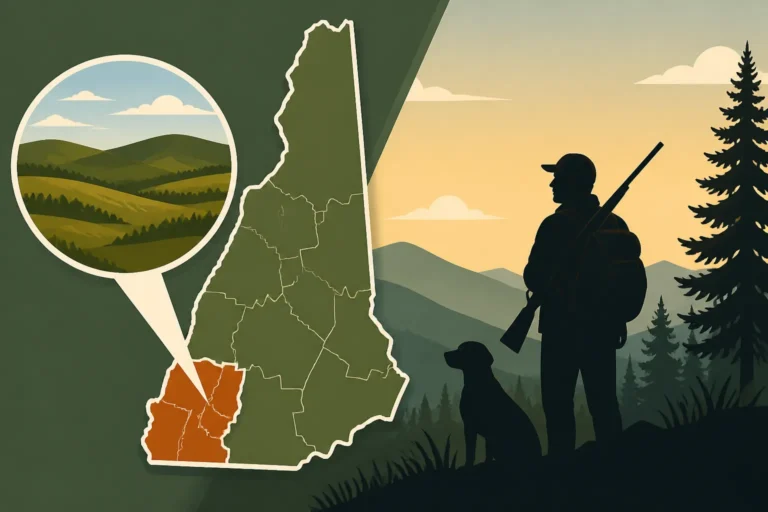
Once you understand what WMAs are and have your tools ready, it's time to zero in on actually finding one that suits your hunting goals. New Hampshire is a diverse state, from the rugged White Mountains to the rolling hills of the Monadnock region, and the WMAs reflect that variety. Tailoring your search to your specific location and target species will make the process much more efficient.
Starting with Your County or WMU
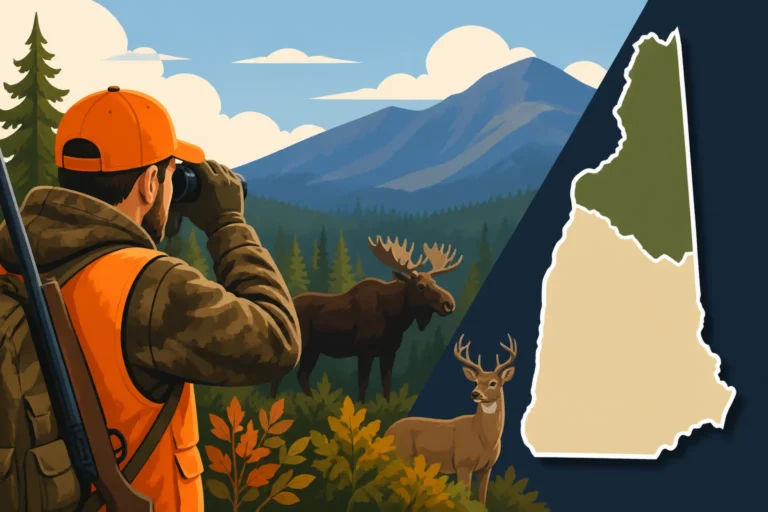
The most logical starting point is to focus on the county you live in or plan to hunt. New Hampshire has ten counties, each with its own character and potential WMA offerings. For instance, if you're in Coos County, you'll likely find larger, more remote WMAs, while Hillsborough County might offer smaller, more fragmented parcels. Similarly, our state is divided into Wildlife Management Units (WMUs) for deer management, and these units often provide a good framework for understanding regional hunting opportunities. New Hampshire's WMU-Based Deer Season Structure directly influences where and when you can hunt, and WMAs fall within these zones.
The New Hampshire Fish and Game website often allows you to filter WMA searches by county or region, which can quickly narrow down your options. Once you have a list of WMAs in your area of interest, you can start digging deeper into each one. Don't be afraid to look at neighboring counties as well; a short drive might open up new opportunities you hadn't considered. The goal here is to get a manageable list of WMAs that are within a reasonable travel distance for you.
Identifying Key Habitat Types
Different WMAs offer different types of habitat, and understanding this is crucial for finding the right one for your target species. Are you after ruffed grouse? You'll want to look for WMAs with young, regenerating forest stands, dense thickets, and perhaps some old apple orchards. Bowhunting for deer? Look for WMAs with a mix of hardwoods and softwoods, good transition zones, and proximity to agricultural fields if possible. Hunting a Beaver Flowage Edge can be incredibly productive for deer, bear, and waterfowl, so seek out WMAs with significant wetland components.
Here's a quick reference for common WMA types and what you might find there:
| WMA Habitat Type | Primary Game Species | Key Characteristics |
|---|---|---|
| Upland Forest (Hardwoods) | Deer, Turkey, Bear, Grouse | Mature oaks, beeches, maple; good for mast crops; rolling terrain, potential clear-cuts. |
| Upland Forest (Softwoods) | Deer, Bear, Snowshoe Hare, Grouse | Dense conifer stands, good thermal cover, often found at higher elevations or wet areas. |
| Wetlands/River Bottoms | Waterfowl, Deer, Bear, Furbearers | Marshes, swamps, beaver flowages, river corridors; prime for migratory birds and edge cover. |
| Mixed Habitat | All species | Combination of forest, field, and wetland; highly diverse, often excellent for deer and turkey. |
| Old Fields/Brushy Areas | Deer, Turkey, Small Game | Abandoned farm fields, brushy transitions, young regeneration; food and bedding cover. |
Using your digital mapping apps, you can often toggle between satellite imagery and topographic maps to quickly identify these habitat types from home. Look for variations in tree cover, open areas, and water features. This kind of e-scouting can save you countless hours in the field and help you prioritize which WMAs to physically visit.
Planning Your Pre-Season Scouting Trips
Once you've identified a few promising WMAs, the next step is to get boots on the ground. Pre-season scouting is absolutely critical for successful WMA hunting. These aren't private, manicured properties; they are wild, dynamic environments, and conditions can change year to year. During your scouting trips, pay close attention to access points, parking areas, and any posted rules or informational kiosks at the entrance. Scouting New Hampshire Public Land Before Season is not just about finding game sign, it's about understanding the land itself.
Walk the trails, explore the timber edges, and look for game sign: tracks, rubs, scrapes, droppings, and feeding areas. Try to identify bottlenecks, funnels, and natural travel corridors. Look for water sources and potential bedding areas. Even if you don't find a monster buck, you'll gain invaluable knowledge about the WMA's layout, the type of pressure it receives, and the general movement patterns of game in that specific area. This hands-on experience is irreplaceable and will greatly increase your chances of success once the season opens.
Common Questions and Practical Considerations for WMA Hunting
Hunting WMAs comes with its own set of unique circumstances and considerations that are different from private land. It's not just about knowing where they are, but also how to legally and effectively hunt them while respecting the resource and other users. Being prepared for these realities will ensure a smoother, more enjoyable experience.
Understanding Specific WMA Regulations
While general New Hampshire hunting laws apply, individual WMAs can sometimes have specific rules or restrictions that you need to be aware of. These might include limitations on vehicle access, prohibitions on certain types of baiting, specific camping rules, or even designated "safety zones" around residential areas if a WMA abuts private property. For example, some WMAs might be shotgun-only for turkeys, even if rifles are allowed in other areas for deer.
It is absolutely vital to check the New Hampshire Fish and Game Department website or any kiosks at the WMA entrance for these specific regulations before you hunt. Ignorance of the law is never an excuse, and a simple oversight could lead to a fine or, worse, a lost hunting privilege. Always double-check the current hunting digest and any WMA-specific information sheets. This diligence ensures you're hunting legally and ethically, preserving your right to access these important public lands.
Accessing and Navigating WMA Land
Access to WMAs can vary widely. Some might have well-maintained parking areas and marked trails, while others might be truly wild, requiring you to park on the shoulder of a logging road and hike in from there. Remember that vehicle use is often restricted to designated roads or parking areas; you can't just drive wherever you please. Be mindful of closed gates, especially during certain seasons, as these are often in place to protect sensitive areas or to manage hunting pressure.
When navigating WMAs, especially in the larger, more remote ones, always carry reliable navigation tools. A GPS unit or a digital mapping app like onX Hunt with downloaded offline maps is your best friend. Cell service can be non-existent in many parts of New Hampshire's WMAs, so relying solely on your phone's connection is a recipe for getting lost. Know your way in, and more importantly, know your way out. Terrain can be rugged, and trails might be poorly marked, so always have a plan and share it with someone not hunting with you. Using a Ground Blind on Public Land or Hanging a Stand on a Granite Ridge also requires understanding specific WMA rules on placement and duration.
Respecting Boundaries and Other Users
One of the critical aspects of hunting public land, and especially WMAs, is understanding and respecting boundaries. While WMAs are public, they are often surrounded by private property. It's your responsibility to know exactly where the public land ends and private land begins. Digital mapping apps are incredibly helpful for this, but also pay attention to survey markers, paint blazes on trees, or "Posted" signs. Unintentional trespass is still trespass, and it can quickly sour relations between landowners and hunters.
Furthermore, remember you're sharing the woods. You might encounter other hunters, hikers, dog walkers, or nature enthusiasts. A friendly nod and a polite greeting go a long way. Be mindful of your noise levels, especially early in the morning or late in the evening. If you come across another hunter's stand or ground blind, give it a wide berth and find another spot. We all have a right to enjoy these lands, and mutual respect ensures everyone has a positive experience. This is especially true for Hunting Pressure on New Hampshire Public Land, where multiple hunters might be in the same general area.
Exploring Specific WMA Types and Opportunities
New Hampshire's WMAs are as diverse as the state itself, offering a wide array of hunting opportunities. Understanding the different types of WMAs and what they typically hold can help you narrow your search and maximize your chances of success. It's not a one-size-fits-all approach; each WMA has its own character and specialties.
Wetland WMAs for Waterfowl and Furbearers
Many WMAs in New Hampshire are centered around significant wetland complexes, beaver flowages, marshes, and river bottoms. These are absolutely prime locations if your passion lies in pursuing waterfowl, beavers, muskrats, or even deer and bear that frequent these "edge" habitats. New Hampshire Waterfowl on the Atlantic Flyway are drawn to these areas, especially during migration.
These areas are characterized by standing water, dense emergent vegetation like cattails and phragmites, and often flooded timber. They can be challenging to navigate, often requiring waders or even a small boat or canoe, but the rewards can be substantial. For waterfowl hunters, setting up decoys in a marsh or along a riverbend can lead to fantastic action. Trappers will find these areas productive for furbearers. For deer hunters, the thick cover and consistent water sources in a wetland WMA can hold big bucks, especially in the late season when pressure pushes them into dense, hard-to-reach places. Patience and good waterproof gear are your best assets here.
Upland Forest WMAs for Deer, Bear, and Turkey
The majority of New Hampshire's WMAs feature extensive upland forest, ranging from mature northern hardwoods to mixed pine and spruce stands. These are the workhorses for deer, bear, and turkey hunters. In these areas, wildlife management might involve selective timber harvesting to create early successional habitat, which is fantastic for deer browse and turkey brooding. You might find clear-cuts from a few years ago that are now thick with regenerating saplings, offering dense cover for deer and excellent grouse habitat.
Hunting in these WMAs often involves still-hunting, finding good ambush points along ridge lines, or setting up near mast crop trees like oak or beech. Look for natural funnels, saddles, and terrain features that concentrate game movement. Hunting a Ridge-Top Saddle for Rutting Bucks can be incredibly productive. These forest WMAs can be extensive, offering opportunities for longer, more strenuous hunts away from common access points, which can sometimes lead to encountering less-pressured animals. A good topo map and the ability to read terrain are invaluable in these settings.
Less-Pressured WMAs: Finding Hidden Gems
While popular WMAs near urban centers can see significant hunting pressure, New Hampshire still holds many lesser-known or harder-to-access WMAs that offer a more solitary experience. Finding these hidden gems often requires a bit more effort, both in research and in physical exertion, but it can be incredibly rewarding.
Start by looking at the less obvious WMAs on the Fish and Game website. Are there any smaller parcels that might be overlooked? Do any require a longer hike in, or perhaps have limited parking? These factors often deter less dedicated hunters, opening up opportunities for those willing to put in the work. Pay attention to WMAs located in more remote parts of the state, especially in the North Country or along the fringes of the White Mountain National Forest. Often, these WMAs act as critical transitional zones or buffers to larger wilderness areas. By embracing the challenge of Finding Ground That Sees Fewer Hunters, you might discover a new favorite spot where you can enjoy the peace of the woods and the thrill of the hunt with minimal competition. Sometimes, the less "advertised" a WMA feels, the better the experience can be.
Disclaimer
This article is for general informational purposes only and does not constitute professional advice. Laws, prices and regulations vary by location and change over time. Consult a qualified professional for guidance on your specific situation.