New Hampshire’s Recovering River Otter Population
New Hampshire river otters are recovering across local freshwater systems, highlighting their habitats, physical traits, and ecological roles.
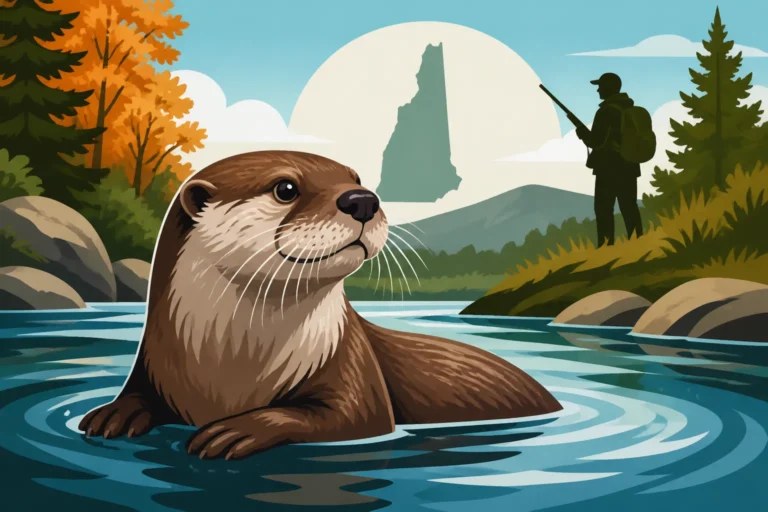
New Hampshire river otters are recovering across local freshwater systems, highlighting their habitats, physical traits, and ecological roles.
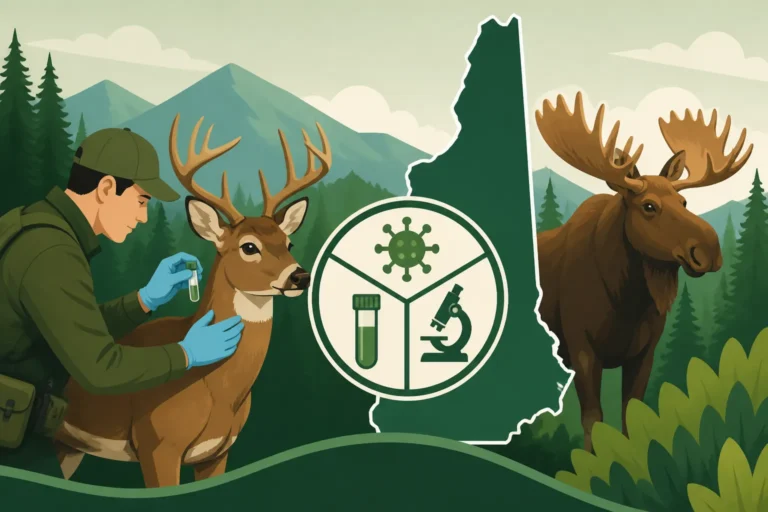
New Hampshire wildlife disease monitoring tracks deer and moose health, explaining how hunters help protect state game populations.
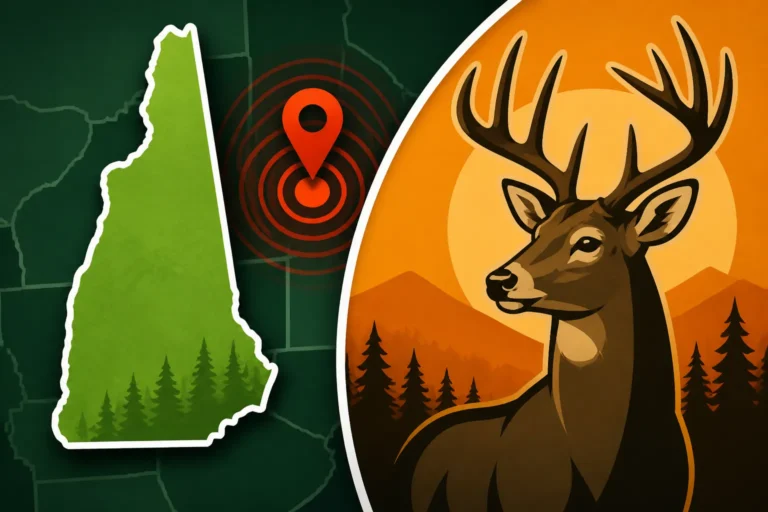
New Hampshire deer and moose status, nearest confirmed Chronic Wasting Disease cases, and prion transmission details to keep herds safe.
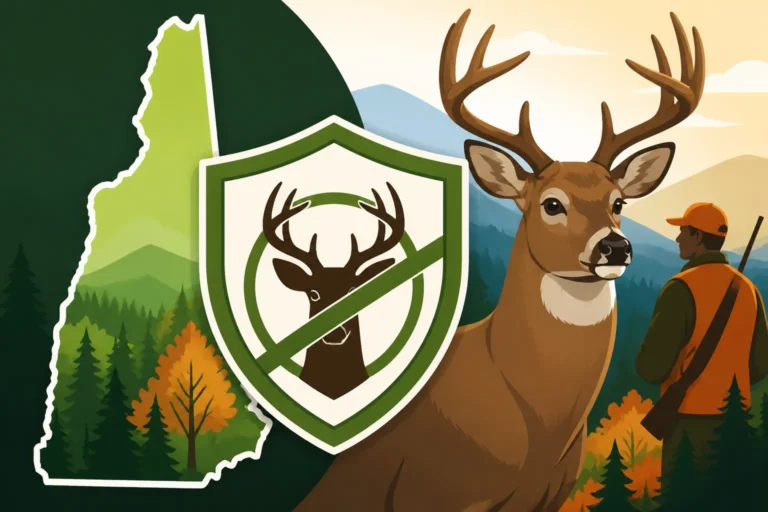
New Hampshire remains free of Chronic Wasting Disease through proactive measures and hunter vigilance to protect local deer.
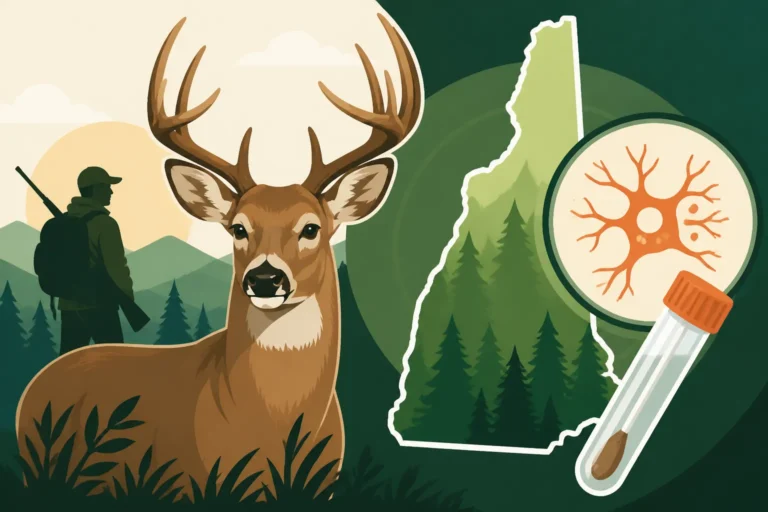
New Hampshire’s chronic wasting disease surveillance program protects white-tailed deer and moose populations from fatal neurological infections.
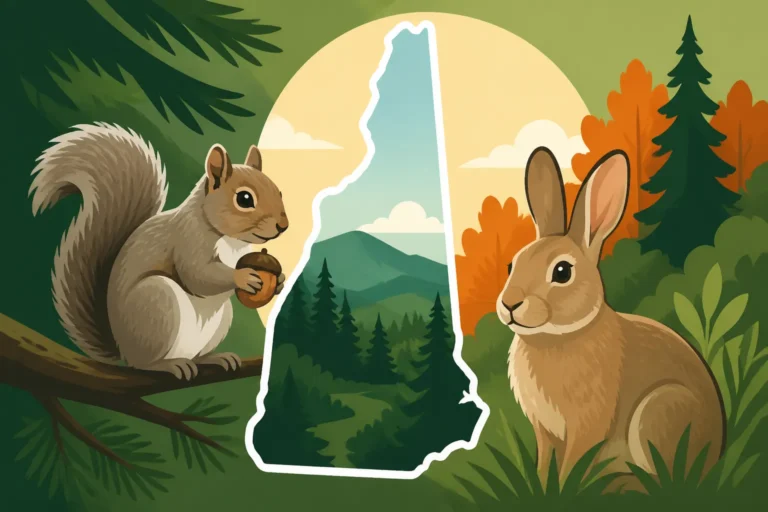
New Hampshire gray squirrels, red squirrels, eastern cottontails, and snowshoe hares provide stable small game hunting opportunities.
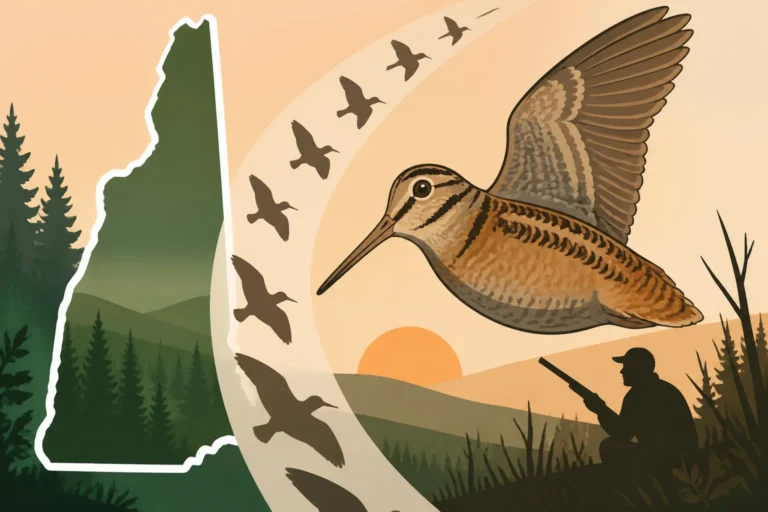
New Hampshire geography within the Atlantic Flyway concentrates American woodcock, explaining why the state attracts migrating birds.
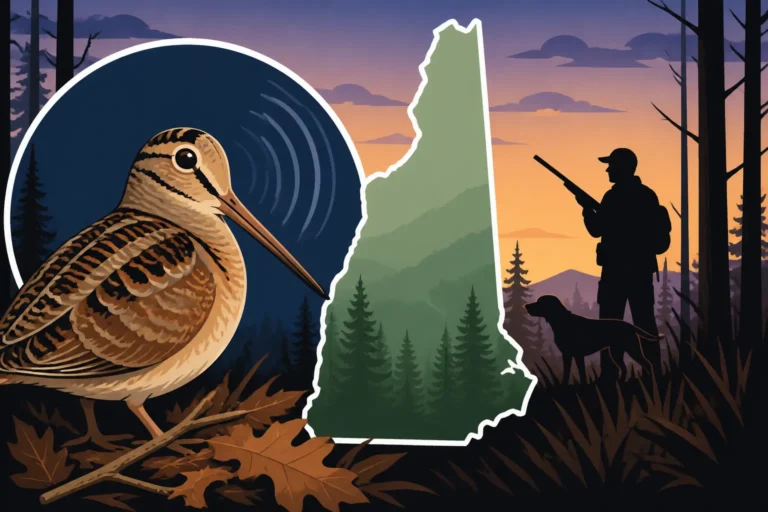
New Hampshire woodcock singing ground surveys monitor breeding populations by recording calling males along predetermined spring routes.
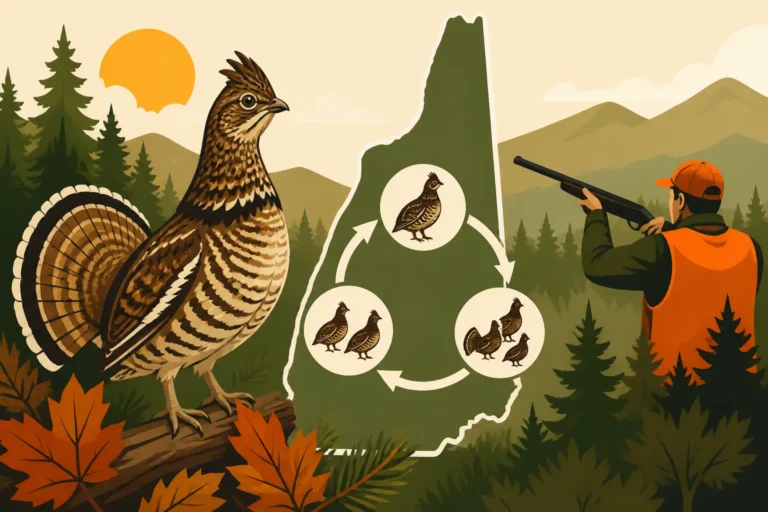
New Hampshire ruffed grouse population cycles follow a ten-year oscillation, featuring alternating high population booms and low scarcity busts.
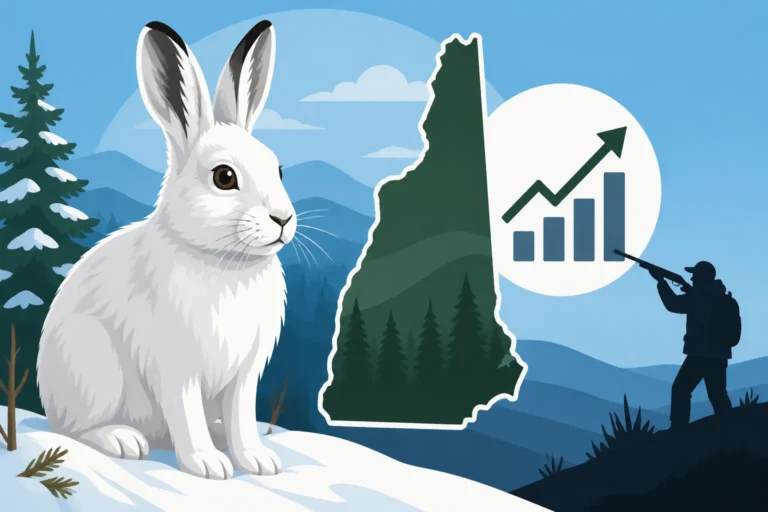
New Hampshire snowshoe hare population trends explain seasonal camouflage, breeding habits, and winter survival challenges for hunters.