New Hampshire’s Recovering Fisher Population
New Hampshire fisher populations are recovering through conservation, showing how weasel family members survived fur trapping and habitat loss.

New Hampshire fisher populations are recovering through conservation, showing how weasel family members survived fur trapping and habitat loss.

New Hampshire bobcat population trends, biology, historical challenges, and local habitats are examined for wildlife watchers and hunters.
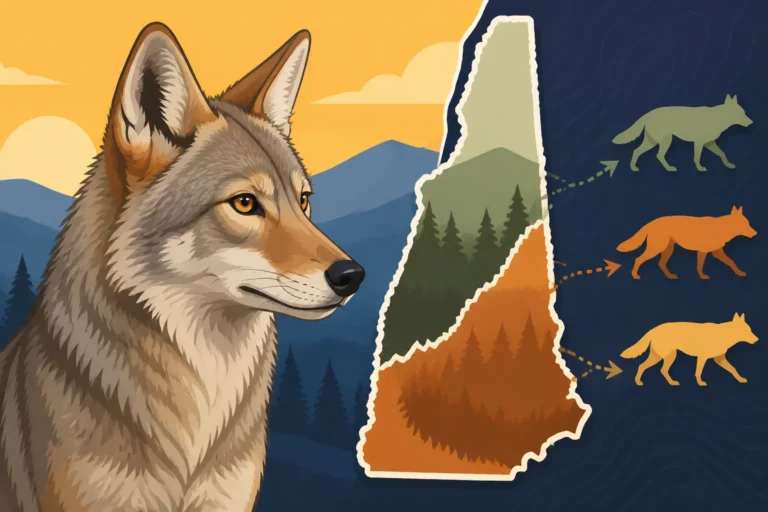
New Hampshire eastern coyotes feature unique wolf genetics and larger bodies that explain their distinct regional adaptations.
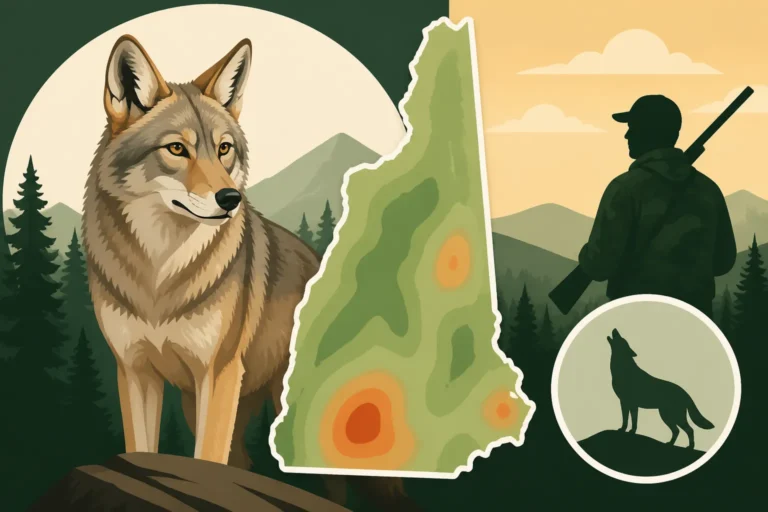
New Hampshire coyote range and population density details, including their history, physical traits, and ecosystem roles.
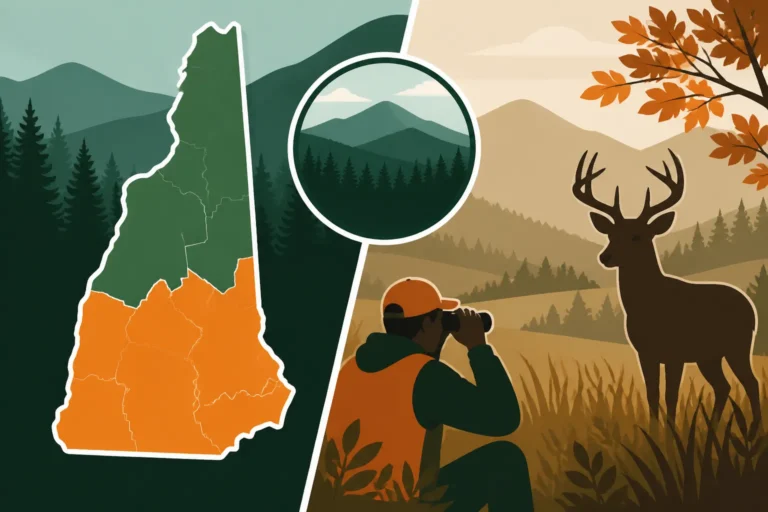
New Hampshire waterfowl hunting zones, featuring Northern and Inland boundaries, determine migratory bird season dates and bag limits.
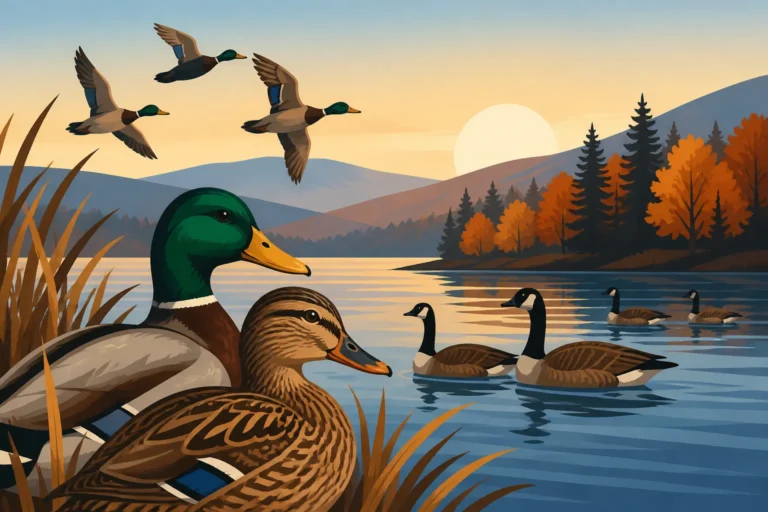
Hunting mallards and Canada geese along the Connecticut River requires understanding migratory routes and seasonal weather patterns.

New Hampshire’s position on the Atlantic Flyway helps waterfowl hunters anticipate bird movements and choose hunting spots wisely.
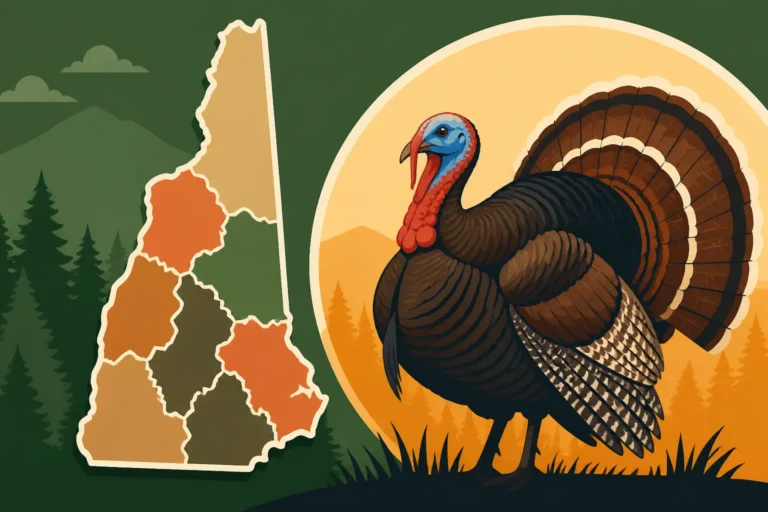
New Hampshire turkey harvest numbers broken down by seventeen Wildlife Management Units help hunters plan seasonal hunts.
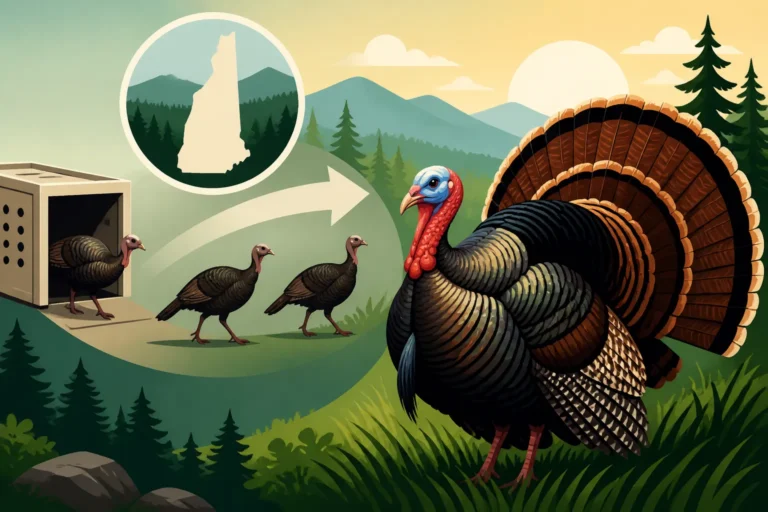
Wild turkey restoration in New Hampshire explains how conservation efforts brought back birds after deforestation and unregulated hunting.
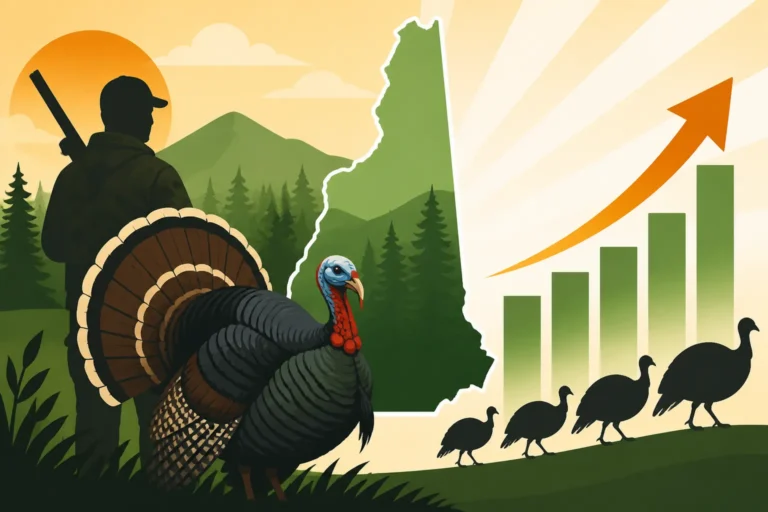
New Hampshire wild turkey populations, historically extirpated by the mid-1800s, recovered through modern trap and transfer restoration programs.