Working a Fencerow for Late-Season Deer
New Hampshire fencerows provide deer thermal cover, travel corridors, and residual food during frigid December late-season hunts.
Close the distance.
Archery, muzzleloader, and firearm techniques — calling, stand placement, still-hunting, spot-and-stalk, and the weapon rules that change at the state line.
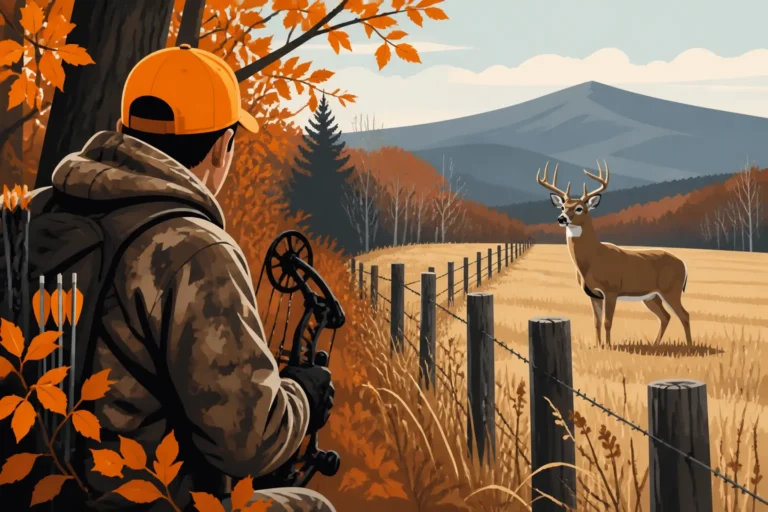
New Hampshire fencerows provide deer thermal cover, travel corridors, and residual food during frigid December late-season hunts.

Waterfowl hunters learn how pond depth, flight paths, and wind direction dictate successful New Hampshire farm decoy setups.

Monadnock Region deer hunting strategies explain rocky New Hampshire terrain, ridgeline travel corridors, and mature hardwood forest deer habits.

New Hampshire Lakes Region shoreline habitats offer under-pressured deer, turkey, and waterfowl hunting opportunities for observant hunters.
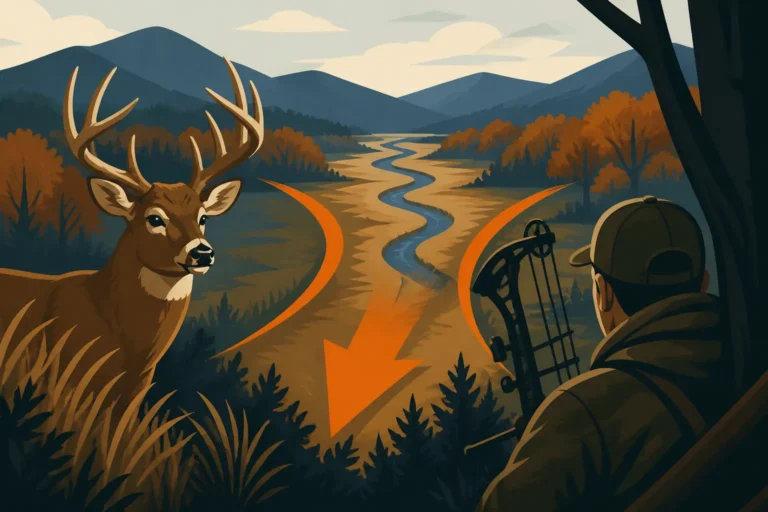
Connecticut River bottomland funnels concentrate whitetail deer movement using natural pinch points and reliable water sources in New Hampshire.

White Mountains notch trail still-hunting strategies help hunters navigate steep rocky terrain and unpredictable winds for deer.

New Hampshire field edges provide consistent deer activity during late season when animals seek agricultural food sources.

New Hampshire deer field dressing and transport methods explain how hunters cool meat and prevent dangerous bacterial growth.

New Hampshire deer registration online lets hunters report harvests quickly and avoid driving to physical check stations.
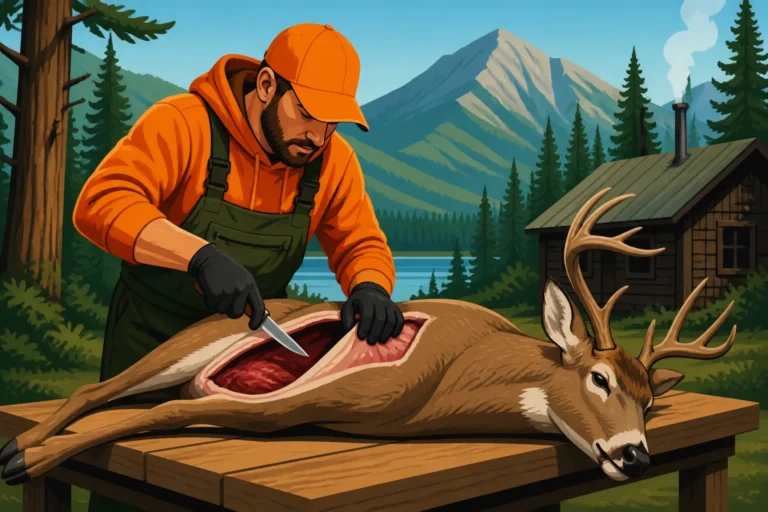
Camp deer butchering methods and gear lists explain how to process venison using knives and coolers in the New Hampshire woods.