New Hampshire Area Closures in Season
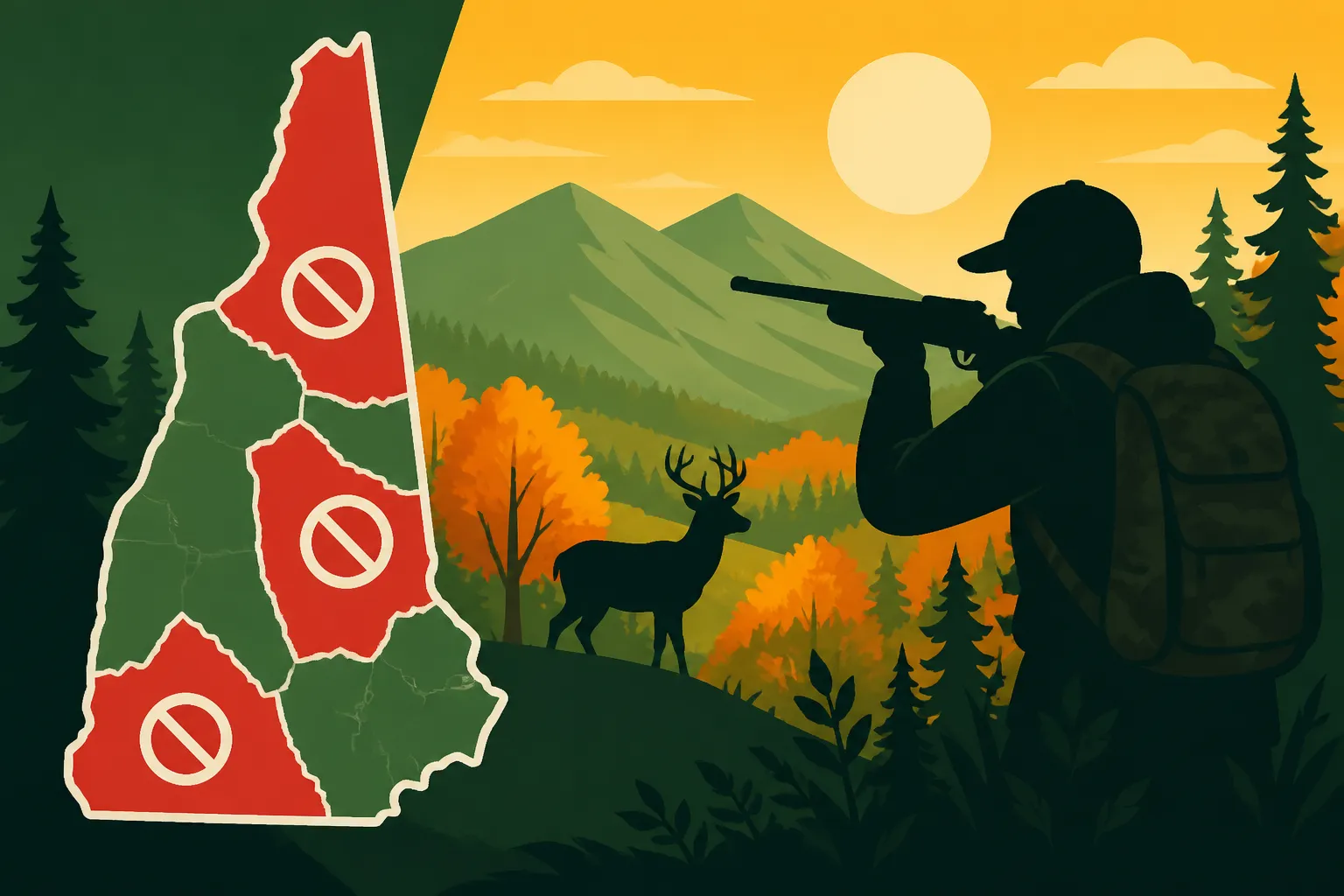
It’s happened to the best of us: You’ve planned your hunt for weeks, scouted out a promising area, packed your gear, and driven an hour or more only to arrive and find a "CLOSED" sign staring you down. In New Hampshire, where public and private lands intertwine and management needs are diverse, encountering unexpected area closures during hunting season can be a real headache. This guide is here to help you understand why these closures occur and, more importantly, how you can stay informed and adapt your plans to ensure your time in the woods is productive, not frustrating.
Understanding the Dynamic Nature of Hunting Area Closures
Hunting in New Hampshire isn't always about pristine, untouched wilderness. Our landscape is dynamic, with ongoing human activities and natural processes that necessitate temporary or sometimes even permanent restrictions on access. These aren't arbitrary decisions; they stem from a confluence of critical needs that prioritize public safety, wildlife well-being, and the long-term health of our natural resources.
Why Closures Happen: Safety, Wildlife Management, and Environmental Concerns
The reasons behind an in-season closure are often multifaceted. Public safety is always at the forefront. Imagine heavy logging equipment operating on a forest road you plan to access, or a major wildfire requiring emergency personnel to control. Allowing hunters into such areas would be a significant risk to everyone involved. These aren't just hypotheticals; timber operations, for instance, are a regular occurrence on both public and private forestlands throughout the state, and they almost always come with temporary access restrictions.
Beyond immediate safety, wildlife management plays a crucial role. There might be sensitive nesting sites for endangered birds, critical wintering yards for deer, or specific areas undergoing restoration where human disturbance needs to be minimized. These closures are designed to protect vulnerable populations or habitats, ensuring healthy wildlife for future generations. For example, some areas might be closed during specific times to protect breeding waterfowl or to allow young animals to fledge or mature undisturbed.
Environmental protection is another key driver. Excessive use can lead to erosion, especially in sensitive riparian zones or high-elevation areas. During periods of drought, fire danger can soar, leading to broad forest closures to prevent accidental blazes. These measures are preventative, aimed at preserving the very environment that supports hunting and outdoor recreation.
The Frustration of Unexpected Surprises
There’s nothing quite like the deflation of driving miles into the North Country, excited for a morning hunt, only to be met with a chain across the road and a "NO ENTRY" sign. You’ve invested time, gas, and mental energy into planning that trip. Maybe you took a day off work, or maybe you're just trying to squeeze in a quick hunt after your shift. To find your chosen spot suddenly inaccessible can feel like a punch to the gut. It's not just the inconvenience; it’s the disruption of your carefully laid plans, the missed opportunity, and the feeling of being out of the loop.
Many hunters find themselves scrambling to find an alternative, often losing precious morning light or prime hunting hours. This is particularly true for those who rely on public lands or specific access points that can be unexpectedly cut off. It underscores the importance of not only knowing where to hunt but also understanding the current status of those areas. A lack of up-to-date information can turn a promising day afield into a frustrating wild goose chase.
Common Types of In-Season Hunting Area Closures in New Hampshire
New Hampshire's diverse landscape means closures can come in many forms, affecting different types of land and for various durations. Knowing the common categories can help you anticipate potential issues and prepare accordingly.
Temporary Closures for Timber Operations and Forest Management
One of the most frequent reasons for temporary closures on forestlands, particularly in northern New Hampshire, involves timber harvesting. Logging operations require heavy machinery, active felling of trees, and often extensive truck traffic. For safety reasons, public access to these areas, including roads, trails, and even broad swathes of forest, is restricted. Imagine trying to navigate through an active logging site where trees are falling and skidders are hauling timber; it's incredibly dangerous.
These closures might last for weeks or even months, depending on the scale of the operation. Sometimes, only specific sections or access roads are affected, while other parts of a larger forest block remain open. The challenge for hunters is that these closures can be implemented with relatively short notice, often posted physically at the site, which isn't helpful if you're planning your trip from a distance. It's essential to understand that these operations are part of sustainable forest management, contributing to healthy habitat diversity and forest products, but they undeniably impact hunting access.
Seasonal Wildlife-Specific Closures
Certain areas might be closed during specific times of the year to protect vulnerable wildlife populations or critical habitats. For example, some wetlands or sensitive shorelines might have seasonal closures to protect nesting waterfowl or wading birds during breeding season. New Hampshire Deer Wintering Yards Explained discusses how certain areas of dense softwood cover, vital for deer survival during harsh winters, might be off-limits to reduce stress on the herd when food is scarce and snow is deep. These aren't always complete closures of an entire WMA or forest, but rather designated zones within them.
These wildlife-specific closures are generally well-documented in annual hunting digests or on relevant agency websites, as they often follow predictable seasonal patterns. However, unusual circumstances, such as a newly discovered rare species habitat or a sudden population decline, could lead to unforeseen restrictions. These measures reflect a commitment to conservation, ensuring that hunting remains sustainable and ethical in the long run.
Weather-Related and Emergency Closures
Mother Nature can also force closures. Heavy rainfall can make unpaved forest roads impassable or even wash them out entirely, creating safety hazards and preventing emergency vehicle access. Extreme cold or ice can make remote areas dangerous for travel. Similarly, periods of prolonged drought can lead to elevated fire danger, prompting temporary bans on all open flames and sometimes even closing entire forest areas to public entry to prevent accidental wildfires. These types of closures are often dynamic and can change rapidly based on weather forecasts and ground conditions.
Beyond natural events, emergency situations such as search and rescue operations for lost hikers or hunters, or even law enforcement activities, can result in temporary access restrictions. These are typically localized and short-lived, but if you happen to be planning a hunt in the affected area, you’ll need to adjust. Keeping an eye on local news, weather advisories, and official agency notifications becomes paramount during these unpredictable scenarios.
Navigating Different Land Types and Their Closure Rules
New Hampshire boasts a patchwork of land ownership, each with its own set of rules and potential for closures. Understanding who manages the land you intend to hunt on is the first step toward staying informed.
White Mountain National Forest and Federal Land Closures
The White Mountain National Forest (WMNF) is a vast expanse of federal land, offering incredible hunting opportunities across its rugged terrain. However, as federal property, it operates under regulations set by the U.S. Forest Service, which can differ from state laws. While much of the WMNF is open to hunting, specific areas or activities might be restricted. For example, designated wilderness areas often have stricter rules regarding mechanized travel or permanent structures, which can affect how you access or hunt certain zones.
Timber sales are also a regular feature of the WMNF, leading to localized road or trail closures. Fire danger, especially in dry autumns, can prompt fire restrictions or even full forest closures. Always check the official U.S. Forest Service website for the WMNF or contact local ranger stations before venturing out. They are the authoritative source for real-time conditions and closures on federal lands. Hunting New Hampshire's White Mountain National Forest provides a broader look at this unique hunting landscape.
State Forests, WMAs, and State Parks
New Hampshire's state-owned lands, managed primarily by the Department of Natural and Cultural Resources (DRED) and the New Hampshire Fish and Game Department, also have their own set of rules and potential closures. Wildlife Management Areas (WMAs) are specifically managed for wildlife habitat and public recreation, including hunting. While generally open, some WMAs might have specific zones or times of year where access is restricted for wildlife management purposes, such as protecting nesting birds or sensitive habitats. New Hampshire Wildlife Management Areas offers more insight into these valuable resources.
State Forests, while often managed for timber and recreation, generally permit hunting, but can still see temporary closures for logging, trail maintenance, or special events. State Parks are a bit more complex; many do allow hunting, but often with very specific regulations, restricted access points, or even designated "no hunting" zones, especially near developed areas, campgrounds, or popular hiking trails. It's critical to check the specific rules for each individual state park, as they are not uniform across the board. The NH Fish and Game website and DRED website are your primary resources for current information on state lands.
Private Land, Conservation Easements, and Town Forests
Hunting on private land in New Hampshire always requires explicit permission, and this permission can be revoked at any time. A landowner might suddenly decide to close their property to hunting for personal reasons, timber operations, or development, instantly changing your access. This dynamic nature means that even if you had permission last year, it's crucial to confirm it every season.
Conservation easements, often held by land trusts, present another layer of complexity. These lands are privately owned but have permanent restrictions on development to protect conservation values. Public access for recreation, including hunting, is often part of the easement agreement, but the specific terms can vary wildly from one property to another. Always consult the land trust or managing entity for the exact rules on an easement property, as some might have seasonal closures or specific activity restrictions.
Town forests and municipal lands are governed by local ordinances and can be highly variable. Some towns actively manage their forests for hunting, while others might restrict it entirely, especially if the land is near residential areas, water supplies, or popular walking trails. Local town halls or municipal websites are the best places to find information on these properties. The rules can be hyperlocal and change without broad state-level announcements, making local intelligence crucial.
Strategies for Staying Informed About Closures
The thought of an unexpected closure is enough to make any hunter groan. But with a proactive approach and the right tools, you can minimize surprises and keep your hunting plans on track. It's all about knowing where to look and who to ask.
Leveraging Digital Mapping Tools
In today's world, digital mapping applications have become indispensable for hunters. Tools like onX Hunt and GoHunt provide invaluable layers showing property boundaries, public land ownership, and often, specific land management designations. While these apps are fantastic for initial scouting and understanding land access, it's crucial to remember a key point: they are not always real-time sources for temporary closures. They can show you what kind of land it is (e.g., National Forest, WMA), which then guides you on where to look for official closure notices.
For example, if your onX Hunt map shows a section of White Mountain National Forest, you know to then check the WMNF website for current conditions. If it's a state WMA, you'll go to the NH Fish and Game site. These apps excel at helping you understand the baseline access rules and ownership, acting as your starting point, but they won't necessarily tell you that a logging crew just put up a "Road Closed" sign a mile in. Always treat them as powerful planning tools, not definitive real-time closure alerts. The Scouting With the New Hampshire Fish and Game App article dives deeper into how digital tools can aid your planning.
Official Sources: NH Fish and Game, DRED, and Local Offices
For the most accurate and up-to-date information on hunting area closures in New Hampshire, you must go directly to the official sources.
- New Hampshire Fish and Game Department: This is your go-to for all things hunting regulations, WMA information, and any wildlife-specific closures. Their website is typically updated with important alerts and news releases regarding access restrictions. Subscribing to their email newsletters or following their social media channels can also provide timely updates.
- NH Department of Natural and Cultural Resources (DRED): For state forests and state parks, DRED oversees their management. Their website will have information on general access rules, as well as specific alerts for temporary closures due to timber operations, trail work, or other management activities.
- U.S. Forest Service (White Mountain National Forest): If you're hunting in the WMNF, the official U.S. Forest Service website for the forest should be checked regularly. Look for "Alerts and Notices" or "Current Conditions" sections. Contacting specific ranger districts directly can also yield very localized information.
- Local Town Offices: For town forests or other municipal lands, the local town clerk's office or the town's official website is where you'll find relevant ordinances or closure notices. This can be more time-consuming but is essential for hyper-local properties.
It's a good habit to check these sites in the days leading up to your hunt, especially if you're traveling a significant distance.
Community and On-the-Ground Intelligence
Sometimes, the best information comes from local sources. If you regularly hunt a particular area, getting to know local residents, store owners, or even other hunters you encounter can provide valuable insights into ongoing activities or impending closures. Local general stores often have community bulletin boards where unofficial (or even official) notices might be posted. Game wardens are also a wealth of information, and while you shouldn't call them for casual scouting tips, if you have a specific question about access to a certain area, they can often provide clarity.
Most importantly, keep your eyes open when you arrive. Physical signage, such as "Road Closed" barriers, "No Trespassing" signs updated with new restrictions, or active logging warnings, are the ultimate authority on site. Even if your digital map or website check said an area was open, if you see a physical closure notice, obey it. It means conditions have changed, and safety or management needs have taken precedence. Respecting these on-the-ground directives is not just about legality, but about personal safety and demonstrating responsible hunting ethics.
Planning Around Potential Closures for a Successful Hunt
Knowing about closures is one thing, but actively planning around them is how you avoid disappointment and maximize your time afield. Being adaptable is a core tenet of successful hunting in New Hampshire.
Developing Backup Plans and Alternative Hunting Areas
The single best piece of advice for dealing with potential closures is to always have a backup plan. New Hampshire's hunting opportunities are vast, but local conditions can change quickly. When you're scouting an area, don't just find one promising spot; identify two or three. Consider different types of terrain, different land ownerships, and different access points.
For example, if your primary spot is a remote section of White Mountain National Forest accessed by a gravel road, have a secondary option on state land with a paved access road, or a permitted private parcel in a different town. This diversification means that if your Plan A is suddenly inaccessible due to logging, fire danger, or even unexpectedly high hunting pressure, you have immediate alternatives ready to go. Think of it as building redundancy into your hunting strategy, much like a pilot files an alternate airport. Finding Ground That Sees Fewer Hunters can help you scout for those less-traveled backup spots.
The Importance of Pre-Season Scouting and In-Season Checks
Scouting isn't a one-time event completed before opening day. It's an ongoing process, especially in areas prone to closures. Pre-season scouting allows you to identify access points, locate potential bedding and feeding areas, and get a general feel for the terrain. But even after the season starts, it’s vital to perform in-season checks.
This might mean driving past an access road a few days before your planned hunt to look for new "Closed" signs, or making a quick call to a ranger station. For public land hunters, this is critical. A quick check of the NH Fish and Game or DRED websites the night before your hunt can save you hours of driving and frustration. If you're hunting in a remote area, consider areas with multiple access points, increasing your chances that at least one will remain open. Scouting New Hampshire Public Land Before Season emphasizes the importance of consistent pre-season work.
Respecting Closures and Understanding Penalties
It might be tempting to ignore a "Closed" sign if you've traveled a long way, or if you feel the closure is unwarranted. However, disregarding official closures is not only unethical but also illegal. Violating posted closures on public or private land can lead to significant penalties, including fines, confiscation of game, loss of hunting privileges, and even criminal charges, depending on the severity of the infraction and the type of land. These penalties are designed to deter unauthorized entry and protect both the public and the resource.
More broadly, disrespecting closures erodes the relationship between hunters and landowners, land managers, and the general public. It can lead to stricter regulations, reduced access in the future, and a negative perception of the hunting community as a whole. Always err on the side of caution. If an area is closed, find an alternative. Your integrity as a hunter and the future of hunting access in New Hampshire depend on responsible behavior.
Common New Hampshire Hunting Area Closures at a Glance
To help you quickly navigate the types of closures you might encounter, here's a handy overview:
| Type of Closure | Typical Reason(s) | Duration | Where to Check for Updates |
|---|---|---|---|
| Timber Operations | Public safety, heavy machinery, road integrity | Weeks to Months | DRED, US Forest Service, local town offices, on-site signage |
| Wildlife-Specific | Protecting breeding areas, wintering yards, sensitive habitats | Seasonal/Temporary | NH Fish and Game Dept. website, annual digests |
| Weather/Emergency | Flooding, fire danger, search & rescue, severe storms | Days to Weeks (dynamic) | NH Fish and Game, DRED, US Forest Service, local news, weather apps |
| Private Land | Landowner decision, development, timber | Indefinite/Seasonal | Direct communication with landowner, on-site signage |
| State Park Specific | Safety near developed areas, special events | Varies by Park | DRED website, individual State Park websites |
| Town Forest Specific | Local ordinances, events, public safety | Varies by Town | Local town offices, municipal websites, on-site signage |
Disclaimer
This article is for general informational purposes only and does not constitute professional advice. Laws, prices and regulations vary by location and change over time. Consult a qualified professional for guidance on your specific situation.