New Hampshire Deer Camps and Hunting Clubs
For many New Hampshire hunters, the idea of a deer camp or a hunting club conjures up images of camaraderie, shared stories, and successful hunts passed down through generations. However, finding or joining one can feel like trying to decipher an ancient map, leaving many feeling isolated or unsure how to tap into that community spirit. This guide aims to demystify New Hampshire deer camps and hunting clubs, exploring their various forms, the pros and cons of joining, and how you can find your own tribe in the Granite State.
The Appeal of Deer Camps and Hunting Clubs in New Hampshire
There's something uniquely satisfying about sharing the hunting experience. It's not just about the harvest; it's about the planning, the scouting, the early mornings, and the late-night discussions around a crackling fire or woodstove. Deer camps and hunting clubs in New Hampshire tap into this deep-seated desire for connection and shared purpose.
More Than Just a Place to Sleep: The Camp Culture
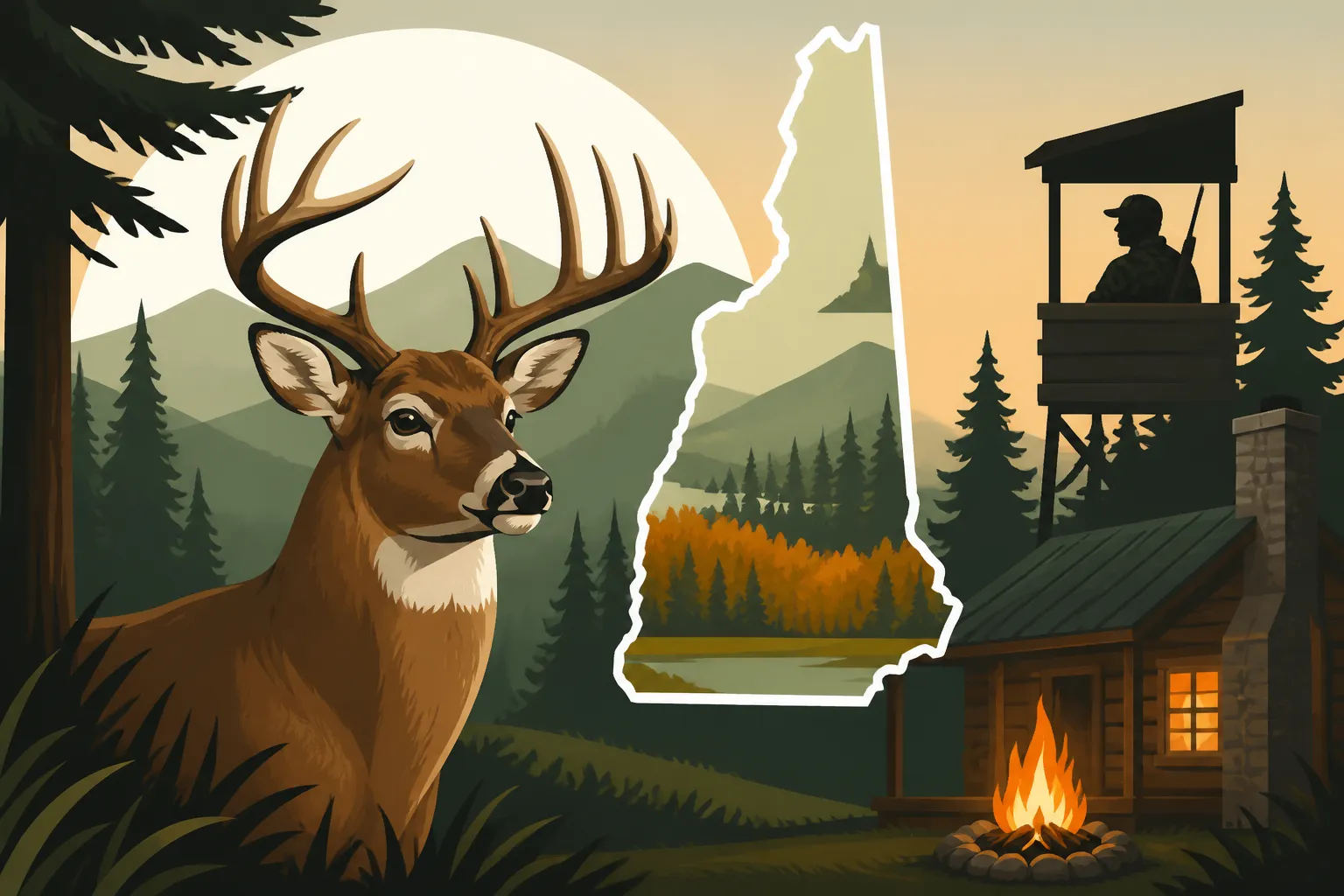
A "deer camp" in New Hampshire isn't always a rustic cabin deep in the woods, though many wonderful ones fit that description. Sometimes it's a camper parked on private land, a rented cottage for a week, or even just a designated spot where a group consistently gathers before and after hunts. What truly defines a camp is the culture: the shared meals, the recounting of missed opportunities and close calls, the advice freely given, and the bonds forged through the trials and triumphs of the season. It’s a place where lifelong friendships are cemented, and new traditions are born. Think of it as a temporary home base, a sanctuary from the everyday, solely dedicated to the pursuit of wild game and the spirit of the hunt. It fosters a sense of belonging that solo hunting, while valuable, sometimes can't provide. Many seasoned hunters will tell you that the memories made at camp, even without a buck on the pole, are often more cherished than any single trophy. New Hampshire Deer Camp Traditions are rich and varied, from specific meals to pre-hunt rituals.
Shared Knowledge and Experience
Hunting, especially in New Hampshire's diverse and often challenging terrain, is a continuous learning process. From reading subtle sign in mature hardwoods to understanding how deer use thick softwood cover, there's always more to learn. One of the greatest assets of a deer camp or hunting club is the collective wisdom it holds. New hunters can gain invaluable insights from veterans who have spent decades learning the nuances of a specific area or the habits of local game. Imagine having a dozen pairs of eyes scouting different tracts of land, pooling their observations on food sources, rub lines, and travel corridors. This shared intelligence can dramatically increase everyone's chances of success. It's a living library of local knowledge that you simply can't find in books or online forums alone. It also provides a built-in mentorship system, helping younger or less experienced hunters develop critical skills and confidence in the field, from tracking to field dressing.
Understanding New Hampshire's Hunting Club Landscape
New Hampshire's hunting landscape is quite diverse, and so are its deer camps and hunting clubs. They range from highly organized entities with formal dues and rules to casual gatherings of friends. Understanding these distinctions is key to finding a group that aligns with your hunting style and expectations.
Formal vs. Informal Structures
On one end of the spectrum, you have formal hunting clubs. These are often incorporated organizations with elected officers, bylaws, annual dues, and sometimes even leased or owned property. They might have a specific focus, such as managing habitat for White-Tailed Deer Across New Hampshire, hosting youth events, or maintaining a shooting range. Membership typically involves an application process, interviews, and a commitment to their rules and mission. The benefits can include exclusive access to well-managed hunting land, shared equipment, and a robust community calendar. The drawbacks can be higher costs, more rigid rules, and the potential for personality clashes within a structured environment. These clubs often have a clear hierarchy and a defined set of expectations for members regarding work days, financial contributions, and ethical conduct.
On the other end, there are informal deer camps and hunting groups. These are often just a collection of friends, family, or acquaintances who regularly hunt together, perhaps sharing a cabin, camping spot, or just meeting up at a local diner before heading to public land. There are usually no formal dues, elected officials, or written rules beyond unspoken agreements and mutual respect. The advantages here are flexibility, lower costs, and a more relaxed atmosphere. The challenge can be less dedicated resources, potential for disorganization, and a reliance on personal relationships to maintain the group. Many New Hampshire hunters start this way, simply building a network of trusted hunting partners. This type of informal group might focus on Hunting New Hampshire's White Mountain National Forest or securing Getting Private Land Permission in New Hampshire together.
| Feature | Formal Hunting Club | Informal Deer Camp/Group |
|---|---|---|
| Structure | Organized, bylaws, elected officers | Loose, informal agreements, friends/family |
| Membership | Application, dues, vetting, sometimes probationary | Invitation, shared interest, mutual trust |
| Property Access | Leased/owned land, managed habitat, exclusive | Shared public land, private land access via permission |
| Costs | Annual dues, initiation fees, work assessments | Shared expenses (food, gas, camp rental) |
| Commitment | Required work days, meetings, adherence to rules | Flexible, based on individual availability and desire |
| Resources | Shared equipment, stands, vehicles, facilities | Limited shared gear, more individual responsibility |
| Decision Making | Democratic voting, board decisions | Consensus, informal discussion, leader by default |
| Focus | Habitat management, ethical hunting, community | Companionship, shared experience, success |
Geographic Considerations and Club Focus
New Hampshire is a state of diverse geography, from the rugged peaks of the White Mountains to the rolling hills of the Monadnock region and the dense timber of the North Country. This geographic variation often dictates the focus and style of hunting clubs. A club in the Connecticut River Valley might focus on strategies for hunting field edges and river bottoms, perhaps even incorporating waterfowl hunting into their activities. Meanwhile, a group in Coos County might be dedicated to Moose Hunting New Hampshire's North Country or pursuing deer in vast tracts of undeveloped forest.
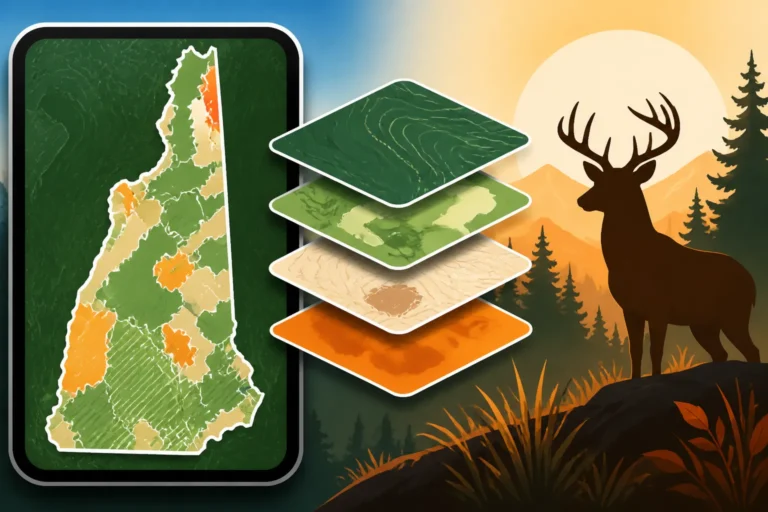
Some clubs might have a very specific game focus, such as exclusively targeting deer, while others are more general and include opportunities for Bear Hunting New Hampshire's Bait and Hound Season or Spring Turkey Hunting in New Hampshire. It's important to consider what kind of hunting you're most interested in when looking for a group. A club focused solely on big game might not be the best fit if you're hoping to also chase grouse or snowshoe hare. Location is also critical for practical reasons. You'll want a camp or club that's reasonably accessible from your home, especially if you plan to be a frequent participant. This also ties into hunting strategy; knowing the local terrain and how deer use it, which is often ingrained in local club knowledge, is invaluable. Tools like onX Hunt can be incredibly useful for visualizing geographic areas, identifying public land boundaries, and understanding the lay of the land, which can help you narrow down regions where you might seek a club.
The Benefits and Drawbacks of Joining a Club
Like any significant commitment, joining a hunting club comes with its own set of advantages and potential challenges. Weighing these carefully will help you decide if it's the right path for your hunting journey.
Advantages: Access, Resources, and Camaraderie
One of the most compelling advantages of joining a hunting club, especially a formal one, is often access to quality hunting land. Many clubs lease large tracts of private land or manage their own property, which can be invaluable in a state where public land, while plentiful, can see significant pressure. This can provide opportunities for longer-term habitat management, leading to better deer populations and more consistent hunting. Members might also have access to shared resources like ATVs, enclosed stands, food plots, or even processing facilities, which would be expensive to acquire individually. A club can also provide a built-in safety net; hunting with a group means there's always someone to help in an emergency or to assist with a heavy drag.
Beyond the tangible benefits, the camaraderie is often cited as the biggest draw. Imagine coming back to camp after a long, cold day in the woods, sharing stories around a warm stove, and knowing you're among like-minded individuals. This sense of community is incredibly enriching, providing opportunities for mentorship, shared learning, and genuine friendships. It can transform hunting from a solitary pursuit into a deeply communal experience. This shared experience often extends beyond the hunting season, with members gathering for work days, social events, or simply to plan for the next season. The collective intelligence gathered from seasons of hunting in a particular area, perhaps informed by mapping applications like onX Hunt, can be a huge boost to any hunter's success. This is particularly beneficial for those looking to deepen their understanding of New Hampshire's WMU-Based Deer Season Structure or specific areas.
Disadvantages: Cost, Commitment, and Philosophy Clashes
However, joining a hunting club isn't without its potential downsides. The most obvious is often the cost. Formal clubs typically have annual dues that can range from modest to substantial, covering land leases, insurance, taxes, and maintenance. There might also be initiation fees, assessments for special projects, or requirements to contribute to food plots and other habitat improvements. This financial commitment needs to be realistic for your budget. Beyond money, there's a significant time commitment. Many clubs require members to participate in work days for tasks like stand maintenance, trail clearing, or habitat projects. If you have a demanding schedule, these requirements can be difficult to meet.
Perhaps less tangible, but equally important, are potential clashes in hunting philosophy or personalities. Every group has its dynamics, and what one member considers ethical hunting or appropriate behavior, another might not. You might find disagreements over management strategies, hunting methods, or even simple camp etiquette. If a club's core values don't align with yours, it can lead to frustration and a less enjoyable experience. For example, if you prefer still-hunting and the club primarily focuses on Deer Drives With Three or Four Hunters, it might not be a good fit. It’s crucial to thoroughly vet any club you consider to ensure a good match, both philosophically and personally, before making a commitment.
Finding the Right Deer Camp or Hunting Club for You
So, you're intrigued by the idea of a deer camp or hunting club. The next step is figuring out how to find the right one that fits your personality, hunting goals, and budget. It's not always as simple as a Google search, as many operate through word-of-mouth.
Networking and Local Resources
The best way to find a hunting club or informal group in New Hampshire is often through networking. Start by talking to other hunters you meet in the field, at sporting goods stores, or at local events. Word-of-mouth is incredibly powerful in the hunting community. Local Fish and Game offices or conservation groups might also have information or be able to point you towards organizations in your area. Attending hunter education courses, even if you’re already certified, can be a great way to meet new people. New Hampshire Hunter Education Requirements introduce many new hunters to the community. Local sportsman's clubs, even if they aren't exclusively hunting-focused, often have members who belong to deer camps and might be able to make introductions.
Don't underestimate the power of social media groups or online hunting forums dedicated to New Hampshire. While you need to exercise caution with any online interaction, these platforms can be a good starting point for finding open memberships or informal groups looking for new partners. When you find a potential lead, express your interest genuinely, and be prepared to share a bit about your hunting background and what you're looking for in a group. Showing respect for their traditions and willingness to contribute will go a long way.
Evaluating a Club Before You Join
Once you've identified a potential club or group, it's crucial to do your homework before committing. Don't be afraid to ask questions. Inquire about their rules, expectations for members, annual costs, and any required work days. Ask about the type of game they typically pursue, their hunting methods, and their general philosophy towards wildlife management. For formal clubs, request a copy of their bylaws or membership agreement. For informal groups, simply have an honest conversation about how they operate.
Ideally, you'll want to spend some time with the group before making a full commitment. See if you can attend a club meeting, visit the camp, or even participate in a work day to get a feel for the dynamics and personalities involved. Observe how members interact, how decisions are made, and what the overall atmosphere is like. If possible, hunt with them for a day or two, even if it's just scouting or small game hunting, to experience their approach firsthand. Reputable clubs will usually welcome this vetting process, as they want compatible members too. This is also a good opportunity to understand their approach to Scouting New Hampshire Public Land Before Season or how they use tools like GoHunt or onX Hunt for mapping and planning. You want to ensure that the group's priorities, whether it's maximizing harvest or prioritizing camaraderie and ethical hunting, align with your own.
Alternative Paths: Creating Your Own "Camp" Experience
If finding a formal club feels too daunting, or you prefer a more independent approach, that doesn't mean you have to forgo the benefits of shared hunting experiences. Many hunters successfully create their own "camp" culture with a smaller, more flexible approach.
Small Group Hunting Partnerships
You don't need a large, established club to enjoy the advantages of hunting with others. A small group of two, three, or four trusted hunting partners can be incredibly effective and rewarding. This might be a few close friends, family members, or individuals you've met through local sporting events or online forums who share your hunting ethics and interests. The beauty of a small group is its flexibility. You can collectively decide on hunting locations, strategies, and schedules without the bureaucracy of a larger organization. You can still pool resources for things like trail cameras, a shared camp stove, or even joint lease efforts on smaller private parcels.
These partnerships allow for a deeper level of trust and understanding. You learn each other's hunting styles, strengths, and weaknesses, which can make for a more cohesive and successful team. For instance, one person might be an expert at Reading a White Mountain Deer Yard, while another excels at Rattling and Grunting New Hampshire Bucks. Together, you create a powerful synergy. This kind of arrangement also allows you to focus on specific types of hunting you enjoy, whether it's Hunting the Rut in Early-to-Mid November or chasing late-season deer. With the right partners, you can still experience all the camaraderie and shared effort that defines a traditional deer camp.
Public Land Base Camps
New Hampshire is blessed with an abundance of public hunting land, from expansive tracts within the Hunting New Hampshire's White Mountain National Forest to numerous Wildlife Management Areas. Even if you don't have access to private land through a club, you can still establish a "base camp" on public ground. This might involve primitive camping in designated areas, reserving a campsite at a state park, or even simply using a strategically located motel or rental as your hub. The key is to create a consistent gathering point for your small hunting group.
Many hunters find immense satisfaction in challenging themselves on public land. It requires more intensive scouting, a deeper understanding of game movement patterns, and often a willingness to hike further away from roads to find less pressured animals. Tools like onX Hunt are invaluable here for Finding New Hampshire Property Lines and identifying public access points, while GoHunt can offer data-driven insights. While you won't have exclusive access, establishing a base camp allows your group to share information on recent sightings, discuss strategies for working a particular ridge or drainage, and provide that invaluable support system. It's a way to replicate the camp experience, even if your "cabin" is a tent or a truck camper, focusing on the shared effort and enjoyment of the hunt in the vast, wild beauty of New Hampshire. Hunting Pressure on New Hampshire Public Land is real, but with smart scouting and a good base camp, you can find success.
Disclaimer
This article is for general informational purposes only and does not constitute professional advice. Laws, prices and regulations vary by location and change over time. Consult a qualified professional for guidance on your specific situation.