New Hampshire Landowner Moose Tag Allocation
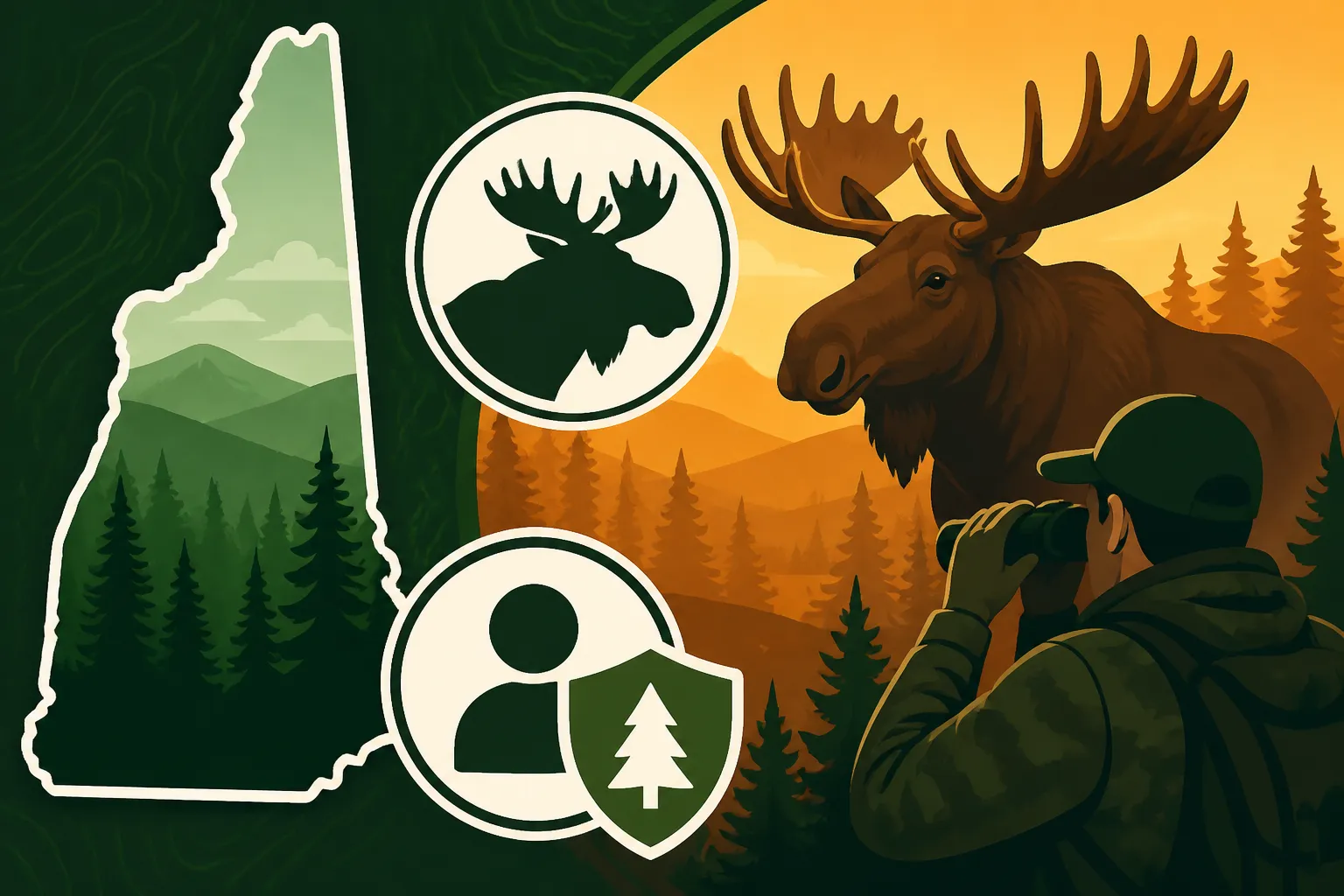
It's a common dream for many New Hampshire residents: drawing one of those elusive moose permits. But if you own a significant parcel of land in the Granite State, you might be wondering if that ownership gives you a leg up in the highly competitive lottery. This guide is here to untangle the specific rules, eligibility, and often-misunderstood process of New Hampshire landowner moose tag allocation, providing a clear picture of how land ownership plays into your chances.
The Highly Competitive New Hampshire Moose Permit Lottery System
First, let's set the stage. New Hampshire's moose herd, while iconic, isn't as robust as it once was, especially when compared to states further north. This means that the opportunity to hunt a moose in the Granite State is incredibly rare and sought-after. Each year, only a limited number of permits are issued, making the annual lottery a high-stakes event for hopeful hunters.
A Highly Coveted Opportunity
The reality is stark: there are far more hunters who want a moose permit than there are permits available. The New Hampshire Fish and Game Department (NHFG) carefully manages the moose population, which has seen some challenges, particularly due to the impact of winter ticks. This careful management means they issue only a few hundred permits statewide each year, spread across specific Wildlife Management Units (WMUs). This scarcity drives the incredible demand, and if you're not successful in the draw, you're not alone. The odds can be long, often much longer for non-residents than for those of us who call New Hampshire home.
To get a better sense of the overall picture, you might want to look into New Hampshire's Moose Permit Lottery process itself, which outlines how the general public applies and the draw system works. Understanding the broader context helps put the landowner preference into perspective. It's a system designed to maintain a healthy population while offering a quality hunting experience for a select few. The population dynamics also influence this; you can learn more about the New Hampshire Moose Population Estimate to see how these numbers factor into permit allocation.
Who Can Apply for a General Permit?
Anyone who meets the basic licensing requirements and is eligible to hunt in New Hampshire can apply for a general moose permit. This includes both residents and non-residents, though the odds of drawing are significantly different, and the cost of the permit itself varies greatly if you are successful. Residents typically pay a lower application fee and, if drawn, a lower permit fee, reflecting the state's interest in providing opportunities to its own citizens.
However, regardless of residency, all applicants must possess a valid New Hampshire hunting license before they can apply for the moose lottery. This is a critical first step. For a full breakdown of what licenses you might need, explore resources on New Hampshire Resident License Options and New Hampshire Nonresident License Options. It's not just about the moose permit; it's about being legally equipped to hunt in the state in the first place. You also need to consider your New Hampshire Hunter Education Requirements as a foundational element of ethical and legal hunting.
Specifics of New Hampshire Landowner Moose Tag Allocation
Now, let's get down to the nitty-gritty: how does being a New Hampshire landowner factor into obtaining one of these coveted moose tags? It's important to clarify upfront that owning land does not guarantee a moose permit. Instead, New Hampshire employs a "landowner preference" system.
The Landowner Preference Program
Unlike some states where landowners might receive specific tags tied directly to their property, New Hampshire's system is a preference in the general lottery. A small percentage of the total moose permits issued each year are set aside specifically for landowners who meet certain criteria. This isn't a separate, exclusive lottery where only landowners compete amongst themselves for all permits. Instead, it’s a boost to their chances within the overall drawing.
The underlying philosophy behind this preference is to recognize and reward landowners who actively manage their property for wildlife habitat and/or allow public access for hunting. It's a way to incentivize good land stewardship, which benefits not just moose, but a host of other wildlife. It also acknowledges the significant contribution private lands make to the state's overall hunting landscape.
It's a different approach compared to, say, the New Hampshire Landowner Deer Permit Rules, which can sometimes involve specific antlerless tags to manage localized deer populations. For moose, it's about giving a slight edge in a highly competitive draw. The exact number of permits allocated for landowner preference can vary annually but generally remains a small fraction of the total permits.
Eligibility for Landowner Preference
To qualify for the landowner preference in the moose lottery, you need to meet stringent criteria, far beyond simply owning a small residential lot. NH Fish and Game has specific definitions for what constitutes "qualifying land."
Typically, your property must be at least 10 contiguous acres in size. It needs to be located in the WMU for which you are applying for a permit. Furthermore, and this is crucial, the land must be actively managed for wildlife habitat or allow public access for hunting. Simply letting your back forty grow wild isn't always enough; there might be requirements for forest management plans, wildlife habitat improvements, or formal public access agreements.
The application usually requires a notarized statement confirming these conditions, along with proof of ownership (like a tax map or deed). The landowner applying must be an individual, or in the case of a trust or corporate ownership, a designated individual representing the entity and directly involved in the land's management. There can also be requirements regarding the length of time you've owned the land, ensuring that permits aren't simply acquired by purchasing land just before the lottery.
It's vital to check the current NHFG hunting digest or website each year, as specific rules and acreage requirements can sometimes be adjusted. Missing a single detail on the application could mean forfeiting your preference.
Applying for a Landowner Moose Permit
Navigating the application process for a landowner moose permit requires careful attention to detail and adherence to strict deadlines. It's not just a matter of checking a box; there are specific forms and procedures to follow.
The Application Process and Deadlines
Applying for a landowner moose permit typically involves a separate, or at least a distinctly marked, section on the general moose lottery application. You'll need to clearly indicate that you are applying under the landowner preference category and provide all the necessary supporting documentation. This often includes property deeds, tax maps verifying acreage and contiguity, and statements confirming wildlife management practices or public access.
These applications can usually be submitted online through the NH Fish and Game portal or by mail. However, always double-check the current year's digest for preferred methods and any changes. The deadlines for landowner preference applications are usually the same as the general moose lottery, which typically falls in late May. Missing this deadline, even by a day, will disqualify you from the drawing, and believe me, after all the effort, that's a tough pill to swallow.
Many hunters find it helpful to use online hunting resources and applications, such as GoHunt, to keep track of these critical deadlines and application periods. These platforms can provide reminders and consolidate information, ensuring you don't miss out on what could be a once-in-a-lifetime opportunity. Their tools are designed to streamline the research phase, letting you focus on the hunt itself.
The Drawing and Notification
Once all applications are submitted, the NH Fish and Game Department conducts a randomized drawing. The landowner preference doesn't guarantee a permit, but it effectively puts those qualified landowner applications into a separate, smaller pool or gives them a higher "preference" weighting in the main draw, significantly improving their odds compared to the general applicant pool. This means you're competing against fewer people for a portion of the permits.
If your application is drawn, you will typically be notified by mail, and sometimes by email, within a few weeks of the drawing. This notification will include details about your permit, including the specific WMU for which it is valid, and instructions on how to complete the purchase of the actual permit. Remember, the application fee is separate from the permit fee. You will then need to pay the full New Hampshire Moose Permit Cost for Residents or non-residents, depending on your status.
It's a moment of immense excitement when that envelope arrives! Being prepared for the financial commitment and understanding the next steps is crucial.
Responsibilities and Limitations of Landowner Moose Tags
Receiving a landowner moose permit is fantastic, but it comes with responsibilities and some important limitations that hunters must understand. This isn't just about bagging a moose; it's about being a responsible steward of the resource and a respectful hunter.
Restrictions on Hunting Location
One of the biggest misconceptions about landowner moose tags is that they restrict you to hunting only on your own land. This is incorrect. A New Hampshire landowner moose permit, once drawn, is valid for hunting moose anywhere within the specific Wildlife Management Unit (WMU) for which it was issued, just like any other general permit. You are not confined to your qualifying property.
This means if your land is in WMU B, and you draw a WMU B permit, you can hunt moose on any public land or other private land (with permission) within WMU B. This flexibility is a huge advantage, allowing you to scout and hunt the best moose habitat available. For instance, if you're targeting a moose in the North Country, you might find prime habitat in a remote section of the Hunting a New Hampshire North Country Moose Bog even if your qualifying land is elsewhere in that WMU.
However, if you do choose to hunt on your own qualifying land, all standard hunting regulations still apply. This includes safety zones around dwellings and buildings, discharge setbacks, and any specific town ordinances. Always be aware of your surroundings and ensure you're hunting legally and safely. For guidance on where moose frequent, consider information on Moose in New Hampshire's North Country.
Ethical Considerations and Management
Obtaining a moose permit, regardless of how it was acquired, places a significant ethical responsibility on the hunter. New Hampshire's moose herd is a precious resource, and proper hunting practices are paramount. This includes adhering strictly to the New Hampshire Moose Season Dates, which are relatively short to manage population impacts, and understanding the legal bag limits (typically one moose per permit).
Ethical considerations extend to shot placement, quick recovery of game, and proper field dressing and meat care. Given the size of a moose, proper planning for meat retrieval and processing is critical. You might find resources on Packing Out a New Hampshire Moose incredibly helpful, as this is no small feat. Every hunter, landowner or not, plays a role in the responsible management and public perception of hunting. Ensure you refresh your knowledge of ethical hunting practices and safety protocols, even if you’ve completed your New Hampshire Hunter Education Requirements years ago.
The Role of Landowners in Conservation
The landowner preference program isn't just a perk; it's a recognition of the vital role private landowners play in the conservation landscape of New Hampshire. By providing habitat, maintaining forest health, and sometimes granting public access, these landowners contribute significantly to the health and abundance of wildlife, including moose.
The spirit of this program is to foster continued good stewardship. Whether through active timber management that creates diverse age classes of forest, maintaining open fields, or protecting critical wetlands, landowners can directly impact the quality of habitat available for moose and countless other species. Tools and services like those offered by GoHunt can also assist landowners in understanding their property's potential for habitat improvement and how to scout effectively for game. By embracing this role, landowners don't just increase their personal hunting opportunities; they contribute to the broader ecological well-being of the Granite State.
Here's a quick comparison of the key aspects of applying for a moose permit:
| Feature | General Lottery Applicant | Landowner Preference Applicant |
|---|---|---|
| Eligibility | Any legal resident/non-resident hunter | Landowner with >= 10 contiguous acres in WMU, managing for wildlife/public access |
| Application Process | Standard online or mail-in application | Standard application, but requires specific landowner forms/proof |
| Odds of Drawing | Lower (higher competition) | Higher (competes in a smaller, preferential pool) |
| Permit Cost (if drawn) | Same as general residents/non-residents | Same as general residents/non-residents |
| Hunting Location | Any legal area within the designated WMU | Any legal area within the designated WMU (not restricted to own land) |
| Conservation Role | Supports wildlife management through license fees | Supports wildlife management through land stewardship/access |
| Required Documentation | Valid hunting license | Valid hunting license, property deeds, notarized statements, management plan details |
Disclaimer
Please remember that hunting regulations, license requirements, and permit allocation rules can change. Always consult the most current New Hampshire Fish and Game Department hunting digest or website for the most accurate and up-to-date information before planning any hunt.