New Hampshire Coyote Attacks on Livestock
New Hampshire coyote attacks on livestock threaten farms, but owners can identify predation signs, protect poultry or lambs, and stop losses.
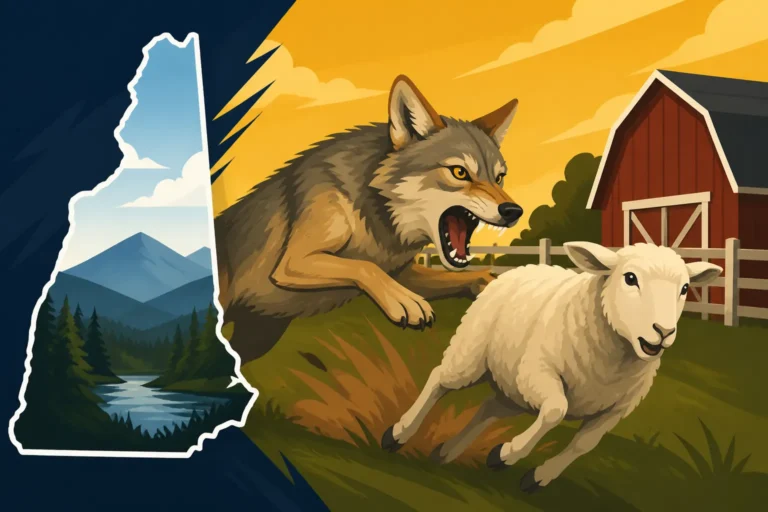
New Hampshire coyote attacks on livestock threaten farms, but owners can identify predation signs, protect poultry or lambs, and stop losses.

New Hampshire coyote population numbers remain impossible to count precisely, but biologists use scientific methods to estimate totals.
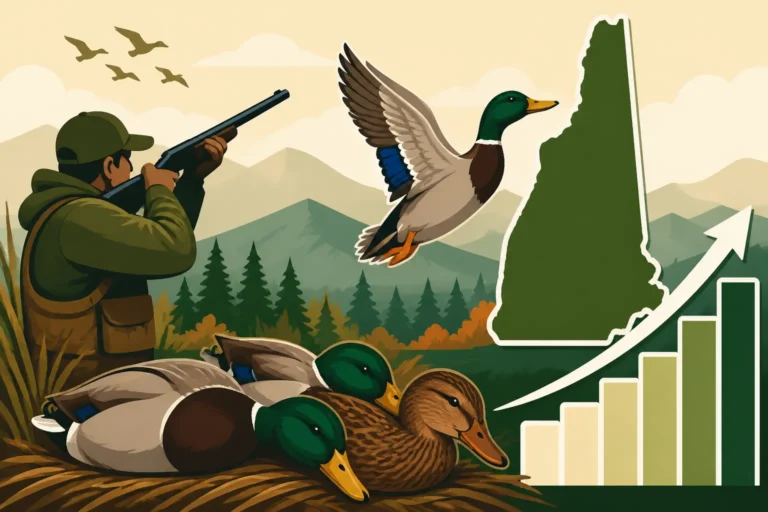
New Hampshire duck harvest numbers and federal surveys track waterfowl population health and guide state wildlife management decisions.
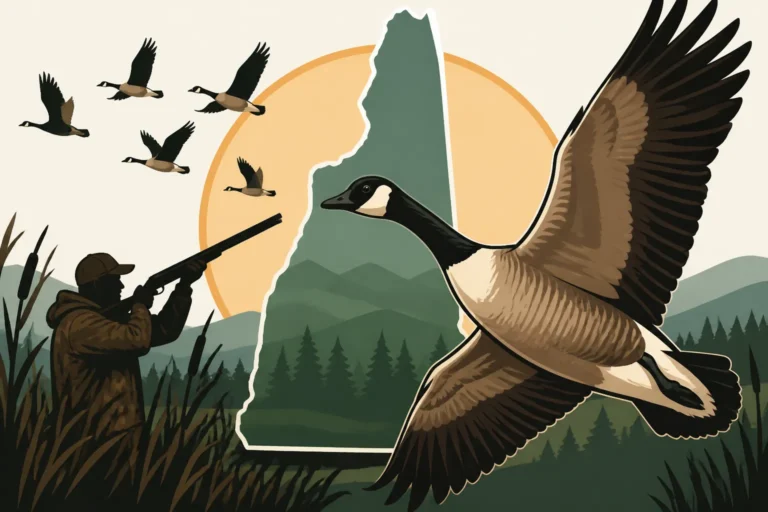
New Hampshire resident Canada goose populations and their history, distinguishing traits, habitats, and management through hunting.
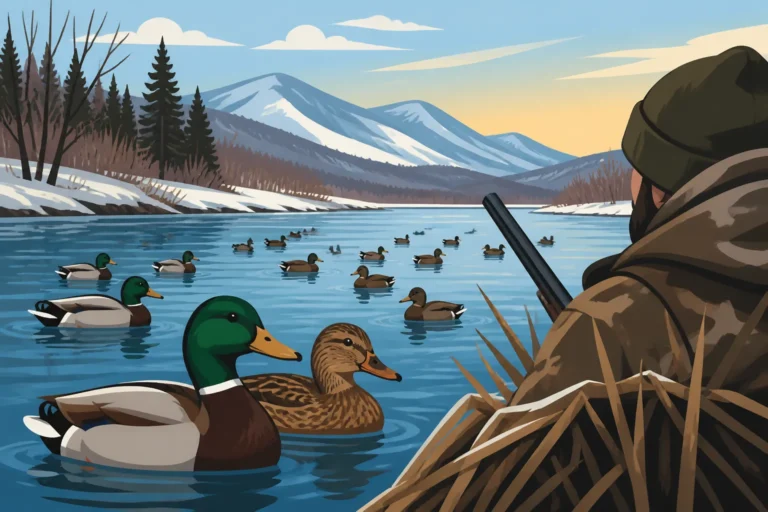
Wintering duck populations on the Connecticut River fluctuate based on weather, food availability, and hunting pressure.
Duck migration timing in New Hampshire and how weather fronts and food sources drive waterfowl movement through the state.
New Hampshire duck and goose populations depend on northern breeding grounds, weather conditions, and resident bird habits.
New Hampshire wild turkey scoring systems calculate weights, beard lengths, and spur measurements to qualify record book trophies.
New Hampshire Wildlife Management Units help turkey hunters understand habitat, bird density, and general population opportunities.
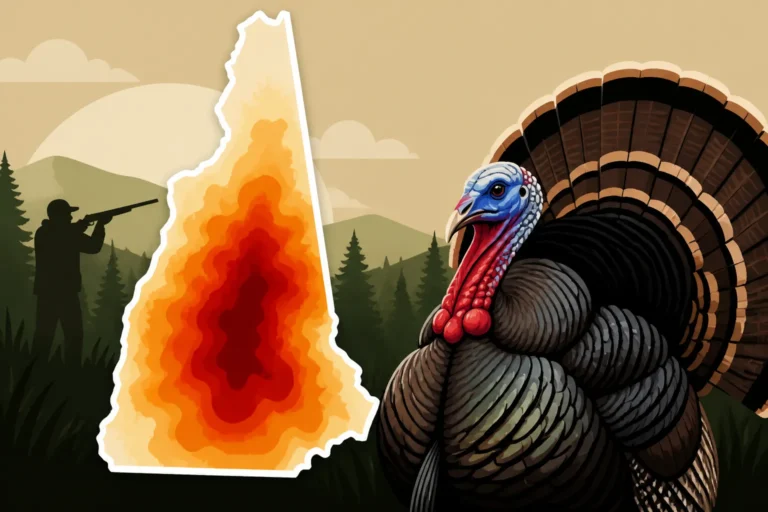
New Hampshire wild turkey population density across regions, shaped by restoration efforts, hardwood forests, and agricultural fields.