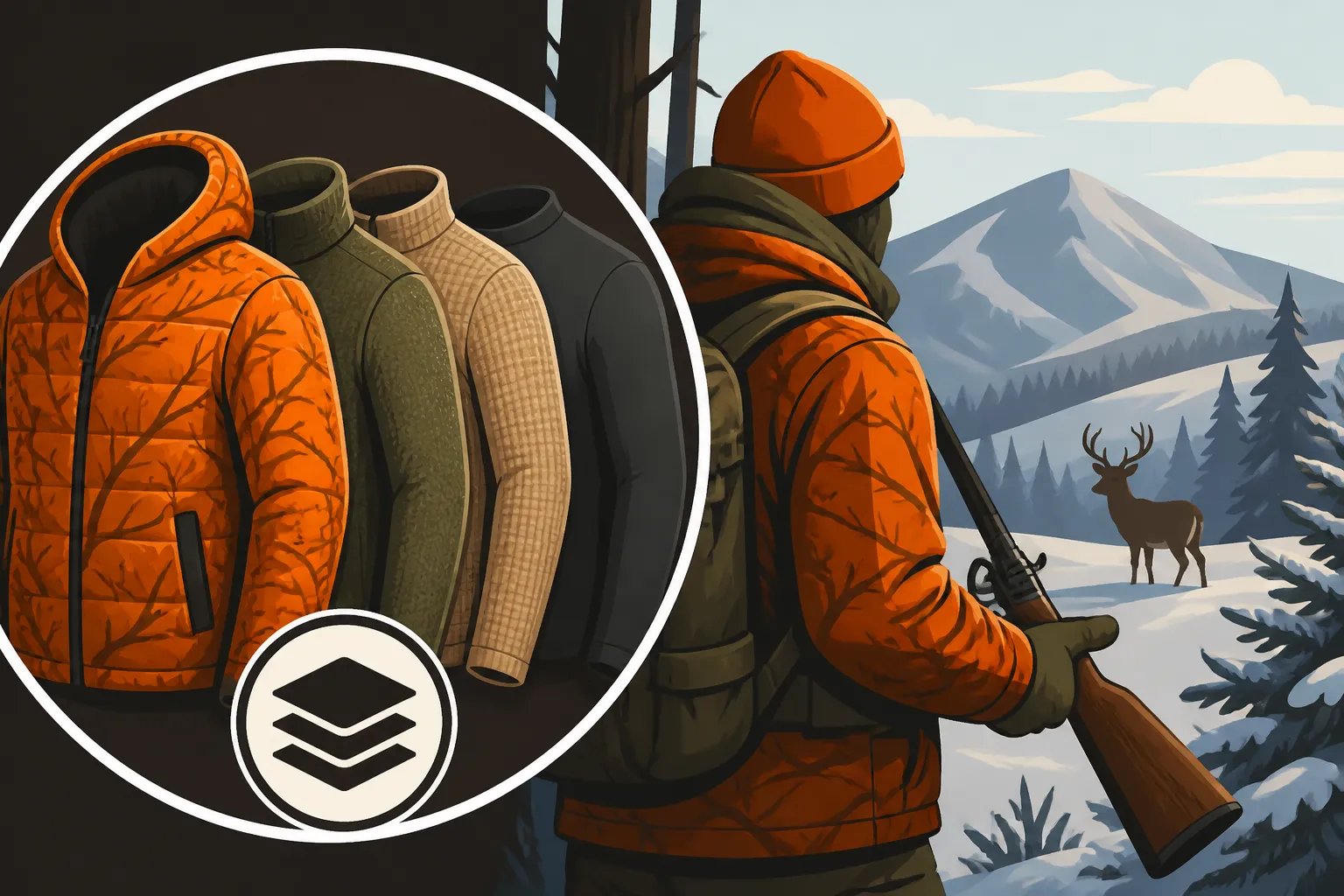
Insulated Layers for a December Muzzleloader Hunt
The biting chill of a New Hampshire December muzzleloader hunt isn't just uncomfortable; it can quickly become dangerous if you're not prepared. That raw, bone-deep cold, often accompanied by biting winds or even wet snow, demands more than just throwing on a few extra sweatshirts. This guide is all about building a comprehensive, resilient layering system designed specifically to keep you warm, dry, and focused during those critical late-season days in the Granite State.
The Harsh Reality of December Muzzleloader Season in New Hampshire
Anyone who's spent time in the New Hampshire woods in December knows it's a different beast entirely. The colorful foliage is long gone, the ground is often frozen solid, and the air itself feels heavy with winter's promise. For a muzzleloader hunter, this isn't just a matter of enduring the elements; it's about staying sharp and comfortable enough to make that one shot count when a late-season deer finally steps out.
Weathering the Granite State's Deep Winter Chill
New Hampshire in December isn't playing around. We're talking average daytime temperatures that often hover around freezing or dip well below, especially in the mornings and evenings when deer are most active. Then there's the wind chill, which can make a 20-degree day feel like zero in an exposed treestand or on a windswept ridge. You might start your hunt in crisp, dry air, only for a squall to blow in, bringing wet snow or even freezing rain. This isn't just inconvenient; moisture is the enemy of warmth, and a soaked layer can lead to hypothermia surprisingly quickly. The snow cover can be anything from a dusting to several inches, adding another layer of cold and wetness to contend with as you traverse the woods. Understanding these brutal realities is the first step in preparing adequately.
The Unique Demands of a December Muzzleloader Hunt
Muzzleloader hunting, especially in December, often involves long periods of stillness, whether you're posted on a travel corridor, still-hunting through a thick stand of pines, or sitting patiently in a ground blind. Unlike more active forms of hunting, you're generating very little body heat through exertion for much of the day. This static approach means your clothing has to do all the work of insulation. Furthermore, the single-shot nature of a muzzleloader means that shivering, numb fingers, or a chattering jaw can absolutely ruin your opportunity. Your gear needs to allow for quiet movement when necessary, but more importantly, it needs to lock in your body heat during those motionless stretches. Plus, the bulk of inadequate layers can hinder your ability to shoulder your rifle quickly and smoothly, which is a big concern for any hunter. When you are out there in the late season, remember that every successful shot comes after hours of patient waiting, often in truly miserable conditions. This is where a proper layering system truly shines, allowing you to focus on the hunt, not the cold. For those curious about the specific dates, checking New Hampshire Muzzleloader Season Dates is always a good idea.
Why Standard Gear Just Won't Cut It
You might have a trusty hunting jacket and a pair of insulated pants that serve you well during a mild November archery hunt. But December? That's a whole different ballgame. Your "good enough" gear from earlier seasons will likely leave you shivering and miserable, forcing you to cut your hunt short. Cotton, for instance, is an absolute no-go. Once wet, it loses all insulating properties and acts like a refrigerator against your skin. Bulky, ill-fitting outerwear can restrict your movement, making it hard to maneuver your muzzleloader or traverse tricky terrain. Even decent waterproof gear might not offer the critical insulation needed when the mercury plummets. Effective cold-weather hunting isn't about one thick coat; it's about a strategic system that manages moisture, traps air, and allows for flexibility. Investing in purpose-built insulated layers isn't a luxury; it's a necessity for safety, comfort, and success when you're spending long hours waiting for that deer during Hunting New Hampshire's Muzzleloader-Only Ten Days.
The Core Principles of Cold-Weather Insulation for Hunters
Before we dive into specific types of layers, let's understand how insulation actually works. It's not magic; it's science. By understanding these principles, you can make more informed decisions when building your cold-weather hunting wardrobe.
How Insulation Traps Warmth (and Prevents Heat Loss)
At its heart, insulation is about trapping air. Our bodies naturally generate heat, and this heat warms the air immediately surrounding our skin. Insulating materials, whether they are down feathers, synthetic fibers, or wool, create tiny air pockets that capture this warmed air. These pockets act as a barrier, slowing down the rate at which your body heat escapes into the colder environment. Think of it like a thermos: it keeps hot liquids hot and cold liquids cold by preventing the transfer of heat. The more still air an insulating material can trap, the warmer it generally is. This is why loft – the fluffiness or thickness of a material – is so important. A puffy jacket isn't just for show; it's literally full of trapped air. The goal is to create a series of these air-trapping layers around your body, from your skin outward, to minimize heat loss to convection (wind), conduction (direct contact with cold objects), and radiation (heat simply radiating away from your body).
Understanding Insulating Materials: Loft, R-Value, and Compressibility
When looking at insulation, several terms pop up that are important to grasp:
- Loft: This refers to the "fluffiness" or thickness of an insulating material. Higher loft generally means more trapped air and thus more warmth. Down is famous for its high loft for minimal weight.
- R-Value: While more commonly used for home insulation, the concept applies to clothing too. It's a measure of thermal resistance; a higher R-value indicates better insulating properties. Though not always explicitly stated for garments, a thicker, loftier garment with good material will inherently have a higher R-value.
- Compressibility: How small can the insulation pack down? This is crucial for hunters who might hike into a stand or need to carry extra layers. Down is highly compressible, making it great for packing. Synthetics vary, but many are designed to be quite packable as well.
- Warmth-to-Weight Ratio: This is a holy grail for hunters. How much warmth does a material provide relative to its weight? Down typically wins here, but modern synthetics are catching up quickly, especially when wet performance is considered. When you're carrying your gear deep into the timber, every ounce matters, so optimizing this ratio is key. A service like GoHunt can sometimes offer gear reviews that compare these factors, helping you make informed choices about what insulation might be best for your specific hunt.
The Critical Role of Moisture Management
This cannot be stressed enough: moisture is the ultimate enemy of warmth. Whether it's sweat from an uphill hike to your stand or precipitation from a sudden snow squall, wet clothing dramatically reduces its insulating power. Water conducts heat away from your body about 25 times faster than air. This is why cotton is so dangerous in cold weather – it absorbs moisture readily and dries incredibly slowly.
An effective layering system prioritizes moisture management from the inside out:
- Wicking: Your base layer needs to pull sweat away from your skin, moving it to the outer layers where it can evaporate.
- Breathability: Each subsequent layer, including your outer shell, needs to be breathable enough to allow that moisture vapor to escape. If your outer layer is a complete vapor barrier, sweat will condense inside your clothing, making you cold.
- Water Resistance/Proofing: Your outermost layer is critical for shedding external precipitation, keeping your inner insulating layers dry.
By understanding how warmth is trapped and how moisture compromises that warmth, you can build a layering system that actively works to keep you comfortable and safe throughout your December muzzleloader hunt.
Essential Insulated Layers for Your December Muzzleloader Kit
Building a successful cold-weather hunting system is like constructing a house: you need a strong foundation, robust walls, and a protective roof. For hunters, this translates into a base layer, mid-layers, and an outer shell, all working in concert.
The Foundation: Warm Base Layers
Your base layer is the first line of defense against the cold and your first line of attack against sweat. It sits directly against your skin, so its primary functions are to wick moisture away from your body and provide a thin, initial layer of insulation.
- Materials Matter: Forget cotton. For cold-weather hunting, you want either merino wool or a high-quality synthetic blend.
- Merino Wool: It's naturally antimicrobial (so it resists odor, a huge plus on multi-day hunts), incredibly soft, and perhaps most importantly, it retains a remarkable amount of its insulating power even when damp. This is a game-changer if you work up a sweat on the hike in. Look for heavier weights (250-350gsm) for December conditions.
- Synthetics: Modern synthetic base layers are engineered to wick sweat aggressively and dry quickly. They are often more durable than merino wool and can be a bit more budget-friendly. They don't retain warmth quite as well as wool when damp, but their rapid drying time can be a huge advantage.
- Fit is Key: Base layers should be snug against your skin, but not constrictive. This maximizes their wicking efficiency and allows them to trap that initial layer of warmed air. A loose base layer won't perform as intended. Having a couple of sets of good base layers is a smart move, especially if you plan an overnight trip or if one set gets wet from sweat or unexpected precipitation. Think about the difference a dry, warm layer makes when you're shivering after a long sit.
The Core Warmth: Mid-Layer Insulation
This is where the real heat-trapping magic happens. Your mid-layers provide the bulk of your active insulation, holding onto that precious body heat. You might use one thick mid-layer or several thinner ones, depending on the temperature and your activity level.
- Fleece: A classic choice for good reason. Fleece is lightweight, breathable, and provides excellent warmth. It's often affordable and comes in various thicknesses (100-weight, 200-weight, 300-weight). It handles some moisture but can get heavy and less effective if truly soaked.
- Puffy Jackets/Vests (Synthetic or Down): These are fantastic for serious warmth. A packable puffy jacket or vest, filled with either down or synthetic insulation, can be quickly pulled out when you reach your stand and stuffed back into your pack if you need to hike. They offer superior warmth-to-weight. For very cold sits, you might even wear a thin fleece under a puffy vest or jacket for a combination of consistent warmth and excellent moisture management. Consider something like a mid-weight synthetic puffy that performs well even if it gets a little damp, which is a common scenario when hunting in New Hampshire.
When selecting mid-layers, consider items that are easy to put on and take off, allowing you to regulate your temperature as you move or sit. This adjustability is vital for preventing overheating and subsequent chilling.
Outer Layer Protection: Insulated Shells and Parkas
Your outermost layer serves two crucial purposes: protecting your inner insulation from external elements (wind, rain, snow) and providing additional warmth. For December muzzleloader hunting, a simple rain shell often isn't enough; you need something that combines weather protection with significant insulation.
- Insulated Parkas/Jackets: These are typically robust, waterproof or highly water-resistant jackets with built-in insulation. They are designed to stand up to brutal conditions and keep you toasty even when motionless.
- Features to look for: A quiet outer fabric (crucial for hunting), durable water repellent (DWR) finish, taped seams for full waterproofing, adjustable hood (to wear over a warm hat), and plenty of pockets. Look for synthetic insulation here, as it performs better than down if it gets wet from heavy snow or freezing rain.
- Fit: Ensure it's roomy enough to accommodate your base and mid-layers without compressing them too much (which reduces their insulating power). However, it shouldn't be so baggy that it catches on branches or creates excessive noise.
- Wind Protection: Even if your outer shell isn't heavily insulated, it must be windproof. Wind strips away your body heat incredibly fast through convection. Many good hunting shells combine insulation with excellent wind-blocking properties.
- Choosing the right outer layer can be one of the most significant investments in your kit. It's the shield that protects all your hard-won warmth. For hunters needing to stay warm for extended periods in brutal conditions, a specialized insulated parka is a necessity, not a luxury. For checking regional weather patterns and making informed gear choices, sites like GoHunt can provide useful insights into seasonal conditions.
Specialized Warmth: Vests, Pants, and Bibs
Don't forget the rest of your body! While a good upper body system is paramount, your legs and core need serious attention too.
- Insulated Vests: A vest can be a fantastic addition to your mid-layer system. It provides core warmth without adding bulk to your arms, which can be useful for mobility or when shouldering your muzzleloader. It's great for those "just a little bit extra" warmth needs.
- Insulated Pants or Bibs: Your legs are often overlooked, but they lose a lot of heat, especially when sitting on a cold stand or ground.
- Insulated Hunting Pants: These offer warmth and protection. Look for quiet fabrics, reinforced knees, and a comfortable fit over your base layers.
- Insulated Hunting Bibs: Many seasoned cold-weather hunters swear by bibs. They provide significantly more coverage than pants, eliminating the cold gap between your pants and jacket, and offering critical insulation for your lower back and core. They're often warmer, better at keeping snow out, and designed for long hours of sitting. Just like with jackets, prioritize quiet, waterproof/water-resistant, and synthetically insulated options for the best performance in a New Hampshire December. The extra coverage a good pair of bibs offers can be the difference between being comfortable enough to stay out or heading back to the truck shivering.
Here's a quick look at how different layers typically stack up:
| Layer Type | Primary Function | Materials (Common) | Key Considerations |
|---|---|---|---|
| Base Layer | Wicking moisture, initial warmth | Merino Wool, Synthetic | Snug fit, odor resistance, quick-drying |
| Mid Layer | Core insulation, heat retention | Fleece, Synthetic Puffy | Warmth-to-weight, breathability, packability |
| Outer Layer | Weather protection, added warmth | Insulated Waterproof Shell | Quiet fabric, windproof, waterproof, durable |
| Specialized | Targeted warmth | Insulated Pants/Bibs, Vest | Coverage, quiet, maneuverability |
Choosing Your Insulation: Down, Synthetic, Wool, or Fleece?
Each insulation type has its strengths and weaknesses, and understanding them is crucial for picking the right gear for your December muzzleloader hunt. There's no single "best" option; rather, it's about what best suits your hunting style, the specific conditions you expect, and your budget.
Down Insulation: Lightweight Warmth, but with Caveats
Down, usually from ducks or geese, is legendary for its warmth-to-weight ratio and compressibility. It creates incredible loft, trapping a vast amount of air relative to its weight, making it incredibly warm for how light it feels.
-
Pros:
- Superior Warmth-to-Weight: You get a lot of warmth for very little bulk or weight, which is fantastic for packing.
- Highly Compressible: Packs down tiny, making it easy to carry in a pack and deploy when you stop moving.
- Luxuriously Comfortable: Often feels softer and less bulky than synthetic alternatives for the same warmth.
-
Cons:
- Loses Insulation When Wet: This is the big one. Once down gets truly wet (from heavy rain, melting snow, or excessive sweat), it clumps up, loses its loft, and becomes virtually useless for insulation. It also takes a long time to dry. This is a major concern in the potentially wet conditions of a New Hampshire December.
- More Expensive: Generally costs more than synthetic alternatives.
- Care: Requires more careful washing and drying.
-
When to Use: Best reserved for dry, cold conditions where precipitation is unlikely, or as an "emergency" warmth layer stored in a waterproof bag until needed. If you're hiking in on a truly frigid, clear day and plan to sit still, a down jacket might be your go-to mid-layer, but always have a backup plan for moisture.
Synthetic Insulation: The All-Weather Performer
Synthetic insulations are man-made fibers (like polyester) designed to mimic the heat-trapping qualities of down. Brands like PrimaLoft, Thinsulate, and Coreloft are common examples.
-
Pros:
- Retains Warmth When Wet: This is the primary advantage over down. Even if synthetic insulation gets damp or wet, it retains a significant portion of its insulating properties, making it much safer in humid or rainy/snowy conditions. This alone often makes it the preferred choice for New Hampshire hunters.
- Faster Drying: Dries much quicker than down.
- Hypoallergenic: Good for those with allergies to down.
- More Affordable: Generally less expensive than down.
- Easier Care: Can typically be machine washed and dried more easily.
-
Cons:
- Heavier and Bulkier: For the same amount of warmth, synthetic insulation will generally be heavier and bulkier than down.
- Less Compressible: While many are designed to pack well, they don't get quite as small as high-quality down.
-
When to Use: Ideal for almost all New Hampshire hunting conditions, especially during the December muzzleloader season when wet snow, freezing rain, or high humidity are always a possibility. For dependable warmth regardless of the weather, synthetic is often the smarter choice for your mid and outer insulated layers. If you're pondering Best Insulated Layer for a December Muzzleloader Hunt, synthetic options should be at the top of your list for reliability.
Merino Wool: Nature's Technical Fabric
We've talked about merino wool for base layers, but it's also an excellent choice for mid-layers.
-
Pros:
- Insulates When Wet: Like synthetics, wool retains a significant amount of its warmth even when damp, making it safer than cotton.
- Excellent Odor Resistance: Naturally antimicrobial, so you can wear it for days without smelling offensive, which is a huge plus in hunting camp.
- Breathable and Temperature Regulating: Helps regulate body temperature across a wide range of conditions.
- Quiet: A softer fabric that makes very little noise, crucial for hunting.
-
Cons:
- Slower Drying: While it insulates when wet, it doesn't dry as quickly as synthetics.
- More Expensive: Good quality merino wool can be pricey.
- Durability: Can be less durable than some synthetics, especially against snags.
- Weight/Bulk: Generally heavier and bulkier than down or even some synthetics for equivalent warmth.
-
When to Use: Excellent for base layers and mid-layers, especially for its odor resistance and ability to handle moisture. A thick merino wool mid-layer under a synthetic puffy can be a fantastic combination for cold, still hunting. It's especially useful for Best Mid-Layer for a November Firearms Hunt and extending that warmth into December.
Fleece: Versatile and Affordable Mid-Layer
Fleece, typically made from polyester, is a tried-and-true mid-layer material.
-
Pros:
- Warm and Breathable: Provides good warmth for its weight and allows moisture vapor to escape.
- Quick-Drying: Dries relatively fast.
- Affordable: Generally one of the most budget-friendly insulation options.
- Comfortable: Soft against the skin.
-
Cons:
- Wind Permeable: Most fleece offers little to no wind resistance, so you need a windproof outer layer.
- Bulky: Can be bulkier than down or even synthetic puffies for the same warmth.
- Less Insulating When Wet: While better than cotton, it loses more insulating power when wet compared to wool or dedicated synthetic puffies.
- Can Be Noisy: Some fleeces can be quite noisy when brushing against branches.
-
When to Use: A great workhorse mid-layer for active periods or as a warmth booster under a windproof shell. Perfect as a secondary mid-layer or for milder cold days. For activities like Still-Hunting White Mountain National Forest Timber, where you're moving more, fleece can be a great, breathable option.
Building a Layering System for Dynamic New Hampshire Conditions
The key to comfort and safety in New Hampshire's December is not just owning good insulated layers, but knowing how to combine them into a dynamic system that adapts to your activity level, the weather, and the terrain.
The "Stop-and-Go" Challenge: Balancing Activity and Stillness
New Hampshire muzzleloader hunting often involves periods of high exertion (hiking to your stand, tracking a deer, hauling gear) followed by long stretches of complete inactivity (sitting on stand, still-hunting slowly). This "stop-and-go" pattern is the nemesis of staying warm because it causes dramatic fluctuations in body temperature and sweat production.
- Preventing Overheating During Activity: The biggest mistake hunters make is starting too warm. When you begin your hike in, you should feel slightly cool, almost chilly. As you move, your body will generate heat. If you start fully bundled, you'll sweat profusely. That sweat will soak your layers, and when you stop, that moisture will rapidly cool you down, leading to a deep, penetrating chill. Start with fewer layers on, perhaps just your base layer and a light fleece, and carry your heavier insulated mid-layers in your pack.
- Adding Layers During Stillness: As soon as you stop moving and arrive at your stand or calling location, immediately add your heavier insulated layers (puffy jacket, insulated vest, insulated bibs). Don't wait until you're already feeling cold; pre-empt the chill. This strategy allows your body heat to stay trapped within your system rather than dissipating into the cold air.
The ability to quickly add or shed layers is paramount. Look for layers with full zippers or snaps that make adjustments easy without a lot of fumbling. This thoughtful approach to layering is critical for a truly successful Cold-Weather Sitting Strategy in the North Country.
Adapting Your System for Changing Weather and Terrain
New Hampshire weather can be fickle, especially in December. One morning might be clear and frigid, the next could bring a heavy, wet snow. Your layering system needs to be versatile enough to handle these shifts.
- Scouting and Forecasts: Always check the most local weather forecast possible before your hunt. Pay attention not just to temperature, but also wind chill, precipitation chances, and humidity. Use tools like GoHunt's weather features, if available, to dial in your predictions. Knowing if it's going to be a dry cold versus a wet, windy cold will dictate your choice between, say, a down mid-layer or a synthetic one.
- Terrain Considerations: Are you hunting open ridges where wind is a constant factor, or sheltered river bottoms where humidity might be higher? Will you be crossing beaver flows, needing Waders for New Hampshire Waterfowl Hunting or just dealing with frosty ground? The type of terrain affects your activity level and exposure, influencing your layering choices. For instance, hunting in high-elevation basins of the White Mountains will demand maximum insulation and wind protection, whereas still-hunting a timbered lowland might allow for slightly less bulky mid-layers.
- Redundant Layers: Always carry at least one extra insulating layer in your pack, ideally something synthetic and warm. If a layer gets unexpectedly wet, or if the temperature drops more than anticipated, you'll be incredibly grateful for that dry backup. This is especially true for your Best Mid-Layer for a November Firearms Hunt which can serve as a primary or backup.
By thoughtfully considering these variables, you can select and deploy your layers in a way that provides optimal comfort and protection throughout your hunt.
Field-Testing Your Layers Before the Season
The worst place to discover your layering system has flaws is in the middle of a freezing December hunt, miles from your truck. You need to field-test your gear well in advance.
- Simulate Hunting Conditions: Go for walks or hikes in similar cold weather, wearing your full hunting setup (minus the firearm, of course). Sit for extended periods (an hour or two) in a simulated stand environment, perhaps in your backyard or a local public area. Pay attention to how your body feels:
- Do you overheat on the walk?
- Do you get cold too quickly once you stop?
- Do the layers restrict your movement when you raise your arms or shoulder your muzzleloader?
- Is there any noise created by the layers rubbing together?
- Identify Weak Points: Are your hands or feet getting cold despite thick gloves and boots? This indicates a potential flaw in your overall system or a specific accessory. Perhaps you need Best Boot Insulation for Late-Season Cold or warmer socks.
- Adjust and Experiment: Don't be afraid to try different combinations of base layers, mid-layers, and outer shells. You might find that a lighter base layer with a heavier mid-layer works better for you than two medium-weight layers. Everyone's metabolism is different, so what works for one hunter might not be perfect for another. This trial and error ensures that when December finally rolls around, your system is fine-tuned and you can focus entirely on the hunt, not on fighting the cold. Remember, preparation is key for a comfortable and successful hunt.
Maximizing Warmth Beyond Your Clothing System
While insulated layers are the core of your cold-weather defense, a truly comprehensive strategy involves much more. Think about what goes into your body, what accessories you bring, and even how you position yourself in the landscape.
Fueling Your Internal Furnace: Food and Hydration
Your body is a heat-producing machine, but it needs fuel to run. Just like a wood stove, if you don't feed it, it won't produce heat.
- Calorie-Rich Foods: For cold-weather hunting, you need plenty of calories, especially fats and complex carbohydrates. These provide sustained energy for your body to metabolize and generate heat. Think trail mix, energy bars, hard cheese, jerky, and even a thermos of hot, hearty soup. Avoid sugary snacks that provide a quick burst followed by a crash.
- Warm Liquids: A thermos filled with hot coffee, tea, or cocoa isn't just a comfort; it's a vital source of internal warmth and hydration. Dehydration can actually make you feel colder and impairs your judgment. Sip warm liquids throughout the day to keep your core temperature up. While you might not feel as thirsty in cold weather, it's still crucial to stay hydrated. A warm drink can feel like a mini internal heater, especially when you've been sitting still for a while.
- Small, Frequent Meals: Instead of one large lunch, try to snack consistently throughout the day. This provides a steady supply of fuel for your body's metabolic engine, keeping that internal furnace burning. Planning your food and drink can be just as important as planning your layers.
External Warmth: Hand Warmers, Seat Pads, and Blinds
Sometimes, your layers need a little help from external sources of heat or additional barriers.
- Chemical Hand and Foot Warmers: These are inexpensive, lightweight, and incredibly effective. Place hand warmers in your gloves or pockets, and foot warmers in your boots. They provide localized heat that can prevent frostnip and keep your extremities functional, which is vital for manipulating your muzzleloader. Don't underestimate the power of warm hands; they can make or break your comfort on a long, cold sit.
- Insulated Seat Pads: Sitting directly on a cold treestand seat or frozen ground will rapidly suck heat out of your body through conduction. An insulated seat pad, even a simple foam one, creates a critical barrier, allowing your body to retain its warmth. They are light, inexpensive, and make a huge difference in comfort for long sits. For those planning on long vigils, checking out advice on Hanging a Stand on a Granite Ridge or Using a Ground Blind on Public Land might also include tips on insulation beyond clothing.
- Ground Blinds/Pop-Up Blinds: While not clothing, a well-brushed-in ground blind can offer significant protection from wind and light precipitation, effectively creating a micro-climate that is several degrees warmer than the outside air. This passive protection greatly enhances the effectiveness of your layered clothing system. A simple blind can reduce the wind chill factor significantly, making those long waits much more bearable. When setting up, remember that even a thin barrier against the wind can provide substantial relief.
Protecting Extremities: Hats, Gloves, and Boots
Your head, hands, and feet are often the first to get cold because they have a high surface area-to-volume ratio and are farthest from your core. Neglecting them will quickly lead to overall discomfort.
- Headwear: A significant amount of body heat can be lost through your head. Wear a warm, insulated hat that covers your ears. A wool or fleece beanie under an insulated hood provides excellent warmth. A neck gaiter or balaclava is also crucial for protecting your neck and face from biting winds.
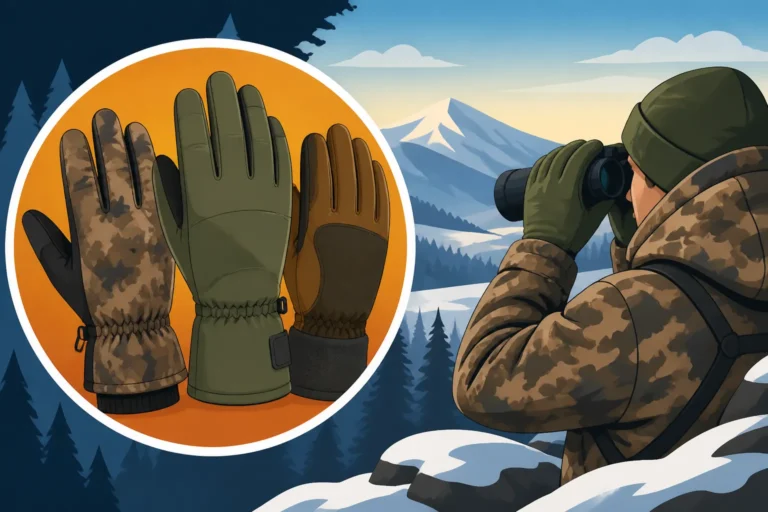
- Gloves/Mittens: This is a tricky one for hunters, as you need warmth but also dexterity to operate your muzzleloader, load powder, and retrieve primers.
- Layering Hands: Consider a thin, touch-screen compatible glove as a base layer for dexterity, with a thicker, insulated mitten or "shooter's mitt" that you can quickly pull off when you need to shoot. The mitten keeps your hands much warmer than a glove alone.
- Hand Warmers: As mentioned, these are a godsend in your gloves or mittens.
- Waterproof Options: Ensure your outer hand layer is waterproof to prevent melting snow from soaking through.
- Insulated Boots and Socks: Your feet are constantly in contact with the cold ground.
- High-Quality Insulated Boots: Invest in a pair of boots specifically rated for cold weather, with good waterproof membranes. Look for boots with sufficient insulation (e.g., 800g to 1200g Thinsulate equivalent) for extreme cold.
- Layered Socks: Wear a thin wicking liner sock (synthetic or merino wool) under a thick, insulated merino wool sock. Avoid cotton socks at all costs. Make sure your boots aren't too tight with these layers, as restricted circulation will make your feet colder. Ensuring your feet are properly protected is vital for safety, comfort, and the overall enjoyment of your hunt. For more specific advice, consider Best Boots for White Mountain Granite Trails as a starting point.
By combining a well-thought-out insulated layering system with smart internal and external warming strategies, you'll be well-equipped to face the challenges of a New Hampshire December muzzleloader hunt, staying comfortable, focused, and ready for your opportunity.
Disclaimer
This article is for general informational purposes only and does not constitute professional advice. Laws, prices and regulations vary by location and change over time. Consult a qualified professional for guidance on your specific situation.