Hunting the Earlier WMU A Firearms Close
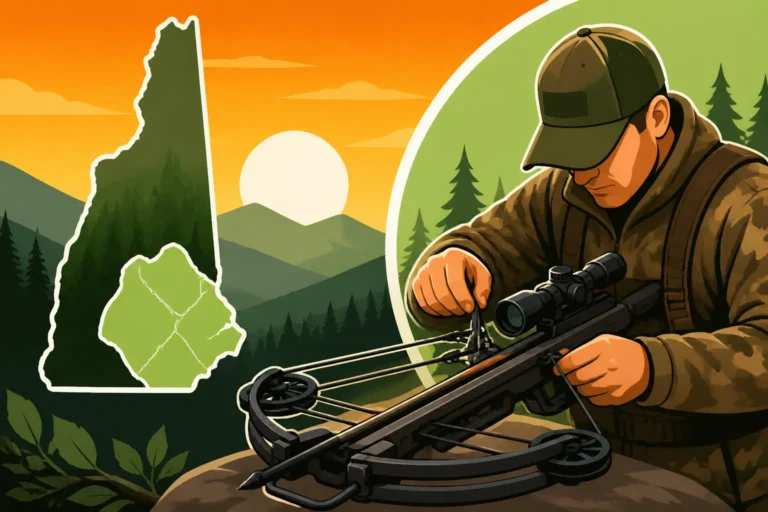
If you've ever felt like deer season is a constant juggling act of dates and regulations, you're not alone. Many New Hampshire hunters experience a unique kind of scramble when they realize that Wildlife Management Unit (WMU) A, nestled in the scenic North Country, closes its firearms deer season notably earlier than the rest of the state. This can be a real head-scratcher, creating confusion about when to hunt and how to adapt your strategies. This comprehensive guide is designed to help you navigate the nuances of hunting the earlier WMU A firearms close, ensuring you're prepared to maximize your success in this beautiful but challenging region.
Understanding WMU A's Unique Firearms Calendar
WMU A isn't like the other kids on the block when it comes to deer season dates. While many parts of New Hampshire enjoy a firearms season that stretches further into November, or even has a later muzzleloader opportunity, WMU A often closes its traditional firearms season significantly earlier. This isn't just a random choice; it's a deliberate management strategy tied deeply to the unique ecological pressures and deer population dynamics of the region.
The 'Why' Behind the Earlier Close
The reasons for WMU A's condensed firearms season are rooted in sound wildlife management principles, specifically tailored to the rugged, high-elevation terrain and often severe winter conditions of New Hampshire's North Country. Deer herds in WMU A face harsher winters, with deeper snow, colder temperatures, and a shorter growing season for forage compared to their southern counterparts. These environmental factors mean that deer in this region are naturally more vulnerable to winter mortality.
Wildlife biologists at New Hampshire Fish and Game carefully monitor these populations. By closing the firearms season earlier in WMU A, they aim to reduce overall hunting pressure and protect the core breeding population before the deer enter the most stressful period of winter. This strategy helps ensure that more does survive to reproduce in the spring, and that bucks have a better chance of recovering from the rut and making it through the lean months. It's a proactive approach to maintaining a healthy and sustainable deer herd in a delicate ecosystem. Hunters might find it frustrating to have a shorter window, but understanding that it's for the long-term health of the herd can help reframe the challenge. This management also contributes to the overall health of White-Tailed Deer Across New Hampshire.
Key Dates and Regional Differences
To truly succeed in WMU A, you need to be intimately familiar with the specific opening and closing dates for its firearms season. These dates can shift slightly year to year, so always consult the latest New Hampshire Fish and Game Hunting Digest. Typically, the firearms season in WMU A will open around the same time as other zones, but its closing date will be noticeably earlier, sometimes by a week or more compared to other regions like WMU B or C.
For example, while many southern WMUs might see their firearms season extend well into the third week of November, WMU A could be buttoned up by the middle of the second week. This difference compresses your prime hunting days significantly. It means the usual "peak rut" hunting window that many hunters rely on in mid-November might be cut short, or even completely missed, if the rut is running a little late that year. Knowing these precise dates, and comparing them to New Hampshire Firearms Season Dates for other regions, is your first critical step. This earlier close demands a heightened sense of urgency and precision in your hunting efforts, making every single day you spend in the woods count.
A quick look at the typical structure might illustrate the difference:
| WMU (Example) | Archery Season | Muzzleloader Season | Firearms Season (Traditional) |
|---|---|---|---|
| WMU A | Sept. 15 – Dec. 15 | Nov. 11 – Nov. 19 | Nov. 8 – Nov. 14 (Earlier Close) |
| WMU B | Sept. 15 – Dec. 15 | Nov. 11 – Nov. 19 | Nov. 8 – Nov. 29 (Later Close) |
| WMU J2 | Sept. 15 – Dec. 15 | Nov. 11 – Nov. 19 | Nov. 8 – Dec. 7 (Extended) |
Note: Dates are illustrative and vary annually. Always check current NH Fish and Game Digest.
As you can see, the firearms season in WMU A can be notably shorter. This is why understanding New Hampshire's WMU-Based Deer Season Structure is paramount for any hunter planning to pursue whitetails in the Granite State.
Strategic Approaches for a Shorter Season
Hunting in WMU A during its firearms season is not for the faint of heart, or the ill-prepared. The shortened window means that every decision, every hour spent scouting, and every day in the woods carries amplified importance. You can't just "wing it" and expect success; a focused, intelligent strategy is absolutely essential.
Maximizing Your Hunting Pressure Window
When you have fewer days to hunt, you inherently have a smaller window to intercept deer movement, especially during the critical rut period. This means your hunting pressure, when applied, needs to be precise and impactful. If you can align your hunting days with the predicted peak of the rut, your chances increase dramatically. However, the rut in the North Country can sometimes start later or be more drawn out due to weather fluctuations, and you might find the firearms season is already closing just as things are heating up.
This compressed timeframe requires an intense, almost surgical approach. Instead of leisurely week-long hunts, you might need to focus on a few back-to-back full days. Consider hunting mornings and evenings, and even midday still-hunting if conditions permit. You'll want to choose your stand locations carefully, prioritizing areas with fresh sign, active scrapes, and historical buck travel corridors. Knowing Hunting the November Firearms Opener is crucial, as this is often when the biggest bucks are still moving during daylight hours before they become heavily pressured. Don't be afraid to put in long hours, but also understand the impact of your presence. Too much pressure in one spot can quickly push deer nocturnal or out of the area altogether, which is a luxury you cannot afford with such a limited season.
Adapting Tactics for the Early Cold
WMU A is in New Hampshire's North Country, and the weather here can be fickle and unforgiving, especially in early to mid-November. While other parts of the state might still be experiencing mild fall days, WMU A could easily be hit with deep frosts, significant snow, or even ice storms. These conditions drastically influence deer behavior and require hunters to adapt their tactics.
The early cold often means deer will be more focused on calorie intake. Their natural food sources start to dwindle quickly. This makes identifying and keying into remaining high-energy food sources – like lingering acorns, beechnuts, or late-season browse – absolutely vital. Bucks, especially after the strenuous demands of the rut, will be looking to replenish their energy reserves. Look for south-facing slopes where snow melts faster and exposes forage, or areas with a dense evergreen canopy that offers thermal cover from bitter winds.
Another critical factor is understanding thermals, especially in the mountainous terrain of WMU A. Cold air sinks, creating predictable thermal drafts that can carry your scent down into low-lying areas in the morning and up into ridge tops in the evening. This phenomenon is even more pronounced in cold weather. Planning your approach and stand placement to account for these shifting winds is paramount to avoiding detection. If you're not paying attention, that crisp, cold air carrying your scent might alert every deer within a half-mile radius, effectively shutting down your hunt before it even begins.
Pre-Season Scouting and In-Season Adaptations
Success in WMU A during its short firearms season isn't born from luck; it's forged through diligent preparation. The limited hunting window means you have to arrive in the woods with as much knowledge as possible.
Intensive Off-Season Reconnaissance
This cannot be stressed enough: your success in WMU A hinges heavily on what you do before the season even begins. Intensive off-season reconnaissance is not just helpful; it's absolutely non-negotiable. Start with high-quality mapping tools, like those offered by GoHunt, to analyze terrain features, identify potential funnels, saddles, and bedding areas. Look for dark timber stands that offer thermal cover, especially important in a region prone to early cold snaps. Use satellite imagery to spot clear-cuts, old logging roads, and changes in forest density that might not be obvious from the ground.
Once you've done your digital homework, it's time for boots on the ground. Hike your chosen areas repeatedly in the spring, summer, and early fall. Look for old rub lines, historical scrape areas, and well-worn deer trails. Set up trail cameras in key locations, especially near suspected bedding areas and travel corridors, to monitor deer movement patterns. Pay close attention to when and where bucks are moving, what they're feeding on, and how they use the terrain. This intelligence is gold in a short season. If you can identify Where New Hampshire Bucks Bed in Thick Cover before opening day, you'll have a significant advantage. This meticulous pre-season work allows you to condense your actual hunting efforts into the limited timeframe, making every hour in your stand count. Scouting New Hampshire Public Land Before Season is a valuable skill to hone for WMU A.
Real-Time Adjustments and Deer Movement
Even with the most thorough pre-season scouting, deer behavior is dynamic, especially during a compressed season subject to dramatic weather changes. You simply can't rely solely on historical data. You need to be prepared to make real-time adjustments based on current conditions and observed deer movement.
Monitor weather forecasts constantly. A sudden snowstorm or a drastic temperature drop will absolutely shift deer patterns. They might move from open hardwoods to dense softwood cover for thermal protection, or alter their feeding times to avoid the harshest parts of the day. Observe the mast crop—are acorns plentiful or scarce? What about beechnuts? If a preferred food source is gone, deer will quickly shift to secondary options like browse or lingering soft mast.
Pay attention to hunting pressure from other hunters. In a short season, the woods can get busy quickly, especially on public land. If your spot suddenly goes quiet, it might be due to increased pressure, and you'll need to move to find less disturbed areas. Using your trail cameras to identify specific buck movement during the actual hunting window, and combining that with insights from mapping tools like GoHunt, can help you adapt quickly. For instance, if GoHunt's predictive analytics show a cold front moving in, you might adjust your strategy to focus on thermal cover and south-facing slopes, knowing deer will be seeking warmth and sun. Being flexible and adaptable is key to overcoming the challenges of WMU A's early firearms close.
Navigating Public and Private Land Dynamics in WMU A
WMU A encompasses a significant portion of New Hampshire's rugged North Country, which means hunters have a mix of public and private land opportunities. Each comes with its own set of rules and challenges, especially when working within a tight hunting window.
Accessing White Mountain National Forest and State Lands
A large part of WMU A falls within the boundaries of the expansive Hunting New Hampshire's White Mountain National Forest. This provides a vast amount of public land for hunters, but it's not without its complexities. While the sheer acreage is appealing, much of it is remote, rugged, and can see significant foot traffic from hikers during milder weather. Deer densities in the highest elevations are typically lower, as they seek out more abundant food and cover in the lower and mid-elevations.
When planning your hunt on National Forest land, you'll need to understand specific regulations regarding vehicle access, camping, and even treestand usage. Many gated logging roads offer excellent access to deeper woods, but knowing which ones are open to vehicles versus foot traffic is crucial. Furthermore, hunting pressure can still be an issue in easily accessible areas, especially during the opening days of firearms season. To find less pressured deer, you'll often need to be willing to hike much further off the beaten path, into drainages or basins that discourage casual hunters. Utilizing mapping applications can help you identify remote pockets of habitat that receive less pressure. Always check the rules for Public Hunting Land in New Hampshire to avoid any issues.
State lands, including some Wildlife Management Areas (WMAs) and State Forests, also offer hunting opportunities within WMU A. These areas are typically managed more intensely for wildlife and might have different regulations. Always verify specific rules for any state-managed parcel you plan to hunt, as they can differ from National Forest regulations.
Securing Private Land Permission
Given the often lower deer densities in some of the more rugged public lands, securing private land permission in WMU A can be a game-changer. Private parcels, especially those near agricultural fields, timber operations, or developed areas, often hold higher concentrations of deer. However, gaining access requires effort, respect, and proper etiquette.
Start well before the season. Knock on doors, introduce yourself, and respectfully ask for permission. Many landowners are wary of hunters, so present yourself professionally, offer to help with chores, and always leave the property cleaner than you found it. Landowners often appreciate hunters who come prepared with land intel, which a service like GoHunt can provide, showing you've done your homework. Emphasize your commitment to safety and adherence to all regulations.
It's also essential to understand New Hampshire's trespass laws. While some states have "implied permission" unless land is posted, New Hampshire requires hunters to seek permission to hunt on private land. Always get explicit permission, and if possible, in writing. This not only protects you but also demonstrates your respect for the landowner. If you do secure permission, treat it like gold. Communicate openly, follow all agreed-upon rules, and perhaps offer some of your venison as a thank you. Building these relationships can unlock access to prime hunting ground that sees little pressure, a significant advantage in WMU A's short firearms season.
Essential Gear and Logistics for WMU A
Hunting in WMU A, particularly during the firearms season, demands careful consideration of your gear. The North Country's unpredictable weather and challenging terrain mean you need to be prepared for anything, and your logistical planning must be on point due to the early season close.
Layering and Cold Weather Preparedness
New Hampshire's North Country in November can throw anything at you, from crisp, clear mornings to bitter, bone-chilling winds and heavy snow. The key to staying comfortable and focused, rather than shivering your way through a hunt, is effective layering. Start with a moisture-wicking base layer against your skin to pull sweat away from your body, preventing that clammy, cold feeling. Next, a warm mid-layer, perhaps fleece or down, provides insulation. Finally, a waterproof and windproof outer shell is essential to protect against the elements.
Don't forget the extremities. A warm hat that covers your ears is critical, as you lose a lot of heat from your head. Insulated, waterproof gloves or mittens are a must, along with warm, wicking socks and high-quality, insulated boots that are up to the task of hiking rugged terrain and keeping your feet dry in potential snow or slush. Hand warmers can be a lifesaver on particularly frigid days. Remember, you'll be exerting yourself hiking in, then sitting for long periods, so your layering system needs to be versatile. You might start with fewer layers while hiking to avoid sweating, then add more once you're settled in your stand. For more detailed advice, check out Layering for New Hampshire's Cold Hunting Season.
Post-Harvest Responsibilities and Registration
One of the most critical logistical considerations for hunting the earlier WMU A firearms close is understanding your post-harvest responsibilities, particularly regarding deer registration. With an early closing date, you might find yourself needing to register a deer just as other WMUs are still mid-season, or even during weekends when registration stations might have limited hours.
New Hampshire Fish and Game offers several ways to register deer, including online and through physical check stations. However, it's vital to know the specific deadlines and procedures for WMU A, especially if your hunt coincides with an early close date that might precede typical statewide registration periods or during "blackout days" when online registration might not be available. Some hunters even track specific regulations with apps like GoHunt to stay on top of any last-minute changes or regional nuances.
If you harvest a deer in WMU A, field dress it promptly to begin the cooling process. If temperatures are mild, you’ll need to get it to a cooler or processor quickly. In colder weather, you have a bit more time, but never delay. Transporting your deer correctly is also crucial; ensure it's securely fastened and visible, especially if traveling at night. Be prepared for the possibility of needing to register your deer in person if the online system is unavailable or if you prefer the traditional method. Knowing the location and operating hours of nearby check stations beforehand, particularly those closest to your hunting area, can save you a lot of stress and frantic driving after a successful hunt. Always be aware of rules like Registering a New Hampshire Deer In Person During the Blackout Days which can catch hunters off guard.
Beyond the WMU A Firearms Close: What's Next?
Just because the firearms season closes early in WMU A doesn't mean your hunting opportunities are completely over. New Hampshire offers a wealth of diverse hunting experiences, and a smart hunter knows how to pivot and explore other avenues or regions.
Transitioning to Archery or Muzzleloader Opportunities
One of the great advantages of New Hampshire's hunting calendar is the extended archery season and the dedicated muzzleloader season. Even if the firearms season for modern rifles closes early in WMU A, the archery season typically runs much longer, often well into December. This provides a fantastic chance to continue pursuing deer, perhaps even after a short break. The woods become quieter as most firearms hunters head home, and deer often return to more natural patterns. Learning how to navigate New Hampshire's long archery season into December can extend your deer season considerably.
Similarly, New Hampshire has a distinct muzzleloader-only season, which often falls immediately after the general firearms season, and sometimes extends beyond it in certain WMUs. While WMU A might have an early firearms close, its muzzleloader dates might align with those of other WMUs, offering a different challenge with a primitive weapon. This means if you're keen on extending your deer hunting, familiarizing yourself with Muzzleloader Deer Hunting in New Hampshire could open up new possibilities. Switching to a different weapon type requires different skills and gear, but it can be incredibly rewarding. It allows you to stay in the woods longer, adapt to different deer behavior patterns, and truly embrace the full spectrum of hunting seasons New Hampshire has to offer.
Shifting Focus to Other Species or Regions
If deer hunting in WMU A is wrapped up for you, but you're still itching to be in the field, New Hampshire offers plenty of other species and regions to explore. This could be a perfect opportunity to pursue small game, predators, or even explore deer hunting in a different WMU with a later close.
Many small game seasons, such as for snowshoe hare or ruffed grouse, extend well into the late fall and early winter. These hunts offer a faster-paced experience, less pressure, and a chance to hone your woodsmanship skills. Predator hunting, particularly for coyotes, is another option that often has a very long or even year-round season in New Hampshire. Coyotes are abundant in many areas, and calling them in during the colder months can be an exhilarating challenge.
Alternatively, you could shift your focus to a different Wildlife Management Unit. As we discussed, many WMUs in the central and southern parts of the state have significantly longer firearms seasons. If you have the flexibility and want to continue deer hunting with a rifle, researching these other WMUs and understanding their specific season dates and regulations could be a viable option. Just remember that hunting in a new area requires fresh scouting and adapting to different terrain and deer behavior. The key is to never stop learning and exploring the diverse hunting landscape that New Hampshire proudly offers.
Disclaimer
The information provided in this guide is for general informational purposes only and does not constitute legal advice. Hunting regulations and dates can change annually. It is the responsibility of every hunter to consult the most current New Hampshire Fish and Game Department Hunting Digest and all applicable state laws and regulations before engaging in any hunting activities. Always prioritize safety and ethical hunting practices.