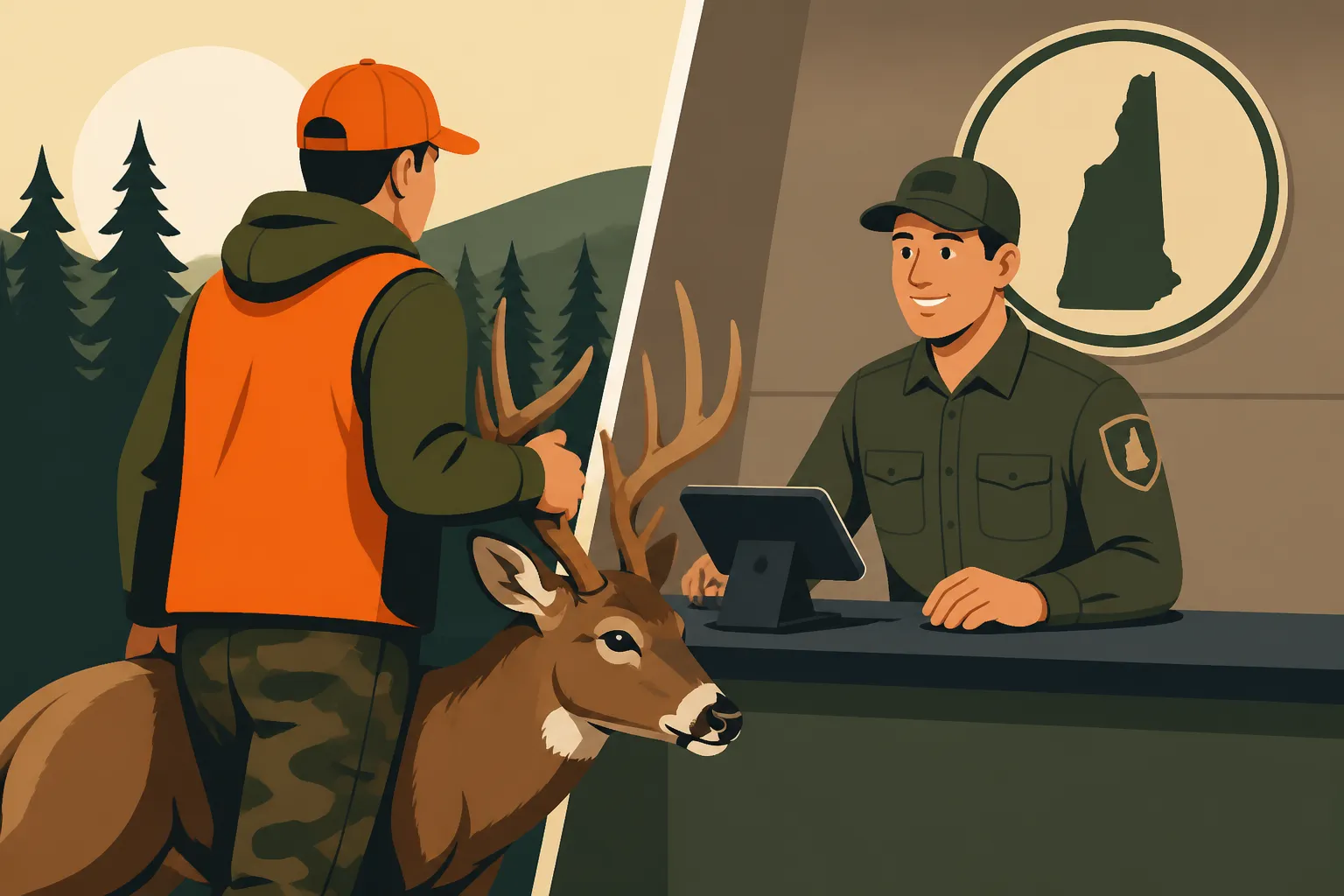
Registering a New Hampshire Deer In Person During the Blackout Days
It's incredibly frustrating when you've just put in the hard work, made a clean shot on a New Hampshire whitetail, and now you're ready to register your deer, only to discover the online system is down. Many hunters experience this headache, especially during peak season when excitement is high. This guide is here to walk you through the essential process of registering your New Hampshire deer in person, specifically when those online "blackout" days hit and digital options vanish, ensuring you stay legal and compliant without any last-minute panic.
Understanding New Hampshire's Deer Registration Blackout Periods
Just when you think you've got the whole hunting season dialed in, New Hampshire throws a curveball: those notorious "blackout" periods for online deer registration. It can feel like a real wrench in the works, especially if you're used to the convenience of modern technology. But there's a method to the madness, and understanding why these blackouts occur and when to expect them is key to a smooth post-harvest process.
Why Online Registration Takes a Pause
Imagine the sheer volume of data the New Hampshire Fish and Game Department has to manage, especially during the busiest times of the deer season. These blackout periods aren't designed to inconvenience hunters, but rather to allow the department to perform crucial data reconciliation and ensure the integrity of their harvest records. Think of it like a vital system update. The online portal, which works beautifully most of the time, needs to pause to catch up, consolidate information, and prepare for the next wave of reporting. This is particularly critical when different hunting seasons overlap or transition, like from the peak of the firearms season into the start of the late muzzleloader period. If you’ve ever tried to Registering a New Hampshire Deer Online, you’ll appreciate the normal ease, but these blackouts are a necessary evil.
The inconvenience, of course, is real. You've just dragged a deer out of a dense cedar swamp or off a steep granite ridge, your adrenaline is still pumping, and you're eager to get it officially checked in. The last thing you want is to find out your most convenient option is temporarily unavailable. This is especially true if you hunt in a more remote area where check stations might be few and far between, requiring a significant drive. These pauses typically align with periods of high harvest, aiming to ensure accuracy when the numbers really start climbing. They want to make sure every deer killed is properly documented, allowing them to accurately track herd health and population dynamics, which directly impacts future hunting opportunities.
Identifying the Blackout Days on the Calendar
Knowing is half the battle, right? The best defense against being caught off guard by a registration blackout is to know exactly when they're scheduled. The New Hampshire Fish and Game Department is quite good about publishing these dates well in advance. Your go-to resources should always be the official New Hampshire Hunting and Trapping Digest and the Fish and Game website. These publications will clearly outline the specific windows when the online portal will be offline. Typically, you'll see these blackouts around the peak of the firearms season, especially in early to mid-November, and sometimes again during the crossover into the late muzzleloader season. For example, if you're planning on Hunting the November Firearms Opener, be aware that online registration might be inaccessible.
It's absolutely essential to consult these resources before your season even begins. Don't wait until you've got a deer on the ground. Circle those dates on your personal hunting calendar, add them to your phone, or tell your hunting buddies to remind you. Knowing these dates allows you to plan your post-harvest strategy accordingly. If you know you'll be hunting during a blackout period, you can proactively identify the nearest open check stations and even call them ahead of time to confirm their operating hours. This proactive approach can save you a ton of stress and unnecessary driving when you're tired and just want to get your deer checked in. Understanding New Hampshire Firearms Season Dates and New Hampshire Muzzleloader Season Dates is crucial for anticipating these blackout windows.
Locating Your Nearest In-Person Registration Station
Once you understand the why and when of the blackout periods, the next critical step is knowing where to go. New Hampshire, with its strong hunting tradition, maintains a network of in-person registration stations that become invaluable when the online system goes dark. These stations are the backbone of the state's deer management system during those crucial periods.
The Network of New Hampshire Check Stations
New Hampshire boasts a comprehensive network of check stations, often local general stores, sporting goods shops, and sometimes even Fish and Game offices. These aren't just impersonal government buildings; they're often community hubs where local hunters gather, share stories, and get their deer officially tagged. Locations like Northwoods Sporting Journal in Jackman, Maine (though not in NH, a common stop for cross-border hunters just outside the North Country), or local mom-and-pop shops in places like Pittsburg, Colebrook, or Conway, often serve as registration points. These businesses play a vital role, providing a convenient and accessible service to hunters, especially those who might be deep in the Hunting the North Country or far from reliable internet service.
The distribution of these stations is generally good, though you'll find more concentrated networks in areas with higher hunting pressure or population density. Conversely, if you're hunting way out in the White Mountain National Forest, your nearest station might still be a significant drive. It's always a good idea to factor in travel time, especially if you're dealing with a larger animal like a mature buck or, heaven forbid, a bear or moose. The staff at these stations are often fellow hunters or seasoned locals who understand the process and can offer a friendly face and a wealth of local knowledge, making the registration experience less of a chore and more of a community ritual.
Using Online Resources to Find Stations
Even though the online registration system might be down, the New Hampshire Fish and Game Department's website remains your best friend for locating open check stations. They typically maintain an up-to-date list of all authorized deer and bear registration agents, including their addresses and often their phone numbers. This list is invaluable. I always recommend checking it before the season, perhaps printing a copy, or at least noting down a few options closest to your hunting grounds.
Beyond the official Fish and Game website, modern mapping applications can be incredibly helpful. Tools like GoHunt (which offers excellent mapping layers for public and private land, though its primary focus isn't NH Fish & Game check station lists, it's a valuable tool for overall hunt planning) or even standard Google Maps can help you plot the most efficient route to your chosen station. Simply search for "New Hampshire deer registration station" or use the addresses provided by Fish and Game. Just remember to double-check their hours of operation! Many local businesses close earlier than you might expect, especially during weekdays, and nothing is worse than arriving with a deer in the truck only to find the doors locked. Making these checks ahead of time can be a real lifesaver, ensuring you comply with The New Hampshire Deer Reporting Deadline without undue stress.
| Period/Requirement | Typical Online Blackout Days | Where to Find Official Dates | What to Bring (In-Person) |
|---|---|---|---|
| Early November (Firearms Season Peak) | ~3-5 days | NH Fish & Game Digest / Website | License, Tag, Deer (or proof) |
| Mid-to-Late November (Firearms/Muzzleloader Overlap) | ~2-3 days | NH Fish & Game Digest / Website | License, Tag, Deer (or proof) |
| Important Note: Dates vary annually. Always check the current year's official digest or website for exact blackout schedules. |
The Step-by-Step Process of In-Person Deer Registration
So, you've located a station and confirmed its hours. Now what? The actual in-person registration process is straightforward, but a little preparation can make it even smoother. It’s all about being ready for what the station agent will need from you and your deer.
Preparing for Your Trip to the Check Station
Before you even pull out of your hunting spot, make sure your deer is properly field-dressed and tagged. This isn't just a suggestion; it's a legal requirement. Immediately after harvesting, you must attach your deer tag to the animal. Failing to do so can result in fines and other penalties, so don't let the excitement or the cold get in the way of this critical step. If you need a refresher on how to properly tag, the official New Hampshire Deer Reporting Requirements has detailed instructions.
When it comes to transporting your deer, plan ahead. If it's warm out, consider how you'll keep the meat cool. Ice in game bags, or even a tarp to shield it from direct sun, can make a big difference in meat quality. If you're fortunate enough to be hunting during colder weather, Field Dressing a Deer in Cold Weather and simply keeping it off the ground and out of direct sunlight can be enough. Make sure your vehicle is prepared for the transport – whether that means a sturdy truck bed, a trailer, or a clean tarp and cooler space in an SUV. You’ll also need your valid New Hampshire hunting license and your deer tag, filled out completely with the date and WMU of harvest. Have these readily accessible for the station agent.
What to Expect at the Registration Station
When you arrive at the check station, the process is generally quite efficient. You’ll typically pull your vehicle up to a designated area, or if it’s a small station, simply bring your deer tag and the necessary information inside. The agent will ask for your hunting license and inspect your deer tag. They’ll then record key information about your harvest. This usually includes:
- Your License Number: To verify you’re a legal hunter.
- The Wildlife Management Unit (WMU) where the deer was harvested: This is crucial data for Fish and Game to track harvest success across different regions and manage populations, such as in WMU D2.
- Date of Harvest: To ensure it falls within the legal season dates.
- Sex of the Deer: Buck, doe, or fawn.
- Number of Antler Points (if applicable): For bucks, they'll usually count the points on one side, or total points, depending on the current regulations.
Sometimes, especially if there's an ongoing study or a concern like CWD (Chronic Wasting Disease), the agent might also request specific biological samples, such as a lymph node or a tooth. While New Hampshire has remained CWD-free, the department is vigilant with its New Hampshire's CWD Prevention Rules and surveillance program. If they do ask for samples, please cooperate; this data is vital for wildlife health. Once all the information is recorded, the agent will usually provide you with an official registration seal or sticker to attach to your deer. This document is your proof of legal registration. Make sure you keep it with the carcass until processing is complete.
Common Challenges and Best Practices for Blackout Registration
Even with the best intentions and preparation, registering a deer in person during a blackout period can present some unique challenges. Knowing these ahead of time and adopting best practices will help you navigate the process smoothly and keep your venison in prime condition.
Navigating Time Constraints and Travel
The most pressing challenge during a registration blackout is often the clock. New Hampshire law requires you to report your deer within 24 hours of harvest. This tight window can feel particularly restrictive if you’ve harvested a deer late in the day, especially from a remote location. Imagine you’ve just spent hours Dragging a Deer Out of a Granite Ravine in the White Mountains, and now you have a significant drive to the nearest open check station before it closes for the night or before your 24-hour window expires. This is where planning becomes paramount.
If you know you’re hunting in a remote WMU like those deep in the North Country, consider identifying check stations along potential exit routes before you even head out. Factor in the time it takes not just to drive, but also to get to your vehicle, especially if you’re several miles in. Preserve meat quality by keeping the deer cool and dry during transport. If it’s not freezing cold, use ice in coolers, or keep the deer carcass out of direct sunlight and off hot surfaces in your truck. Some hunters even bring large insulated bags or tarps to wrap the deer for the drive, especially during those shoulder seasons when temperatures can fluctuate wildly. The quicker you can get your deer checked and then to proper cold storage, the better your venison will be.
Ensuring Compliance and Avoiding Pitfalls
One of the biggest pitfalls during a blackout period is simply forgetting that online registration isn't an option. In our increasingly digital world, it's easy to assume everything can be done with a few taps on a smartphone. But during these specific dates, in-person registration is your only legal recourse. There are no exceptions for "I didn't know" or "my internet was spotty." The regulations are clear, and ignorance is not a valid excuse.
Double-checking all the information you provide at the registration station is also crucial. Ensure the WMU, date, and sex of the deer are accurately recorded. This data is not just for you; it directly contributes to the New Hampshire Fish and Game Department’s critical wildlife management efforts. Incorrect information can skew population estimates and potentially impact future season structures. The consequences of not registering a deer on time can range from warnings to significant fines, or even the loss of hunting privileges. It’s far better to invest a little extra time and effort upfront to ensure you're fully compliant. Remember, the rule for When Online Deer Registration Goes Offline is there for a reason, and you must adapt.
Leveraging Technology for Preparedness
While the online registration goes dark, other technologies can be your best friends for preparation. Before you head into the woods, especially if you're exploring new public land in New Hampshire, use mapping applications like GoHunt, Gaia GPS, or onX Hunt. While GoHunt might be primarily known for Western big game, many hunters leverage its detailed mapping capabilities for Eastern states too. You can mark potential check station locations on your map, identify their operating hours, and even pre-plan routes from various hunting zones. This turns potential stress into a simple navigation task.
Downloading offline maps on your phone is another smart move, especially if you anticipate hunting in areas with poor or no cell service, which is common in much of New Hampshire’s big woods. Having a backup plan – like a printed list of check stations and their phone numbers – is also a wise decision. Sharing your hunting plans, including your general hunting area and your intended registration station, with a trusted friend or family member is not only good safety practice but can also provide a valuable point of contact if you run into unexpected issues. Preparedness with these tools means you can focus on the hunt itself, rather than worrying about the logistics of registration. Scouting With the New Hampshire Fish and Game App can also help with this kind of pre-hunt planning.
Post-Registration: What Happens Next
Congratulations! You've successfully registered your New Hampshire deer in person during the blackout days. The immediate relief is palpable, but the journey doesn't quite end there. Understanding the significance of your registration and how that data is used reinforces the importance of the entire process.
The Importance of Your Registration Confirmation
That official tag or sticker you receive from the registration agent? It's more than just a souvenir; it's your legal proof of a successful, compliant harvest. This confirmation must remain with the deer carcass until it is fully processed into individual cuts of meat. If you're transporting the deer across state lines, or even just within New Hampshire, law enforcement officers may request to see this proof of registration. It validates that the deer was taken legally and reported according to state regulations. It's the final stamp of approval on your hunting efforts.
Beyond the legal aspect, your registration confirmation is a personal record of your hunt. It contains details like the WMU, date, and sex of the deer—information that can be valuable for your own hunting journal or future planning. Knowing exactly which areas are producing (or not) can help inform your strategy for next season. More importantly, every single registered deer contributes to the bigger picture of wildlife management in the state.
What Happens to the Data Collected
The data collected during deer registration, whether online or in person, is absolutely invaluable to the New Hampshire Fish and Game Department. Every piece of information—the WMU, sex, antler points, date of harvest—is carefully aggregated and analyzed. This collective data forms the backbone of their white-tailed deer management program. It helps them estimate the overall New Hampshire Deer Herd Size, understand deer density across different regions, assess harvest success rates by WMU, and identify population trends.
For example, if harvest numbers in a particular WMU like E, which covers the White Mountains Core, show a consistent decline, Fish and Game can investigate potential causes, such as habitat loss, increased predation, or disease. Conversely, if numbers are consistently high, it might indicate a healthy, thriving population that can sustain current or even increased harvest levels. This scientific approach ensures that hunting regulations, such as season dates, bag limits, and specific WMU rules, are based on solid, real-world data, not just guesswork. Your participation in registering your deer is a direct contribution to the conservation and sustainable management of New Hampshire's cherished deer resource, ensuring healthy populations for future generations of hunters.
Disclaimer
Please remember that hunting regulations, including registration procedures and blackout dates, can change. Always consult the most current New Hampshire Fish and Game Department Hunting and Trapping Digest and their official website for the most up-to-date and accurate information before heading afield. This guide is for informational purposes only and should not replace official state regulations.